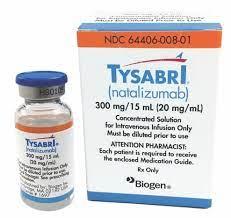
Natalizumab Side Effects
Applies to natalizumab: intravenous solution.
Important warnings
This medicine can cause some serious health issues
Precautions
Your doctor will want to check your progress at 3 months and 6 months after the first injection, then every 6 months after that. Blood and urine tests may be needed to check for unwanted effects.
This medicine may increase your risk of developing infections, including a rare and serious brain infection called progressive multifocal leukoencephalopathy (PML). This is more likely to occur if you have had JCV infection, have been receiving natalizumab for a long time (longer than 2 years), or if you have been using medicine that weakens your immune system (eg, azathioprine, cyclophosphamide, cyclosporine, mercaptopurine, methotrexate, mitoxantrone, mycophenolate mofetil, or steroid medicine) before receiving this medicine. Check with your doctor right away if you have vision changes, loss of coordination, clumsiness, memory loss, difficulty speaking or understanding what others say, or weak legs.
Natalizumab may cause a rare condition called immune reconstitution inflammatory syndrome (IRIS). This may occur after a person stops receiving this medicine after developing PML during treatment. Tell your doctor right away if you have an inflammatory reaction to an infection that includes mild burning, stinging, or tingling of the skin, or a feeling of heat, redness, or swelling of the skin.
Natalizumab may increase the risk of developing encephalitis, meningitis, or acute retinal necrosis caused by herpes and varicella viruses. Check with your doctor if you have a fever, headache, eye pain or redness, sensitivity of the eyes to the sun, or confusion.
Check with your doctor right away if you pain or tenderness in the upper stomach, pale stools, dark urine, loss of appetite, nausea, vomiting, or yellow eyes or skin. These could be symptoms of a serious liver problem.
This medicine may cause serious allergic reactions, including anaphylaxis, which can be life-threatening and require immediate medical attention. Tell your doctor right away if you have a rash, itching, hoarseness, trouble breathing or swallowing, or any swelling of your hands, face, or mouth after receiving this medicine.
This medicine may lower the number of some types of blood cells in your body. Because of this, you may bleed or get infections more easily. To help with these problems, avoid being near people who are sick or have infections. Wash your hands often. Stay away from rough sports or other situations where you could be bruised, cut, or injured. Brush and floss your teeth gently. Be careful when using sharp objects, including razors and fingernail clippers.
Serious side effects of natalizumab
Along with its needed effects, natalizumab may cause some unwanted effects. Although not all of these side effects may occur, if they do occur they may need medical attention.
Check with your doctor or nurse immediately if any of the following side effects occur while taking natalizumab:
More common side effects
- bladder pain
- blistering, crusting, irritation, itching, or reddening of the skin
- bloody or cloudy urine
- body produces substance that can bind to drug making it less effective or cause side effects
- chest tightness
- cough
- difficult, burning, or painful urination
- difficulty with swallowing
- dizziness
- fast heartbeat
- frequent, strong, or increased urge to urinate
- hives, itching, skin rash
- itching of the vagina or genital area
- lower back or side pain
- pain during sexual intercourse
- passing urine more often
- puffiness or swelling of the eyelids or around the eyes, face, lips, or tongue
- thick, white vaginal discharge with no odor or with a mild odor
- unusual tiredness or weakness
Rare side effects
- blurred vision
- changes in behavior
- chest pain
- confusion
- difficult or labored breathing
- fainting or lightheadedness when getting up suddenly from a lying or sitting position
- feeling of warmth
- feeling unusually cold
- fever
- gaseous abdominal or stomach pain
- nausea
- redness of the face, neck, arms, and occasionally, upper chest
- shivering
- sneezing
- sore throat
- stomach fullness
- sweating
- thoughts of killing oneself
- yellow eyes or skin
Incidence not known
- back, leg, or stomach pains
- black, tarry stools
- bleeding gums
- chills
- dark urine
- drowsiness
- general body swelling
- headache
- heavier menstrual periods
- loss of appetite
- nosebleeds
- pale skin
- pinpoint red spots on the skin
- seizures
- unusual bleeding or bruising
- vomiting
Other side effects of natalizumab
Some side effects of natalizumab may occur that usually do not need medical attention. These side effects may go away during treatment as your body adjusts to the medicine. Also, your health care professional may be able to tell you about ways to prevent or reduce some of these side effects.
Check with your health care professional if any of the following side effects continue or are bothersome or if you have any questions about them:
More common side effects
- cracked, dry, scaly skin
- diarrhea
- difficulty with moving
- discouragement
- feeling sad or empty
- irregular menstruation
- irritability
- loss of interest or pleasure
- muscle pain or stiffness
- pain, cramps, or heavy bleeding
- pain in the joints
- stomach soreness or discomfort
- swollen glands
- trouble concentrating
- trouble sleeping
Less common side effects
- absent, missed, or irregular menstrual periods
- chest discomfort
- local bleeding
- shakiness in the legs, arms, hands, or feet
- stopping of menstrual bleeding
- trembling or shaking of the hands or feet
See also:
For healthcare professionals
Applies to natalizumab: intravenous concentrate.
Ocular adverse events
- Frequency not reported: Acute retinal necrosis (ARN), blindness, decreased visual acuity, redness, eye pain[Ref]
Nervous system
- Very common (10% or more): Headache (38%)
- Common (1% to 10%): Vertigo, somnolence, tremor, dizziness
- Uncommon (0.1% to 1%): Progressive multifocal leukoencephalopathy (PML)
- Frequency not reported: Tremor[Ref]
Respiratory
- Very common (10% or more): Upper respiratory tract infection (22%), lower respiratory tract infection (17%)
- Common (1% to 10%): Pharyngolaryngeal pain, cough, sinusitis, nasopharyngitis[Ref]
Psychiatric
- Very common (10% or more): Depression (19%)[Ref]
Gastrointestinal
- Very common (10% or more): Nausea (17%), gastroenteritis (11%), abdominal discomfort (11%), diarrhea (10%)
- Common (1% to 10%): Dyspepsia, constipation, flatulence, aphthous stomatitis, tooth infection, tonsillitis
- Frequency not reported: Vomiting[Ref]
Immunologic
- Very common (10% or more): Influenza-like illness (12%)
- Common (1% to 10%): Herpes, tonsillitis, viral infection, immunogenicity[Ref]
Hepatic
- Common (1% to 10%): Abnormal liver function test
- Postmarketing reports: Serious liver injuries, increased liver enzymes, hyperbilirubinemia[Ref]
Other
- Very common (10% or more): Fatigue (27%)
- Common (1% to 10%): Tooth infections, toothache, rigors
- Frequency not reported: Flushing, feeling cold, pyrexia[Ref]
Local
- Frequency not reported: Localized hypersensitivity reactions[Ref]
Genitourinary
- Very common (10% or more): Urinary tract infection (21%), vaginitis (10%)
- Common (1% to 10%): Irregular menstruation, dysmenorrhea, amenorrhea, ovarian cyst, urinary incontinence, urinary urgency/frequency[Ref]
Musculoskeletal
- Very common (10% or more): Arthralgia (19%), pain in extremity (16%), back pain (12%)
- Common (1% to 10%): Rigors, muscle cramp, joint swelling[Ref]
Dermatologic
- Very common (10% or more): Rash (12%)
- Common (1% to 10%): Dermatitis, pruritus, night sweats, dry skin, urticaria[Ref]
Hypersensitivity
- Common (1% to 10%): Immediate or delayed hypersensitivity reactions, seasonal allergy
- Frequency not reported: anaphylaxis/anaphylactoid reaction[Ref]
Hematologic
- Rare (less than 0.1%): Anemia, hemolytic anemia[Ref]
Metabolic
- Common (1% to 10%): Weight increased, weight decreased, peripheral edema[Ref]
Cardiovascular
- Common (1% to 10%): Chest discomfort[Ref]
References
1. (2004) "Product Information. Tysabri (natalizumab)." Elan Pharmaceutical/Athena Neurosciences Inc
2. Cerner Multum, Inc. "UK Summary of Product Characteristics."
3. Pharmaceutical Society of Australia (2006) APPGuide online. Australian prescription products guide online. http://www.appco.com.au/appguide/default.asp
Frequently asked questions
- Does Tysabri suppress the immune system?
- How long can you take Tysabri for?
- Is Tysabri a form of chemotherapy?
- Does Tysabri cause cancer?
- What biosimilars have been approved in the United States?
- How to prevent hair loss from Tysabri (natalizumab)?
More about natalizumab
- Check interactions
- Compare alternatives
- Reviews (102)
- Dosage information
- During pregnancy
- Drug class: selective immunosuppressants
- Breastfeeding
- En español
Patient resources
Other brands
Professional resources
Other brands
Related treatment guides
Further information
Natalizumab side effects can vary depending on the individual. Always consult your healthcare provider to ensure the information displayed on this page applies to your personal circumstances.
Note: Medication side effects may be underreported. If you are experiencing side effects that are not listed, submit a report to the FDA by following this guide.