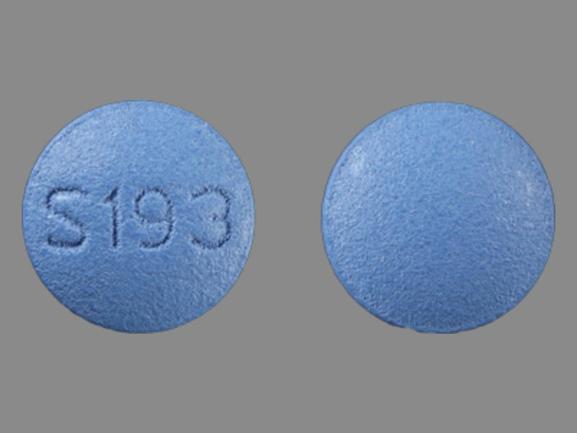
Lunesta Side Effects
Generic name: eszopiclone
Medically reviewed by Drugs.com. Last updated on Apr 14, 2025.
Note: This document provides detailed information about Lunesta Side Effects associated with eszopiclone. Some dosage forms listed on this page may not apply specifically to the brand name Lunesta.
Applies to eszopiclone: oral tablet.
Important warnings
This medicine can cause some serious health issues
Oral route (tablet)
Complex sleep behaviors including sleep-walking, sleep-driving, and engaging in other activities while not fully awake may occur following use of eszopiclone.
Some of these events may result in serious injuries, including death.
Discontinue eszopiclone immediately if a patient experiences a complex sleep behavior.
Precautions
It is very important that your doctor check your progress at regular visits to make sure this medicine is working properly and to check for any unwanted effects.
If you think you need to take eszopiclone (the active ingredient contained in Lunesta) for more than 7 to 10 days, be sure to discuss it with your doctor. Insomnia that lasts longer than this may be a sign of another medical problem.
Eszopiclone may cause serious allergic reactions, including anaphylaxis and angioedema, which can be life-threatening and require immediate medical attention. Call your doctor right away if you have itching, hives, hoarseness, trouble breathing, trouble swallowing, or any swelling of your hands, face, or mouth while you are using this medicine.
This medicine may cause you to do things while you are still asleep that you may not remember the next morning. It is possible you could drive a car, sleepwalk, have sex, make phone calls, or prepare and eat food while you are asleep or not fully awake. Tell your doctor right away if you learn that any of these has happened.
This medicine will add to the effects of alcohol and other CNS depressants (medicines that makes you drowsy or less alert). Some examples of CNS depressants are antihistamines or medicine for hay fever, allergies, or colds, sedatives, tranquilizers, or sleeping medicine, prescription pain medicine or narcotics, medicine for seizures or barbiturates, muscle relaxants, or anesthetics, including some dental anesthetics. Check with your doctor before taking any of the above while you are using this medicine.
This medicine may cause some people, especially older persons, to become drowsy, dizzy, lightheaded, clumsy or unsteady, or less alert than they are normally, which may lead to falls. Even though eszopiclone is taken at bedtime, it may cause some people to feel drowsy or less alert on arising. Do not drive or do anything else that could be dangerous until you know how this medicine affects you.
If you develop any unusual and strange thoughts or behavior while you are using eszopiclone, be sure to discuss it with your doctor. Some changes that have occurred in people using this medicine are like those seen in people who drink alcohol and then act in a manner that is not normal. Other changes may be more unusual and extreme, such as confusion, worsening of depression, hallucinations (seeing, hearing, or feeling things that are not there), suicidal thoughts, and unusual excitement, nervousness, or irritability.
Do not stop using it without checking first with your doctor. Your doctor may want you to gradually reduce the amount you are using before stopping completely. Stopping this medicine suddenly may cause withdrawal side effects.
After taking eszopiclone for insomnia, you may have difficulty sleeping (rebound insomnia) for the first few nights after you stop taking it.
If you think you or someone else may have taken an overdose of this medicine, get emergency help at once. Taking an overdose of eszopiclone or taking alcohol or other CNS depressants with eszopiclone may lead to serious breathing problems and unconsciousness. Some signs of an overdose include: severe drowsiness, severe nausea or vomiting, staggering, and troubled breathing.
Do not take other medicines unless they have been discussed with your doctor. This includes prescription or nonprescription (over-the-counter [OTC]) medicines and herbal or vitamin supplements.
Serious side effects of Lunesta
Along with its needed effects, eszopiclone may cause some unwanted effects. Although not all of these side effects may occur, if they do occur they may need medical attention.
Check with your doctor immediately if any of the following side effects occur while taking eszopiclone:
More common side effects
- chills
- cough
- fever
- hoarseness
- lower back or side pain
- painful or difficult urination
- sleepiness or unusual drowsiness
Less common side effects
- bladder pain
- bloody or cloudy urine
- confusion
- diarrhea
- discouragement
- fear or nervousness
- feeling sad or empty
- frequent urge to urinate
- general feeling of discomfort or illness
- headache
- irritability
- joint pain
- lack of appetite
- loss of interest or pleasure
- muscle aches and pains
- nausea
- nerve pain
- runny nose
- seeing, hearing, or feeling things that are not there
- shivering
- sore throat
- sweating
- trouble concentrating
- trouble sleeping
- unusual tiredness or weakness
- vomiting
Get emergency help immediately if any of the following symptoms of overdose occur while taking eszopiclone:
Symptoms of overdose
- change or loss of consciousness
- difficult or troubled breathing
- irregular, fast or slow, or shallow breathing
- pale or blue lips, fingernails, or skin
- sleepiness or unusual drowsiness
Other side effects of Lunesta
Some side effects of eszopiclone may occur that usually do not need medical attention. These side effects may go away during treatment as your body adjusts to the medicine. Also, your health care professional may be able to tell you about ways to prevent or reduce some of these side effects.
Check with your health care professional if any of the following side effects continue or are bothersome or if you have any questions about them:
More common side effects
- bad, unusual, or unpleasant (after) taste
- belching
- change in taste
- dizziness
- dry mouth
- heartburn
- indigestion
- pain
- stomach discomfort, upset, or pain
Less common side effects
- abnormal dreams
- accidental injury
- decreased interest in sexual intercourse
- inability to have or keep an erection
- pain, cramps, or heavy bleeding (females)
- rash
- swelling of the breasts or breast soreness (in both males and females)
Incidence not known
- change in sense of smell
- loss of memory
- problems with memory
See also:
For healthcare professionals
Applies to eszopiclone: oral tablet.
General adverse events
The most commonly reported side effects included unpleasant taste, headache, somnolence, and infection.[Ref]
Nervous system
- Very common (10% or more): Unpleasant taste (up to 34%), headache (up to 21%)
- Common (1% to 10%): Dizziness, migraine, neuralgia, somnolence
- Uncommon (0.1% to 1%): Ataxia, decreased reflexes, difficulty concentrating, hypertonia, hypesthesia, incoordination, memory impairment, nystagmus, paresthesia, vertigo, vestibular disorder
- Rare (less than 0.1%): Abnormal gait, hyperesthesia, hypokinesia, neuritis, neuropathy, stupor, tremor
- Postmarketing reports: Dysosmia[Ref]
A dose-response relationship appears to exist for dizziness and unpleasant taste.
Headache was reported in 21% of non-elderly patients given 2 mg orally for 6 weeks, and in 17% of non-elderly adults given 3 mg orally for 6 weeks.
In patients 65 to 86 years of age, headache occurred in up to 15% of patients given 1 mg, and unpleasant taste occurred in up to 12% of patients given 2 mg orally for 2 weeks.
Dizziness and neuralgia commonly occurred in patients aged 65 years of age or older. Somnolence has also been reported in this patient population.[Ref]
Psychiatric
- Common (1% to 10%): Abnormal dreams, anxiety, confusion, decreased libido, depression, hallucinations, nervousness
- Uncommon (0.1% to 1%): Abnormal thinking, agitation, apathy, emotional lability, hostility, insomnia, neurosis,
- Rare (less than 0.1%): Euphoria[Ref]
A dose-response relationship appears to exist for confusion, decreased libido, and hallucinations.
Abnormal dreams and nervousness commonly occurred in patients aged 65 years of age or older.[Ref]
Gastrointestinal
- Common (1% to 10%): Diarrhea, dry mouth, dyspepsia, nausea, vomiting
- Uncommon (0.1% to 1%): Halitosis, melena, mouth ulceration, ulcerative stomatitis
- Rare (less than 0.1%): Colitis, dysphagia, gastritis, rectal hemorrhage, stomach ulcer, stomatitis, tongue edema
- Frequency not reported: Abdominal pain[Ref]
A dose-response relationship appears to exist for dry mouth.
Diarrhea, dry mouth, and dyspepsia commonly occurred in patients aged 65 years of age or older. Abdominal pain and nausea have also been reported in this patient population.[Ref]
Genitourinary
- Common (1% to 10%): Dysmenorrhea, urinary tract infection
- Uncommon (0.1% to 1%): Amenorrhea, breast engorgement, breast enlargement, breast pain, cystitis, dysuria, female lactation, hematuria, mastitis, menorrhagia, metrorrhagia, urinary frequency, urinary incontinence, uterine hemorrhage, vaginal hemorrhage, vaginitis
- Rare (less than 0.1%): Urethritis[Ref]
Urinary tract infections commonly occurred in patients aged 65 years of age or older.[Ref]
Dermatologic
- Common (1% to 10%): Pruritus, rash
- Uncommon (0.1% to 1%): Acne, alopecia, cellulitis, contact dermatitis, dry skin, eczema, photosensitivity, skin discoloration, sweating, urticaria
- Rare (less than 0.1%): Erythema multiforme, furunculosis, hirsutism, maculopapular rash, vesiculobullous rash[Ref]
A dose-response relationship appears to exist for rash.
Pruritus commonly occurred in patients aged 65 years of age or older. Abdominal pain has also been reported in this patient population.[Ref]
Other
- Common (1% to 10%): Accidental injury, pain
- Uncommon (0.1% to 1%): Ear pain, face edema, fever, hernia, malaise, otitis externa, otitis media, tinnitus
- Rare (less than 0.1%): Hyperacusis
- Frequency not reported: Asthenia[Ref]
A dose-response relationship appears to exist for accidental injury and pain.
Accidental injury and pain commonly occurred in patients aged 65 years of age or older. Asthenia and pain have also been reported in this patient population.[Ref]
Cardiovascular
- Common (1% to 10%): Chest pain, peripheral edema
- Uncommon (0.1% to 1%): Heat stroke, hypertension
- Rare (less than 0.1%): Thrombophlebitis[Ref]
Immunologic
- Common (1% to 10%): Infection, viral infection
- Rare (less than 0.1%): Herpes zoster
- Frequency not reported: Flu syndrome[Ref]
A dose-response relationship appears to exist for infection.[Ref]
Hypersensitivity
- Uncommon (0.1% to 1%): Allergic reaction[Ref]
Endocrine
- Common (1% to 10%): Gynecomastia[Ref]
Musculoskeletal
- Uncommon (0.1% to 1%): Arthritis, bursitis, joint disorder, joint pain, joint swelling, joint stiffness, leg cramps, myasthenia, neck rigidity, twitching
- Rare (less than 0.1%): Arthrosis, myopathy
- Frequency not reported: Back pain, myalgia[Ref]
Metabolic
- Uncommon (0.1% to 1%): Anorexia, hypercholesterolemia, increased appetite, thirst, weight gain, weight loss
- Rare (less than 0.1%): Dehydration, gout, hyperlipemia, hypokalemia[Ref]
Respiratory
- Uncommon (0.1% to 1%): Asthma, bronchitis, dyspnea, epistaxis, hiccup, laryngitis
- Frequency not reported: Pharyngitis, rhinitis[Ref]
Ocular
- Uncommon (0.1% to 1%): Conjunctivitis, dry eyes
- Rare (less than 0.1%): Iritis, mydriasis, photophobia, ptosis[Ref]
Renal
- Uncommon (0.1% to 1%): Kidney calculus, kidney pain
- Rare (less than 0.1%): Oliguria, pyelonephritis[Ref]
Hematologic
- Uncommon (0.1% to 1%): Anemia, lymphadenopathy[Ref]
Hepatic
- Uncommon (0.1% to 1%): Cholelithiasis
- Rare (less than 0.1%): Hepatitis, hepatomegaly, liver damage[Ref]
Oncologic
- Uncommon (0.1% to 1%): Breast neoplasm[Ref]
References
1. (2004) "Product Information. Lunesta (eszopiclone)." Sepracor Inc
Frequently asked questions
- Lunesta vs Ambien: How do they compare?
- Why is Lunesta (eszopiclone) a controlled substance?
- How long does Lunesta (eszopiclone) take to work?
- Can you take Lunesta (eszopiclone) every night?
- Is “Ambien-Tweeting” or "Sleep-Tweeting" a Thing?
- What are the strongest sleeping pills?
More about Lunesta (eszopiclone)
- Check interactions
- Compare alternatives
- Pricing & coupons
- Reviews (345)
- Drug images
- Dosage information
- During pregnancy
- Generic availability
- Support group
- FDA approval history
- Drug class: miscellaneous anxiolytics, sedatives and hypnotics
- Breastfeeding
- En español
Patient resources
Professional resources
Related treatment guides
Further information
Lunesta side effects can vary depending on the individual. Always consult your healthcare provider to ensure the information displayed on this page applies to your personal circumstances.
Note: Medication side effects may be underreported. If you are experiencing side effects that are not listed, submit a report to the FDA by following this guide.