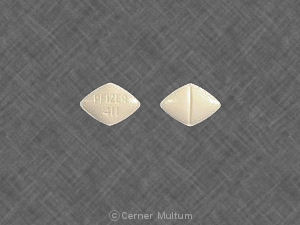
Glucotrol Side Effects
Generic name: glipizide
Medically reviewed by Drugs.com. Last updated on Jun 11, 2025.
Note: This document provides detailed information about Glucotrol Side Effects associated with glipizide. Some dosage forms listed on this page may not apply specifically to the brand name Glucotrol.
Applies to glipizide: oral tablet, oral tablet extended release.
Precautions
It is very important that your doctor check your progress at regular visits to make sure that this medicine is working properly. Blood and urine tests may be needed to check for unwanted effects.
It is very important to follow carefully any instructions from your health care team about:
- Alcohol—Drinking alcohol may cause severe low blood sugar. Discuss this with your health care team.
- Counseling—Other family members need to learn how to prevent side effects or help with side effects if they occur. Also, patients with diabetes may need special counseling about diabetes medicine dosing changes that might occur because of lifestyle changes, such as changes in exercise and diet. Furthermore, counseling on contraception and pregnancy may be needed because of the problems that can occur in patients with diabetes during pregnancy.
- Travel—Keep your recent prescription and your medical history with you. Be prepared for an emergency as you would normally. Make allowances for changing time zones and keep your meal times as close as possible to your usual meal times.
- In case of emergency—There may be a time when you need emergency help for a problem caused by your diabetes. You need to be prepared for these emergencies. It is a good idea to wear a medical identification (ID) bracelet or neck chain at all times. Also, carry an ID card in your wallet or purse that says you have diabetes and a list of all of your medicines.
Check with your doctor right away if you start having chest pain or discomfort; nausea; pain or discomfort in the arms, jaw, back, or neck; shortness of breath; sweating; or vomiting while you are using this medicine. These may be symptoms of a serious heart problem, including a heart attack.
Glipizide can cause hypoglycemia (low blood sugar). However, this can also occur if you delay or miss a meal or snack, drink alcohol, exercise more than usual, cannot eat because of nausea or vomiting, take certain medicines, or take glipizide (the active ingredient contained in Glucotrol) with another type of diabetes medicine. The symptoms of low blood sugar must be treated before they lead to unconsciousness (passing out). Different people feel different symptoms of low blood sugar. It is important that you learn which symptoms of low blood sugar you usually have so you can treat it quickly.
Symptoms of low blood sugar include anxiety; behavior change similar to being drunk; blurred vision; cold sweats; confusion; cool, pale skin; difficulty with thinking; drowsiness; excessive hunger; fast heartbeat; headache (continuing); nausea; nervousness; nightmares; restless sleep; shakiness; slurred speech; or unusual tiredness or weakness.
If symptoms of low blood sugar occur, eat glucose tablets or gel, corn syrup, honey, or sugar cubes; or drink fruit juice, non-diet soft drink, or sugar dissolved in water. Also, check your blood for low blood sugar. Glucagon is used in emergency situations when severe symptoms such as seizures (convulsions) or unconsciousness occur. Have a glucagon kit available, along with a syringe or needle, and know how to use it. Members of your household also should know how to use it.
Do not take other medicines unless they have been discussed with your doctor. This includes prescription or nonprescription (over-the-counter [OTC]) medicines and herbal or vitamin supplements.
Common side effects of Glucotrol
Some side effects of glipizide may occur that usually do not need medical attention. These side effects may go away during treatment as your body adjusts to the medicine. Also, your health care professional may be able to tell you about ways to prevent or reduce some of these side effects.
Check with your health care professional if any of the following side effects continue or are bothersome or if you have any questions about them:
More common side effects
- indigestion
- passing of gas
Less common side effects
- acid or sour stomach
- belching
- excess air or gas in the stomach or intestines
- full feeling
- pain
- sleeplessness
- sneezing
- stuffy nose
- trouble sleeping
- unable to sleep
Rare side effects
- decreased interest in sexual intercourse
- dizziness or lightheadedness
- excessive muscle tone
- feeling of constant movement of self or surroundings
- flushing or redness of the skin
- headache, severe and throbbing
- hives or welts
- inability to have or keep an erection
- loss in sexual ability, desire, drive, or performance
- mood or mental changes
- muscle stiffness
- muscle tension or tightness
- sensation of spinning
- skin rash, encrusted, scaly, and oozing
- sleepiness or unusual drowsiness
- unusually warm skin
- walking in unusual manner
- weight loss
Incidence not known
- increased sensitivity of the skin to sunlight
- severe sunburn
Serious side effects of Glucotrol
Along with its needed effects, glipizide may cause some unwanted effects. Although not all of these side effects may occur, if they do occur they may need medical attention.
Check with your doctor immediately if any of the following side effects occur while taking glipizide:
Less common side effects
- anxiety
- blurred vision
- burning, crawling, itching, numbness, prickling, "pins and needles", or tingling feelings
- chills
- cold sweats
- coma
- confusion
- cool, pale skin
- depression
- difficulty with moving
- dizziness
- fainting
- fast heartbeat
- headache
- increased hunger
- joint pain
- leg cramps
- muscle aching or cramping
- muscle pain or stiffness
- nausea
- nervousness
- nightmares
- pain in the joints
- problems in urination or increase in the amount of urine
- seizures
- shakiness
- slurred speech
- sweating
- swollen joints
- unusual tiredness or weakness
Rare side effects
- abdominal or stomach pain
- bloating
- bloody or black, tarry stools
- body aches or pain
- burning, dry, or itching eyes
- clay-colored stools
- congestion
- constipation
- cough
- dark urine
- decreased vision or other changes in vision
- diarrhea
- difficult or labored breathing
- difficult or painful urination
- dryness or soreness of the throat
- excessive tearing
- fainting
- fast, slow, or irregular heartbeat
- feeling of warmth
- fever
- heartburn
- hoarseness
- indigestion
- itching
- loss of appetite
- pain in the eye
- pounding in the ears
- rash
- redness of the face, neck, arms and occasionally, upper chest
- redness, pain, or swelling of the eye, eyelid, or inner lining of the eyelid
- runny nose
- severe stomach pain
- shortness of breath
- tender, swollen glands in the neck
- tightness in the chest
- trouble in swallowing
- unpleasant breath odor
- voice changes
- vomiting of blood or material that looks like coffee grounds
- wheezing
- yellow eyes or skin
Incidence not known
- agitation
- back or leg pains
- bleeding gums
- blood in the urine or stools
- chest pain
- convulsions
- decreased urine output
- fluid-filled skin blisters
- general body swelling
- general feeling of tiredness or weakness
- high fever
- hostility
- increased thirst
- irritability
- lethargy
- light-colored stools
- lower back or side pain
- muscle twitching
- nosebleeds
- pinpoint red pots on the skin
- rapid weight gain
- sensitivity to the sun
- skin thinness
- sores, ulcers, or white spots on the lips or in the mouth
- stupor
- swelling of the face, ankles, or hands
- unusual bleeding or bruising
See also:
Trulicity
Trulicity is an injectable diabetes medicine that is used together with diet and exercise to ...
Lantus
Lantus is a long acting form of insulin used to treat type 1 or type 2 diabetes. Learn about side ...
Ozempic
Learn about Ozempic (semaglutide) for type 2 diabetes treatment, weight management, cardiovascular ...
Tresiba
Tresiba (insulin degludec) is used to treat diabetes mellitus. Includes Tresiba side effects ...
Levemir
Levemir (insulin detemir) is a long acting insulin used to treat diabetes in adults and children ...
Victoza
Victoza helps control blood sugar levels and reduce the risk of serious heart problems in people ...
Novolog
NovoLog is a fast-acting insulin used to treat diabetes to control blood sugar levels in adults and ...
Basaglar
Basaglar (insulin glargine) is a long-acting insulin that is used to improve blood sugar control in ...
Soliqua
Soliqua 100/33 (insulin glargine and lixisenatide) is used to treat type 2 diabetes. Includes ...
Toujeo SoloStar
Toujeo (insulin glargine) is an injection used to treat type 1 or type 2 diabetes. Includes Toujeo ...
For healthcare professionals
Applies to glipizide: compounding powder, oral tablet, oral tablet extended release.
General adverse events
The more commonly reported side effects have included dizziness, diarrhea, nervousness, tremor, hypoglycemia, and flatulence.[Ref]
Metabolic
- Common (1% to 10%): Hypoglycemia
- Uncommon (less than 1%): Thirst
- Frequency not reported: Disulfiram like reactions, hepatic porphyria, hyponatremia, syndrome of inappropriate antidiuretic hormone (SIADH), elevation of LDH[Ref]
Disulfiram-like reactions have been reported with sulfonylureas. Clinical experience has shown this drug to have a low incidence of disulfiram-like alcohol reactions.[Ref]
Hematologic
- Frequency not reported: Leucopenia, agranulocytosis, thrombocytopenia, aplastic anemia, hemolytic anemia, pancytopenia[Ref]
Cardiovascular
- Common (1% to 10%): Syncope
- Uncommon (less than 1%): Arrhythmia, flushing, hypertension[Ref]
Hepatic
- Frequency not reported: Impaired hepatic function, hepatitis, jaundice, mild to moderate ALT, LDH, alkaline phosphatase elevations
- Postmarketing reports: Cholestatic and hepatocellular forms of liver injury accompanied by jaundice[Ref]
Dermatologic
- Common (1% to 10%): Sweating, pruritus
- Uncommon (less than 1%): Rash, urticaria
- Frequency not reported: Rash, erythema, morbilliform or maculopapular eruptions, urticaria, pruritus, eczema[Ref]
Dermatologic side effects frequently disappear with continued therapy. Photosensitivity has been reported with other sulfonylureas.[Ref]
Gastrointestinal
- Common (1% to 10%): Nausea, diarrhea, constipation, gastralgia, vomiting, flatulence, dyspepsia
- Uncommon (less than 1%): Anorexia, trace blood in stool
- Frequency not reported: Gastrointestinal irritation, gastrointestinal bleeding
- Postmarketing reports: Abdominal pain[Ref]
Gastrointestinal side effects appear to be dose-related and may disappear on division or reduction of dosage.[Ref]
Genitourinary
- Common (1% to 10%): Polyuria
- Uncommon (less than 1%): Dysuria[Ref]
Musculoskeletal
- Common (1% to 10%): Arthralgia, leg cramps, myalgia[Ref]
Nervous system
- Common (1% to 10%): Headache, dizziness, nervousness, tremors, paresthesia, hypesthesia
- Uncommon (less than 1%): Migraine
- Frequency not reported: Drowsiness[Ref]
Ocular
- Common (1% to 10%): Blurred vision
- Uncommon (less than 1%): Pain in the eye, conjunctivitis, retinal hemorrhage
- Frequency not reported: Diplopia, abnormal vision, visual impairment, decreased vision[Ref]
Other
- Common (1% to 10%): Asthenia, pain
- Uncommon (less than 1%): Chills, edema
- Frequency not reported: Vertigo, malaise[Ref]
Psychiatric
- Common (1% to 10%): Insomnia, anxiety, depression
- Frequency not reported: Confusion[Ref]
Respiratory
- Common (1% to 10%): Rhinitis
- Uncommon (less than 1%): Pharyngitis, dyspnea[Ref]
Renal
- Frequency not reported: Mild to moderate BUN and creatinine elevations
References
1. (2002) "Product Information. Glucotrol (glipizide)." Pfizer U.S. Pharmaceuticals
2. Cerner Multum, Inc. "UK Summary of Product Characteristics."
3. Cerner Multum, Inc. "Australian Product Information."
4. Feinglos MN, Lebovitz HE (1983) "Long-term safety and efficacy of glipizide." Am J Med, 75, p. 60-6
5. Moder KG, Schwenk NM (1991) "A coproporphyria-like syndrome induced by glipizide." Mayo Clin Proc, 66, p. 312-6
6. Asplund K, Wiholm BE, Lundman B (1991) "Severe hypoglycaemia during treatment with glipizide." Diabet Med, 8, p. 726-31
7. Brogden RN, Heel RC, Pakes GE, Speight TM, Avery GS (1979) "Glipizide: a review of its pharmacological properties and therapeutic use." Drugs, 18, p. 329-53
8. Lebovitz HE (1985) "Glipizide: a second-generation sulfonylurea hypoglycemic agent. Pharmacology, pharmacokinetics and clinical use." Pharmacotherapy, 5, p. 63-77
9. Prendergast BD (1984) "Glyburide and glipizide, second-generation oral sulfonylurea hypoglycemic agents." Clin Pharm, 3, p. 473-85
More about Glucotrol (glipizide)
- Check interactions
- Compare alternatives
- Reviews (10)
- Drug images
- Dosage information
- During pregnancy
- Drug class: sulfonylureas
- Breastfeeding
Patient resources
Other brands
Professional resources
Other brands
Other formulations
Related treatment guides
Further information
Glucotrol side effects can vary depending on the individual. Always consult your healthcare provider to ensure the information displayed on this page applies to your personal circumstances.
Note: Medication side effects may be underreported. If you are experiencing side effects that are not listed, submit a report to the FDA by following this guide.