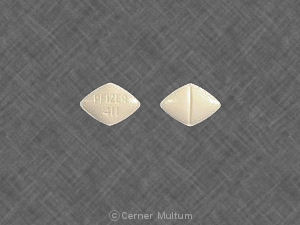
Glucotrol
Generic name: glipizide [ GLIP-i-zide ]
Other brand names of glipizide include: Glucotrol, Glucotrol XL
Drug class: Sulfonylureas
What is Glucotrol?
Glucotrol is an oral diabetes medicine that helps control blood sugar levels by helping your pancreas produce insulin.
Glucotrol is used together with diet and exercise to improve blood sugar control in adults with type 2 diabetes mellitus.
Glucotrol is not for treating type 1 diabetes.
Warnings
You should not use Glucotrol if you have diabetic ketoacidosis (call your doctor for treatment).
Before taking Glucotrol, tell your doctor if you have kidney or liver disease, chronic diarrhea or a blockage in your intestines, glucose-6-phosphate dehydrogenase deficiency (G6PD), a disorder of your pituitary or adrenal glands, a history of heart disease, or if you are malnourished.
Before taking this medicine
You should not use Glucotrol if you are allergic to glipizide, or if you have diabetic ketoacidosis (call your doctor for treatment).
Tell your doctor if you have ever had:
-
liver or kidney disease;
-
chronic diarrhea, or a blockage in your intestines; or
-
an enzyme deficiency called glucose-6-phosphate dehydrogenase deficiency (G6PD).
Follow your doctor's instructions about using Glucotrol if you are pregnant or you become pregnant. Controlling diabetes is very important during pregnancy, and having high blood sugar may cause complications in both the mother and the baby. However, you may need to stop taking Glucotrol for a short time just before your due date.
It may not be safe to breastfeed while using this medicine. Ask your doctor about any risk.
How should I take Glucotrol?
Take Glucotrol exactly as prescribed by your doctor. Follow all directions on your prescription label. Your doctor may occasionally change your dose. Do not take this medicine in larger or smaller amounts or for longer than recommended.
Take the regular tablet 30 minutes before your first meal of the day.
Take the Glucotrol XL extended-release tablet with your first meal of the day. Swallow the tablet whole and do not crush, chew, or break it.
Your blood sugar will need to be checked often, and you may need other blood tests at your doctor's office.
Low blood sugar (hypoglycemia) can happen to everyone who has diabetes. Symptoms include headache, hunger, sweating, irritability, dizziness, nausea, fast heart rate, and feeling anxious or shaky. To quickly treat low blood sugar, always keep a fast-acting source of sugar with you such as fruit juice, hard candy, crackers, raisins, or non-diet soda.
Your doctor can prescribe a glucagon emergency injection kit to use in case you have severe hypoglycemia and cannot eat or drink. Be sure your family and close friends know how to give you this injection in an emergency.
Also watch for signs of high blood sugar (hyperglycemia) such as increased thirst or urination, blurred vision, headache, and tiredness.
Blood sugar levels can be affected by stress, illness, surgery, exercise, alcohol use, or skipping meals. Ask your doctor before changing your dose or medication schedule.
When you take Glucotrol XL you may see something in your stool that looks like a tablet. This is the empty shell from the tablet. It is normal for the empty shell to pass with your bowel movement after medicine has been absorbed by your body.
Store at room temperature away from moisture, heat, and light.
Dosing information
Usual Adult Dose of Glucotrol for Diabetes Type 2:
Immediate release:
Initial dose: 5 mg orally once a day, 30 minutes before breakfast
Maintenance dose: Up to 40 mg in divided doses 30 minutes before a meal of adequate caloric content. Doses may be increased in intervals of 2.5 to 5 mg a day according to blood glucose response.
Maximum single dose: 15 mg
Maximum daily dose: 40 mg
Comments:
-At least several days should elapse between titration steps.
-If response to a single dose is not satisfactory, dividing that dose may prove effective.
Extended Release:
Initial dose: 5 mg orally once a day, 30 minutes before breakfast
Maintenance dose: 5 to 10 mg orally once a day
Maximum daily dose: 20 mg
Patients receiving immediate release may be switched safely to extended release tablets once-a-day at the nearest equivalent total daily dose, or titrate to the appropriate extended release dose starting with 5 mg once daily.
Combination use:
-When adding other blood-glucose-lowering agents to the extended release tablets, the agent should be initiated at the lowest recommended dose. Observe for hypoglycemia.
-When adding extended release tablets to other blood-glucose-lowering agents, Glucotrol XL extended release can be initiated at 5 mg. Start at a lower dose in patients that are more sensitive to hypoglycemia.
When transferring patients from insulin to glipizide, the following general guidelines should be considered:
-For patients with daily insulin doses of 20 units or less: Discontinue insulin and begin glipizide at usual dosages.
-For patients with daily insulin doses greater than 20 units: Insulin dose should be reduced by 50% and glipizide therapy may begin at usual dosages.
Comments:
-Several days should elapse between titration steps.
-Subsequent reductions in insulin dosage should depend on individual patient response.
-During the insulin withdrawal period, the patient should test urine samples for sugar and ketone bodies at least three times daily.
-Some patients receiving greater than 40 units of insulin daily may need to consider hospitalization during the transition period.
Patients Receiving Other Oral Hypoglycemic Agents:
-When transferring from longer half-life sulfonylureas: Observe for 1 to 2 weeks for hypoglycemia.
-Glucotrol XL extended release coadministered with colesevelam: Glipizide should be administered at least 4 hours prior to colesevelam.
Use: Adjunct to diet and exercise to improve glycemic control in adults with type 2 diabetes mellitus.
Usual Geriatric Dose of Glucotrol for Diabetes Type 2:
Initial dose: 2.5 mg orally once a day 30 minutes before breakfast
Comments:
-Maintenance dosing should be conservative to avoid hypoglycemic reactions.
-Doses can be adjusted with caution taking into account the degree of hepatic, renal, or cardiac function, and the concomitant disease or other drug therapy.
Use: Adjunct to diet and exercise to improve glycemic control in adults with type 2 diabetes mellitus.
What happens if I miss a dose?
Take your dose as soon as you can, but only if you are getting ready to eat a meal. If you skip a meal, skip the missed dose and wait until your next meal. Do not take two doses at one time.
Get your prescription refilled before you run out of medicine completely.
What happens if I overdose?
Seek emergency medical attention or call the Poison Help line at 1-800-222-1222. A glipizide overdose can cause life-threatening hypoglycemia.
Symptoms of severe hypoglycemia include extreme weakness, blurred vision, sweating, trouble speaking, tremors, stomach pain, confusion, and seizure (convulsions).
What to avoid
Avoid drinking alcohol. It lowers blood sugar and can cause side effects.
Avoid driving or operating machinery until you know how glipizide will affect you.
Glucotrol side effects
Get emergency medical help if you have signs of an allergic reaction to Glucotrol: hives; difficulty breathing; swelling of your face, lips, tongue, or throat.
Call your doctor at once if you have symptoms of low blood sugar:
-
headache, irritability
-
sweating, fast heart rate;
-
dizziness, nausea; or
-
hunger, feeling anxious or shaky.
Common Glucotrol side effects may include:
-
diarrhea, constipation, gas;
-
dizziness, drowsiness;
-
tremors; or
-
skin rash, redness, or itching.
This is not a complete list of side effects and others may occur. Call your doctor for medical advice about side effects. You may report side effects to FDA at 1-800-FDA-1088.
Related/similar drugs
What other drugs will affect Glucotrol?
Sometimes it is not safe to use certain medications at the same time. Some drugs can affect your blood levels of other drugs you take, which may increase side effects or make the medications less effective.
Many drugs can interact with glipizide. This includes prescription and over-the-counter medicines, vitamins, and herbal products. Not all possible interactions are listed here. Tell your doctor about all your current medicines and any medicine you start or stop using.
More about Glucotrol (glipizide)
- Check interactions
- Compare alternatives
- Reviews (10)
- Drug images
- Side effects
- Dosage information
- During pregnancy
- Drug class: sulfonylureas
- Breastfeeding
Professional resources
Other brands
Other formulations
Related treatment guides
Further information
Remember, keep this and all other medicines out of the reach of children, never share your medicines with others, and use Glucotrol only for the indication prescribed.
Always consult your healthcare provider to ensure the information displayed on this page applies to your personal circumstances.
Copyright 1996-2025 Cerner Multum, Inc. Version: 13.01.