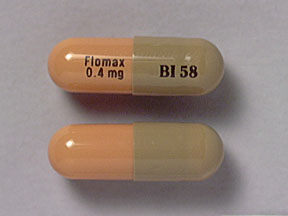
Flomax Side Effects
Generic name: tamsulosin
Medically reviewed by Drugs.com. Last updated on May 30, 2025.
Note: This document provides detailed information about Flomax Side Effects associated with tamsulosin. Some dosage forms listed on this page may not apply specifically to the brand name Flomax.
Applies to tamsulosin: oral capsule.
Precautions
It is very important that your doctor check your progress at regular visits to make sure that this medicine is working properly and to check for unwanted effects.
Dizziness, lightheadedness, or fainting may occur after you take this medicine, especially when you get up from a lying or sitting position. Getting up slowly may help lessen this problem. If you feel dizzy, lie down so you do not faint. Then sit for a few moments before standing to prevent the dizziness from returning.
Because tamsulosin (the active ingredient contained in Flomax) may cause some people to become dizzy or feel faint, make sure you know how you react to this medicine before you drive, use machines, or do anything else that could be dangerous if you are dizzy or not alert.
This medicine may rarely cause a severe allergic reaction (swelling of face, tongue, or throat, difficulty breathing, and blistering of the skin. Check with your doctor immediately if this occurs.
You should seek medical attention right away if you experience a prolonged erection while using this medicine. This is an extremely rare unwanted effect that must be treated right away to prevent permanent erectile damage (impotence).
If you plan to have cataract or glaucoma surgery, tell your eye doctor (ophthalmologist) that you are taking this medicine or that you used this medicine in the past 9 months. A serious eye problem called Intraoperative Floppy Iris Syndrome (IFIS) has occurred in some patients who were taking this medicine or who had recently taken this medicine when they had cataract or glaucoma surgery.
Do not take other medicines unless they have been discussed with your doctor. This includes prescription or nonprescription (over-the-counter [OTC]) medicines and herbal or vitamin supplements.
Serious side effects of Flomax
Along with its needed effects, tamsulosin may cause some unwanted effects. Although not all of these side effects may occur, if they do occur they may need medical attention.
Check with your doctor immediately if any of the following side effects occur while taking tamsulosin:
More common side effects
- cough or hoarseness
- fever or chills
- lower back or side pain
- painful or difficult urination
Less common side effects
- chest pain
Rare side effects
- dizziness or lightheadedness
- dizziness, faintness, or lightheadedness when getting up suddenly from a lying or sitting position
- fainting
- feeling of constant movement of self or surroundings
- painful or prolonged erection of the penis
- sensation of spinning
Incidence not known
- blistering, peeling, or loosening of the skin
- blurred vision
- confusion
- diarrhea
- difficult or labored breathing
- fast, pounding, or irregular heartbeat or pulse
- itching
- joint or muscle pain
- large, hive-like swelling on the face, eyelids, lips, tongue, throat, hands, legs, feet, or sex organs
- red skin lesions, often with a purple center
- red, irritated eyes
- sore throat
- sores, ulcers, or white spots in the mouth or on the lips
- sweating
- tightness of the chest
- unusual tiredness or weakness
Other side effects of Flomax
Some side effects of tamsulosin may occur that usually do not need medical attention. These side effects may go away during treatment as your body adjusts to the medicine. Also, your health care professional may be able to tell you about ways to prevent or reduce some of these side effects.
Check with your health care professional if any of the following side effects continue or are bothersome or if you have any questions about them:
More common side effects
- abnormal ejaculation
- back pain
- body aches or pain
- congestion
- headache
- lack or loss of strength
- sneezing
- stuffy or runny nose
- tender, swollen glands in the neck
- trouble swallowing
- voice changes
Less common side effects
- decreased interest in sexual intercourse
- decreased sexual drive or performance
- drowsiness
- inability to have or keep an erection
- increased cough
- loss in sexual ability, desire, drive, or performance
- nausea
- pain or tenderness around the eyes and cheekbones
- sleepiness or unusual drowsiness
- tooth disorder
- trouble sleeping
Incidence not known
- constipation
- hives or welts, skin rash
- redness of the skin
- vomiting
See also:
For healthcare professionals
Applies to tamsulosin: oral capsule.
General adverse events
The most commonly reported side effects were abnormal ejaculation, influenza-like symptoms, headache, dizziness, and rhinitis.[Ref]
Immunologic
- Very common (10% or more): Infection (up to 10.8%)
- Uncommon (0.1% to 1%): Flu like symptoms
- Rare (less than 0.1%): Angioedema[Ref]
Cardiovascular
- Common (1% to 10%): Chest pain
- Uncommon (0.1% to 1%): Orthostatic hypotension
- Rare (less than 0.1%): Syncope
- Postmarketing reports: Palpitations, hypotension, atrial fibrillation, arrhythmia, tachycardia[Ref]
Dermatologic
- Uncommon (0.1% to 1%): Rash, pruritus, urticaria
- Postmarketing reports: Stevens-Johnson syndrome, erythema multiforme, exfoliative dermatitis, skin desquamation[Ref]
Nervous system
- Very common (10% or more): Headache (21%), dizziness (17%)
- Common (1% to 10%): Somnolence, insomnia
- Frequency not reported: Vertigo[Ref]
Genitourinary
- Very common (10% or more): Abnormal ejaculation (18%)
- Common (1% to 10%): Ejaculation disorders (e.g., retrograde ejaculation, ejaculation failure), decreased libido
- Uncommon (0.1% to 1%): Semen volume reduced, ejaculation delayed
- Postmarketing reports: Priapism[Ref]
Respiratory
- Very common (10% or more): Rhinitis (up to 17.9%)
- Common (1% to 10%): Pharyngitis, Increased cough, sinusitis
- Uncommon (0.1% to 1%): Nasal congestion
- Postmarketing reports: Dyspnea, epistaxis[Ref]
Musculoskeletal
- Common (1% to 10%): Back pain[Ref]
Gastrointestinal
- Common (1% to 10%): Diarrhea, nausea, tooth disorder
- Uncommon (0.1% to 1%): Constipation, vomiting
- Frequency not reported: Dry mouth[Ref]
Ocular
- Common (1% to 10%): Blurred vision
- Postmarketing reports: Visual impairment, intraoperative Floppy Iris Syndrome (IFIS)[Ref]
Other
- Common (1% to 10%): Asthenia
- Uncommon (0.1% to 1%): Fatigue[Ref]
Psychiatric
- Common (1% to 10%): Insomnia[Ref]
References
1. (2001) "Product Information. Flomax (tamsulosin)." Boehringer-Ingelheim
2. Cerner Multum, Inc. "UK Summary of Product Characteristics."
3. Cerner Multum, Inc. "Australian Product Information."
More about Flomax (tamsulosin)
- Check interactions
- Compare alternatives
- Pricing & coupons
- Reviews (299)
- Drug images
- Dosage information
- Patient tips
- During pregnancy
- Support group
- Drug class: alpha blockers
- Breastfeeding
- En español
Patient resources
Professional resources
Related treatment guides
Further information
Flomax side effects can vary depending on the individual. Always consult your healthcare provider to ensure the information displayed on this page applies to your personal circumstances.
Note: Medication side effects may be underreported. If you are experiencing side effects that are not listed, submit a report to the FDA by following this guide.