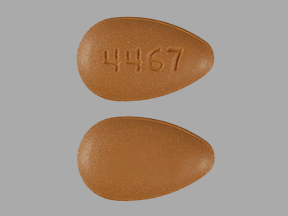
Adcirca
Generic name: tadalafil [ ta-DAL-a-fil ]
Drug class: Agents for pulmonary hypertension
What is Adcirca?
Adcirca relaxes muscles of the blood vessels and increases blood flow to particular areas of the body.
Adcirca is used to treat pulmonary arterial hypertension and improve exercise capacity in men and women.
Another brand of tadalafil is Cialis which used to treat erectile dysfunction (impotence) and symptoms of benign prostatic hypertrophy (enlarged prostate) in men. Do not take Adcirca while also taking Cialis, unless your doctor tells you to.
Warnings
Taking Adcirca with certain other medicines can cause a sudden and serious decrease in blood pressure.
Do not take Adcirca if you also use riociguat, or a nitrate drug such as nitroglycerin, isosorbide dinitrate, isosorbide mononitrate, or recreational drugs such as "poppers."
Get medical help at once if you have nausea, chest pain, or dizziness during sex.
Stop using Adcirca and get emergency medical help if you have sudden vision loss.
Before taking this medicine
You should not take Adcirca if you are allergic to tadalafil, or:
-
if you take other medicines to treat pulmonary arterial hypertension, such as riociguat (Adempas).
Do not take Adcirca if you are also using a nitrate drug for chest pain or heart problems. This includes nitroglycerin, isosorbide dinitrate, and isosorbide mononitrate. Nitrates are also found in some recreational drugs such as amyl nitrate, butyl nitrate or nitrite ("poppers"). Taking tadalafil with a nitrate medicine can cause a sudden and serious decrease in blood pressure.
Some tadalafil can remain in your bloodstream for 2 or more days after each dose you take (longer if you have liver or kidney disease). Avoid nitrate use during this time.
To make sure this medicine is safe for you, tell your doctor if you have ever had:
-
heart problems (chest pain, a heart rhythm disorder, heart failure);
-
a heart attack or stroke;
-
high or low blood pressure;
-
liver disease;
-
kidney disease (or if you are on dialysis);
-
retinitis pigmentosa (an inherited condition of the eye);
-
blindness in one or both eyes;
-
hearing problems;
-
blood circulation problems;
-
a blood cell disorder such as sickle cell anemia, multiple myeloma, or leukemia;
-
pulmonary veno-occlusive disease (PVOD);
-
a physical deformity of the penis (such as Peyronie's disease), or an erection lasting longer than 4 hours;
-
a stomach ulcer; or
-
health problems that make sexual activity unsafe.
A small number of people taking tadalafil have had sudden vision loss. Most of these people already had eye problems, or had diabetes or other health conditions that can affect blood vessels in the eyes. It is not clear whether tadalafil causes vision loss.
Do not start or stop taking Adcirca during pregnancy without your doctor's advice. Having pulmonary arterial hypertension (PAH) during pregnancy may cause heart failure, stroke, or other medical problems in both mother and baby. Tell your doctor right away if you become pregnant.
It may not be safe to breastfeed while using Adcirca. Ask your doctor about any risk.
Adcirca is not approved for use by anyone younger than 18 years old.
How should I take Adcirca?
Adcirca is usually taken only once per day. Follow all directions on your prescription label. Do not take this medicine in larger or smaller amounts or for longer than recommended.
Adcirca can be taken with or without food. You may need to take two 20mg tablets for a full dose. Take both tablets one after the other. Do not split the dose
Do not take Cialis for erectile dysfunction if you are taking Adcirca for pulmonary arterial hypertension.
Do not change your Adcirca dose or stop taking this medicine without your doctor's advice.
Store at room temperature away from moisture and heat.
Dosing information
Usual Adult Dose for Pulmonary Hypertension:
40 mg orally once a day, with or without food.
Comment: Dividing the 40 mg dose over the course of the day is not recommended.
What happens if I miss a dose?
If you miss a dose of Adcirca, take the medicine as soon as you can, but skip the missed dose if it is almost time for your next dose. Do not take two doses at one time.
What happens if I overdose?
Seek emergency medical attention or call the Poison Help line at 1-800-222-1222.
What to avoid
Avoid drinking alcohol. It may increase your risk of dizziness or fainting.
Grapefruit may interact with tadalafil and lead to unwanted side effects. Avoid the use of grapefruit products.
Adcirca side effects
Get emergency medical help if you have signs of an allergic reaction to Adcirca: hives; difficulty breathing; swelling of your face, lips, tongue, or throat.
Stop using this medicine and call your doctor at once if you have:
-
heart attack symptoms - chest pain or pressure, pain spreading to your jaw or shoulder, nausea, sweating;
-
vision changes or sudden vision loss;
-
ringing in your ears or sudden hearing loss; or
-
an erection is painful or lasts longer than 4 hours (prolonged erection can damage the penis).
Stop and get medical help at once if you have nausea, chest pain, or dizziness during sex. You could be having a life-threatening side effect.
Common Adcirca side effects may include:
-
flushing (warmth, redness, or tingly feeling);
-
nausea, upset stomach;
-
runny or stuffy nose; or
-
muscle pain, back pain, pain in your arms, legs, or back.
This is not a complete list of side effects and others may occur. Call your doctor for medical advice about side effects. You may report side effects to FDA at 1-800-FDA-1088.
What other drugs will affect Adcirca?
Do not take Adcirca with similar medications such as avanafil (Stendra), sildenafil (Viagra) or vardenafil (Levitra). Tell your doctor about all other medications you use for erectile dysfunction.
Tell your doctor about all your other medicines, especially:
-
medicines to treat erectile dysfunction or pulmonary arterial hypertension;
-
drugs to treat high blood pressure or a prostate disorder;
-
an antibiotic such as clarithromycin, erythromycin, rifampin, or telithromycin;
-
antifungal medicine such as ketoconazole or itraconazole;
-
medicine to treat HIV/AIDS, such as ritonavir and others; or
-
seizure medicine such as carbamazepine or phenytoin.
This list is not complete. Other drugs may interact with tadalafil, including prescription and over-the-counter medicines, vitamins, and herbal products. Not all possible drug interactions are listed here.
Frequently asked questions
More about Adcirca (tadalafil)
- Check interactions
- Compare alternatives
- Pricing & coupons
- Reviews (6)
- Drug images
- Side effects
- Dosage information
- During pregnancy
- Generic availability
- FDA approval history
- Drug class: agents for pulmonary hypertension
- Breastfeeding
- En español
Patient resources
Other brands
Professional resources
Other brands
Related treatment guides
Further information
Remember, keep this and all other medicines out of the reach of children, never share your medicines with others, and use Adcirca only for the indication prescribed.
Always consult your healthcare provider to ensure the information displayed on this page applies to your personal circumstances.
Copyright 1996-2024 Cerner Multum, Inc. Version: 13.01.