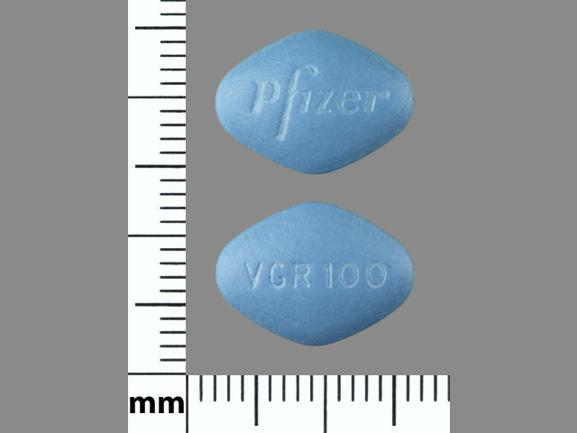
Viagra
Generic name: sildenafil (oral) [ sil-DEN-a-fil ]
Other brand names of sildenafil (oral) include: Revatio, Viagra
Drug class: Impotence agents
What is Viagra?
Viagra relaxes muscles found in the walls of blood vessels and increases blood flow to particular areas of the body.
Viagra is used to treat erectile dysfunction (impotence) in men. Another brand of sildenafil is Revatio, which is used to treat pulmonary arterial hypertension and improve exercise capacity in men and women. This page contains specific information for Viagra, not Revatio.
Do not take Viagra while also taking Revatio, unless your doctor tells you to.
Warnings
Some medicines can cause unwanted or dangerous effects when used with Viagra. Tell your doctor about all your current medicines, especially riociguat (Adempas) and nitrates.
Do not take Viagra if you are also using a nitrate drug for chest pain or heart problems, including nitroglycerin, isosorbide dinitrate, isosorbide mononitrate, and some recreational drugs such as "poppers". Taking sildenafil with a nitrate medicine can cause a sudden and serious decrease in blood pressure.
Contact your doctor or seek emergency medical attention if your erection is painful or lasts longer than 4 hours. A prolonged erection (priapism) can damage the penis.
Stop using Viagra and get emergency medical help if you have sudden vision loss.
Before taking this medicine
You should not use Viagra if you are allergic to sildenafil, or:
-
if you take other medicines to treat pulmonary arterial hypertension, such as riociguat (Adempas).
-
if you take nitrates.
Do not take Viagra if you are also using a nitrate drug for chest pain or heart problems. This includes nitroglycerin, isosorbide dinitrate, and isosorbide mononitrate. Nitrates are also found in some recreational drugs such as amyl nitrate or nitrite ("poppers"). Taking sildenafil with a nitrate medicine can cause a sudden and serious decrease in blood pressure.
To make sure Viagra is safe for you, tell your doctor if you have ever had:
-
heart disease or heart rhythm problems, coronary artery disease;
-
a heart attack, stroke, or congestive heart failure;
-
high or low blood pressure;
-
liver or kidney disease;
-
a blood cell disorder such as sickle cell anemia, multiple myeloma, or leukemia;
-
a bleeding disorder such as hemophilia;
-
a stomach ulcer;
-
retinitis pigmentosa (an inherited condition of the eye);
-
a physical deformity of the penis (such as Peyronie's disease); or
-
if you have been told you should not have sexual intercourse for health reasons.
Viagra can decrease blood flow to the optic nerve of the eye, causing sudden vision loss. This has occurred in a small number of people taking sildenafil, most of whom also had heart disease, diabetes, high blood pressure, high cholesterol, or certain pre-existing eye problems, and in those who smoked or were over 50 years old. It is not clear whether sildenafil is the actual cause of vision loss.
Viagra is not expected to harm an unborn baby. Tell your doctor if you are pregnant or plan to become pregnant.
It is not known whether sildenafil passes into breast milk or if it could harm a nursing baby. Tell your doctor if you are breast-feeding a baby.
Do not give this medicine to anyone under 18 years old without medical advice.
How should I take Viagra?
Take Viagra exactly as it was prescribed for you. Follow all directions on your prescription label. Do not take this medicine in larger or smaller amounts or for longer than recommended.
Viagra is usually taken only when needed, 30 minutes to 1 hour before sexual activity. You may take it up to 4 hours before sexual activity. Do not take Viagra more than once per day.
Viagra can help you have an erection when sexual stimulation occurs. An erection will not occur just by taking a pill. Follow your doctor's instructions.
During sexual activity, if you become dizzy or nauseated, or have pain, numbness, or tingling in your chest, arms, neck, or jaw, stop and call your doctor right away. You could be having a serious side effect of sildenafil.
Store at room temperature away from moisture and heat.
What happens if I miss a dose?
Since Viagra is used as needed, you are not likely to miss a dose.
What happens if I overdose?
Seek emergency medical attention or call the Poison Help line at 1-800-222-1222.
What to avoid
Drinking alcohol with this medicine can cause side effects.
Grapefruit and grapefruit juice may interact with sildenafil and lead to unwanted side effects. Avoid the use of grapefruit products while taking sildenafil.
Avoid using any other medicines to treat impotence, such as alprostadil or yohimbine, without first talking to your doctor.
Viagra side effects
Get emergency medical help if you have signs of an allergic reaction to Viagra: hives; difficulty breathing; swelling of your face, lips, tongue, or throat.
Stop taking Viagra and get emergency medical help if you have:
-
heart attack symptoms--chest pain or pressure, pain spreading to your jaw or shoulder, nausea, sweating;
-
vision changes or sudden vision loss; or
-
erection is painful or lasts longer than 4 hours (prolonged erection can damage the penis).
Call your doctor at once if you have:
-
ringing in your ears, or sudden hearing loss;
-
irregular heartbeat;
-
swelling in your hands, ankles, or feet;
-
shortness of breath;
-
seizure (convulsions); or
-
a light-headed feeling, like you might pass out.
Common Viagra side effects may include:
-
flushing (warmth, redness, or tingly feeling);
-
headache, dizziness;
-
abnormal vision (blurred vision, changes in color vision)
-
runny or stuffy nose, nosebleeds;
-
sleep problems (insomnia);
-
muscle pain, back pain; or
-
upset stomach.
This is not a complete list of side effects and others may occur. Call your doctor for medical advice about side effects. You may report side effects to FDA at 1-800-FDA-1088.
Related/similar drugs
What other drugs will affect Viagra?
Do not take Viagra with similar medications such as avanafil (Stendra), tadalafil (Cialis) or vardenafil (Levitra). Tell your doctor about all other medications you use for erectile dysfunction.
Tell your doctor about all your current medicines and any you start or stop using, especially:
-
drugs to treat high blood pressure or a prostate disorder;
-
an antibiotic - clarithromycin, erythromycin, or telithromycin;
-
antifungal medicine - ketoconazole or itraconazole; or
-
medicine to treat HIV/AIDS - atazanavir, indinavir, ritonavir, or saquinavir;
-
nitrates;
-
medications used to treat pulmonary artery hypertension.
This list is not complete. Other drugs may interact with sildenafil, including prescription and over-the-counter medicines, vitamins, and herbal products. Not all possible interactions are listed in this medication guide.
Popular FAQ
Can you take Viagra with high blood pressure?
You can take Viagra (sildenafil) if you have high blood pressure that is controlled by blood pressure medications. Caution is warranted in some cases. You should tell your doctor if you have high or low blood pressure before starting Viagra. Continue reading
How long does Viagra last and how soon does it work?
It takes from 30 minutes to 1 hour for Viagra (sildenafil) to start working, and the effects will last for about 4 hours. Continue reading
Can women take Viagra?
Viagra (sildenafil) is approved to treat sexual dysfunction in men by the U.S. Food and Drug Administration (FDA), but it is sometimes prescribed to women off-label, which means without approval by the FDA. Viagra is an effective drug for treating male erectile dysfunction, but it targets sexual performance, not sexual arousal. There is limited evidence that Viagra may be beneficial for women with sexual dysfunction, but the trials have been small and the results inconsistent.
Continue readingCan I buy generic Viagra online?
The safest way to get a prescription for Viagra is from your doctor. You can even do this over a telehealth call (on the phone or computer) in many cases, although for your first prescription your doctor may want to examine you. Viagra and its generic options can be shipped from verified digital pharmacies in the U.S. Use caution as there are reports of counterfeit online Viagra for sale in the U.S. Continue reading
More FAQ
- Cialis vs Viagra - What's the difference between them?
- Do you know these 11 amazing facts about Viagra?
- Is generic Viagra available in the U.S.?
- Does generic Viagra work just like regular Viagra?
- Are there any drug interactions between prednisone and Viagra?
More about Viagra (sildenafil)
- Check interactions
- Compare alternatives
- Pricing & coupons
- Reviews (256)
- Drug images
- Latest FDA alerts (15)
- Side effects
- Dosage information
- Patient tips
- During pregnancy
- Generic availability
- Support group
- Drug class: impotence agents
- Breastfeeding
- En español
Patient resources
Other brands
Professional resources
Other brands
Related treatment guides
Further information
Remember, keep this and all other medicines out of the reach of children, never share your medicines with others, and use Viagra only for the indication prescribed.
Always consult your healthcare provider to ensure the information displayed on this page applies to your personal circumstances.
Copyright 1996-2025 Cerner Multum, Inc. Version: 12.01. PFM