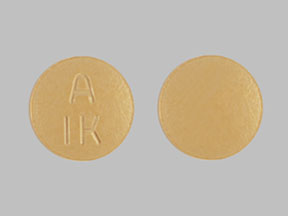
Dutoprol Side Effects
Generic name: hydrochlorothiazide / metoprolol
Medically reviewed by Drugs.com. Last updated on May 20, 2025.
Note: This document provides detailed information about Dutoprol Side Effects associated with hydrochlorothiazide / metoprolol. Some dosage forms listed on this page may not apply specifically to the brand name Dutoprol.
Applies to hydrochlorothiazide / metoprolol: oral tablet.
Precautions
It is very important that your doctor check your progress at regular visits to make sure this medicine is working properly and to check for unwanted effects. Blood and urine tests may be needed to check for unwanted effects.
This medicine may worsen the symptoms of heart failure in some patients. Check with your doctor right away if you are having chest pain or discomfort, dilated neck veins, extreme fatigue, irregular breathing, an uneven heartbeat, swelling of the face, fingers, feet, or lower legs, or weight gain.
This medicine may cause changes in blood sugar levels. Also, this medicine may cover up the symptoms of low blood sugar, including rapid pulse rate. Check with your doctor if you notice a change in your normal symptoms or a change in the results of your blood or urine sugar tests. Call your doctor right away if you have anxiety, blurred vision, chills, cold sweats, coma, confusion, cool, pale skin, depression, dizziness, fast heartbeat, headache, increased hunger, nausea, nervousness, nightmares, seizures, shakiness, slurred speech, or unusual tiredness or weakness.
This medicine may increase your risk of getting skin cancer (eg, non-melanoma skin cancer). Avoid sun exposure. Use a sunscreen when you are outdoors. Avoid sunlamps and tanning beds. Talk to your doctor if you have concerns about this risk.
Make sure any doctor or dentist who treats you knows that you are using this medicine. Do not Stop taking hydrochlorothiazide/metoprolol before surgery without your doctor's approval.
This medicine may cause some people to become less alert than they are normally. If this side effect occurs, do not drive, use machines, or do anything else that could be dangerous if you are not alert while taking this medicine.
Do not interrupt or Stop taking hydrochlorothiazide / metoprolol without first checking with your doctor. Your doctor may want you to gradually reduce the amount you are taking before stopping it completely. Some conditions may become worse when the medicine is stopped suddenly, which can be dangerous.
Check with your doctor right away if you start having dry mouth, increased thirst, muscle cramps, nausea or vomiting, unusual tiredness or weakness, severe drowsiness or dizziness, seizures, a decrease in urine, or a fast heartbeat while you are using this medicine. These may be symptoms of dehydration or mineral imbalance.
Check with your doctor immediately if blurred vision, difficulty in reading, eye pain, or any other change in vision occurs during or after treatment. This could be a sign of a serious eye problem. Your doctor will want you to have your eyes checked by an ophthalmologist (eye doctor).
Some men who use this medicine may cause erectile dysfunction. Check with your doctor right away if you have decreased interest in sexual intercourse, inability to have or keep an erection, or loss in sexual ability, drive, or performance. If you have questions about this, talk to your doctor.
Alcohol, narcotic pain relievers, or sleeping pills may cause you to feel more lightheaded, dizzy, or faint when used with this medicine. Tell your doctor if you are drinking alcohol or using pain relievers or sleeping pills.
Do not take other medicines unless they have been discussed with your doctor. This especially includes prescription or nonprescription (over-the-counter) medicines for appetite control, asthma, colds, cough, hay fever, or sinus problems, since they may increase your blood pressure.
Serious side effects of Dutoprol
Along with its needed effects, hydrochlorothiazide / metoprolol may cause some unwanted effects. Although not all of these side effects may occur, if they do occur they may need medical attention.
Check with your doctor immediately if any of the following side effects occur while taking hydrochlorothiazide / metoprolol:
More common side effects
- chest pain or discomfort
- decreased urine
- dry mouth
- increased thirst
- lightheadedness, dizziness, or fainting
- loss of appetite
- mood changes
- muscle pain or cramps
- nausea or vomiting
- numbness or tingling in the hands, feet, or lips
- seizures
- slow or irregular heartbeat
- unusual tiredness or weakness
Less common side effects
- ankle, knee, or great toe joint pain
- chest tightness
- decreased ability to exercise
- difficult or labored breathing
- joint stiffness or swelling
- lower back or side pain
- swelling of the face, fingers, feet, or lower legs
Incidence not known
- persistent non-healing sore
- pink growth
- reddish patch or irritated area
- shiny bump
- white, yellow or waxy scar-like area
Get emergency help immediately if any of the following symptoms of overdose occur while taking hydrochlorothiazide / metoprolol:
Symptoms of overdose
- blurred vision
- burning, crawling, itching, numbness, prickling, "pins and needles", or tingling feelings
- chemical imbalance in the blood
- cold, clammy skin
- coma
- confusion
- cough
- dilated neck veins
- dizziness, faintness, or lightheadedness when getting up suddenly from a lying or sitting position
- drowsiness
- fast or pounding heartbeat or pulse
- frequent urination
- headache
- increased volume of pale, dilute urine
- irregular breathing
- irritability
- noisy breathing
- not able to pass urine
- pain or aching in the lower legs
- pain or weakness in the hands or feet
- sweating
- trembling
- unconsciousness
- very drowsy or sleepy
- weak pulse
- weakness and heaviness of the legs
- weight gain
Other side effects of Dutoprol
Some side effects of hydrochlorothiazide / metoprolol may occur that usually do not need medical attention. These side effects may go away during treatment as your body adjusts to the medicine. Also, your health care professional may be able to tell you about ways to prevent or reduce some of these side effects.
Check with your health care professional if any of the following side effects continue or are bothersome or if you have any questions about them:
More common side effects
- chills
- diarrhea
- feeling of constant movement of self or surroundings
- fever
- general feeling of discomfort or illness
- muscle aches
- nightmares
- runny nose
- sensation of spinning
- shivering
- sleepiness
- sore throat
- trouble sleeping
- unusual drowsiness, dullness, or feeling of sluggishness
Less common side effects
- continuing ringing or buzzing or other unexplained noise in the ears
- decreased interest in sexual intercourse
- difficulty having a bowel movement (stool)
- earache
- hearing loss
- inability to have or keep an erection
- loss in sexual ability, desire, drive, or performance
- pinpoint red or purple spots on the skin
- weight loss
See also:
Lasix
Lasix is a loop diuretic used to treat fluid retention from heart, liver, or kidney conditions, and ...
Enalapril
Enalapril is used to treat high blood pressure, congestive heart failure and to improve survival ...
Ozempic
Learn about Ozempic (semaglutide) for type 2 diabetes treatment, weight management, cardiovascular ...
Valsartan
Valsartan is an angiotensin II receptor blocker (ARB) that may be used to treat high blood pressure ...
Hydrochlorothiazide
HCTZ (hydrochlorothiazide) used to treat high blood pressure (hypertension) and edema. Includes ...
Atenolol
Atenolol is used to treat angina (chest pain) and hypertension (high blood pressure). Learn about ...
Furosemide
Furosemide is a loop diuretic used to treat fluid retention and high blood pressure by increasing ...
Metoprolol
Metoprolol is used to treat angina (chest pain) and hypertension (high blood pressure). Learn about ...
Losartan
Losartan is used to treat high blood pressure (hypertension). It is also used to lower the risk of ...
Lisinopril
Lisinopril is an ACE inhibitor. It is used to treat high blood pressure, congestive heart failure ...
For healthcare professionals
Applies to hydrochlorothiazide / metoprolol: oral tablet, oral tablet extended release.
General adverse events
The most common side effects were fatigue, lethargy, flu syndrome, dizziness, vertigo, drowsiness, somnolence, and headache.[Ref]
Gastrointestinal
- Common (1% to 10%): Diarrhea, digestive disorder, dry mouth, nausea, vomiting, constipation
Hydrochlorothiazide:
- Frequency not reported: Sialadenitis, vomiting, diarrhea, cramping, nausea, gastric irritation, constipation
Metoprolol:
- Common (1% to 10%): Diarrhea, nausea, gastric pain, constipation, flatulence, heartburn
- Frequency not reported: Vomiting, retroperitoneal fibrosis
- Postmarketing reports: Dry mouth[Ref]
Nervous system
- Common (1% to 10%): Lethargy, dizziness, drowsiness, somnolence, headache, tinnitus
Hydrochlorothiazide:
- Frequency not reported: Dizziness, headache, paresthesia
Metoprolol:
- Common (1% to 10%): Tiredness, dizziness
- Frequency not reported: Short-term memory loss, headache
- Postmarketing reports: Somnolence, paresthesia, syncope, taste disturbance[Ref]
Other
- Common (1% to 10%): Fatigue, vertigo, exercise tolerance decreased, edema, earache
Hydrochlorothiazide:
- Frequency not reported: Vertigo, weakness
- Postmarketing reports: Fever
Metoprolol:
- Frequency not reported: Fatigue
- Postmarketing reports: Lactic dehydrogenase elevation, alkaline phosphatase elevation, blood triglycerides increased, high-density lipoprotein decreased, tinnitus[Ref]
Metabolic
- Common (1% to 10%): Hypokalemia, gout, anorexia
Hydrochlorothiazide:
- Frequency not reported: Anorexia, hyperglycemia, hyperuricemia, hypokalemia
Metoprolol:
- Frequency not reported: Weight gain[Ref]
Dermatologic
- Common (1% to 10%): Sweating, purpura
Hydrochlorothiazide:
- Frequency not reported: Stevens-Johnson syndrome, purpura, urticaria, rash, photosensitivity
- Postmarketing reports: Erythema multiforme, exfoliative dermatitis, toxic epidermal necrolysis
Metoprolol:
- Uncommon (0.1% to 1%): Pruritus
- Frequency not reported: Gangrene, rash, photosensitivity, worsening of psoriasis, alopecia
- Postmarketing reports: Sweating[Ref]
Gangrene has been reported very rarely in patients with preexisting severe peripheral circulatory disorders who were taking metoprolol.[Ref]
Respiratory
- Common (1% to 10%): Dyspnea, nasopharyngitis
Hydrochlorothiazide:
- Frequency not reported: Respiratory distress, pneumonitis, pulmonary edema
Metoprolol:
- Common (1% to 10%): Shortness of breath
- Uncommon (0.1% to 1%): Wheezing
- Frequency not reported: Rhinitis
- Postmarketing reports: Dyspnea[Ref]
Cardiovascular
- Common (1% to 10%): Bradycardia
Hydrochlorothiazide:
- Frequency not reported: Orthostatic hypotension, necrotizing angiitis
Metoprolol:
- Common (1% to 10%): Bradycardia
- Frequency not reported: Cold extremities, arterial insufficiency, palpitations, congestive heart failure
- Postmarketing reports: Peripheral edema, chest pain[Ref]
Ocular
- Common (1% to 10%): Blurred vision
Hydrochlorothiazide:
- Frequency not reported: Transient blurred vision, xanthopsia
Metoprolol:
- Postmarketing reports: Blurred vision, dry eyes[Ref]
Psychiatric
- Common (1% to 10%): Nightmare
Hydrochlorothiazide:
- Frequency not reported: Restlessness
Metoprolol:
- Common (1% to 10%): Depression
- Frequency not reported: Mental confusion, nightmare, insomnia
- Postmarketing reports: Confusional state, anxiety/nervousness, hallucination, libido decreased[Ref]
Genitourinary
- Common (1% to 10%): Impotence
Hydrochlorothiazide:
- Frequency not reported: Glycosuria
Metoprolol:
- Very rare (less than 0.01%): Peyronie's disease
- Postmarketing reports: Male impotence[Ref]
Musculoskeletal
- Common (1% to 10%): Muscle pain
Hydrochlorothiazide:
- Frequency not reported: Muscle spasm
Metoprolol:
- Frequency not reported: Arthritis
- Postmarketing reports: Musculoskeletal pain, arthralgia[Ref]
Immunologic
- Common (1% to 10%): Flu syndrome
Hydrochlorothiazide:
- Postmarketing reports: Anaphylactic reactions[Ref]
Hepatic
- Frequency not reported: Liver enzymes increased, serum bilirubin increased
Hydrochlorothiazide:
- Frequency not reported: Pancreatitis, intrahepatic cholestatic jaundice
Metoprolol:
- Postmarketing reports: Hepatitis, jaundice, non-specific hepatic dysfunction, transaminase elevation[Ref]
Hematologic
Hydrochlorothiazide:
- Frequency not reported: Aplastic anemia, agranulocytosis, leukopenia, thrombocytopenia, hemolytic anemia[Ref]
Renal
Hydrochlorothiazide:
- Postmarketing reports: Interstitial nephritis[Ref]
References
1. (2022) "Product Information. Lopressor HCT (hydrochlorothiazide-metoprolol)." Novartis Pharmaceuticals
More about Dutoprol (hydrochlorothiazide / metoprolol)
- Check interactions
- Compare alternatives
- Drug images
- Dosage information
- During pregnancy
- Drug class: beta blockers with thiazides
Patient resources
Other brands
Professional resources
Other brands
Related treatment guides
Further information
Dutoprol side effects can vary depending on the individual. Always consult your healthcare provider to ensure the information displayed on this page applies to your personal circumstances.
Note: Medication side effects may be underreported. If you are experiencing side effects that are not listed, submit a report to the FDA by following this guide.