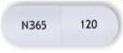
Diltiazem Side Effects
Brand Names: Cardizem, Cardizem LA, Taztia XT, Dilacor XR, Cardizem CD, Diltia XT, Tiazac, Cartia XT
Please note - some side effects for Diltiazem may not be reported. Always consult your doctor or healthcare specialist for medical advice. You may also report side effects to the FDA at http://www.fda.gov/medwatch/ or 1-800-FDA-1088 (1-800-332-1088).
Side Effects of Diltiazem - for the Consumer
Diltiazem
All medicines may cause side effects, but many people have no, or minor, side effects. Check with your doctor if any of these most COMMON side effects persist or become bothersome when using Diltiazem:
Seek medical attention right away if any of these SEVERE side effects occur when using Diltiazem:Constipation; dizziness; facial flushing; headache; weakness.
Severe allergic reactions (rash; hives; itching; difficulty breathing; tightness in the chest; swelling of the mouth, face, lips, or tongue); hallucinations; irregular heartbeat; swelling of the feet or hands; tender, bleeding, or swollen gums.
Diltiazem 12-Hour Sustained-Release Capsules
All medicines may cause side effects, but many people have no, or minor, side effects. Check with your doctor if any of these most COMMON side effects persist or become bothersome when using Diltiazem 12-Hour Sustained-Release Capsules:
Seek medical attention right away if any of these SEVERE side effects occur when using Diltiazem 12-Hour Sustained-Release Capsules:Constipation; dizziness; facial flushing; headache; weakness.
Severe allergic reactions (rash; hives; itching; difficulty breathing; tightness in the chest; swelling of the mouth, face, lips, or tongue); hallucinations; irregular heartbeat; swelling of the feet or hands; tender, bleeding, or swollen gums.
Diltiazem 24-Hour Extended-Release Beads Capsules
All medicines may cause side effects, but many people have no, or minor, side effects. Check with your doctor if any of these most COMMON side effects persist or become bothersome when using Diltiazem 24-Hour Extended-Release Beads Capsules:
Seek medical attention right away if any of these SEVERE side effects occur when using Diltiazem 24-Hour Extended-Release Beads Capsules:Constipation; dizziness; facial flushing; headache; weakness.
Severe allergic reactions (rash; hives; itching; difficulty breathing; tightness in the chest; swelling of the mouth, face, lips, or tongue); hallucinations; irregular heartbeat; swelling of the feet or hands; tender, bleeding, or swollen gums.
Diltiazem 24-Hour Extended-Release Beads Tablets
All medicines may cause side effects, but many people have no, or minor, side effects. Check with your doctor if any of these most COMMON side effects persist or become bothersome when using Diltiazem 24-Hour Extended-Release Beads Tablets:
Seek medical attention right away if any of these SEVERE side effects occur when using Diltiazem 24-Hour Extended-Release Beads Tablets:Constipation; dizziness; facial flushing; headache; weakness.
Severe allergic reactions (rash; hives; itching; difficulty breathing; tightness in the chest; swelling of the mouth, face, lips, or tongue); hallucinations; irregular heartbeat; swelling of the feet or hands; tender, bleeding, or swollen gums.
Diltiazem 24-Hour Sustained-Release Beads Capsules
All medicines may cause side effects, but many people have no, or minor, side effects. Check with your doctor if any of these most COMMON side effects persist or become bothersome when using Diltiazem 24-Hour Sustained-Release Beads Capsules:
Seek medical attention right away if any of these SEVERE side effects occur when using Diltiazem 24-Hour Sustained-Release Beads Capsules:Constipation; dizziness; facial flushing; headache; weakness.
Severe allergic reactions (rash; hives; itching; difficulty breathing; tightness in the chest; swelling of the mouth, face, lips, or tongue); hallucinations; irregular heartbeat; swelling of the feet or hands; tender, bleeding, or swollen gums.
Diltiazem 24-Hour Sustained-Release Capsules
All medicines may cause side effects, but many people have no, or minor, side effects. Check with your doctor if any of these most COMMON side effects persist or become bothersome when using Diltiazem 24-Hour Sustained-Release Capsules:
Seek medical attention right away if any of these SEVERE side effects occur when using Diltiazem 24-Hour Sustained-Release Capsules:Constipation; dizziness; facial flushing; headache; weakness.
Severe allergic reactions (rash; hives; itching; difficulty breathing; tightness in the chest; swelling of the mouth, face, lips, or tongue); hallucinations; irregular heartbeat; swelling of the feet or hands; tender, bleeding, or swollen gums.
Diltiazem Immediate-Release Tablets
All medicines may cause side effects, but many people have no, or minor, side effects. Check with your doctor if any of these most COMMON side effects persist or become bothersome when using Diltiazem Immediate-Release Tablets:
Seek medical attention right away if any of these SEVERE side effects occur when using Diltiazem Immediate-Release Tablets:Constipation; dizziness; facial flushing; headache; weakness.
TopSevere allergic reactions (rash; hives; itching; difficulty breathing; tightness in the chest; swelling of the mouth, face, lips, or tongue); hallucinations; irregular heartbeat; swelling of the feet or hands; tender, bleeding, or swollen gums.
Diltiazem Side Effects - for the Professional
Diltiazem
Serious adverse reactions have been rare in studies carried out to date, but it should be recognized that patients with impaired ventricular function and cardiac conduction abnormalities have usually been excluded from these studies.
The following table presents the most common adverse reactions reported in placebo-controlled angina and hypertension trials in patients receiving Diltiazem Hydrochloride Extended-release Capsules (Once-a-Day Dosage) product up to 360 mg with rates in placebo patients shown for comparison.
| Diltiazem hydrochloride extended-release capsules (once-a-day) Placebo-Controlled Angina and Hypertension Trials Combined |
||
|---|---|---|
| Adverse Reactions | Diltiazem hydrochloride extended-release capsules (once-a-day) (n=607) |
Placebo (once-a-day) (n=301) |
| Headache | 5.4% | 5.0% |
| Dizziness | 3.0% | 3.0% |
| Bradycardia | 3.3% | 1.3% |
| AV Block First Degree | 3.3% | 0.0% |
| Edema | 2.6% | 1.3% |
| ECG Abnormality | 1.6% | 2.3% |
| Asthenia | 1.8% | 1.7% |
In clinical trials of Diltiazem Hydrochloride Extended-release Capsules (Once-a-Day Dosage), Diltiazem hydrochloride tablets, and Diltiazem hydrochloride extended-release capsules involving over 3200 patients, the most common events (i.e. greater than 1%) were edema (4.6%), headache (4.6%), dizziness (3.5%), asthenia (2.6%), first-degree AV block (2.4%), bradycardia (1.7%), flushing (1.4%), nausea (1.4%) and rash (1.2%).
In addition, the following events were reported infrequently (less than 1%) in angina or hypertension trials:
Cardiovascular: Angina, arrhythmia, AV block (second- or third-degree), bundle branch block, congestive heart failure, ECG abnormalities, hypotension, palpitations, syncope, tachycardia, ventricular extrasystoles.
Nervous System: Abnormal dreams, amnesia, depression, gait abnormality, hallucinations, insomnia, nervousness, paresthesia, personality change, somnolence, tinnitus, tremor.
Gastrointestinal: Anorexia, constipation, diarrhea, dry mouth, dysgeusia, dyspepsia, mild elevations of SGOT, SGPT, LDH, and alkaline phosphatase, thirst, vomiting, weight increase.
Dermatological: Petechiae, photosensitivity, pruritus, urticaria.
Other: Amblyopia, CPK increase, dyspnea, epistaxis, eye irritation, hyperglycemia, hyperuricemia, impotence, muscle cramps, nasal congestion, nocturia, osteoarticular pain, polyuria, sexual difficulties.
The following postmarketing events have been reported infrequently in patients receiving Diltiazem: allergic reactions, alopecia, angioedema (including facial or periorbital edema), asystole, erythema multiforme (including Stevens-Johnson syndrome, toxic epidermal necrolysis), exfoliative dermatitis, extrapyramidal symptoms, gingival hyperplasia, hemolytic anemia, increased bleeding time, leukopenia, purpura, retinopathy, myopathy, and thrombocytopenia. In addition, events such as myocardial infarction have been observed which are not readily distinguishable from the natural history of the disease in these patients. A number of well-documented cases of generalized rash, some characterized as leukocytoclastic vasculitis, have been reported. However, a definitive cause and effect relationship between these events and Diltiazem therapy is yet to be established.
TopDiltiazem Tablets
Serious adverse reactions have been rare in studies carried out to date, but it should be recognized that patients with impaired ventricular function and cardiac conduction abnormalities have usually been excluded.
In domestic placebo-controlled angina trials, the incidence of adverse reactions reported during Diltiazem therapy was not greater than that reported during placebo therapy.
The following represent occurrences observed in clinical studies of angina patients. In many cases, the relationship to Diltiazem has not been established. The most common occurrences from these studies, as well as their frequency of presentation, are: edema (2.4%), headache (2.1%), nausea (1.9%), dizziness (1.5%), rash (1.3%), asthenia (1.2%). In addition, the following events were reported infrequently (less than 1%):
Cardiovascular: Angina, arrhythmia, AV block (first degree), AV block (second or third degree -- see conduction warning), bradycardia, bundle branch block, congestive heart failure, ECG abnormality, flushing, hypotension, palpitations, syncope, tachycardia, ventricular extrasystoles.
Nervous System: Abnormal dreams, amnesia, depression, gait abnormality, hallucinations, insomnia, nervousness, paresthesia, personality change, somnolence, tremor.
Gastrointestinal: Anorexia, constipation, diarrhea, dysgeusia, dyspepsia, mild elevations of alkaline phosphatase, SGOT, SGPT, and LDH, thirst, vomiting, weight increase.
Dermatologic: Petechiae, photosensitivity, pruritus, urticaria.
Other: Amblyopia, CPK elevation, dry mouth, dyspnea, epistaxis, eye irritation, hyperglycemia, hyperuricemia, impotence, muscle cramps, nasal congestion, nocturia, osteoarticular pain, polyuria, sexual difficulties, tinnitus.
The following postmarketing events have been reported infrequently in patients receiving Diltiazem: allergic reactions, alopecia, angioedema (including facial or periorbital edema), asystole, erythema multiforme (including Stevens-Johnson syndrome, toxic epidermal necrolysis), extrapyramidal symptoms, gingival hyperplasia, hemolytic anemia, increased bleeding time, leukopenia, purpura, retinopathy, and thrombocytopenia. There have been observed cases of a generalized rash, some characterized as leukocytoclastic vasculitis. In addition, events such as myocardial infarction have been observed which are not readily distinguishable from the natural history of the disease in these patients. A definitive cause and effect relationship between these events and Diltiazem therapy cannot yet be established. Exfoliative dermatitis (proven by rechallenge) has also been reported.
TopSide Effects by Body System
General
Diltiazem is generally well-tolerated. Side effects occur in approximately 5% of patients, are usually dose-related, and are of mild to moderate severity.
Cardiovascular
Nodal bigeminy progressing to complete heart block has been reported in one cardiac patient who ingested a large amount of diltiazem in a suicide attempt.
Cardiovascular side effects have been reported the most frequently. These have included asymptomatic hypotension (4% to 13%), symptomatic hypotension (3% to 13%), flushing (2%), edema (2%), and atrioventricular heart block (1% to 3%). Cardiovascular side effects reported in 1% of patients have included sinoatrial depression, atrioventricular depression, sinoatrial heart block, and bradycardia. Several cases of sinus arrest, atrioventricular dissociation, and junctional bradycardia have been reported. A case of nodal bigeminy progressing to complete heart block has also been reported.
Gastrointestinal
A 72-year-old man developed gingival hyperplasia while receiving diltiazem. The hyperplasia recurred after surgical removal, and disappeared without recurrence after diltiazem was discontinued.
A 76-year-old man with CHF and an uncomplicated inguinal hernia developed epigastric pain, nausea, and vomiting associated with an unchanged ECG within 2 hours after starting diltiazem. Plain abdominal X-rays were suggestive of intestinal obstruction. The patient recovered within 24 hours after nasogastric suction, discontinuation of oral intake, and discontinuation of diltiazem. Rechallenge was not done.
Gastrointestinal side effects reported in 1% to 5% of patients have included nausea, vomiting, constipation, and diarrhea. At least one case of gingival hyperplasia has been reported. At least one case of reversible, functional intestinal obstruction and paralytic ileus has been reported. At least one case of Intestinal obstruction and epigastric pain has been reported.
Nervous system
Nervous system side effects reported in 7% of patients have included dizziness and headache. Dysosmia, dysgeusia, and sensory loss have been reported. At least one case of acute Parkinsonism has been reported. At least two cases of hyperactive symptoms or akathisia have been reported. Myoclonus has also been reported.
A 62-year-old man with diabetes mellitus, congestive heart failure, and aortic stenosis developed uncontrollable hyperactivity within 24 hours after starting diltiazem. The akathisia was unresponsive to antihistamines and sedatives, and only resolved after discontinuation of diltiazem. A rechallenge was positive.
Dermatologic
In reported cases of acute generalized exanthematous pustular dermatitis, the rash developed 10 to 20 days after initiating diltiazem therapy and resolved after discontinuation of the drug.
Dermatological side effects have been reported rarely. These have included exfoliative dermatitis (10%) and toxic epidermal necrolysis (1%). Rarely, acute generalized exanthematous pustular dermatitis, subacute cutaneous, and lupoid lesions have been reported. At least six cases of photodistributed hyperpigmentation have been reported. At least three cases of acute generalized exanthematous pustular dermatitis have been reported.
Hypersensitivity
A 42-year-old man with a history of hypertension developed a generalized erythematous, purpuric rash associated with mucosal ulceration, fever, and elevated liver function tests within two days after starting diltiazem. A skin biopsy revealed histology consistent with Stevens-Johnson syndrome or severe erythema multiforme. The rash and liver function tests gradually resolved after discontinuation of diltiazem and institution of corticosteroid therapy. An extensive evaluation failed to reveal an infectious source.
Hypersensitivity side effects have included erythema multiforme (7%), Stevens-Johnson syndrome (4%), erythematous rash (1%), and urticarial rash (1%). Rarely, cutaneous vasculitis and purpuric rash have been reported.
Hepatic
Hepatic side effects reported in 1% of patients have included mild and transient increases in liver function tests. Rarely, granulomatous hepatitis and hepatorenal failure have been reported. Extremely rarely, acute hepatitis has been reported. A case of jaundice associated with elevated serum transaminases has been reported.
One patient developed both renal and hepatic failure while taking diltiazem. Although the drug was discontinued and renal and hepatic function were improving, the patient developed cardiogenic shock and died.
A 61-year-old man with hypertension and angina pectoris presented with fever and a generalized rash associated with hepatomegaly, a mild leukocytosis, thrombocytopenia, and elevated liver function tests. An infectious etiology was not found. After all of the patient's medications were continued except for diltiazem, his signs and symptoms resolved within six days. A macrophage inhibitory factor test and mast cell degranulation test done in the presence of diltiazem were positive.
Hematologic
Hematological side effects have been reported rarely. These have included platelet dysfunction and increased bleeding times. At least two cases of thrombocytopenia have been reported. At least one case of mild leukocytosis has been reported.
A 23-year-old man with a carotid aneurysm and delirium developed an increased bleeding time (15 minutes) after starting aminocaproic acid, phenobarbital, and diltiazem. His bleeding time resolved to his pretreatment time of 6 minutes after diltiazem alone was discontinued.
A 61-year-old man with hypertension and angina pectoris presented with fever and a generalized rash associated with hepatomegaly, a mild leukocytosis, thrombocytopenia, and elevated liver function tests. An infectious etiology was not found. After all of the patient's medications were continued except for diltiazem, his signs and symptoms resolved within six days. A macrophage inhibitory factor test and mast cell degranulation test done in the presence of diltiazem were positive.
Renal
A 53-year-old man, with hypertension and ischemic heart disease, developed a rash and acute renal failure associated with elevated liver function tests following a single dose of diltiazem.
Several case reports have been published describing renal failure, which appear to be related to diltiazem. A 72-year-old man with coronary artery disease and esophagitis developed a urticarial rash and jaundice associated with elevated serum transaminases, metabolic acidosis, and hyperkalemia. The patient died of cardiogenic shock complicated by pulmonary edema.
Renal side effects have rarely included acute renal failure.
Psychiatric
A 72-year-old woman with hypertension and angina pectoris developed auditory and visual hallucinations, paranoia, and misinterpretations within two days after beginning diltiazem. In the absence of any other obvious cause, the diltiazem was stopped, and her psychosis resolved over the next three days. Nifedipine was successfully substituted.
Psychiatric side effects have been reported rarely. These have included reversible mania, depression, and acute psychosis. At least one case of auditory and visual hallucinations, paranoia, and misinterpretations has been reported.
Musculoskeletal
Musculoskeletal side effects have been reported rarely. At least one case of acute myopathy has been reported.
A 58-year-old man with hypertension, coronary artery disease, and hypercholesterolemia developed acute and generalized extremity weakness and chest pain while receiving diltiazem, lovastatin, nitrates, and enalapril. The patient's muscles were tender to palpation. An ECG was unchanged. With normal liver and thyroid function tests, lovastatin was discontinued, but the patient's creatine phosphokinase (CPK) levels remained elevated (all CPK-MM) and the patient's symptoms persisted. There was no evidence of a connective tissue disease, rhabdomyolysis, or renal failure. The patient refused muscle biopsy. Upon discontinuation of diltiazem, the signs and symptoms of myopathy rapidly resolved, even after lovastatin was readministered. All signs and symptoms recurred upon rechallenge with diltiazem.
Metabolic
Metabolic side effects have been reported rarely. These have included insulin resistance and diabetes-like symptoms. A case of attenuated hypoglycemia and symptoms of hypoglycemia has been reported. A case of polyuria, polydipsia, and elevated blood glucose has been reported. A case of frank hyperosmolar nonketotic hyperglycemic coma has been reported. A case of insulinoma has been reported. At least one case of metabolic acidosis and hyperkalemia has been reported.
A 72-year-old man with coronary artery disease and esophagitis developed a urticarial rash and jaundice associated with elevated serum transaminases, metabolic acidosis, and hyperkalemia. The patient died of cardiogenic shock complicated by pulmonary edema.
A 46-year-old woman with insulinoma demonstrated suppressed serum insulin levels after diltiazem 44 mg intravenously was administered. The patient was subsequently treated with orally administered diltiazem, with a significant decrease in the frequency of hypoglycemic attacks.
Respiratory
Respiratory side effects include at least one case of eosinophilic pleural effusion that resolved following discontinuation of diltiazem.
TopMore resources:
Cardizem LA 24-Hour Extended-Release Beads Tablets
Taztia XT 24-Hour Extended-Release Beads Capsules
Dilacor XR 24-Hour Sustained-Release Capsules
Cardizem CD 24-Hour Sustained-Release Beads Capsules
Diltiazem - Includes detailed dosage instructions.
Disclaimer: Every effort has been made to ensure that the information provided is accurate, up-to-date, and complete, but no guarantee is made to that effect. In addition, the drug information contained herein may be time sensitive and should not be utilized as a reference resource beyond the date hereof. This information does not endorse drugs, diagnose patients, or recommend therapy. This drug information is a reference resource designed as supplement to, and not a substitute for, the expertise, skill , knowledge, and judgement of healthcare practitioners in patient care. The absence of a warning for a given drug or drug combination in no way should be construed to indicate that the drug of drug combination is safe, effective, or appropriate for any given patient. Drugs.com does not assume any responsibility for any aspect of healthcare administered with the aid of information provided. The information contained herein is not intended to cover all possible uses, directions, precautions, warnings, drug interactions, allergic reactions, or adverse effects. If you have questions about the drugs you are taking, check with your doctor, nurse, or pharmacist.