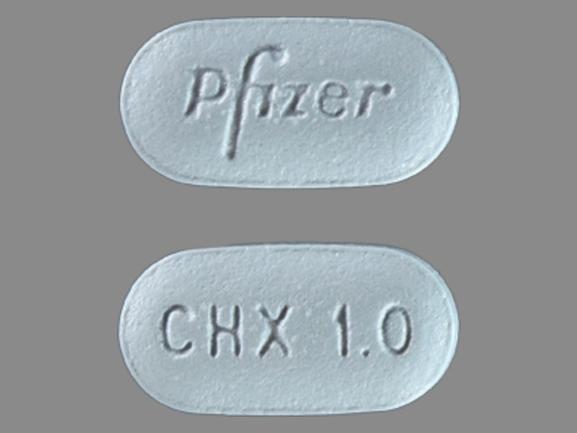
Chantix Side Effects
Generic name: varenicline
Medically reviewed by Drugs.com. Last updated on Nov 27, 2024.
Note: This document provides detailed information about Chantix Side Effects associated with varenicline. Some dosage forms listed on this page may not apply specifically to the brand name Chantix.
Applies to varenicline: oral tablet.
Other dosage forms:
Precautions
It is very important that your doctor check your or your child's progress at regular visits, especially during the first few weeks that you use this medicine. This will allow for changes in your dose and to help reduce any side effects. Blood and urine tests may also be needed to check for unwanted effects.
This medicine may increase the risk of having a heart attack, especially in patients with heart or blood vessel disease. Call your doctor right away if you have chest pain or discomfort, pain or discomfort in the arms, jaw, back, or neck, pain in your legs when walking, sweating, or troubled breathing.
This medicine may cause some people to be agitated, irritable, or display other abnormal behaviors. It may also cause some people to have suicidal thoughts and tendencies or to become more depressed. If you or your caregiver notice any of these side effects, tell your doctor right away.
This medicine may cause serious types of allergic reactions, including angioedema, which can be life-threatening and require immediate medical attention. Tell your doctor right away if you have a rash, itching, a large, hive-like swelling on the face, eyelids, lips, tongue, throat, hands, legs, feet, or genitals, trouble breathing or swallowing, or chest tightness while you are using this medicine.
Serious skin reactions can occur with this medicine. Check with your doctor right away if you have blistering, peeling, or loosening of the skin, red skin lesions, severe acne or skin rash, sores or ulcers on the skin, or fever or chills while you are using this medicine.
This medicine may cause some people to become drowsy or dizzy, or to have problems with concentration. Do not drive or do anything else that could be dangerous until you know how this medicine affects you.
Tell your doctor if you have nausea or sleeping problems (trouble sleeping, or unusual dreams) while you are using this medicine. The dose of this medicine may need to be adjusted.
While you are using this medicine be careful to limit the amount of alcohol that you drink.
Sleepwalking may occur while you are using this medicine. This can sometimes lead to a behavior that is harmful to you or other people, or to property. Check with your doctor right away if you start sleepwalking.
Do not take other medicines unless they have been discussed with your doctor. This includes prescription or nonprescription (over-the-counter [OTC]) medicines and herbal or vitamin supplements.
Common side effects of Chantix
Some side effects of varenicline may occur that usually do not need medical attention. These side effects may go away during treatment as your body adjusts to the medicine. Also, your health care professional may be able to tell you about ways to prevent or reduce some of these side effects.
Check with your health care professional if any of the following side effects continue or are bothersome or if you have any questions about them:
More common side effects
- abnormal dreams
- absence of menstruation
- change in taste
- diarrhea
- difficulty having a bowel movement
- difficulty in moving
- excess air or gas in the stomach or bowels
- joint pain or swelling
- lack or loss of strength
- loss of taste
- muscle stiffness
- painful menstruation
- passing gas
- toothache
- trouble sleeping
Less common side effects
- belching
- body aches or pain
- burning, dry, or itching eyes
- continuing ringing or buzzing or other unexplained noise in the ears
- decreased interest in sexual intercourse
- discharge, excessive tearing
- ear congestion
- feeling of constant movement of self or surroundings
- feeling of warmth
- hearing loss
- inability to have or keep an erection
- increased appetite
- increased urge to urinate during the night
- loss in sexual ability, desire, drive, or performance
- loss of voice
- nightmares
- redness in the joints
- redness of the face, neck, arms and occasionally, upper chest
- redness, pain, swelling of the eye, eyelid, or inner lining of the eyelid
- sensation of spinning
- sleepiness or unusual drowsiness
- sneezing
- sore throat
- stomach discomfort
- stuffy or runny nose
- transient, mild, pleasant aromatic odor
- trouble concentrating
- waking to urinate at night
Rare side effects
- change in color vision
- difficulty seeing at night
- increased sensitivity of the eyes to sunlight
- night blindness
- seeing floating dark spots or material before the eyes
Serious side effects of Chantix
Along with its needed effects, varenicline (the active ingredient contained in Chantix) may cause some unwanted effects. Although not all of these side effects may occur, if they do occur they may need medical attention.
Check with your doctor immediately if any of the following side effects occur while taking varenicline:
Less common side effects
- anxiety
- black, tarry stools
- bloating or swelling of the face, arms, hands, lower legs, or feet
- bloody stools
- blurred vision
- burning feeling in the chest or stomach
- chest pain or discomfort
- chills
- cold hands and feet
- cold sweats
- confusion
- cool, pale skin cough
- deep or fast breathing with dizziness
- difficult or labored breathing
- dizziness
- dry mouth
- fainting
- fast, pounding, or irregular heartbeat or pulse
- flushed, dry skin
- fruit-like breath odor
- headache
- headache, severe and throbbing
- increased hunger
- increased thirst
- increased urination
- indigestion
- loss of consciousness
- nausea
- nervousness
- nightmares
- noisy breathing
- nosebleed
- numbness of the feet, hands and around the mouth
- pain or discomfort in the arms, jaw, back, or neck
- pale skin
- pounding in the ears
- rapid weight gain
- seizures
- shakiness
- slow heartbeat
- slurred speech
- stomach pain or upset
- sweating
- swollen, painful, or tender lymph glands in the neck, armpit, or groin
- tenderness in the stomach area
- tightness in the chest
- tingling of the hands or feet
- tremor
- troubled breathing with exertion
- unexplained weight loss
- unusual bleeding or bruising
- unusual drowsiness, dullness, tiredness, weakness, or feeling of sluggishness
- unusual weight gain or loss
- vomiting
- vomiting of blood or material that looks like coffee grounds
Rare side effects
- agitation
- bleeding gums
- bloating
- blood in the urine or stools
- constipation
- dark urine
- decrease in height
- decreased awareness or responsiveness
- difficulty in swallowing
- eye pain
- feeling of fullness
- fever
- frequent urination
- general feeling of illness
- heartburn
- hostility
- increased sensitivity of the skin to sunlight
- increased volume of pale, dilute urine
- irritability
- itching, skin rash
- loss of appetite
- mood changes
- muscle pain, cramps, or twitching
- numbness or tingling in the hands, feet, or lips
- pain or burning in the throat
- pains in the stomach, side, or abdomen, possibly radiating to the back
- pinpoint red spots on the skin
- red, scaling, or crusted skin
- redness or other discoloration of the skin
- severe sleepiness
- severe stomach pain
- severe sunburn
- sores, ulcers, or white spots on the lips, tongue, or inside the mouth
- tenderness, pain, swelling, warmth, skin discoloration, and prominent superficial veins over the affected area
- uncontrolled eye movements
- yellow eyes or skin
Incidence not known
- anger
- anxiety
- behavior changes
- discouragement
- feeling sad or empty
- feelings of panic
- irregular heartbeat
- loss of interest or pleasure
- mood swings
- restlessness
- seeing, hearing, or feeling things that are not there
- sleepwalking
- thoughts of killing oneself
See also:
For healthcare professionals
Applies to varenicline: nasal spray, oral tablet.
General adverse events
The most commonly reported side effects included nausea, headache, insomnia, and abnormal dreams.[Ref]
Psychiatric
- Very common (10% or more): Insomnia (up to 19%), abnormal dreams (up to 13%), depressed mood disorders and disturbances (up to 11%), irritability (up to 11%)
- Common (1% to 10%): Agitation, anxiety, depressed mood, depression, hostility, middle insomnia, nervousness, nightmare, restlessness, sleep disorder, tension
- Uncommon (0.1% to 1%): Aggression, dissociation, hallucinations, libido decreased, libido increased, mood swings, panic reaction, suicidal ideation, thinking abnormal
- Rare (less than 0.1%): Abnormal behavior, bradyphrenia, disorientation, dysphoria, euphoric mood, psychosis, somnambulism
- Frequency not reported: Early morning awakening, initial insomnia, neuropsychiatric adverse events, suicidality
- Postmarketing reports: Aggressive behavior, changes in behavior, changes in thinking, delusions, completed suicide, exacerbation of underlying psychiatric illness, homicidal ideation, nicotine withdrawal symptoms, panic, suicide, suicide attempt[Ref]
Gastrointestinal
- Very common (10% or more): Nausea (up to 40%), vomiting (up to 11%)
- Common (1% to 10%): Abdominal discomfort, abdominal distension, abdominal pain, abdominal pain upper, constipation, diarrhea, dry mouth, dyspepsia, flatulence, gastroenteritis, gastroesophageal reflux disease, toothache
- Uncommon (0.1% to 1%): Aphthous stomatitis, change of bowel habit, dysphagia, eructation, gastritis, gastrointestinal hemorrhage, gingival pain, hematochezia, mouth ulceration
- Rare (less than 0.1%): Abnormal feces, acute pancreatitis, enterocolitis, esophagitis, gallbladder disorder, gastric ulcer, hematemesis, intestinal obstruction, tongue coated[Ref]
Nervous system
- Very common (10% or more): Headache (up to 19%)
- Common (1% to 10%): Disturbance in attention, dizziness, dysgeusia, lethargy, somnolence
- Uncommon (0.1% to 1%): Amnesia, convulsion, hypoesthesia, hypogeusia, migraine, parosmia, seizure, syncope, tremor, vertigo
- Rare (less than 0.1%): Balance disorder, cerebrovascular accident, coordination abnormal, circadian rhythm sleep disorder, dysarthria, hypertonia, mental impairment, multiple sclerosis, nystagmus, psychomotor hyperactivity, psychomotor skills impaired, restless legs syndrome, scotoma, sensory disturbance, transient ischemic attack, VIIth nerve paralysis, visual field defect
- Frequency not reported: Transient loss of consciousness
- Postmarketing reports: Blackouts, hemorrhagic cerebrovascular event, ischemic cerebrovascular event, loss of consciousness[Ref]
Respiratory
- Very common (10% or more): Nasopharyngitis (up to 11%)
- Common (1% to 10%): Bronchitis, cough, dyspnea, oropharyngeal pain, respiratory disorders, rhinorrhea, upper respiratory tract disorder, upper respiratory tract infection
- Uncommon (0.1% to 1%): Allergic rhinitis, asthma, dysphonia, epistaxis, respiratory tract congestion, sinus congestion, throat irritation, upper- airway cough syndrome, upper respiratory tract inflammation
- Rare (less than 0.1%): Laryngeal pain, pleurisy, pulmonary embolism, snoring[Ref]
Local
- Very common (10% or more): Application site pruritus (up to 11%)[Ref]
Cardiovascular
- Common (1% to 10%): Angina pectoris, chest pain, hospitalization for angina pectoris, hypertension, need for coronary revascularization, new diagnosis of peripheral vascular disease (PVD)/admission for a PVD procedure, nonfatal myocardial infarction, peripheral edema
- Uncommon (0.1% to 1%): Blood pressure increased, chest discomfort, ECG abnormal, edema, heart rate increased, hospitalization for angina pectoris, hot flush, myocardial infarction, palpitations, tachycardia
- Rare (less than 0.1%): Acute coronary syndrome, arrhythmia, atrial fibrillation, bradycardia, cardiac flutter, cor pulmonale, coronary artery disease, electrocardiogram ST segment depression, electrocardiogram T wave amplitude decreased, thrombosis, ventricular extrasystoles
- Frequency not reported: Cardiovascular events[Ref]
Metabolic
- Common (1% to 10%): Anorexia, decreased appetite, increased appetite, weight increased
- Uncommon (0.1% to 1%): Diabetes mellitus, hyperglycemia, hypoglycemia
- Rare (less than 0.1%): Blood calcium decreased, C-reactive protein increased, hyperlipidemia, hypokalemia, polydipsia[Ref]
Musculoskeletal
- Common (1% to 10%): Arthralgia, back pain, myalgia, pain in extremity
- Uncommon (0.1% to 1%): arthritis, muscle cramp, muscle spasms, musculoskeletal chest pain, musculoskeletal pain
- Rare (less than 0.1%): costochondritis, joint stiffness, muscle enzyme increased, myositis, osteoporosis[Ref]
Other
- Common (1% to 10%): Asthenia, fatigue, malaise
- Uncommon (0.1% to 1%): Chills, pyrexia, tinnitus
- Rare (less than 0.1%): Cyst, deafness, feeling cold, Meniere's disease
- Frequency not reported: Accidental injury, interaction with alcohol[Ref]
Dermatologic
- Common (1% to 10%): Pruritus, rash
- Uncommon (0.1% to 1%): Acne, dry skin, eczema, erythema, hyperhidrosis, night sweats, urticaria
- Rare (less than 0.1%): Erythema multiforme, photosensitivity, psoriasis, severe cutaneous reactions, Stevens-Johnson Syndrome
- Frequency not reported: Serious skin reactions[Ref]
Genitourinary
- Common (1% to 10%): Menstrual disorder
- Uncommon (0.1% to 1%): Erectile dysfunction, menorrhagia, nocturia, pollakiuria, polyuria, urine abnormality
- Rare (less than 0.1%): Glycosuria, semen analysis abnormal, sexual dysfunction, urethral syndrome, urinary retention, vaginal discharge[Ref]
Immunologic
- Common (1% to 10%): Influenza
- Uncommon (0.1% to 1%): Fungal infection, influenza like illness, viral infection[Ref]
Hepatic
- Common (1% to 10%): Liver function test abnormal[Ref]
Ocular
- Uncommon (0.1% to 1%): Conjunctivitis, eye pain, eye irritation, vision blurred, visual disturbance
- Rare (less than 0.1%): Blindness transient, cataract subcapsular, dry eye, lacrimation increased, mydriasis, myopia, night blindness, ocular vascular disorder, photophobia, scleral discoloration, vitreous floaters[Ref]
Hematologic
- Uncommon (0.1% to 1%): Anemia, lymphadenopathy
- Rare (less than 0.1%): Leukocytosis, platelet count decreased, splenomegaly, thrombocytopenia[Ref]
Endocrine
- Uncommon (0.1% to 1%): Thyroid gland disorders[Ref]
Renal
- Rare (less than 0.1%): Acute renal failure, nephrolithiasis, urine analysis abnormal[Ref]
Hypersensitivity
- Rare (less than 0.1%): Angioedema
- Frequency not reported: Hypersensitivity reactions[Ref]
References
1. (2006) "Product Information. Chantix (varenicline)." Pfizer U.S. Pharmaceuticals Group
2. Cerner Multum, Inc. "UK Summary of Product Characteristics."
3. Cerner Multum, Inc. "Australian Product Information."
Frequently asked questions
- What are the best eye drops for dry eyes?
- What is the mechanism of action of Tyrvaya?
- How long does a bottle of Tyrvaya last?
- Does Tyrvaya reduce inflammation?
More about Chantix (varenicline)
- Check interactions
- Compare alternatives
- Pricing & coupons
- Reviews (1,203)
- Drug images
- Latest FDA alerts (13)
- Dosage information
- During pregnancy
- Generic availability
- Support group
- Drug class: cholinergic agonists
- Breastfeeding
- En español
Patient resources
- Chantix drug information
- Chantix Start Month Pak (Advanced Reading)
- Chantix Starter Pack (Advanced Reading)
Other brands
Professional resources
Other brands
Related treatment guides
Further information
Chantix side effects can vary depending on the individual. Always consult your healthcare provider to ensure the information displayed on this page applies to your personal circumstances.
Note: Medication side effects may be underreported. If you are experiencing side effects that are not listed, submit a report to the FDA by following this guide.