
Transient Ischemic Attack
Medically reviewed by Drugs.com. Last updated on Aug 4, 2025.
What is a transient ischemic attack (TIA)?
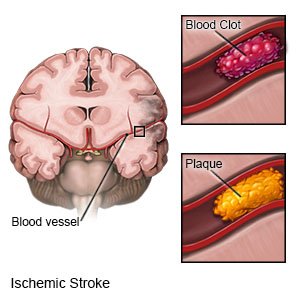
A TIA, or mini-stroke, happens when blood cannot flow to part of the brain. A TIA only lasts minutes to hours and does not cause lasting damage. It is still important to get immediate medical care. A TIA may be a warning that you are about to have an ischemic stroke. An ischemic stroke happens when blood flow to the brain is suddenly blocked, usually by a blood clot.
 |
What are the warning signs of a stroke?
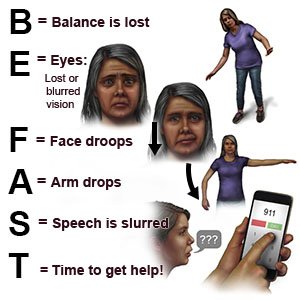
The words BE FAST can help you remember and recognize warning signs of a stroke:
- B = Balance: Sudden loss of balance
- E = Eyes: Loss of vision in one or both eyes
- F = Face: Face droops on one side
- A = Arms: Arm drops when both arms are raised
- S = Speech: Speech is slurred or sounds different
- T = Time: Time to get help immediately
 |
What are the signs and symptoms of a TIA?
Any of the following may happen suddenly and be gone quickly:
- Numb or weak areas of your face, arm, or leg, or paralysis on one side of your body
- Trouble walking or keeping your balance
- Dizziness or a severe headache
- Slurred speech, trouble talking, or not understanding language
- Blurry or double vision, or sudden blindness in one or both eyes
What increases my risk for a TIA?
- Being male or 55 years of age or older
- Use of birth control pills or hormone replacement medicine (in women)
- A family history of stroke, or a low birthweight
- High blood pressure, blood vessel disease, or sickle cell anemia that is not being treated
- Atrial fibrillation, diabetes, or another heart condition
How is a TIA diagnosed?
Your healthcare provider will ask you about the TIA. He or she may want to talk to anyone who witnessed the TIA or found you after it. You or the person should describe your signs and symptoms and when they started. Tell your provider about any medical conditions you have. You may also need any of the following:
- Blood tests may be used to check your overall condition and how well your blood clots. The tests may also check for a high or low glucose (sugar) level. This can sometimes cause effects that are like a stroke or TIA.
- A carotid ultrasound shows the blood flow in your carotid arteries. The carotid arteries are blood vessels in your neck that carry blood to your brain. A carotid ultrasound checks for narrow or blocked carotid arteries.
- CT or MRI pictures may show blood flow blockage in your brain. You may be given contrast liquid to help the pictures show up better. Tell the healthcare provider if you have ever had an allergic reaction to contrast liquid. Do not enter the MRI room with anything metal. Metal can cause serious injury. Tell the healthcare provider if you have any metal in or on your body.
How is a TIA treated?
A TIA does not need to be treated. The following may be used to treat the cause of your TIA to prevent a stroke:
- Medicines may be used to prevent blood clots from forming. Other medicines may be needed to treat diabetes, depression, high cholesterol, or blood pressure problems. You may also need medicine to decrease the pressure in your brain, reduce pain, or prevent seizures.
- Surgery may be needed to open a blocked artery (blood vessel). Blocked carotid arteries cause poor blood flow to the brain or heart.
Treatment options
The following list of medications are related to or used in the treatment of this condition.
What can I do to prevent another TIA or a stroke?
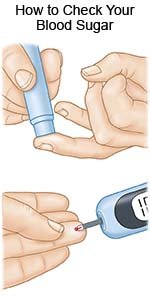
- Manage health conditions. A condition such as diabetes can increase your risk for a stroke. Control your blood sugar level if you have hyperglycemia or diabetes. Take your prescribed medicines and check your blood sugar level as directed.
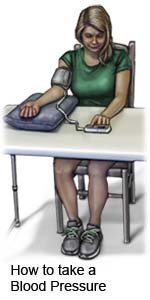
- Check your blood pressure as directed. High blood pressure can increase your risk for a stroke. If you have high blood pressure, follow your healthcare provider's directions.
- Do not use nicotine products or illegal drugs. Nicotine and other chemicals in cigarettes and cigars can cause blood vessel damage. Nicotine and illegal drugs both increase your risk for a stroke. Ask your healthcare provider for information if you currently smoke or use drugs and need help to quit. E- cigarettes or smokeless tobacco still contain nicotine. Talk to your healthcare provider before you use these products.
- Talk to your healthcare provider about alcohol. Alcohol can raise your blood pressure. The recommended limit is 2 drinks in a day for men and 1 drink in a day for women. Do not binge drink or save a week's worth of alcohol to drink in 1 or 2 days. Limit weekly amounts as directed by your provider.
- Eat a variety of healthy foods. Healthy foods include whole-grain breads, low-fat dairy products, beans, lean meats, and fish. Eat at least 5 servings of fruits and vegetables each day. Choose foods that are low in fat, cholesterol, salt, and sugar. Eat foods that are high in potassium, such as potatoes and bananas. A dietitian can help you create healthy meal plans.

- Maintain a healthy weight. Ask your healthcare provider how much you should weigh. Ask him or her to help you create a weight loss plan if you are overweight. He or she can help you create small goals if you have a lot of weight to lose.
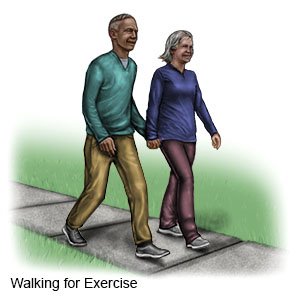
- Exercise as directed. Exercise can lower your blood pressure, cholesterol, weight, and blood sugar levels. Healthcare providers will help you create exercise goals. They can also help you make a plan to reach your goals. For example, you can break exercise into 10 minute periods, 3 times in the day. Find an exercise that you enjoy. This will make it easier for you to reach your exercise goals.
- Manage stress. Stress can raise your blood pressure. Find ways to relax, such as deep breathing or listening to music.
Related medications
Call your local emergency number (911 in the US) or have someone else call if:
- You have any of the following signs of a stroke:
- Numbness or drooping on one side of your face
- Weakness in an arm or leg
- Confusion or difficulty speaking
- Dizziness, a severe headache, or vision loss
- You have a seizure.
- You have chest pain or shortness of breath.
- You cough up blood.
When should I seek immediate care?
- Your arm or leg feels warm, tender, and painful. It may look swollen and red.
- You have unusual or heavy bleeding.
- You have a severe headache or feel dizzy.
When should I call my doctor?
- Your blood pressure or blood sugar level is higher or lower than you were told it should be.
- You have questions or concerns about your condition or care.
Care Agreement
You have the right to help plan your care. Learn about your health condition and how it may be treated. Discuss treatment options with your healthcare providers to decide what care you want to receive. You always have the right to refuse treatment. The above information is an educational aid only. It is not intended as medical advice for individual conditions or treatments. Talk to your doctor, nurse or pharmacist before following any medical regimen to see if it is safe and effective for you.© Copyright Merative 2025 Information is for End User's use only and may not be sold, redistributed or otherwise used for commercial purposes.
Learn more about Transient Ischemic Attack
Treatment options
Care guides
Symptoms and treatments
Further information
Always consult your healthcare provider to ensure the information displayed on this page applies to your personal circumstances.