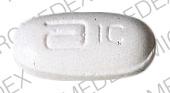
Carteolol Side Effects
Applies to carteolol: oral tablet.
Important warnings
This medicine can cause some serious health issues
Do not stop taking carteolol without first talking to your doctor.
Stopping suddenly may make your condition worse.
If you need to have any type of surgery, you may need to temporarily stop using carteolol. Be sure the surgeon knows ahead of time that you are using carteolol.
Carteolol can cause side effects that may impair your thinking or reactions. Be careful if you drive or do anything that requires you to be awake and alert.
Avoid drinking alcohol, which could increase drowsiness and dizziness while you are taking carteolol.
Carteolol is only part of a complete program of treatment for hypertension that may also include diet, exercise, and weight control.
Follow your diet, medication, and exercise routines very closely if you are being treated for hypertension.
Hypertension often has no symptoms, so you may not even feel that you have high blood pressure. Continue using this medicine as directed, even if you feel well. You may need to use blood pressure medication for the rest of your life.
Get emergency medical help if you have any of these signs of an allergic reaction while taking carteolol: hives; difficulty breathing; swelling of your face, lips, tongue, or throat.
Call your doctor at once if you have any of these serious side effects:
-
slow or uneven heartbeats;
-
feeling light-headed, fainting;
-
feeling short of breath, even with mild exertion;
-
swelling of your ankles or feet;
-
nausea, stomach pain, low fever, loss of appetite, dark urine, clay-colored stools, jaundice (yellowing of the skin or eyes);
-
depression; or
-
cold feeling in your hands and feet.
Less serious side effects of carteolol may include:
-
decreased sex drive, impotence, or difficulty having an orgasm;
-
sleep problems (insomnia);
-
tired feeling; or
-
anxiety, nervousness.
This is not a complete list of side effects and others may occur. Call your doctor for medical advice about side effects.
See also:
Lasix
Lasix is a loop diuretic used to treat fluid retention from heart, liver, or kidney conditions, and ...
Enalapril
Enalapril is used to treat high blood pressure, congestive heart failure and to improve survival ...
Botox
Botox is used cosmetically to reduce facial lines and wrinkles and for medical purposes for ...
Valsartan
Valsartan is an angiotensin II receptor blocker (ARB) that may be used to treat high blood pressure ...
Hydrochlorothiazide
HCTZ (hydrochlorothiazide) used to treat high blood pressure (hypertension) and edema. Includes ...
Atenolol
Atenolol is used to treat angina (chest pain) and hypertension (high blood pressure). Learn about ...
Furosemide
Furosemide is a loop diuretic used to treat fluid retention and high blood pressure by increasing ...
Metoprolol
Metoprolol is used to treat angina (chest pain) and hypertension (high blood pressure). Learn about ...
Losartan
Losartan is used to treat high blood pressure (hypertension). It is also used to lower the risk of ...
Lisinopril
Lisinopril is an ACE inhibitor. It is used to treat high blood pressure, congestive heart failure ...
For healthcare professionals
Applies to carteolol: oral tablet.
General adverse events
Carteolol is generally well-tolerated. Side effects are usually mild and transient.[Ref]
Nervous system
Nervous system side effects include headache in up to 1% to 17%, asthenia in 8%, insomnia in 5%, dizziness in 8%, paresthesias in 2%, and vertigo, nervousness, headache or fatigue in 1% of patients.[Ref]
Cardiovascular
Cardiovascular problems include chest pain in 2% and edema in 1% of patients. Carteolol may cause or worsen AV heart block. In the rare cases of new or worsened congestive heart failure that are associated with carteolol, a cause-and-effect relationship is not established.[Ref]
The etiology of "chest pain" was not described in studies and reviews from the medical literature.[Ref]
Gastrointestinal
Gastrointestinal complaints of abdominal or epigastric pain in 1% to 7% and diarrhea or nausea in 2% of patients is reported.[Ref]
Respiratory
Respiratory side effects are rare. Cough, pharyngitis, or sinusitis are reported in 1% to 5% of patients. Dyspnea is reported rarely. Patients with a history of reactive airways disease may be more likely to become short of breath while taking carteolol, as during therapy with any beta-blocker.[Ref]
Musculoskeletal
Musculoskeletal pain is reported in approximately 3% to 13% of patients.[Ref]
Carteolol and pindolol, beta-adrenergic receptor antagonists with intrinsic sympathomimetic activity (ISA), have more commonly been associated with muscle cramps and elevated serum creatine phosphokinase (CK) levels than beta-blockers without ISA.[Ref]
Genitourinary
Genitourinary complaints of impotence are reported in less than 1% of male patients.[Ref]
Psychiatric
Psychiatric side effects including reports of depression have been associated with carteolol.[Ref]
References
1. "Multum Information Services, Inc. Expert Review Panel"
2. Tarkiainen A, Saraste K, Seppala T, Gordin A, Auvinen J (1981) "A controlled study of the antihypertensive effect of carteolol, a new beta-adrenergic receptor blocking drug, in combination with hydrochlorothiazide and amiloride." Eur J Clin Pharmacol, 19, p. 239-44
3. Simon H, Schuppan U (1983) "The treatment of angina pectoris with the new beta-receptor blocker carteolol. Results of a controlled trial in comparison with pindolol." Arzneimittelforschung, 33, p. 318-21
4. Frishman WH, Covey S (1990) "Penbutolol and carteolol: two new beta-adrenergic blockers with partial agonism." J Clin Pharmacol, 30, p. 412-21
5. Luther RR, Glassman HN, Jordan DC (1988) "A comparison of carteolol and nadolol in the treatment of stable angina pectoris." J Clin Pharmacol, 28, p. 634-9
6. Velasquez MT, Byrne D, Hoffmann RG (1985) "Antihypertensive effect of carteolol in thiazide-treated hypertensive subjects." J Clin Pharmacol, 25, p. 601-6
7. Luther RR, Maurath CJ, Klepper MJ, Peckinpaugh RO, Ringham GL (1986) "Carteolol treatment of essential hypertension: a long-term study of safety and efficacy." J Int Med Res, 14, p. 175-84
8. Luther RR, Glassman HN, Jordan DC, Klepper MJ (1986) "Long-term treatment of angina pectoris with carteolol: a new beta-adrenergic receptor blocking agent." J Int Med Res, 14, p. 167-74
9. (1989) "Carteolol and penbutolol for hypertension." Med Lett Drugs Ther, 31, p. 70-1
10. Imai Y, Watanabe N, Hashimoto J, Nishiyama A, Sakuma H, Sekino H, Omata K, Abe K (1995) "Muscle cramps and elevated serum creatine phosphokinase levels induced by beta-adrenoceptor blockers." Eur J Clin Pharmacol, 48, p. 29-34
More about carteolol
- Check interactions
- Compare alternatives
- Dosage information
- During pregnancy
- Drug class: non-cardioselective beta blockers
- Breastfeeding
Related treatment guides
Further information
Carteolol side effects can vary depending on the individual. Always consult your healthcare provider to ensure the information displayed on this page applies to your personal circumstances.
Note: Medication side effects may be underreported. If you are experiencing side effects that are not listed, submit a report to the FDA by following this guide.