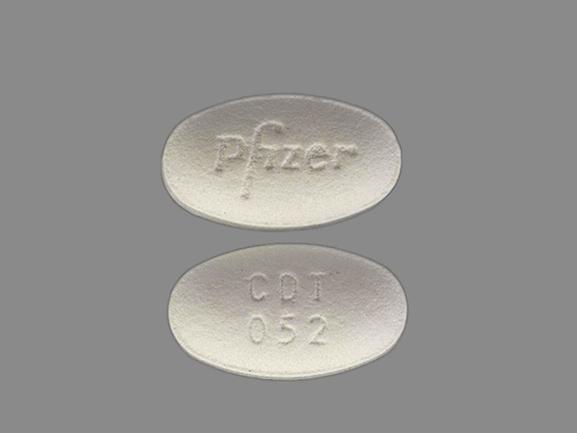
Caduet Side Effects
Generic name: amlodipine / atorvastatin
Medically reviewed by Drugs.com. Last updated on Dec 6, 2023.
Note: This document provides detailed information about Caduet Side Effects associated with amlodipine / atorvastatin. Some dosage forms listed on this page may not apply specifically to the brand name Caduet.
Applies to amlodipine / atorvastatin: oral tablet.
Precautions
It is important that your doctor check your progress at regular visits. This will allow your doctor to make sure the medicine is working properly to lower your cholesterol and triglyceride levels and blood pressure, and to decide if you should continue to take it. Blood tests may be needed to check for unwanted effects.
Using this medicine while you are pregnant can harm your unborn baby. Use an effective form of birth control to keep from getting pregnant. If you think you have become pregnant while using the medicine, tell your doctor right away.
Call your doctor right away if you have unexplained muscle pain, tenderness, or weakness, especially if you also have unusual tiredness or a fever. These may be symptoms of serious muscle problems, such as myopathy or immune-mediated necrotizing myopathy (IMNM).
Call your doctor right away if you have dark-colored urine, fever, muscle cramps or spasms, muscle pain or stiffness, or unusual tiredness or weakness. These could be symptoms of a serious muscle problem called rhabdomyolysis, which can cause kidney problems.
Make sure any doctor or dentist who treats you knows that you are using this medicine. You may need to stop using this medicine if you have a major surgery or injury.
Dizziness, lightheadedness, or fainting may also occur if you exercise or if the weather is hot. Heavy sweating can cause loss of too much water and result in low blood pressure. Use extra care during exercise or hot weather.
This medicine may worsen the symptoms of angina (chest pain) or increase risk of heart attack in certain patients with severe heart or blood vessel disease. Check with your doctor right away if you have chest pain that is worse than usual, trouble breathing, nausea or vomiting, pain or discomfort in your arms, jaw, back, or neck, feel faint, or you are sweating.
If you have been using this medicine regularly for several weeks, do not suddenly stop using it. Stopping suddenly may cause your chest pain or high blood pressure to come back or get worse. Check with your doctor for the best way to reduce gradually the amount you are taking before stopping completely.
Do not take other medicines unless they have been discussed with your doctor. This includes prescription or nonprescription (over-the-counter [OTC]) medicines and herbal or vitamin supplements.
Serious side effects of Caduet
Along with its needed effects, amlodipine/atorvastatin may cause some unwanted effects. Although not all of these side effects may occur, if they do occur they may need medical attention.
Check with your doctor immediately if any of the following side effects occur while taking amlodipine / atorvastatin:
More common side effects
- cough
- difficulty with swallowing
- dizziness
- fast heartbeat
- hives, itching, skin rash
- puffiness or swelling of the eyelids or around the eyes, face, lips, or tongue
- tightness in the chest
- unusual tiredness or weakness
Rare side effects
- chest pain or discomfort
- dilated neck veins
- extra heartbeats
- irregular breathing
- irregular heartbeat or pulse
- swelling of the face, fingers, feet, or lower legs
- weight gain
Incidence not known
- blistering, peeling, or loosening of the skin
- chills
- dark-colored urine
- diarrhea
- fever
- joint or muscle pain
- muscle cramps, spasms, or stiffness
- red, irritated eyes
- red skin lesions, often with a purple center
- sore throat
- sores, ulcers, or white spots in the mouth or on the lips
Get emergency help immediately if any of the following symptoms of overdose occur while taking amlodipine / atorvastatin:
Symptoms of overdose
- blurred vision
- confusion
- dizziness, faintness, or lightheadedness when getting up suddenly from a lying or sitting position
- feeling of warmth
- redness of the face, neck, arms, and occasionally, upper chest
- sweating
Other side effects of Caduet
Some side effects of amlodipine / atorvastatin may occur that usually do not need medical attention. These side effects may go away during treatment as your body adjusts to the medicine. Also, your health care professional may be able to tell you about ways to prevent or reduce some of these side effects.
Check with your health care professional if any of the following side effects continue or are bothersome or if you have any questions about them:
More common side effects
- body aches or pain
- congestion
- difficulty with moving
- headache
- lower back or side pain
- pain or tenderness around the eyes and cheekbones
- painful or difficult urination
- runny or stuffy nose
- tender, swollen glands in the neck
- voice changes
Less common side effects
- accidental injury
- acid or sour stomach
- belching
- bloated or full feeling
- difficulty having a bowel movement (stool)
- excess air or gas in the stomach or intestines
- general feeling of discomfort or illness
- heartburn
- indigestion
- lack or loss of strength
- loss of appetite
- nausea
- passing gas
- shivering
- sleepiness or unusual drowsiness
- stomach discomfort, upset, or pain
- trouble sleeping
- vomiting
Rare side effects
- anxiety
- bad, unusual, or unpleasant (after) taste
- blistering, crusting, irritation, itching, or reddening of the skin
- burning feeling in the chest or stomach
- burning while urinating
- change in near or distance vision
- change in taste
- change in the color of the skin
- cold and clammy skin
- cracked, dry, scaly skin
- difficulty in focusing eyes
- dry mouth
- dryness of the eyes
- excessive muscle tone
- frequent urination
- hair loss or thinning of the hair
- increased appetite
- increased volume of pale, dilute urine
- irritability
- lack of feeling or emotion
- loose stools
- loss of memory
- muscle tension, tightness, or weakness
- problems with memory
- restlessness
- severe and throbbing headache
- shakiness and unsteady walk
- sneezing
- tenderness in the stomach area
- transient, mild, or pleasant aromatic odor
- trembling, or other problems with muscle control or coordination
- twitching
- uncaring
- unsteadiness
- welts
See also:
For healthcare professionals
Applies to amlodipine / atorvastatin: oral tablet.
General adverse events
The most common side effect of amlodipine was edema. The most common side effects of atorvastatin were diarrhea, nasopharyngitis, and arthralgia.[Ref]
Gastrointestinal
- Common (1% to 10%): Abdominal pain, constipation, diarrhea, dyspepsia, nausea
- Uncommon (0.1% to 1%): Flatulence
Amlodipine:
- Common (1% to 10%): Nausea, abdominal pain, constipation, dyspepsia
- Uncommon (0.1% to 1%): Dysphagia, diarrhea, flatulence, pancreatitis, vomiting, gingival hyperplasia, dry mouth, flatulence, altered bowel habits
- Frequency not reported: Gastritis, loose stools
Atorvastatin:
- Very common (10% or more): Diarrhea (up to 14.1%)
- Common (1% to 10%): Dyspepsia, nausea, abdominal pain, constipation, flatulence
- Uncommon (0.1% to 1%): Abdominal discomfort, vomiting
- Rare (less than 0.1%): Eructation[Ref]
Respiratory
- Common (1% to 10%): Respiratory tract infection
- Uncommon (0.1% to 1%): Pharyngitis, rhinitis
Amlodipine:
- Common (1% to 10%): Epistaxis, respiratory tract infection
- Uncommon (0.1% to 1%): Dyspnea, pharyngitis, rhinitis
- Frequency not reported: Coughing
Atorvastatin:
- Very common (10% or more): Nasopharyngitis (up to 12.9%)
- Common (1% to 10%): Pharyngolaryngeal pain, respiratory tract infection, rhinitis
- Uncommon (0.1% to 1%): Pharyngitis, asthma
- Rare (less than 0.1%): Sinusitis
- Frequency not reported: Epistaxis, interstitial lung disease[Ref]
Musculoskeletal
- Common (1% to 10%): Back pain, arthralgia, myalgia
- Uncommon (0.1% to 1%): Leg cramps
Amlodipine:
- Common (1% to 10%): Back pain, myalgia, arthralgia
- Uncommon (0.1% to 1%): Arthrosis, muscle cramps, leg cramps
- Frequency not reported: Muscle weakness, twitching
Atorvastatin:
- Very common (10% or more): Arthralgia (up to 11.7%)
- Common (1% to 10%): Pain in extremity, musculoskeletal pain, muscle spasms, myalgia, back pain
- Uncommon (0.1% to 1%): Creatine kinase elevations 10 times the upper limit of normal or greater, leg cramps, neck pain
- Rare (less than 0.1%): Myositis, myopathy, muscle fatigue
- Frequency not reported: Joint swelling, blood creatine phosphokinase increased
- Postmarketing reports: Rhabdomyolysis, tendon rupture, immune-mediated necrotizing myopathy[Ref]
Other
- Common (1% to 10%): Accidental injury, asthenia, pain
- Uncommon (0.1% to 1%): Vertigo
Amlodipine:
- Very common (10% or more): Edema (up to 10.8%)
- Common (1% to 10%): Fatigue, accidental injury, asthenia, pain
- Uncommon (0.1% to 1%): Vertigo, malaise, rigors, tinnitus, gynecomastia
Atorvastatin:
- Common (1% to 10%): Accidental injury, asthenia
- Uncommon (0.1% to 1%): Pain, vertigo, deafness, malaise
- Rare (less than 0.1%): Tinnitus, pyrexia
- Postmarketing reports: Fatigue, gynecomastia[Ref]
Cardiovascular
- Common (1% to 10%): Palpitation, vasodilation, peripheral edema
- Uncommon (0.1% to 1%): Hypertension
Amlodipine:
- Common (1% to 10%): Flushing, palpitation, peripheral edema
- Uncommon (0.1% to 1%): Arrhythmia, bradycardia, chest pain, peripheral ischemia, tachycardia, vasculitis, hot flushes, vasodilation, hypotension, postural hypotension
- Frequency not reported: Cardiac failure, pulse irregularity, extrasystoles, myocardial infarction
Atorvastatin:
- Common (1% to 10%): Hypertension, palpitation
- Uncommon (0.1% to 1%): Vasodilation
- Postmarketing reports: Chest pain, peripheral edema[Ref]
Hepatic
- Common (1% to 10%): GGT increased, ALT increased, AST increased
Amlodipine:
- Uncommon (0.1% to 1%): GGT increased, ALT increased, AST increased, pancreatitis
- Postmarketing reports: Jaundice, hepatic enzyme elevations, hepatitis
Atorvastatin:
- Common (1% to 10%): Transaminase elevations 3 times the upper limit of normal or greater twice within 4 to 10 days
- Uncommon (0.1% to 1%): GGT increased, ALT increased, AST increased
- Rare (less than 0.1%): Pancreatitis, hepatitis, cholestasis
- Frequency not reported: Transaminases increased, liver function test abnormal, blood alkaline phosphatase increased
- Postmarketing reports: Fatal and non-fatal hepatic failure[Ref]
Nervous system
- Common (1% to 10%): Headache, dizziness
- Uncommon (0.1% to 1%): Paresthesia
Amlodipine:
- Common (1% to 10%): Dizziness, somnolence, headache
- Uncommon (0.1% to 1%): Syncope, hypoesthesia, neuropathy peripheral, paresthesia, tremor, postural dizziness
- Frequency not reported: Ataxia, hypertonia, migraine, amnesia, parosmia, taste perversion
- Postmarketing reports: Extrapyramidal disorder
Atorvastatin:
- Common (1% to 10%): Hemorrhagic stroke, headache, dizziness
- Uncommon (0.1% to 1%): Hypoesthesia, paresthesia
- Rare (less than 0.1%): Peripheral neuropathy
- Postmarketing reports: Cognitive impairment, amnesia, dysgeusia[Ref]
Immunologic
- Common (1% to 10%): Flu syndrome
- Uncommon (0.1% to 1%): Allergic reaction
Amlodipine:
- Common (1% to 10%): Allergic reaction
- Uncommon (0.1% to 1%): Flu syndrome
Atorvastatin:
- Common (1% to 10%): Flu syndrome
- Uncommon (0.1% to 1%): Allergic reaction, infection, influenza
- Rare (less than 0.1%): Hypersensitivity, anaphylaxis[Ref]
Dermatologic
- Common (1% to 10%): Rash
Amlodipine:
- Common (1% to 10%): Rash, rash erythematous
- Uncommon (0.1% to 1%): Angioedema, erythema multiforme, pruritus, rash maculopapular, sweating increased, purpura, alopecia
- Frequency not reported: Skin discoloration, urticaria, skin dryness, dermatitis, cold and clammy skin
Atorvastatin:
- Uncommon (0.1% to 1%): Rash, pruritus, urticaria
- Rare (less than 0.1%): Angioedema, alopecia
- Postmarketing reports: Angioneurotic edema, erythema multiforme, Stevens-Johnson syndrome, toxic epidermal necrolysis[Ref]
Psychiatric
- Uncommon (0.1% to 1%): Depression, insomnia
Amlodipine:
- Uncommon (0.1% to 1%): Insomnia, nervousness, depression, abnormal dreams, anxiety, depersonalization, mood changes
- Frequency not reported: Apathy, agitation
Atorvastatin:
- Common (1% to 10%): Insomnia
- Uncommon (0.1% to 1%): Depression, nightmare[Ref]
Genitourinary
- Uncommon (0.1% to 1%): Urinary frequency
Amlodipine:
- Common (1% to 10%): Male sexual dysfunction, urinary frequency
- Uncommon (0.1% to 1%): Female sexual dysfunction, micturition frequency, micturition disorder, nocturia
- Frequency not reported: Dysuria, polyuria
Atorvastatin:
- Common (1% to 10%): Urinary tract infection
- Uncommon (0.1% to 1%): Urinary frequency, erectile dysfunction
- Rare (less than 0.1%): White blood cells urine positive[Ref]
Metabolic
Amlodipine:
- Uncommon (0.1% to 1%): Anorexia, weight gain, weight decrease, hyperglycemia, thirst
- Frequency not reported: Increased appetite
Atorvastatin:
- Common (1% to 10%): Diabetes
- Uncommon (0.1% to 1%): Anorexia
- Rare (less than 0.1%): Hypoglycemia
- Frequency not reported: Hyperglycemia
- Postmarketing reports: Weight increased[Ref]
Ocular
Amlodipine:
- Uncommon (0.1% to 1%): Abnormal vision, conjunctivitis, diplopia, eye pain
- Frequency not reported: Abnormal visual accommodation, xerophthalmia
Atorvastatin:
- Uncommon (0.1% to 1%): Vision blurred[Ref]
Hematologic
Amlodipine:
- Uncommon (0.1% to 1%): Leukopenia, thrombocytopenia
Atorvastatin:
- Postmarketing reports: Thrombocytopenia[Ref]
References
1. (2004) "Product Information. Caduet (amlodipine-atorvastatin)." Pfizer U.S. Pharmaceuticals Group
2. Cerner Multum, Inc. "Australian Product Information."
More about Caduet (amlodipine / atorvastatin)
- Check interactions
- Compare alternatives
- Pricing & coupons
- Reviews (3)
- Drug images
- Latest FDA alerts (2)
- Dosage information
- During pregnancy
- Generic availability
- FDA approval history
- Drug class: antihyperlipidemic combinations
- En español
Patient resources
Professional resources
Related treatment guides
Further information
Caduet side effects can vary depending on the individual. Always consult your healthcare provider to ensure the information displayed on this page applies to your personal circumstances.
Note: Medication side effects may be underreported. If you are experiencing side effects that are not listed, submit a report to the FDA by following this guide.