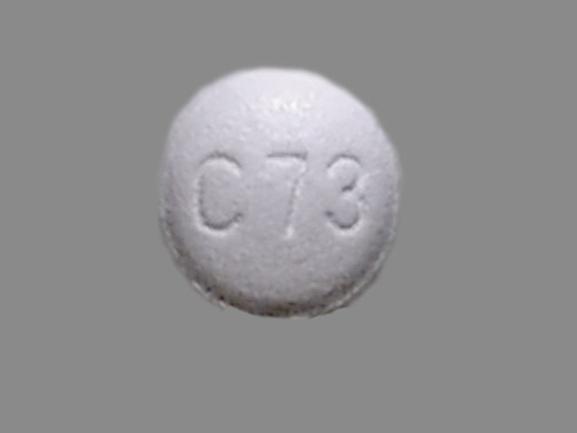
Azor Side Effects
Generic name: amlodipine / olmesartan
Medically reviewed by Drugs.com. Last updated on Apr 28, 2024.
Note: This document provides detailed information about Azor Side Effects associated with amlodipine / olmesartan. Some dosage forms listed on this page may not apply specifically to the brand name Azor.
Applies to amlodipine / olmesartan: oral tablet.
Important warnings
This medicine can cause some serious health issues
Oral route (tablet)
Drugs with direct action on the renin-angiotensin system can cause injury or death to the developing fetus when used during pregnancy.
Stop therapy as soon as possible if pregnancy occurs.
Precautions
It is very important that your doctor check your progress at regular visits to make sure this medicine is working properly. Blood and urine tests may be needed to check for unwanted effects.
Using this medicine while you are pregnant can harm your unborn baby, especially in your second or third trimester. Use an effective form of birth control to keep from getting pregnant. If you think you have become pregnant while using this medicine, tell your doctor right away. You may need to stop using this medicine and change to another blood pressure medicine.
Dizziness, lightheadedness, or fainting may also occur especially when you get up from a lying or sitting position or if you have been taking a diuretic (water pill). Make sure you know how you react to this medicine before you drive, use machines, or do anything else that could be dangerous if you are dizzy or not alert. If you feel dizzy, lie down so you do not faint. Then sit for a few moments before standing to prevent the dizziness from returning.
Check with your doctor right away if you become sick while taking this medicine, especially with severe or continuing nausea, vomiting, or diarrhea. These conditions may cause you to lose too much water and may lead to blood pressure. You can also lose water by sweating, so drink plenty of water during exercise or in hot weather.
Check with your doctor right away if you have chest pain that is worse than usual, trouble breathing, nausea, unusual sweating, faintness, or pain in your arms, jaw, back, or neck. This medicine may worsen the symptoms of an existing heart problem.
Severe, chronic diarrhea with weight loss may develop months to years after taking this medicine. Tell your doctor right away if you have these symptoms.
Do not take other medicines unless they have been discussed with your doctor. This includes prescription or nonprescription (over-the-counter [OTC]) medicines and herbal or vitamin supplements.
Serious side effects of Azor
Along with its needed effects, amlodipine / olmesartan may cause some unwanted effects. Although not all of these side effects may occur, if they do occur they may need medical attention.
Check with your doctor immediately if any of the following side effects occur while taking amlodipine / olmesartan:
More common side effects
- bloating or swelling of the face, arms, hands, lower legs, or feet
- rapid weight gain
Less common side effects
- fast, irregular, pounding, or racing heartbeat or pulse
- unusual tiredness or weakness
Incidence not known
- dark urine
- decreased urine output
- diarrhea
- fever
- itching, skin rash
- large, hive-like swelling on the face, eyelids, lips, tongue, throat, hands, legs, feet, or sex organs
- light-colored stools
- muscle pain or stiffness
- stomach pain
- upper right abdominal or stomach pain
- yellow eyes or skin
Other side effects of Azor
Some side effects of amlodipine / olmesartan may occur that usually do not need medical attention. These side effects may go away during treatment as your body adjusts to the medicine. Also, your health care professional may be able to tell you about ways to prevent or reduce some of these side effects.
Check with your health care professional if any of the following side effects continue or are bothersome or if you have any questions about them:
Less common side effects
- dizziness
- feeling of warmth
- redness of the face, neck, arms, and occasionally, upper chest
- sleepiness or unusual drowsiness
Incidence not known
- hives or welts
- redness of the skin
See also:
Lasix
Lasix is a loop diuretic used to treat fluid retention from heart, liver, or kidney conditions, and ...
Enalapril
Enalapril is used to treat high blood pressure, congestive heart failure and to improve survival ...
Botox
Botox is used cosmetically to reduce facial lines and wrinkles and for medical purposes for ...
Valsartan
Valsartan is an angiotensin II receptor blocker (ARB) that may be used to treat high blood pressure ...
Hydrochlorothiazide
HCTZ (hydrochlorothiazide) used to treat high blood pressure (hypertension) and edema. Includes ...
Atenolol
Atenolol is used to treat angina (chest pain) and hypertension (high blood pressure). Learn about ...
Furosemide
Furosemide is a loop diuretic used to treat fluid retention and high blood pressure by increasing ...
Metoprolol
Metoprolol is used to treat angina (chest pain) and hypertension (high blood pressure). Learn about ...
Losartan
Losartan is used to treat high blood pressure (hypertension). It is also used to lower the risk of ...
Lisinopril
Lisinopril is an ACE inhibitor. It is used to treat high blood pressure, congestive heart failure ...
For healthcare professionals
Applies to amlodipine / olmesartan: oral tablet.
General adverse events
The most common adverse reaction is edema.[Ref]
Other
- Very common (10% or more): Edema (up to 13.3%)
- Common (1% to 10%): Fatigue, peripheral edema, pitting edema
- Uncommon (0.1% to 1%): Asthenia
- Rare (less than 0.1%): Face edema
Amlodipine:
- Very common (10% or more): Edema (up to 24.5%)
- Common (1% to 10%): Fatigue, peripheral edema
- Uncommon (0.1% to 1%): Asthenia, chest pain, malaise, pain, pitting edema, gynecomastia
Olmesartan:
- Common (1% to 10%): Chest pain, fatigue, influenza-like symptoms, pain, peripheral edema, edema
- Uncommon (0.1% to 1%): Asthenia, face edema, malaise, pitting edema[Ref]
There was a greater incidence of edema in women (14.6%) than men (5.6%).[Ref]
Nervous system
- Common (1% to 10%): Dizziness, headache
- Uncommon (0.1% to 1%): Hypoesthesia, lethargy, paresthesia, postural dizziness, vertigo
- Rare (less than 0.1%): Syncope
Amlodipine:
- Common (1% to 10%): Dizziness, headache, somnolence
- Uncommon (0.1% to 1%): Dysgeusia, hypoesthesia, paresthesia, syncope, tremor, tinnitus, postural dizziness, vertigo, peripheral neuropathy
- Very rare (less than 0.01%): Hypertonia
- Frequency not reported: Extrapyramidal syndrome, ataxia, migraine, amnesia, parosmia
Olmesartan:
- Common (1% to 10%): Dizziness, headache
- Uncommon (0.1% to 1%): Vertigo
- Rare (less than 0.1%): Lethargy[Ref]
There was a greater incidence of somnolence in women (1.6%) than men (1.3%).[Ref]
Gastrointestinal
- Uncommon (0.1% to 1%): Constipation, diarrhea, dry mouth, dyspepsia, nausea, upper abdominal pain, vomiting
Amlodipine:
- Common (1% to 10%): Abdominal pain, nausea
- Uncommon (0.1% to 1%): Altered bowel habits, dry mouth, dyspepsia, vomiting, constipation, dysphagia, diarrhea, flatulence, pancreatitis, gingival hyperplasia
- Very rare (less than 0.01%): Gastritis
- Frequency not reported: Loose stools
Olmesartan:
- Common (1% to 10%): Abdominal pain, diarrhea, dyspepsia, gastroenteritis, nausea
- Uncommon (0.1% to 1%): Vomiting
- Very rare (less than 0.01%): Sprue-like enteropathy[Ref]
Cardiovascular
- Uncommon (0.1% to 1%): Palpitations, tachycardia, hypotension, orthostatic hypotension, hypertension
- Rare (less than 0.1%): Flushing
Amlodipine:
- Common (1% to 10%): Flushing, palpitation
- Uncommon (0.1% to 1%): Angina pectoris, hypotension, peripheral ischemia, tachycardia, postural hypotension, hot flushes, vasculitis
- Very rare (less than 0.01%): Arrhythmia, myocardial infarction
- Frequency not reported: Cardiac failure, pulse irregularity, extrasystoles
Olmesartan:
- Uncommon (0.1% to 1%): Angina pectoris, hypertension, tachycardia
- Rare (less than 0.1%): Hypotension[Ref]
There was a greater incidence of flushing and palpitation in women than men. The incidence of flushing was 4.5% in females and 1.5% in males. The incidence of palpitation was 3.3% in females and 1.4% in males.[Ref]
Musculoskeletal
- Uncommon (0.1% to 1%): Back pain, muscle spasm, pain in extremity
Amlodipine:
- Common (1% to 10%): Ankle swelling
- Uncommon (0.1% to 1%): Arthralgia, back pain, muscle spasm, myalgia, rigors, arthrosis, muscle cramps
- Frequency not reported: Muscle weakness, twitching
Olmesartan:
- Common (1% to 10%): Arthritis, back pain, skeletal pain, blood creatine phosphokinase increased
- Uncommon (0.1% to 1%): Myalgia, arthralgia
- Rare (less than 0.1%): Muscle spasm
- Frequency not reported: Rhabdomyolysis[Ref]
Genitourinary
- Uncommon (0.1% to 1%): Pollakiuria, erectile dysfunction/impotence
Amlodipine:
- Uncommon (0.1% to 1%): Increased urinary frequency, micturition disorder, nocturia, erectile dysfunction/impotence, gynecomastia, sexual dysfunction
- Frequency not reported: Dysuria, polyuria
Olmesartan:
- Common (1% to 10%): Hematuria, urinary tract infection[Ref]
Metabolic
- Uncommon (0.1% to 1%): Hyperkalemia, blood potassium decreased
Amlodipine:
- Uncommon (0.1% to 1%): Weight decreased, weight increased, anorexia, thirst, hyperglycemia
- Frequency not reported: Increased appetite
Olmesartan:
- Common (1% to 10%): Hypertriglyceridemia, hyperuricemia, hyperglycemia
- Rare (less than 0.1%): Hyperkalemia[Ref]
Respiratory
- Uncommon (0.1% to 1%): Cough, dyspnea
Amlodipine:
- Uncommon (0.1% to 1%): Dyspnea, rhinitis, epistaxis
- Very rare (less than 0.01%): Cough
Olmesartan:
- Common (1% to 10%): Bronchitis, cough, pharyngitis, rhinitis, sinusitis[Ref]
Renal
- Uncommon (0.1% to 1%): Blood creatinine increased, blood uric acid increased
Olmesartan:
- Common (1% to 10%): Blood urea increased
- Rare (less than 0.1%): Acute renal failure, renal insufficiency, blood creatinine increased[Ref]
Dermatologic
- Uncommon (0.1% to 1%): Rash
- Rare (less than 0.1%): Urticaria
Amlodipine:
- Uncommon (0.1% to 1%): Alopecia, exanthema, hyperhidrosis, pruritus, purpura, rash, skin discoloration, sweating increased, angioedema, rash erythematous, rash maculopapular
- Very rare (less than 0.01%): Angioneurotic edema, erythema multiforme, exfoliative dermatitis, photosensitivity, Quincke edema, Stevens-Johnson syndrome, urticaria
- Frequency not reported: Skin dryness, dermatitis, cold and clammy skin
Olmesartan:
- Uncommon (0.1% to 1%): Allergic dermatitis, exanthema, pruritus, rash, urticaria
- Rare (less than 0.1%): Angioneurotic edema
- Postmarketing reports: Angioedema, alopecia[Ref]
Psychiatric
- Uncommon (0.1% to 1%): Libido decreased
Amlodipine:
- Uncommon (0.1% to 1%): Depression, insomnia, irritability, mood changes, sleep disorder, nervousness, abnormal dreams, anxiety, depersonalization
- Rare (less than 0.1%): Confusion
- Frequency not reported: Apathy, agitation[Ref]
Hepatic
- Uncommon (0.1% to 1%): GGT increased
Amlodipine:
- Very rare (less than 0.01%): Hepatic enzymes increased, hepatitis, jaundice
Olmesartan:
- Common (1% to 10%): Hepatic enzymes increased[Ref]
Immunologic
- Rare (less than 0.1%): Allergic reaction/drug hypersensitivity
Amlodipine:
- Uncommon (0.1% to 1%): Allergic reactions
- Very rare (less than 0.01%): Allergic reaction/drug hypersensitivity
Olmesartan:
- Uncommon (0.1% to 1%): Anaphylactic reaction[Ref]
Ocular
Amlodipine:
- Uncommon (0.1% to 1%): Visual disturbance, abnormal vision, conjunctivitis, diplopia, eye pain
- Frequency not reported: Xerophthalmia[Ref]
Hematologic
- Frequency not reported: Hemoglobin decreased, hematocrit decreased
Amlodipine:
- Uncommon (0.1% to 1%): Leukopenia, thrombocytopenia
Olmesartan:
- Uncommon (0.1% to 1%): Thrombocytopenia[Ref]
References
1. Cerner Multum, Inc. "UK Summary of Product Characteristics."
2. (2007) "Product Information. Azor (amlodipine-olmesartan)." Daiichi Pharmaceuticals
3. Cerner Multum, Inc. "Australian Product Information."
More about Azor (amlodipine / olmesartan)
- Check interactions
- Compare alternatives
- Pricing & coupons
- Reviews (59)
- Drug images
- Dosage information
- During pregnancy
- Generic availability
- FDA approval history
- Drug class: angiotensin II inhibitors with calcium channel blockers
- En español
Patient resources
Professional resources
Related treatment guides
Further information
Azor side effects can vary depending on the individual. Always consult your healthcare provider to ensure the information displayed on this page applies to your personal circumstances.
Note: Medication side effects may be underreported. If you are experiencing side effects that are not listed, submit a report to the FDA by following this guide.