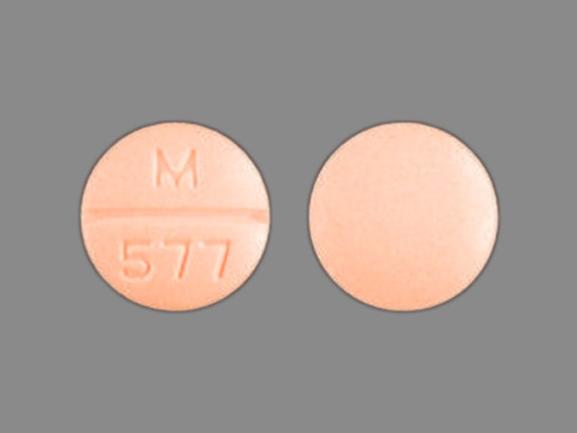
Amiloride / Hydrochlorothiazide Side Effects
Medically reviewed by Drugs.com. Last updated on Dec 2, 2024.
Applies to amiloride / hydrochlorothiazide: oral tablet.
Important warnings
This medicine can cause some serious health issues
Oral route (tablet)
May cause hyperkalemia, which is potentially fatal if uncorrected.
The risk is higher in patients with renal impairment or diabetes mellitus.
Monitor serum potassium levels carefully in any patient receiving therapy.
Precautions
It is very important that your doctor check your progress at regular visits to make sure this medicine is working properly and to decide if you should continue to take it. Blood and urine tests may be needed to check for unwanted effects.
Hyperkalemia (high potassium in the blood) may occur while you are using this medicine. Check with your doctor right away if you have stomach pain, confusion, irregular heartbeat, nausea or vomiting, nervousness, numbness or tingling in the hands, feet, or lips, trouble breathing, or weakness or heaviness of the legs.
Make sure your doctor knows if you are also taking potassium supplements or salt substitutes containing potassium, or certain diuretics such as spironolactone (Aldactazide®, Aldactone®), triamterene (Dyrenium®), or other products containing amiloride. Using these medicines together may cause serious problems.
This medicine may make you dizzy or drowsy. Avoid driving, using machines, or doing anything else that could be dangerous if you are not alert. Dizziness may be worse if you lose too much water from your body. You can lose water by sweating, having diarrhea, or vomiting. Tell your doctor if this medicine makes you feel lightheaded or dizzy after you have been vomiting or had diarrhea.
This medicine may increase your risk of getting skin cancer (eg, non-melanoma skin cancer). Avoid sun exposure. Use a sunscreen when you are outdoors. Avoid sunlamps and tanning beds. Talk to your doctor if you have concerns about this risk.
Alcohol, narcotic pain relievers, or sleeping pills may cause you to feel more lightheaded, dizzy, or faint when used with this medicine. Tell your doctor if you are drinking alcohol or using pain relievers or sleeping pills.
Do not take other medicines unless they have been discussed with your doctor. This especially includes over-the-counter (nonprescription) medicines for appetite control, asthma, colds, cough, hay fever, or sinus problems, since they may tend to increase your blood pressure.
Serious side effects
Along with its needed effects, amiloride/hydrochlorothiazide may cause some unwanted effects. Although not all of these side effects may occur, if they do occur they may need medical attention.
Check with your doctor immediately if any of the following side effects occur while taking amiloride / hydrochlorothiazide:
More common side effects
- confusion
- difficulty breathing
- irregular heartbeat
- nausea or vomiting
- nervousness
- numbness or tingling in the hands, feet, or lips
- stomach pain
- trouble breathing
- weakness or heaviness of the legs
Less common side effects
- dizziness
- fainting
- fast or slow heartbeat
- labored breathing
- tightness in the chest
Rare side effects
- ankle, knee, or great toe joint pain
- arm, back, or jaw pain
- blistering, peeling, or loosening of the skin
- bloody or black, tarry stools
- bloody urine
- burning while urinating
- burning, crawling, itching, numbness, prickling, "pins and needles", or tingling feelings
- chest pain, discomfort, or heaviness
- chills
- cloudy urine
- cold sweats
- coma
- constipation
- cough
- cracks in the skin
- decreased awareness or responsiveness
- decreased frequency or amount of urine
- diarrhea
- difficult or painful urination
- dizziness, faintness, or lightheadedness when getting up from a lying or sitting position suddenly
- dry mouth
- fever
- headache
- increase in heart rate
- increased blood pressure
- increased thirst
- itching
- joint pain, stiffness, or swelling
- lightheadedness
- loss of appetite
- loss of heat from the body
- lower back or side pain
- muscle pain or cramps
- pounding heartbeat or pulse
- rapid breathing
- red skin lesions, often with a purple center
- red, irritated eyes
- red, swollen skin
- scaly skin
- seizures
- severe sleepiness
- severe stomach pain
- sore throat
- sores, ulcers, or white spots in the mouth or on the lips
- sunken eyes
- sweating
- swelling of the face, ankles, hands, fingers, or lower legs
- trouble breathing
- unusual tiredness or weakness
- vomiting of blood or material that looks like coffee grounds
- weight gain
- wrinkled skin
Incidence not known
- persistent non-healing sore
- pink growth
- reddish patch or irritated area
- shiny bump
- white, yellow or scar-like area
Get emergency help immediately if any of the following symptoms of overdose occur while taking amiloride / hydrochlorothiazide:
Symptoms of overdose
- drowsiness
- irritability
- mood changes
- pain or weakness in the hands or feet
- trembling
- weak pulse
Other side effects
Some side effects of amiloride / hydrochlorothiazide may occur that usually do not need medical attention. These side effects may go away during treatment as your body adjusts to the medicine. Also, your health care professional may be able to tell you about ways to prevent or reduce some of these side effects.
Check with your health care professional if any of the following side effects continue or are bothersome or if you have any questions about them:
More common side effects
- rash
- weight loss
Less common side effects
- leg ache
Rare side effects
- bad taste
- bloated, full feeling
- blurred or loss of vision
- changes in appetite
- decreased interest in sexual intercourse
- discouragement
- disturbed color perception
- double vision
- excess air or gas in the stomach or intestines
- feeling of constant movement of self or surroundings
- feeling of warmth
- feeling sad or empty
- general feeling of discomfort or illness
- hair loss or thinning of hair
- hiccups
- inability to have or keep an erection
- increased sweating
- increased urge to urinate during the night
- indigestion
- loss in sexual ability, desire, drive, or performance
- loss of bladder control
- loss of interest or pleasure
- muscle spasm
- night blindness
- overbright appearance of lights
- passing of gas
- redness of the face, neck, arms, and occasionally upper chest
- seeing halos around lights
- sensation of spinning
- sleepiness
- sleeplessness
- stomach fullness or discomfort
- stuffy nose
- swelling of the breasts or breast soreness in both females and males
- trouble concentrating
- trouble sleeping
- tunnel vision
- unable to sleep
- waking to urinate at night
See also:
Lasix
Lasix is a loop diuretic used to treat fluid retention from heart, liver, or kidney conditions, and ...
Enalapril
Enalapril is used to treat high blood pressure, congestive heart failure and to improve survival ...
Botox
Botox is used cosmetically to reduce facial lines and wrinkles and for medical purposes for ...
Valsartan
Valsartan is an angiotensin II receptor blocker (ARB) that may be used to treat high blood pressure ...
Hydrochlorothiazide
HCTZ (hydrochlorothiazide) used to treat high blood pressure (hypertension) and edema. Includes ...
Atenolol
Atenolol is used to treat angina (chest pain) and hypertension (high blood pressure). Learn about ...
Furosemide
Furosemide is a loop diuretic used to treat fluid retention and high blood pressure by increasing ...
Metoprolol
Metoprolol is used to treat angina (chest pain) and hypertension (high blood pressure). Learn about ...
Losartan
Losartan is used to treat high blood pressure (hypertension). It is also used to lower the risk of ...
Lisinopril
Lisinopril is an ACE inhibitor. It is used to treat high blood pressure, congestive heart failure ...
For healthcare professionals
Applies to amiloride / hydrochlorothiazide: oral tablet.
General adverse events
The most common adverse reactions were headache, weakness, nausea/anorexia, dizziness, and rash.[Ref]
Gastrointestinal
- Common (1% to 10%): Nausea/anorexia, diarrhea, gastrointestinal pain, abdominal pain
- Frequency not reported: Constipation, gastrointestinal bleeding, gastrointestinal disturbance, abdominal fullness, vomiting, flatulence
Amiloride:
- Frequency not reported: Activation of probable preexisting peptic ulcer, dyspepsia, heartburn, dry mouth
Hydrochlorothiazide:
- Frequency not reported: Pancreatitis, sialadenitis, cramping, gastric irritation[Ref]
Dermatologic
- Common (1% to 10%): Rash, pruritus
- Frequency not reported: Diaphoresis, erythema multiforme, Stevens-Johnson syndrome, exfoliative dermatitis, toxic epidermal necrolysis, alopecia
Amiloride:
- Frequency not reported: Alopecia, itching, diaphoresis
Hydrochlorothiazide:
- Frequency not reported: Cutaneous vasculitis, photosensitivity, urticaria, purpura, toxic epidermal necrolysis[Ref]
Nervous system
- Common (1% to 10%): Headache, dizziness
- Frequency not reported: Syncope, paresthesia/numbness, vertigo, stupor, sleepiness, bad taste
Amiloride:
- Frequency not reported: Encephalopathy, tremors, tinnitus, somnolence[Ref]
Other
- Common (1% to 10%): Weakness, fatigue/tiredness
- Frequency not reported: Malaise, chest pain, digitalis toxicity, gynecomastia
Amiloride:
- Frequency not reported: Fatigability
Hydrochlorothiazide:
- Frequency not reported: Fever[Ref]
Metabolic
- Common (1% to 10%): Serum potassium greater than 5.5 mEq/L
- Frequency not reported: Appetite changes, anorexia, thirst, gout, dehydration, symptomatic hyponatremia, electrolyte imbalance, hyponatremia
Hydrochlorothiazide:
- Frequency not reported: Electrolyte imbalance, hyperglycemia, hyperuricemia, hypokalemia[Ref]
Cardiovascular
- Common (1% to 10%): Arrhythmia
- Frequency not reported: Tachycardia, orthostatic hypotension, angina pectoris, flushing
Amiloride:
- Frequency not reported: Palpitation, partial heart block increased to complete heart block
Hydrochlorothiazide:
- Frequency not reported: Vasculitis[Ref]
Musculoskeletal
- Common (1% to 10%): Leg ache
- Frequency not reported: Back pain, muscle cramps/spasm, joint pain
Amiloride:
- Frequency not reported: Painful extremities, neck/shoulder ache[Ref]
Respiratory
- Common (1% to 10%): Dyspnea
- Frequency not reported: Hiccups, nasal congestion
Amiloride:
- Frequency not reported: Shortness of breath, cough
Hydrochlorothiazide:
- Frequency not reported: Respiratory distress, pneumonitis, pulmonary edema[Ref]
Genitourinary
- Frequency not reported: Impotence, nocturia, dysuria, incontinence
Amiloride:
- Frequency not reported: Bladder spasm, polyuria, urinary frequency
Hydrochlorothiazide:
- Frequency not reported: Glycosuria[Ref]
Psychiatric
- Frequency not reported: Insomnia, nervousness, depression, mental confusion
Amiloride:
- Frequency not reported: Libido decreased
Hydrochlorothiazide:
- Frequency not reported: Restlessness[Ref]
Renal
- Frequency not reported: Renal dysfunction, renal failure
Hydrochlorothiazide:
- Frequency not reported: Interstitial nephritis[Ref]
Ocular
- Frequency not reported: Visual disturbance
Amiloride:
- Frequency not reported: Intraocular pressure increased
Hydrochlorothiazide:
- Frequency not reported: Transient blurred vision, xanthopsia[Ref]
Immunologic
- Frequency not reported: Anaphylactic reaction
Hydrochlorothiazide:
- Frequency not reported: Anaphylactic reaction[Ref]
Hematologic
Amiloride:
- Frequency not reported: Aplastic anemia, neutropenia
Hydrochlorothiazide:
- Frequency not reported: Aplastic anemia, agranulocytosis, leukopenia, hemolytic anemia, thrombocytopenia[Ref]
Hepatic
Amiloride:
- Frequency not reported: Abnormal liver function, jaundice
Hydrochlorothiazide:
- Frequency not reported: Intrahepatic cholestatic jaundice[Ref]
References
1. (2001) "Product Information. Moduretic (amiloride-hydrochlorothiazide)." Merck & Co., Inc
2. Cerner Multum, Inc. "UK Summary of Product Characteristics."
3. Cerner Multum, Inc. "Australian Product Information."
More about amiloride / hydrochlorothiazide
- Check interactions
- Compare alternatives
- Pricing & coupons
- Drug images
- Dosage information
- During pregnancy
- Drug class: potassium sparing diuretics with thiazides
- En español
Patient resources
- Hydrochlorothiazide and amiloride drug information
- Amiloride and hydrochlorothiazide (Advanced Reading)
Other brands
Professional resources
Related treatment guides
Further information
Amiloride/hydrochlorothiazide side effects can vary depending on the individual. Always consult your healthcare provider to ensure the information displayed on this page applies to your personal circumstances.
Note: Medication side effects may be underreported. If you are experiencing side effects that are not listed, submit a report to the FDA by following this guide.