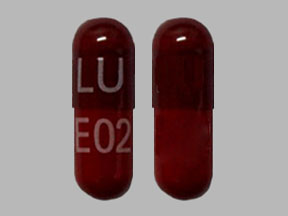
Rifampin (Monograph)
Brand names: Rifadin, Rimactane
Drug class: Antituberculosis Agents
Introduction
Antibacterial and antimycobacterial agent; semisynthetic derivative of rifamycin SV.
Uses for Rifampin
Tuberculosis
Treatment of active (clinical) tuberculosis (TB) in conjunction with other antituberculosis agents. IV rifampin is designated an orphan drug by FDA for this use.
First-line agent for treatment of all forms of active TB caused by Mycobacterium tuberculosis known or presumed to be susceptible to the drug. Essential component of multiple-drug regimens used in the initial intensive treatment phase and the continuation treatment phase.
Fixed-combination preparation containing rifampin and isoniazid (Rifamate) is used for treatment of pulmonary TB. Isoniazid and rifampin are both used in the initial intensive treatment phase and the continuation treatment phase, but manufacturer states that Rifamate is not recommended for initial therapy and the fixed-combination preparation should be used only after the patient has been treated with the individual components and efficacy of these drugs has been established.
Fixed-combination preparation containing rifampin, isoniazid, and pyrazinamide (Rifater) is used for treatment of pulmonary TB; designated an orphan drug by FDA for this use. Used only in the initial intensive treatment phase since pyrazinamide is not usually indicated for the continuation phase.
For initial treatment of active TB caused by drug-susceptible M. tuberculosis, recommended multiple-drug regimens consist of an initial intensive phase (2 months) and a continuation phase (4 or 7 months). Although the usual duration of treatment for drug-susceptible pulmonary and extrapulmonary TB (except disseminated infections and TB meningitis) is 6–9 months, ATS, CDC, and IDSA state that completion of treatment is determined more accurately by the total number of doses and should not be based solely on the duration of therapy. A longer duration of treatment (e.g., 12–24 months) usually is necessary for infections caused by drug-resistant M. tuberculosis.
Patients with treatment failure or drug-resistant M. tuberculosis, including multidrug-resistant (MDR) TB (resistant to both isoniazid and rifampin) or extensively drug-resistant (XDR) TB (resistant to both isoniazid and rifampin and also resistant to a fluoroquinolone and at least one parenteral second-line antimycobacterial such as capreomycin, kanamycin, or amikacin), should be referred to or managed in consultation with experts in the treatment of TB as identified by local or state health departments or CDC.
Latent Tuberculosis Infection
Treatment of latent tuberculosis infection (LTBI).
LTBI is asymptomatic infection with M. tuberculosis; usually defined as a positive tuberculin skin test (TST) or Quantiferon-TB gold test (QFT-G) with no evidence of active (clinical) TB. LTBI is treated to decrease the risk of progression to active TB.
Regimen of choice for treatment of LTBI is isoniazid monotherapy, unless the patient has been in contact with an individual with drug-resistant TB. Rifampin monotherapy is the preferred alternative and is especially useful in adults, adolescents, or children who have been exposed to isoniazid-resistant M. tuberculosis and those who cannot tolerate isoniazid. Rifabutin is used in those who cannot receive rifampin because of intolerance or because they are receiving other drugs that have clinically important interactions with rifampin (e.g., HIV patients receiving certain antiretroviral agents).
Although 2-drug regimens of rifampin and pyrazinamide were previously used for treatment of LTBI, these regimens have been associated with an increased risk of hepatotoxicity and are no longer recommended for treatment of LTBI. (See Hepatic Effects under Cautions.)
Treatment of LTBI in patients who have been exposed to a source case with drug-resistant TB, including MDR TB or XDR TB, should be managed in consultation with experts in the treatment of TB as identified by local or state health departments or CDC.
Prior to initiating treatment of LTBI, clinical (active) TB must be excluded using appropriate testing (e.g., radiographs).
Anthrax
Has been used in conjunction with other anti-infectives for treatment of inhalational anthrax† [off-label] following bioterrorism-related anthrax exposures.
Multiple-drug parenteral regimens are recommended for treatment of inhalational anthrax that occurs as the result of exposure to Bacillus anthracis spores in the context of biologic warfare or bioterrorism. Initiate treatment with IV ciprofloxacin or doxycycline and 1 or 2 other anti-infectives predicted to be effective (e.g., chloramphenicol, clindamycin, rifampin, vancomycin, clarithromycin, imipenem, penicillin, ampicillin); if meningitis is established or suspected, use IV ciprofloxacin (rather than doxycycline) and chloramphenicol, rifampin, or penicillin.
Bartonella Infections
Treatment of infections caused by Bartonella henselae† [off-label] (e.g., cat scratch disease, bacillary angiomatosis, peliosis hepatitis).
Cat scratch disease generally self-limited in immunocompetent individuals and may resolve in 2–4 months; some clinicians suggest that anti-infective therapy be considered for acutely or severely ill patients with systemic manifestations, particularly those with hepatosplenomegaly or painful lymphadenopathy, and such therapy probably is indicated in immunocompromised patients. Anti-infectives also indicated in patients with B. henselae infections who develop bacillary angiomatosis, neuroretinitis, or Parinaud's oculoglandular syndrome. Optimum regimens have not been identified; some clinicians recommend erythromycin, azithromycin, doxycycline, ciprofloxacin, rifampin, co-trimoxazole, or gentamicin.
Brucellosis
Treatment of brucellosis† [off-label] caused by Brucella melitensis. Used as an adjunct to other anti-infectives. Tetracyclines generally considered the drugs of choice; concomitant use of another anti-infective (e.g., streptomycin or gentamicin and/or rifampin) is recommended to reduce the likelihood of relapse, especially for severe infections and when there are complications such as meningitis, endocarditis, or osteomyelitis. Also has been used as an adjunct to co-trimoxazole or quinolones (ciprofloxacin, ofloxacin). Monotherapy is not recommended.
Postexposure prophylaxis following a high-risk exposure to Brucella † [off-label] (e.g., percutaneous or mucous membrane exposure or aerosolization of infectious material in the laboratory or livestock husbandry setting, exposure in the context of biologic warfare or bioterrorism). Postexposure prophylaxis not generally recommended after exposure to endemic brucellosis. Regimens recommended for postexposure prophylaxis are the same as those recommended for treatment of brucellosis.
Ehrlichiosis and Anaplasmosis
Alternative for treatment of human granulocytotropic anaplasmosis† [off-label] (HGA; formerly human granulocytic ehrlichiosis) caused by Anaplasma phagocytophilum (formerly Ehrlichia phagocytophila). Doxycycline is usual drug of choice for anaplasmosis; rifampin can be used for mild illness due to HGA in those who cannot receive doxycycline (e.g., children <8 years of age, pregnant women).
Rifampin is ineffective for treatment of Lyme disease; patients receiving rifampin for treatment of HGA who are coinfected with B. burgdorferi should receive amoxicillin or cefuroxime for treatment of Lyme disease.
Legionella Infections
Treatment of infections caused by Legionella pneumophila† (Legionnaires’ disease); used as an adjunct to a macrolide (e.g., azithromycin, erythromycin), a fluoroquinolone (e.g., ciprofloxacin, ofloxacin, levofloxacin), or a tetracycline (e.g., doxycycline).
Leprosy
Treatment of leprosy† in conjunction with other anti-infectives.
WHO and others recommend rifampin-based multiple-drug regimens (ROM) for treatment of all forms of leprosy, including multibacillary leprosy† (>5 skin lesions), paucibacillary leprosy† (2–5 lesions), and single-lesion paucibacillary leprosy† (single skin lesion with definite loss of sensation but without nerve trunk involvement).
Because rifampin is bactericidal against M. leprae, it is the principal component of multiple-drug regimens used for treatment of leprosy; other drugs are included in the regimens to prevent emergence of rifampin-resistant M. leprae.
Treatment of leprosy is complicated and should be undertaken in consultation with a specialist familiar with the disease (e.g., clinicians at the National Hansen's Disease Program at 800-642-2477 or ).
Mycobacterium avium Complex (MAC) Infections
Treatment of M. avium complex (MAC) pulmonary infections† in conjunction with other antimycobacterials.
For initial treatment of nodular/bronchiectatic pulmonary disease caused by macrolide-susceptible MAC, ATS and IDSA recommend a 3-times weekly regimen of clarithromycin (or azithromycin), ethambutol, and rifampin in most patients. For initial treatment of fibrocavitary or severe nodular/bronchiectatic pulmonary disease caused by macrolide-susceptible MAC, ATS and IDSA recommend a daily regimen of clarithromycin (or azithromycin), ethambutol, and rifampin (or rifabutin) and state that consideration can be given to adding amikacin or streptomycin during the first 2–3 months of treatment for extensive (especially fibrocavitary) disease or when previous therapy has failed.
Although either rifampin or rifabutin can be used in multiple-drug regimens for treatment of MAC infections, rifampin may be the preferred rifamycin for most patients with pulmonary MAC infections since it may be better tolerated (e.g., in older patients). Rifabutin may be the preferred rifamycin for treatment of disseminated MAC disease (especially in HIV-infected patients) since it appears to be more active in vitro against MAC and is associated with fewer drug interactions. Rifampin is not included in current ATS, CDC, NIH, and IDSA guidelines for treatment of disseminated MAC infections in HIV-infected individuals.
Treatment of MAC infections is complicated and should be directed by clinicians familiar with mycobacterial diseases; consultation with a specialist is particularly important when the patient cannot tolerate first-line drugs or when the infection has not responded to prior therapy or is caused by macrolide-resistant MAC. In addition, specialized references should be consulted for guidance on the use of rifamycins in HIV-infected patients receiving antiretroviral agents. (See Specific Drugs and Tests under Interactions.)
Mycobacterium kansasii and Other Mycobacterial Infections
Treatment of M. kansasii† infections in conjunction with other antimycobacterials. ATS and IDSA recommend a regimen of isoniazid, rifampin, and ethambutol for treatment of pulmonary or disseminated infections caused by rifampin-susceptible M. kansasii. If rifampin-resistant M. kansasii are involved, ATS and IDSA recommend a 3-drug regimen based on results of in vitro susceptibility testing, including clarithromycin (or azithromycin), moxifloxacin, ethambutol, sulfamethoxazole, or streptomycin.
Treatment of M. marinum† infections in conjunction with other antimycobacterials (e.g., ethambutol with or without clarithromycin). Optimum regimens not identified. Monotherapy (minocycline, clarithromycin, doxycycline, co-trimoxazole) may be effective for superficial cutaneous infections, but a multiple-drug regimen usually used for severe cutaneous infections or infections in immunocompromised individuals.
Treatment of M. ulcerans† infections with or without other antimycobacterials. ATS and IDSA state that preulcerative lesions can be effectively treated by excision and primary closure, rifampin monotherapy, or heat therapy. Surgical debridement with skin grafting usually is the treatment of choice for M. ulcerans infections since antimycobacterials generally are ineffective. However, postsurgical antimycobacterials may prevent relapse or metastasis of infections and a regimen of clarithromycin and rifampin is recommended to control complications of M. ulcerans ulcers.
Treatment of infections caused by M. xenopi† in conjunction with other antimycobacterials. Optimum regimens not established; in vivo response may not correlate with in vitro susceptibility. ATS and IDSA state that a regimen of clarithromycin, rifampin, and ethambutol generally has been used, although rate of relapse is high. A regimen of isoniazid, rifampin (or rifabutin), ethambutol, and clarithromycin (with or without streptomycin during initial treatment) also has been suggested.
Neisseria meningitidis Infections
Prophylaxis to prevent meningococcal disease in household or other close contacts of individuals with invasive meningococcal disease† when the risk of infection is high. Recommended regimens for such prophylaxis are rifampin (not recommended in pregnant women), ceftriaxone, or ciprofloxacin (not recommended in individuals <18 years of age unless no other regimen can be used and not recommended for pregnant or lactating women). AAP considers rifampin the drug of choice in most pediatric patients.
Elimination of nasopharyngeal carriage of Neisseria meningitidis. CDC and AAP recommend rifampin, ceftriaxone, or ciprofloxacin for such carriers. Manufacturers state rifampin should not be used indiscriminately and should be used only when the risk of meningococcal meningitis is high.
Should not be used for treatment of meningococcal infections; rapid emergence of resistant strains may occur during long-term therapy.
Rhodococcus Infections
Treatment of infections caused by Rhodococcus equi †; used in conjunction with vancomycin. Optimum regimens have not been identified; combination regimens usually are recommended, including vancomycin given with a fluoroquinolone, rifampin, a carbapenem (imipenem or meropenem), or amikacin.
Staphylococcal and Streptococcal Infections
Treatment of serious infections (bacteremia, pneumonia, and meningitis) caused by penicillin-resistant Streptococcus pneumoniae † or oxacillin-resistant Staphylococcus aureus or S. epidermidis † (previously known as methicillin-resistant S. aureus or S. epidermidis) in conjunction with other anti-infectives (e.g., third generation cephalosporins, vancomycin). Rifampin should not be used alone in the treatment of staphylococcal or streptococcal infections.
Prevention of Haemophilus influenzae Type b Infection
Chemoprophylaxis in contacts of patients with Haemophilus influenzae type b (Hib) infection†. Considered the most effective anti-infective for eradicating carriage of Hib. AAP and ACIP state rifampin is the drug of choice for chemoprophylaxis in contacts of patients with Hib infection.
In household contacts of patients with Hib infection, AAP recommends prophylaxis for all household contacts (except pregnant women), irrespective of age, in those households with at least one contact <48 months of age who is incompletely vaccinated against Hib, those households with an immunocompromised child (even if the child is >48 months of age), and those households where there is a child <12 months of age, irrespective of the vaccination status of the child.
In child-care and nursery school contacts of patients with Hib infection, AAP recommends prophylaxis for all attendees (regardless of age) if ≥2 cases of invasive disease have occurred within 60 days and there are unvaccinated or incompletely vaccinated children attending the facility. If a single case has occurred, the advisability of rifampin prophylaxis in exposed child-care groups with unimmunized or incompletely immunized children is controversial, but many experts recommend no prophylaxis.
Rifampin Dosage and Administration
Administration
Administer orally. May be given by IV infusion if oral therapy is not feasible. Should not be given IM or sub-Q.
Used in conjunction with other anti-infectives for treatment of active (clinical) TB, anthrax, brucellosis, legionella infections, leprosy, MAC or other mycobacterial infections, rhodococcus infections, and staphylococcal and streptococcal infections.
Fixed-combination preparations (Rifamate containing rifampin and isoniazid; Rifater containing rifampin, isoniazid, and pyrazinamide) can be used for treatment of active TB infection to reduce the pill burden and ensure compliance, especially when directly observed (supervised) therapy (DOT) cannot be used. A fixed-combination preparation should be used only when all drugs in the preparation are indicated.
Oral Administration
Administer single-entity rifampin or fixed-combination preparations (Rifamate , Rifater) orally with a full glass of water 1 hour before or 2 hours after a meal.
For individuals who are unable to swallow rifampin capsules and when lower doses are needed for children, a 1% suspension can be prepared using Syrup NF (simple syrup), Syrpalta syrup (Emerson Laboratories), or Raspberry syrup (HumCo Laboratories). To prepare a suspension containing rifampin 10 mg/mL, empty the contents of four 300-mg or eight 150-mg capsules and mix the contents vigorously with 20 mL of a recommended syrup; then further dilute with 100 mL of the syrup. Shake well prior to administration.
An oral liquid formulation of rifampin containing 25 mg/mL also has been extemporaneously compounded using the capsules and a commercially available vehicle.
Standardize 4 Safety
Standardized concentrations for an extemporaneously prepared oral liquid formulation of rifampin have been established through Standardize 4 Safety (S4S), a national patient safety initiative to reduce medication errors, especially during transitions of care. Because recommendations from the S4S panels may differ from the manufacturer’s prescribing information, caution is advised when using concentrations that differ from labeling, particularly when using rate information from the label. For additional information on S4S (including updates that may be available), see [Web].
|
Concentration Standards |
|---|
|
25 mg/mL |
IV Administration
Administer by IV infusion.
Avoid extravasation. Discontinue infusion and restart at another site if local irritation and inflammation occur at the site of infusion.
Reconstitution and Dilution
Reconstitute vial containing 600 mg of rifampin powder by adding 10 mL sterile water for injection and gently swirling the vial. Reconstituted solution contains 60 mg/mL.
Prior to administration, add the appropriate dose of reconstituted solution to 100 or 500 mL of 5% dextrose injection or 0.9% sodium chloride injection.
Rate of Administration
If infusion volume is 100 mL, give IV at a rate that allows complete infusion within 30 minutes.
If infusion volume is 500 mL, give IV at a rate that allows complete infusion within 3 hours.
Dosage
Oral and IV dosages are the same.
Dosage of Rifamate expressed as number of capsules; dosage of Rifater expressed as number of tablets.
Pediatric Patients
General Dosage for Infants and Children
Oral or IV
Children ≥1 month of age: AAP recommends 10–20 mg/kg (up to 600 mg) daily given in 1 or 2 divided doses for mild to moderate infections or 20 mg/kg (up to 600 mg) daily in 2 divided doses for severe infections.
Tuberculosis
Treatment of Active (Clinical) Tuberculosis
OralChildren <15 years of age or weighing ≤40 kg: 10–20 mg/kg (up to 600 mg) daily recommended by manufacturer, ATS, CDC, IDSA, AAP, and others. If an intermittent regimen is used, 10–20 mg/kg (up to 600 mg) 2 or 3 times weekly.
Adolescents ≥15 years of age: 10 mg/kg (up to 600 mg) daily. If an intermittent regimen is used, 10 mg/kg (up to 600 mg) 2 or 3 times weekly.
Rifater in adolescents ≥15 years of age: 4 tablets once daily in those weighing ≤44 kg, 5 tablets once daily in those weighing 45–54 kg, or 6 tablets once daily in those weighing ≥55 kg. Used only in the initial phase of treatment.
When used for the treatment of active TB in HIV-infected individuals with CD4+ T-cell counts <100/mm3, rifampin should be given at least 3 times weekly. CDC and others recommend these patients receive a once-daily regimen during the initial intensive treatment phase and either a once-daily or 3-times weekly regimen during the continuation phase.
IV10–20 mg/kg (up to 600 mg) daily.
Latent Tuberculosis Infection (LTBI)
Oral
10–20 mg/kg (up to 600 mg) once daily for 4–6 months. If daily regimen cannot be used, AAP states 10–20 mg/kg (up to 600 mg) twice weekly for 6 months can be administered using directly observed (supervised) therapy (DOT) .
ATS and CDC recommend that completion of therapy for LTBI be based on total number of administered doses rather duration of therapy alone. When rifampin monotherapy is used, at least 120 doses should be administered within 6 months. Ideally, patients should receive the drug on a regular dosing schedule until completed; in practice, some doses may be missed requiring the course to be lengthened. If the regimen is resumed after an interruption of ≥2 months, a medical examination is indicated to rule out active TB.
Brucellosis†
Treatment or Prevention†
Oral15–20 mg/kg (up to 600–900 mg) daily; given in conjunction with other anti-infectives.
For postexposure prophylaxis, continue for 3–6 weeks; for treatment, continue for 4–6 weeks (more prolonged therapy may be needed in serious infections or when there are complications).
Ehrlichiosis and Anaplasmosis†
Mild Anaplasmosis†
Oral10 mg/kg (up to 300 mg) twice daily for 7–10 days.
Leprosy†
Multibacillary Leprosy†
OralChildren <10 years of age: 300 mg once monthly in conjunction with dapsone (25 mg once daily) and clofazimine (50 mg twice weekly and 100 mg once monthly).
Children 10–14 years of age: 450 mg once monthly in conjunction with dapsone (50 mg once daily) and clofazimine (50 mg every other day and 150 mg once monthly).
Usual duration of treatment is 12 months. An additional 12 months of treatment may be necessary in some patients (e.g., those with a high baseline bacterial index who have no evidence of improvement or have evidence of deterioration after the initial 12 months of treatment).
Paucibacillary Leprosy†
OralChildren <10 years of age: 300 mg once monthly in conjunction with dapsone (25 mg once daily).
Children 10–14 years of age: 450 mg once monthly in conjunction with dapsone (50 mg once daily).
Usual duration of treatment is 6 months.
Single-lesion Paucibacillary Leprosy†
OralChildren 5–14 years of age: A single 300-mg dose of rifampin in conjunction with a single dose of ofloxacin (200 mg) and a single dose of minocycline (50 mg).
Children <5 years of age: Use an appropriately adjusted dose of each drug in the above single-dose regimen.
Neisseria meningitidis Infections
Prophylaxis in Household or Other Close Contacts†
OralNeonates <1 month of age: 5 mg/kg every 12 hours for 2 days.
Children ≥1 month of age: 10 mg/kg (up to 600 mg) every 12 hours for 2 days.
Initiate as soon as possible after contact, preferably within 24 hours after identification of the index case.
Elimination of Pharyngeal Carrier State
OralNeonates <1 month of age: 5 mg/kg every 12 hours for 2 days.
Children ≥1 month of age: 10 mg/kg (up to 600 mg) every 12 hours for 2 days.
Staphylococcal and Streptococcal Infections†
Meningitis Caused by S. pneumoniae †
IVChildren ≥1 month of age: 20 mg/kg daily given in divided doses every 12 hours; used as an adjunct to other anti-infectives (e.g., vancomycin).
Prevention of Haemophilus influenzae Type b Infection†
Oral
Neonates <1 month of age: Some clinicians recommend 10 mg/kg once daily for 4 consecutive days.
Children ≥1 month of age: 20 mg/kg (up to 600 mg) once daily for 4 consecutive days.
Adults
Tuberculosis
Treatment of Active (Clinical) Tuberculosis
Oral10 mg/kg (up to 600 mg) once daily recommended by the manufacturers, ATS, CDC, IDSA, and others. If an intermittent regimen is used, 10 mg/kg (up to 600 mg daily) 2 or 3 times weekly.
Rifamate: 2 capsules once daily.
Rifater: 4 tablets once daily in adults weighing ≤44 kg, 5 tablets once daily in adults weighing 45–54 kg, or 6 tablets once daily in adults weighing ≥55 kg. Used only in the initial phase of treatment.
When used for the treatment of active TB in HIV-infected individuals with CD4+ T-cell counts <100/mm3, rifampin should be given at least 3 times weekly. CDC and others recommend these patients receive a once-daily regimen during the initial intensive phase and either a once-daily or 3-times weekly regimen during the continuation phase.
IV10 mg/kg (up to 600 mg) once daily.
Latent Tuberculosis Infection (LTBI)
Oral
10 mg/kg (up to 600 mg) once daily for 4 months.
ATS and CDC recommend that completion of therapy for LTBI be based on total number of administered doses rather duration of therapy alone. When rifampin monotherapy is used, at least 120 doses should be administered within 6 months. Ideally, patients should receive the drug on a regular dosing schedule until completed; in practice, some doses may be missed requiring the course to be lengthened. If the regimen is resumed after an interruption of ≥2 months, a medical examination is indicated to rule out active TB.
Anthrax†
Inhalational Anthrax†
IV300 mg every 12 hours has been used in conjunction with other anti-infectives.
Anthrax Meningitis†
IV20 mg/kg daily in conjunction with other anti-infectives.
Brucellosis†
Oral
15–20 mg/kg (up to 600–900 mg) daily in conjunction with other anti-infectives. Some clinicians suggest 0.6–1.2 g daily in conjunction with other anti-infectives.
For postexposure prophylaxis, continue for 3–6 weeks; for treatment, continue for 4–6 weeks (more prolonged therapy may be needed in serious infections or when there are complications). Some clinicians state that 6–8 weeks of treatment may be necessary in patients with skeletal disease and ≥3 months (and possibly >6 months) of treatment may be necessary in those with meningoencephalitis or endocarditis.
Ehrlichiosis and Anaplasmosis†
Mild Anaplasmosis†
Oral300 mg twice daily for 7–10 days.
Leprosy†
Multibacillary Leprosy†
Oral600 mg once monthly in conjunction with dapsone (100 mg once daily) and clofazimine (50 mg once daily and 300 mg once monthly).
Usual duration of treatment is 12 months. An additional 12 months of treatment may be necessary in some patients (e.g., those with a high baseline bacterial index who have no evidence of improvement or have evidence of deterioration after the initial 12 months of treatment).
Paucibacillary Leprosy†
Oral600 mg once monthly in conjunction with dapsone (100 mg once daily).
Usual duration of treatment is 6 months.
Single-lesion Paucibacillary Leprosy†
OralA single 600-mg dose of rifampin in conjunction with a single dose of ofloxacin (400 mg) and a single dose of minocycline (100 mg).
Mycobacterium avium Complex (MAC) Infections†
Initial Treatment of Pulmonary MAC Infections (Nodular/bronchiectatic Disease) Caused by Macrolide-susceptible Strains†
Oral600 mg 3 times weekly in conjunction with ethambutol (25 mg/kg 3 times weekly) and either clarithromycin (1 g 3 times weekly) or azithromycin (500 mg 3 times weekly) recommended by ATS and IDSA. Continue until patient has been culture negative on treatment for 1 year.
Intermittent (3-times weekly) regimen is not recommended for those with cavitary or moderate or severe disease or those who have been previously treated.
Initial Treatment of Pulmonary MAC Infections (Fibrocavitary or Severe Nodular/bronchiectatic Disease) Caused by Macrolide-susceptible Strains†
Oral10 mg/kg (up to 600 mg) once daily in conjunction with ethambutol (15 mg/kg once daily) and either clarithromycin (0.5–1 g daily) or azithromycin (250 mg once daily) recommended by ATS and IDSA. Continue until patient has been culture negative on treatment for 1 year. Consideration can be given to including amikacin or streptomycin 3 times weekly during the first 2–3 months of treatment for extensive, especially fibrocavitary, disease or when previous therapy has failed.
Mycobacterium kansasii and Other Mycobacterial Infections†
Treatment of Pulmonary or Disseminated Infections Caused by Rifampin-susceptible M. kansasii†
Oral10 mg/kg (up to 600 mg) daily in conjunction with ethambutol (15 mg/kg once daily), isoniazid (5 mg/kg [up to 300 mg] daily), and pyridoxine (50 mg daily) recommended by ATS and IDSA.
Continue until patient has been culture negative on treatment for 1 year. A longer duration may be needed in HIV-infected individuals with disseminated infections.
Treatment of M. marinum Infections†
Oral600 mg daily in conjunction with ethambutol (15–25 mg/kg daily).
Optimal duration of treatment not known; continue for 3–6 months or until at least 1–2 months after resolution of symptoms.
Neisseria meningitidis Infections
Prophylaxis in Household or Other Close Contacts†
Oral600 mg every 12 hours for 2 days.
Initiate as soon as possible after contact, preferably within 24 hours after identification of the index case.
Elimination of Pharyngeal Carrier State
Oral or IV600 mg twice daily for 2 days.
Prevention of Haemophilus influenzae Type b Infection†
Oral
20 mg/kg (up to 600 mg) once daily for 4 consecutive days.
Prescribing Limits
Pediatric Patients
Tuberculosis
Active (Clinical) Tuberculosis
Oral or IVMaximum 600 mg per dose in once-daily or 2- or 3-times weekly regimens.
Latent Tuberculosis Infection (LTBI)
Oral or IV
Maximum 600 mg per dose in once-daily or twice-weekly regimens.
Brucellosis
Oral
Maximum 600–900 mg daily.
Ehrlichiosis and Anaplasmosis†
Mild Anaplasmosis†
OralMaximum 300 mg twice daily.
Neisseria meningitidis Infections
Prophylaxis or Elimination of Pharyngeal Carrier State
OralChildren ≥1 month of age: Maximum 600 mg every 12 hours.
Prevention of Haemophilus influenzae Type b Infection
Oral
Maximum 600 mg once daily.
Adults
Tuberculosis
Active (Clinical) Tuberculosis
Oral or IVMaximum 600 mg per dose in once-daily or 2- or 3-times weekly regimens.
Latent Tuberculosis Infection (LTBI)
Oral or IV
Maximum 600 mg once daily.
Brucellosis
Oral
Maximum 600–900 mg daily.
Mycobacterium avium Complex (MAC) Infections†
Initial Treatment of Pulmonary MAC Infections (Fibrocavitary or Severe Nodular/bronchiectatic Disease) Caused by Macrolide-susceptible Strains†
OralMaximum 600 mg once daily.
Mycobacterium kansasii and Other Mycobacterial Infections†
Treatment of Pulmonary or Disseminated Infections Caused by Rifampin-susceptible M. kansasii†
OralMaximum 600 mg daily.
Special Populations
Renal Impairment
Dosage adjustment not required in renal impairment or end-stage renal disease if dosage is ≤600 mg daily.
Cautions for Rifampin
Contraindications
-
Known hypersensitivity to rifampin or other rifamycins (rifabutin, rifapentine).
Warnings/Precautions
Warnings
Hepatic Effects
Hepatic dysfunction reported. Fatalities associated with jaundice reported in patients with preexisting liver disease or receiving other hepatotoxic agents. Discontinue if signs of hepatocellular damage occur. (See Hepatic Impairment under Cautions.)
Hyperbilirubinemia (resulting from competition between rifampin and bilirubin for excretory pathways in the liver) can occur shortly after initiation of rifampin therapy. An isolated report of a moderate increase in bilirubin and/or transaminase concentrations is not an indication to interrupt rifampin therapy; the decision to discontinue the drug should be made after repeating the tests, noting trends in the concentrations, and considering the patient’s clinical condition.
Transient abnormalities in liver function tests (e.g., elevated serum bilirubin, alkaline phosphatase, serum transaminases) and reduced biliary excretion of contrast media used for visualization of the gallbladder reported; the gallbladder test should be performed prior to the morning dose of rifampin.
Severe liver injuries, including some fatalities, have been reported in patients receiving a 2-drug regimen of pyrazinamide and rifampin (once daily for 2 months) for the treatment of LTBI. A 2-drug regimen of rifampin and pyrazinamide should be considered for treatment of LTBI only in carefully selected patients with close monitoring and only if potential benefits outweigh the risk of hepatotoxicity and death. If a rifampin and pyrazinamide regimen is used, monitor serum aminotransferases and bilirubin concentrations at baseline and at 2, 4, 6, and 8 weeks; assess patient at 2, 4, 6 and 8 weeks for adherence, tolerance, and adverse effects. Permanently discontinue in asymptomatic patients with an aminotransferase concentration >5 times the ULN, in patients with symptoms of hepatitis who have an aminotransferase concentration >ULN, and in patients who have serum bilirubin concentrations >ULN (regardless of the presence or absence of symptoms).
Patients with Porphyria
There have been isolated reports of exacerbation of porphyria in patients receiving rifampin; rifampin has enzyme-inducing properties, including induction of delta amino levulinic acid synthetase.
Sensitivity Reactions
Hypersensitivity Reactions
Hypersensitivity reactions characterized by flu-like syndrome with episodes of fever, chills, and sometimes with headache, dizziness, and bone pain reported. Edema of the face and extremities, decrease in blood pressure, shock, or dyspnea (sometimes accompanied by wheezing) also reported.
Pruritus, urticaria, acneiform eruptions, rash, pemphigoid reactions, erythema multiforme including Stevens-Johnson syndrome, toxic epidermal necrolysis, vasculitis, eosinophilia, sore mouth, sore tongue, exfoliative dermatitis, and exudative conjunctivitis reported. Anaphylaxis reported rarely.
Some cutaneous reactions, including flushing and pruritus (with or without rash), are mild and self-limiting and do not appear to be hypersensitivity reactions. More serious cutaneous reactions occur less frequently and do appear to be hypersensitivity reactions.
Sulfite Sensitivity
Rifampin sterile powder for injection contains sulfites, which may cause allergic-type reactions (including anaphylaxis and life-threatening or less severe asthmatic episodes) in certain susceptible individuals.
General Precautions
Endocrine Effects
Possible enhanced metabolism of endogenous substrates (e.g., cortisol, thyroid hormones, vitamin D) secondary to hepatic microsomal enzyme induction.
Decreased plasma concentrations of 25-hydroxy vitamin D (the major circulating metabolite of vitamin D) and/or 1α,25-dihydroxy vitamin D accompanied by decreased plasma calcium and phosphate concentrations and increased parathyroid hormone concentrations reported.
Discoloration of Body Fluids
Urine, sputum, sweat, or tears may have a reddish coloration. Soft contact lenses may become permanently stained.
Patient Monitoring
Obtain baseline measurements of liver function (hepatic enzymes, bilirubin) and hematologic status (CBC, platelet count) in adults receiving rifampin for treatment of TB; baseline tests not considered necessary in pediatric patients unless a complicating condition is known or suspected.
Evaluate patient at least monthly during therapy; question patient about adverse effects. Follow up all abnormalities, including laboratory monitoring, if indicated. Routine laboratory monitoring for drug-induced toxicity generally not necessary in patients with normal baseline test results.
Use of Fixed Combinations
When the fixed-combination preparations (Rifamate containing rifampin, isoniazid, and pyrazinamide or Rifater containing rifampin and isoniazid) are used, observe the usual precautions and contraindications associated with all drugs in the preparation. Use these preparations only when all drugs contained in the fixed combination are indicated.
Selection and Use of Anti-infectives
To reduce development of drug-resistant bacteria and maintain effectiveness of rifampin and other antibacterials, use only for treatment or prevention of infections proven or strongly suspected to be caused by susceptible bacteria.
When selecting or modifying anti-infective therapy, use results of culture and in vitro susceptibility testing. In the absence of such data, consider local epidemiology and susceptibility patterns when selecting anti-infectives for empiric therapy.
If used to eliminate nasopharyngeal carriage of N. meningitidis or for postexposure prophylaxis to prevent meningococcal disease, a short-term rifampin regimen (e.g., 2-day regimen) should be used since resistant strains of N. meningitidis may rapidly emerge during prolonged rifampin treatment. Rifampin should be used only when the risk of meningococcal disease is high. Appropriate diagnostic laboratory procedures (e.g., serotyping, in vitro susceptibility testing) should be performed.
Precautions Related to Treatment of Tuberculosis
When used for treatment of TB, there is some evidence that rifampin dosage >600 mg once daily or twice weekly is associated with a higher incidence of adverse reactions, including flu syndrome (fever, chills, malaise), hematopoietic reactions (leukopenia, thrombocytopenia, acute hemolytic anemia), cutaneous, GI, and hepatic reactions, shortness of breath, shock, anaphylaxis, and renal failure. Regimens using rifampin 600 mg twice weekly (in conjunction with isoniazid 15 mg/kg) are better tolerated.
Should not be used alone for the treatment of active TB; must be used in conjunction with other antituberculosis agents.
Clinical specimens for microscopic examination and mycobacterial cultures and in vitro susceptibility testing should be obtained prior to initiation of antituberculosis therapy and periodically during treatment to monitor therapeutic response. The antituberculosis regimen should be modified as needed. Patients with positive cultures after 4 months of treatment should be considered to have failed treatment (usually as the result of noncompliance or drug-resistant TB).
Compliance with the full course of antituberculosis therapy and all drugs included in the multiple-drug regimen is critical. Missed doses increase the risk of treatment failure and increase the risk that M. tuberculosis will develop resistance to the antituberculosis regimen.
To ensure compliance, ATS, CDC, IDSA, and AAP recommend that directly observed (supervised) therapy (DOT) be used for treatment of active (clinical) TB and for treatment of LTBI whenever possible, especially when intermittent regimens are used, when the patient is immunocompromised or infected with HIV, or when drug-resistant M. tuberculosis is involved.
When used for the treatment of active (clinical) TB in HIV-infected individuals with CD4+ T-cell counts <100/mm3, once- or twice-weekly rifampin regimens are associated with an increased risk of emergence of resistant M. tuberculosis. CDC and others recommend these patients receive once-daily or 3-times weekly rifampin regimens.
Specific Populations
Pregnancy
Category C.
A regimen of isoniazid, rifampin, and ethambutol is recommended by ATS, CDC, IDSA, and AAP for treatment of active TB in pregnant women.
Rifampin administration during the last few weeks of pregnancy can cause postnatal hemorrhages in the mother and infant; treat such hemorrhages with vitamin K. Some experts recommend prophylactic administration of vitamin K (10 mg) to neonates born to women who received rifampin during pregnancy.
Lactation
Distributed into milk. Discontinue nursing or the drug.
Pediatric Use
Used in pediatric patients for the treatment of active (clinical) TB and treatment of LTBI, to eliminate nasopharyngeal carriage of N. meningitidis, for chemoprophylaxis against meningococcal disease† or H. influenzae type b (Hib) infection†, and for treatment of leprosy†.
Rifater: Safety and efficacy not established in children <15 years of age; the ratio of rifampin and isoniazid in this preparation may not be appropriate for this age group.
Rifamate: Safety and efficacy not established in pediatric patients.
Geriatric Use
Insufficient experience in patients ≥65 years of age to determine whether geriatric patients respond differently than younger adults. Clinical experience has not identified differences in response relative to younger adults.
Use caution.
Hepatic Impairment
Use in patients with impaired liver function only when clearly necessary and only under strict medical supervision; fatalities associated with jaundice reported in patients with liver disease.
Monitor liver function (ALT and AST) before initiating therapy and every 2–4 weeks during therapy in patients with impaired hepatic function. Discontinue if signs of hepatocellular damage occur.
Exacerbation of porphyria reported.
Common Adverse Effects
GI effects (heartburn, epigastric distress, nausea, vomiting, anorexia, abdominal cramps, flatulence, diarrhea).
Drug Interactions
Induces certain CYP enzymes.
Drugs Affecting or Metabolized by Hepatic Microsomal Enzymes
Pharmacokinetic interactions likely with drugs metabolized by CYP enzymes; increased metabolism of these drugs.
Specific Drugs and Tests
|
Drug or Test |
Interaction |
Comments |
|---|---|---|
|
β-Adrenergic blocking agents |
Potential increased metabolism of the β-adrenergic blocking agent |
Dosage adjustment of the β-adrenergic blocking agent may be needed |
|
Aminosalicylic acid |
Decreased rifampin serum concentrations reported with certain aminosalicylic acid preparations; not reported with commercially available aminosalicylic acid delayed-release granules (Paser) |
May be caused by an excipient not included in commercially available aminosalicylic acid delayed-release granules (Paser) |
|
Antacids |
Possible decreased absorption of rifampin |
Administer rifampin at least 1 hour before antacids |
|
Antiarrhythmic agents (disopyramide, mexiletine, quinidine, tocainide) |
Potential increased metabolism of the antiarrhythmic agent |
Dosage adjustment of the antiarrhythmic agent may be needed |
|
Anticoagulants, oral |
Potential increased metabolism of warfarin and decreased anticoagulant effect |
Monitor PT daily or as frequently as necessary to establish and maintain required anticoagulant dosage |
|
Anticonvulsants (phenytoin) |
Potential increased phenytoin metabolism |
Dosage adjustment of phenytoin may be needed |
|
Antifungals, azole (fluconazole, itraconazole, ketoconazole, voriconazole) |
Decreased plasma concentrations of fluconazole, itraconazole, ketoconazole, or voriconazole; altered rifampin concentrations Antifungal efficacy may be decreased |
Itraconazole or ketoconazole: Concomitant use not recommended Fluconazole: If used with rifampin, fluconazole dosage may needed to be increased Voriconazole: Concomitant use contraindicated |
|
Antifungals, echinocandins (anidulafungin, caspofungin, micafungin) |
Caspofungin: Decreased caspofungin trough concentrations; no effect on rifampin concentrations Anidulafungin or micafungin: No evidence of pharmacokinetic interaction |
Caspofungin: Increase caspofungin dosage to 70 mg daily Anidulafungin or micafungin: Dosage adjustment not necessary |
|
Antiretrovirals, entry inhibitors |
Decreased AUC and concentrations of maraviroc |
Dosage adjustment necessary; if used with rifampin, use maraviroc dosage of 600 mg twice daily Some experts state concomitant use with rifampin not recommended and suggest use of rifabutin as an alternative |
|
Antiretrovirals, HIV fusion inhibitors |
Enfuvirtide: Pharmacokinetic interaction unlikely |
|
|
Antiretrovirals, HIV integrase inhibitors |
Decreased raltegravir concentrations |
Clinical importance unclear; use with caution or consider alternative |
|
Antiretrovirals, HIV protease inhibitors (PIs) |
Decreased concentrations of atazanavir, fosamprenavir, indinavir, lopinavir, nelfinavir, ritonavir, or saquinavir Possible decreased darunavir concentrations; possible decreased antiretroviral activity Possible decreased tipranavir concentrations; possible decreased antiretroviral activity and increased risk of tipranavir resistance |
Concomitant use with atazanavir, ritonavir-boosted darunavir, fosamprenavir, indinavir, ritonavir-boosted indinavir, fixed combination of lopinavir and ritonavir, nelfinavir, ritonavir, ritonavir-boosted saquinavir, or ritonavir-boosted tipranavir not recommended |
|
Antiretrovirals, nonnucleoside reverse transcriptase inhibitors (NNRTIs) |
Delavirdine, efavirenz, or nevirapine: Decreased plasma concentrations of the NNRTI Nevirapine: Potential for additive hepatotoxicity; virologic consequences uncertain |
Delavirdine: Concomitant use contraindicated Efavirenz: If used with rifampin, use efavirenz 600 mg once daily in patients weighing <50 kg or consider using efavirenz 800 mg once daily Nevirapine: Concomitant use not recommended; if used concomitantly, monitor carefully |
|
Antiretrovirals, nucleoside and nucleotide reverse transcriptase inhibitors (NRTIs) |
Zidovudine: Decreased plasma concentrations of the NRTI Tenofovir: Pharmacokinetic interaction unlikely |
Tenofovir: Dosage adjustments not necessary |
|
Atovaquone |
Decreased atovaquone concentrations and half-life; increased rifampin concentrations |
Concomitant use not recommended |
|
Barbiturates |
Potential increased metabolism of the barbiturate |
Dosage adjustment of the barbiturate may be needed |
|
Benzodiazepines (diazepam) |
Potential increased metabolism of diazepam |
Dosage adjustment of diazepam may be needed |
|
Calcium-channel blocking agents (diltiazem, nifedipine, verapamil) |
Potential increased metabolism of the calcium-channel blocking agent Decreased plasma verapamil concentrations; loss of therapeutic effect of oral verapamil reported |
Dosage adjustment of the calcium-channel blocking agent may be needed |
|
Cardiac glycosides |
Potential increased metabolism of the cardiac glycoside |
Dosage adjustment of the cardiac glycoside may be needed |
|
Chloramphenicol |
Potential increased metabolism of chloramphenicol |
Dosage adjustment of chloramphenicol may be needed |
|
Clofazimine |
Clinically important interaction unlikely in leprosy patients |
|
|
Clofibrate |
Potential increased metabolism of clofibrate |
Dosage adjustment of clofibrate may be needed |
|
Co-trimoxazole |
Increased rifampin concentrations |
|
|
Corticosteroids |
Potential increased metabolism of the corticosteroid |
Dosage adjustment of the corticosteroid may be needed |
|
Dapsone |
Potential increased metabolism and decreased plasma concentrations of dapsone |
Dosage adjustment of dapsone may be needed Dosage of dapsone used in multiple-drug regimens (rifampin with or without clofazimine) for treatment of leprosy is well established; change in dapsone dosage in these regimens not required |
|
Doxycycline |
Potential increased metabolism of doxycycline |
Dosage adjustment of doxycycline may be needed |
|
Enalapril |
Decreased concentrations of enalaprilat, the active metabolite |
Adjust enalapril dosage as required |
|
Erlotinib |
Possible decreased erlotinib AUC |
Avoid concomitant use if possible If alternative to rifampin cannot be used, consider increasing erlotinib dosage (as tolerated at 2-week intervals) during rifampin therapy and decreasing erlotinib dosage to usual dosage when rifampin is discontinued; closely monitor patient |
|
Fluoroquinolones (ciprofloxacin) |
Potential increased metabolism of ciprofloxacin; possible increased rifampin concentrations Lupus-like syndrome reported in a few patients receiving rifampin and ciprofloxacin |
Dosage adjustment of ciprofloxacin may be required |
|
Halothane |
Increased risk of hepatotoxicity |
Concomitant use not recommended |
|
Hormonal contraceptives |
Potential increased metabolism of the estrogen and/or progestin |
Use nonhormonal methods of contraception |
|
Immunosuppressive agents (cyclosporine, tacrolimus) |
Decreased concentrations of the immunosuppressive agent |
Monitor concentrations of the immunosuppressive agent; adjust dosage of the immunosuppressive agent accordingly |
|
Isoniazid |
Increased risk of hepatotoxicity |
Monitor closely for signs and symptoms of hepatotoxicity |
|
Levothyroxine |
Potential increased levothyroxine metabolism |
Dosage adjustment of levothyroxine may be needed |
|
Macrolides (clarithromycin) |
Potential increased metabolism of clarithromycin; possible increased rifampin concentrations Lupus-like syndrome reported in a few patients receiving rifampin and clarithromycin |
Dosage adjustment of clarithromycin may be needed |
|
Opiate agonists (methadone) |
Potential increased metabolism of the opiate agonist |
Dosage adjustment of the opiate agonist may be needed |
|
Probenecid |
Increased rifampin concentrations |
|
|
Psychotherapeutic agents (amitriptyline, haloperidol, nortriptyline) |
Potential increased metabolism of the psychotherapeutic agent |
Dosage adjustment of the psychotherapeutic agent may be needed |
|
Pyrazinamide |
Severe liver injuries, including some fatalities, reported in patients receiving a 2-month daily regimen of rifampin and pyrazinamide for treatment of LTBI |
Use of rifampin and pyrazinamide for treatment of LTBI should be considered only in carefully selected patients with close monitoring and only if potential benefits outweigh the risk of hepatotoxicity and death |
|
Quinine |
Possible decreased plasma concentrations of quinine |
Dosage adjustment of quinine may be needed |
|
Rosiglitazone |
Decreased rosiglitazone AUC |
Dosage adjustment of rosiglitazone may be needed |
|
Sulfasalazine |
Possible decreased plasma concentrations of sulfapyridine |
|
|
Sulfonylurea antidiabetic agents |
Potential increased metabolism of the sulfonylurea agent; diabetes may be more difficult to control |
Dosage adjustment of the antidiabetic agent may be needed |
|
Telithromycin |
Decreased telithromycin concentrations and AUC |
Avoid concomitant use |
|
Tests for opiates |
Possible cross-reactivity and false-positive results in opiate urine screening tests that use kinetic interaction of microparticles in solution (KIMS) method or opiate immunoassays |
Perform confirmatory tests (e.g., gas chromatography/mass spectrometry) |
|
Tests for serum folate and vitamin B12 |
Standard microbiologic assays for serum folate and vitamin B12 are inhibited by therapeutic rifampin concentrations |
Consider using alternative assays to determine serum folate and vitamin B12 |
|
Theophylline |
Potential increased metabolism of theophylline |
Dosage adjustment of theophylline may be needed |
|
Tinidazole |
Possible decreased tinidazole concentrations |
Rifampin Pharmacokinetics
Absorption
Bioavailability
Well absorbed from GI tract; peak plasma concentrations achieved within 1–4 hours following oral administration.
Food
Absorption reduced 30% when administered with food.
Special Populations
Plasma concentrations of rifampin are higher and more prolonged in patients with impaired hepatic function, especially in the presence of obstructive jaundice.
Distribution
Extent
Distributed into most body tissues and fluids including the liver, lungs, bile, pleural fluid, prostate, seminal fluid, ascitic fluid, CSF, saliva, tears, and bone.
CSF concentrations in patients with inflamed meninges reported to be 10–20% of concurrent plasma concentrations.
Rifampin crosses the placenta and is distributed into cord blood.
Distributed into milk.
Plasma Protein Binding
80–91%.
Elimination
Metabolism
Metabolized in the liver to a deacetylated derivative which possesses antibacterial activity. Rifampin undergoes enterohepatic circulation and is largely reabsorbed, but the metabolite is not.
Elimination Route
60% of an oral dose is excreted in feces via biliary elimination; 30% is excreted in urine as unchanged drug and active metabolite.
Not removed by hemodialysis or peritoneal dialysis.
Half-life
Adults: 3.35 hours after a single 600-mg dose or 5.08 hours after a single 900-mg dose. Following repeated doses in adults, half-life averages 2–3 hours.
Children 6 months to 4.8 years of age receiving a 10-mg/kg oral dose: 2.9 hours.
Children 3 months to 12.8 years of age receiving 300 mg/m2 by IV infusion over 30 minutes: Half-life ranges from 1.04–3.81 hours early in therapy and 1.17–3.19 hours after 5–14 days of therapy.
Special Populations
Dosage ≤600 mg daily in patients with renal failure: Half-life similar to that in those with normal renal function.
Single 900-mg oral dose in patients with renal impairment: Half-life increased compared with values reported in those with normal renal function. Mean plasma half-life increased from 3.6 hours in healthy adults to 5, 7.3, or 11 hours in those with GFR of 30–50 mL/minute, those with GFR <30 mL/minute, or in anuric patients, respectively.
Stability
Storage
Oral
Capsules
Avoid excessive heat; store in a dry place in tightly closed container.
Rifamate: Avoid excessive heat; store in a dry place in tightly closed container.
Tablets
Rifater: 15–30°C. Protect from excessive humidity.
Suspension
Extemporaneously prepared suspension containing 10 mg/mL (see Oral Administration under Dosage and Administration): Room temperature (25°C) or 2–8°C for up to 4 weeks.
Parenteral
Powder for Injection
15–30°C. Avoid temperatures >40°C; protect from light.
Solutions reconstituted with sterile water for injection (60 mg/mL) are stable at room temperature for 24 hours. Solutions that have been further diluted with 5% dextrose injection are stable at room temperature for up to 4 hours; these solutions should be used within 3–4 hours.
Manufacturer states that reconstituted solutions that have been further diluted with 0.9% sodium chloride are stable at room temperature for up to 24 hours; other information indicates substantial rifampin decomposition occurs in 24 hours; these solutions should be used within 3–4 hours.
Actions and Spectrum
-
A rifamycin structurally and pharmacologically similar to other rifamycins (rifabutin, rifapentine).
-
Usually bactericidal.
-
Suppresses initiation of chain formation for RNA synthesis in susceptible bacteria by inhibiting DNA-dependent RNA polymerase.
-
Spectrum of activity includes some gram-positive and -negative bacteria and some Mycobacterium.
-
Mycobacterium: Active in vitro against M. tuberculosis, M. bovis, M. marinum, M. kansasii, and some strains of M. fortuitum and M. avium complex. Also active against M. leprae.
-
Gram-positive bacteria: Active against S. aureus, S. epidermidis, and Bacillus anthracis.
-
Gram-negative bacteria: Active against N. meningitidis, H. influenzae, Brucella melitensis, and L. pneumophila. Also active against Ehrlichia canis, E. chaffeensis, and Anaplasma phagocytophilum.
-
Natural and acquired resistance to rifampin observed in vitro and in vivo in M. tuberculosis, M. kansasii, and N. meningitidis. Strains of M. leprae resistant to rifampin reported rarely. β-lactamase production has no effect on rifampin activity.
-
Cross-resistance occurs between rifampin and other rifamycin derivatives (rifabutin, rifapentine). M. tuberculosis resistant to rifampin usually are resistant to both rifabutin and rifapentine; only rarely are rifampin-resistant strains susceptible to rifabutin.
-
M. tuberculosis resistant to both isoniazid and rifampin (MDR TB) occurs. There also have been recent reports of extensively drug-resistant (XDR) TB in various parts of the world, including the US. XDR TB is caused by M. tuberculosis resistant to rifampin and isoniazid (multiple-drug resistant strains) that also are resistant to a fluoroquinolone and at least one parenteral second-line antimycobacterial (capreomycin, kanamycin, amikacin).
Advice to Patients
-
Advise patients that antibacterials (including rifampin) should only be used to treat bacterial infections and not used to treat viral infections (e.g., the common cold).
-
Importance of completing full course of therapy, even if feeling better after a few days.
-
Advise patients that skipping doses or not completing the full course of therapy may decrease effectiveness and increase the likelihood that bacteria will develop resistance and will not be treatable with rifampin or other antibacterials in the future.
-
Advise patients that poor compliance with antituberculosis regimens can result in treatment failure and development of drug-resistant TB, which can be life-threatening and lead to other serious health risks.
-
Importance of taking rifampin 1 hour before or 2 hours after a meal with a full glass of water.
-
Advise patient that rifampin may impart a reddish color to urine, feces, sweat, sputum, and tears. Soft contact lenses may become permanently stained.
-
Importance of informing clinicians if fever, loss of appetite, malaise, nausea, vomiting, darkened urine, yellow discoloration of the skin or eyes, or pain or swelling of the joints occurs.
-
Importance of informing clinicians of existing or contemplated therapy, including prescription and OTC drugs, as well as any concomitant illnesses.
-
Advise women that reliability of systemic hormonal contraceptives may be affected; alternative contraceptives should be considered.
-
Importance of women informing clinicians if they are or plan to become pregnant or plan to breast-feed.
-
Importance of informing patients of other important precautionary information. (See Cautions.)
Additional Information
The American Society of Health-System Pharmacists, Inc. represents that the information provided in the accompanying monograph was formulated with a reasonable standard of care, and in conformity with professional standards in the field. Readers are advised that decisions regarding use of drugs are complex medical decisions requiring the independent, informed decision of an appropriate health care professional, and that the information contained in the monograph is provided for informational purposes only. The manufacturer’s labeling should be consulted for more detailed information. The American Society of Health-System Pharmacists, Inc. does not endorse or recommend the use of any drug. The information contained in the monograph is not a substitute for medical care.
Preparations
Excipients in commercially available drug preparations may have clinically important effects in some individuals; consult specific product labeling for details.
Please refer to the ASHP Drug Shortages Resource Center for information on shortages of one or more of these preparations.
* available from one or more manufacturer, distributor, and/or repackager by generic (nonproprietary) name
|
Routes |
Dosage Forms |
Strengths |
Brand Names |
Manufacturer |
|---|---|---|---|---|
|
Oral |
Capsules |
150 mg* |
Rifadin |
Sanofi-Aventis |
|
rifAMPin Capsules |
Sandoz |
|||
|
300 mg* |
Rifadin |
Sanofi-Aventis |
||
|
rifAMPin Capsules |
Sandoz |
|||
|
Rimactane (with parabens) |
Actavis |
|||
|
Parenteral |
For injection |
600 mg* |
Rifadin IV (with sodium formaldehyde sulfoxylate) |
Sanofi-Aventis |
|
rifAMPin for Injection (with sodium formaldehyde sulfoxylate) |
Bedford |
* available from one or more manufacturer, distributor, and/or repackager by generic (nonproprietary) name
|
Routes |
Dosage Forms |
Strengths |
Brand Names |
Manufacturer |
|---|---|---|---|---|
|
Oral |
Capsules |
300 mg with Isoniazid 150 mg* |
Rifamate |
Sanofi-Aventis |
|
Rifampin and Isoniazid Capsules |
VersaPharm |
|||
|
Tablets |
120 mg with Isoniazid 50 mg and Pyrazinamide 300 mg |
Rifater (with povidone and propylene glycol) |
Sanofi-Aventis |
AHFS DI Essentials™. © Copyright 2025, Selected Revisions June 10, 2024. American Society of Health-System Pharmacists, Inc., 4500 East-West Highway, Suite 900, Bethesda, Maryland 20814.
† Off-label: Use is not currently included in the labeling approved by the US Food and Drug Administration.
Reload page with references included
Related/similar drugs
Frequently asked questions
- Do antibiotics affect the morning after pill?
- Can antibiotics delay or make your period late?
- How long do antibiotics affect birth control?
More about rifampin
- Check interactions
- Compare alternatives
- Pricing & coupons
- Reviews (22)
- Drug images
- Side effects
- Dosage information
- During pregnancy
- Drug class: rifamycin derivatives
- Breastfeeding
- En español
Patient resources
- Rifampin drug information
- Rifampin (Intravenous) (Advanced Reading)
- Rifampin (Oral) (Advanced Reading)