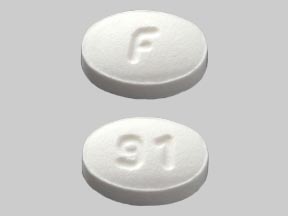
Ondansetron (Monograph)
Brand name: Zofran
Drug class: 5-HT3 Receptor Antagonists
VA class: GA700
Chemical name: 1,2,3,9-Tetrahydro-9-methyl-3-[(2-methyl-1H-imidazol-1-yl)methyl]-4H-carbazol-4-one monohydrochloride dihydrate
Molecular formula: C18H19N3O•ClH• 2H2O
CAS number: 103639-04-9
Introduction
Antiemetic; selective, first-generation inhibitor of type 3 serotonergic (5-HT3) receptors.
Uses for Ondansetron
Cancer Chemotherapy-induced Nausea and Vomiting
Prevention of nausea and vomiting associated with emetogenic cancer chemotherapy; may use orally with highly emetogenic chemotherapy (i.e., cisplatin ≥50 mg/m2) or initial and repeat courses of moderately emetogenic chemotherapy, or IV with initial and repeat courses of emetogenic chemotherapy, including high-dose cisplatin.
For prevention of nausea and vomiting associated with highly emetogenic chemotherapy regimens (including an anthracycline plus cyclophosphamide), ASCO recommends a 3-drug antiemetic regimen consisting of an NK1 receptor antagonist (e.g., either oral aprepitant or IV fosaprepitant), a 5-HT3 receptor antagonist (e.g., dolasetron, granisetron, ondansetron, palonosetron), and dexamethasone. ASCO states that fixed-combination netupitant and palonosetron plus dexamethasone is an additional treatment option.
For moderately emetogenic chemotherapy regimens, ASCO recommends a 2-drug antiemetic regimen preferably consisting of palonosetron and dexamethasone. If palonosetron is not available, a first-generation 5-HT3 receptor antagonist (preferably granisetron or ondansetron) may be substituted. Limited evidence suggests that aprepitant may be added to this regimen; in such cases, use of any 5-HT3 receptor antagonist is appropriate.
For chemotherapy regimens with a low emetogenic risk, ASCO recommends administration of a single dose of dexamethasone prior to chemotherapy.
For chemotherapy regimens with minimal emetogenic risk, ASCO states that routine antiemetic administration is not necessary.
Postoperative Nausea and Vomiting
Prevention of postoperative nausea and vomiting.
Routine prophylaxis not recommended in patients in whom there is little expectation that nausea and/or vomiting will occur postoperatively.
Recommended for patients who, in the clinician’s judgement, must avoid nausea and/or vomiting postoperatively, even when anticipated incidence is low.
Radiation-induced Nausea and Vomiting
Prevention of nausea and vomiting associated with radiation, either total body irradiation or single high-dose fraction or daily fractionated radiation to the abdomen.
Ondansetron Dosage and Administration
Administration
Administer orally, by IV infusion, or by IV or IM injection.
Oral Administration
Administer orally as conventional tablet, orally disintegrating tablet, or oral solution.
Commercially available oral solution and orally disintegrating tablets may be used interchangeably.
Do not remove orally disintegrating tablet from blister until just prior to dosing; do not push through foil. With dry hands, peel open blister package, and gently remove the tablet; place tablet on tongue to dissolve, and swallow with saliva.
Administration of orally disintegrating tablet with liquid is not necessary.
IV Administration
For prevention of cancer chemotherapy-induced nausea/vomiting, administer by IV infusion using diluted injection.
For prevention of postoperative nausea and vomiting, administer undiluted by IV injection.
Dilution
For IV infusion, dilute ondansetron hydrochloride injection in 50 mL of 5% dextrose injection or 0.9% sodium chloride injection.
For IV injection, no dilution required.
Rate of Administration
IV infusion: Infuse over 15 minutes.
IV injection: Inject over a period of ≥30 seconds, preferably over 2–5 minutes.
IM Administration
For prevention of postoperative nausea and vomiting in adults, may administer undiluted by IM injection as an alternative to IV injection. (See Postoperative Nausea and Vomiting under Dosage and Administration.)
Dosage
Available as ondansetron hydrochloride dihydrate (for oral or IV use) and as ondansetron base (orally disintegrating tablets); dosage expressed in terms of ondansetron.
Pediatric Patients
Cancer Chemotherapy-induced Nausea and Vomiting
Prevention
OralChildren 4–11 years of age: Initially, 4 mg given 30 minutes before administration of moderately emetogenic chemotherapy, followed by subsequent 4-mg doses given 4 and 8 hours after first dose. Continue with 4 mg every 8 hours for 1–2 days after completion of chemotherapy.
Children ≥12 years of age: Initially, 8 mg given 30 minutes before administration of moderately emetogenic chemotherapy, followed by a subsequent 8-mg dose given 8 hours after first dose. Continue with 8 mg every 12 hours for 1–2 days after completion of chemotherapy.
IVPediatric patients 6 months to 18 years of age: 0.15 mg/kg (maximum 16 mg per dose) by IV infusion beginning 30 minutes before start of emetogenic chemotherapy, followed by subsequent 0.15-mg/kg doses given 4 and 8 hours after first dose.
Postoperative Nausea and Vomiting
Prevention
IVInfants and children 1 month to 12 years of age weighing ≤40 kg: 0.1 mg/kg as a single dose by IV injection immediately before or after induction of anesthesia.
Children ≤12 years of age weighing >40 kg: 4 mg as a single dose by IV injection immediately before or after induction of anesthesia.
Treatment
IVInfants and children 1 month to 12 years of age weighing ≤40 kg: 0.1 mg/kg as a single dose by IV injection postoperatively, if nausea and/or vomiting occur shortly after surgery.
Children ≤12 years of age weighing >40 kg: 4 mg as a single dose by IV injection postoperatively, if nausea and/or vomiting occur shortly after surgery.
Efficacy of a second dose administered postoperatively after a single, prophylactic, preinduction IV dose has failed to achieve adequate control of postoperative nausea and vomiting has not been evaluated in children; such repeat doses are not effective in adults.
Adults
Cancer Chemotherapy-induced Nausea and Vomiting
Prevention
OralInitially, 8 mg given 30 minutes before administration of moderately emetogenic chemotherapy, followed by a subsequent 8-mg dose given 8 hours after first dose. Continue with 8 mg every 12 hours for 1–2 days after completion of chemotherapy.
24 mg as a single dose given 30 minutes before administration of single-day highly emetogenic chemotherapy.
IV0.15 mg/kg (maximum 16 mg per dose) by IV infusion beginning 30 minutes before administration of emetogenic chemotherapy, followed by 0.15 mg/kg infused 4 and 8 hours after first dose.
Single IV dose of 32 mg no longer recommended (see Cardiac Effects under Cautions); efficacy and safety of alternative single-dose IV regimens for prevention of cancer chemotherapy-induced nausea and vomiting not established.
Postoperative Nausea and Vomiting
Prevention
Oral16 mg as a single dose given 1 hour before induction of anesthesia.
IV4 mg as a single dose by IV injection (undiluted) immediately before induction of anesthesia.
Limited information available regarding dosage in patients weighing >80 kg.
If adequate control of postoperative nausea and vomiting is not achieved after a single, prophylactic, preinduction IV dose, a second IV dose postoperatively does not provide additional control of nausea and vomiting.
If nausea and/or vomiting occur shortly (within 2 hours) after surgery in a patient who did not receive prophylactic antiemetic therapy, 4 mg as a single dose by IV injection (undiluted) postoperatively.
IM4 mg as a single dose by IM injection (undiluted) as an alternative to IV administration.
Limited information available regarding dosage in patients weighing >80 kg.
Radiation-induced Nausea and Vomiting
Prevention, Usual Dosage
OralUsually, 8 mg 3 times daily.
Prevention, for Total Body Irradiation
Oral8 mg 1–2 hours before each fraction of radiotherapy administered each day.
Prevention, for Single High-dose Fraction Radiation to Abdomen
Oral8 mg 1–2 hours before radiotherapy, with subsequent doses every 8 hours after the first dose for 1–2 days after completion of radiotherapy.
Prevention, for Daily Fractionated Radiation to Abdomen
Oral8 mg 1–2 hours before radiotherapy, with subsequent doses every 8 hours after the first dose for each day radiotherapy is given.
Prescribing Limits
Pediatric Patients
Cancer Chemotherapy-induced Nausea and Vomiting
Prevention
IV0.15 mg/kg (maximum 16 mg per dose). (See Cardiac Effects under Cautions.)
Adults
Cancer Chemotherapy-induced Nausea and Vomiting
Prevention
IV0.15 mg/kg (maximum 16 mg per dose). (See Cardiac Effects under Cautions.)
Special Populations
Hepatic Impairment
Do not exceed total daily dosage of 8 mg (parenteral or oral) in patients with severe hepatic impairment (Child-Pugh score ≥10); no experience to date with continuation beyond the first day of IV therapy.
Renal Impairment
No dosage adjustment required, but no experience to date with continuation beyond the first day of therapy.
Geriatric Patients
No dosage adjustment required.
Cautions for Ondansetron
Contraindications
-
Known hypersensitivity to ondansetron or any ingredient in the formulation.
-
Concomitant use with apomorphine. (See Specific Drugs under Interactions.)
Warnings/Precautions
Sensitivity Reactions
Sensitivity reactions, including anaphylactic reaction, angioedema, bronchospasm, cardiopulmonary arrest, hypotension, laryngeal edema, laryngospasm, shock, shortness of breath, and stridor, reported rarely.
Possible hypersensitivity reactions in patients who have exhibited hypersensitivity to other selective 5-HT3 receptor antagonists.
Cardiac Effects
Dose-related prolongation of QT interval and cases of torsades de pointes reported. ECG alterations including QT-interval prolongation reported mainly with IV administration.
In healthy adults, IV ondansetron doses of 8 or 32 mg produced maximum mean baseline-corrected increases in QTc interval (QT interval corrected for heart rate using Fridericia’s formula) relative to placebo of 5.8 or 19.6 milliseconds, respectively. Individual IV doses should not exceed 16 mg. (See Dosage under Dosage and Administration.)
Avoid use of ondansetron in patients with congenital long QT syndrome.
Monitor ECG in patients with electrolyte abnormalities (e.g. hypokalemia, hypomagnesemia), CHF, or bradyarrhythmias and in those receiving other drugs known to prolong the QT interval. Correct electrolyte abnormalities prior to IV administration of ondansetron.
GI Precautions
Does not stimulate gastric or intestinal peristalsis; do not use as a substitute for nasogastric suction.
May mask progressive ileus and/or gastric distention in patients undergoing abdominal surgery or in those with chemotherapy-induced nausea and vomiting.
Phenylketonuria
Each 4- or 8-mg Zofran ODT orally disintegrating tablet contains aspartame (Nutrasweet), which is metabolized in the GI tract to provide <0.03 mg of phenylalanine per tablet.
Specific Populations
Pregnancy
Category B.
Lactation
Distributed into milk in rats; not known whether distributed into human milk. Caution advised if used in nursing women.
Pediatric Use
Safety and efficacy of oral or IV ondansetron for prevention of chemotherapy-induced emesis generally comparable to that in adults.
Little information available on IV use for prevention of postoperative nausea and vomiting in pediatric patients <1 month of age or for prevention of chemotherapy-induced nausea and vomiting in pediatric patients <6 months of age. Little information available on oral dosage in children ≤4 years of age.
Because clearance is reduced in infants 1–4 months of age compared with those >4 to 24 months of age, closely monitor infants <4 months of age. (See Half-life under Pharmacokinetics.)
Efficacy of single 24-mg oral dose for prevention of nausea and vomiting induced by highly emetogenic chemotherapy or oral therapy for prevention of radiation-induced or postoperative nausea and vomiting not established in children <18 years of age.
Geriatric Use
No substantial differences in safety or efficacy in patients >65 years of age relative to younger adults, but increased sensitivity cannot be ruled out.
Hepatic Impairment
Clearance is decreased and half-life increased in patients with hepatic impairment. Use with caution and at reduced dosage in patients with severe hepatic impairment. (See Special Populations under Dosage and Administration.)
Common Adverse Effects
Headache, diarrhea, dizziness, constipation, fever, drowsiness/sedation, shivers, malaise/fatigue, hypoxia, pyrexia, urinary retention, pruritus.
Drug Interactions
Substrate of CYP1A2, CYP2D6, and CYP3A4 in vitro; does not appear to induce or inhibit CYP isoenzymes.
Drugs Affecting Hepatic Microsomal Enzymes
Inhibitors or inducers of CYP1A2, CYP2D6, or CYP3A4; potential pharmacokinetic interaction (altered ondansetron metabolism). Based on available data, no dosage adjustment recommended for patients on these drugs.
Drugs that Prolong QT Interval
Potential additive effect on QT-interval prolongation. Monitor ECG during concomitant use. (See Cardiac Effects under Cautions.)
Specific Drugs
|
Drug |
Interaction |
Comments |
|---|---|---|
|
Alfentanil |
No change in respiratory depressant effects of alfentanil |
|
|
Antacids |
No effect on ondansetron bioavailability |
|
|
Apomorphine |
Profound hypotension and loss of consciousness reported |
Concomitant use contraindicated |
|
Atracurium |
No change in degree of neuromuscular blockade produced by atracurium |
|
|
Carbamazepine |
Substantial increase in ondansetron clearance (decreased plasma concentrations and half-life) |
On basis of available data, no dosage adjustment recommended |
|
Carmustine |
No effect on ondansetron pharmacokinetics |
|
|
Cisplatin |
No effect on ondansetron pharmacokinetics |
|
|
Diuretics |
May induce electrolyte disorders and increase risk of cardiac arrhythmias (e.g., QT-interval prolongation, torsades de pointes) |
|
|
Etoposide |
No effect on ondansetron pharmacokinetics |
|
|
Methotrexate |
IV ondansetron did not increase blood levels of high-dose methotrexate in pediatric patients |
|
|
Phenytoin |
Substantial increase in ondansetron clearance (decreased plasma concentrations and half-life) |
On basis of available data, no dosage adjustment recommended |
|
Rifampin |
Substantial increase in ondansetron clearance (decreased plasma concentrations and half-life) |
On basis of available data, no dosage adjustment recommended |
|
Temazepam |
No effect on temazepam pharmacokinetics or pharmacodynamics |
|
|
Tramadol |
No pharmacokinetic interaction observed, but possible increased tramadol dosage requirements for patient-controlled analgesia |
Ondansetron Pharmacokinetics
Absorption
Bioavailability
Well absorbed from GI tract after oral administration. Mean bioavailability after administration of single 8-mg tablet is approximately 56%; increased bioavailability expected with dosages >8 mg.
Peak plasma concentrations are attained approximately 1.5–2.2 hours after oral administration, approximately 25 minutes after IV infusion, or 41 minutes after IM injection.
Commercially available oral solution and orally disintegrating tablets (4- or 8-mg doses) are bioequivalent to corresponding doses of conventional tablets.
Food
Food slightly increases bioavailability.
Special Populations
Extent and rate of absorption are increased in women compared with men; not known whether differences are clinically important.
Distribution
Extent
Circulating drug distributes into erythrocytes.
Distributed into milk in rats; not known whether distributed into human milk.
Plasma Protein Binding
70–76%.
Elimination
Metabolism
Extensively metabolized in the liver via hydroxylation followed by subsequent glucuronide or sulfate conjugation. CYP isoenzymes 1A2, 2D6, and 3A4 are involved; role of CYP2D6 is relatively minor.
Exhibits nonlinear pharmacokinetics, possibly due to saturation of hepatic metabolism.
Elimination Route
<5% of a dose is excreted unchanged in urine.
Half-life
Adults: Approximately 3–3.5 hours after single 8-mg oral dose; approximately 4 hours after IV administration.
Children and adolescents 3–18 years of age: 2.4–3 hours after IV administration.
Infants 5–24 months of age: 2.9 hours after IV administration.
Infants 1–4 months of age: 6.7 hours after IV administration.
Special Populations
In patients with mild to moderate hepatic impairment, clearance is decreased 2-fold and half-life increased to 11.6 hours. In patients with severe hepatic impairment (Child-Pugh score ≥10), clearance is decreased 2- to 3-fold and half-life increased to 20 hours.
Although renal clearance contributes minimally to overall clearance, mean plasma clearance is reduced by about 50% in patients with severe renal impairment (Clcr <30 mL/minute); reduction in clearance is variable and not consistent with an increase in half-life.
In geriatric patients >75 years of age, clearance is decreased and half-life is increased to 4.5–6.2 hours.
Pharmacokinetics similar in poor and in extensive metabolizers of CYP2D6 substrates.
Stability
Storage
Oral
Conventional Tablets
Tight, light resistant containers at 2–30°C; protect from light.
Orally Disintegrating Tablets
2–30°C.
Solution
15–30°C; store bottles upright and protect from light.
Parenteral
Injection
2–30°C; protect from light.
Occasionally precipitates at the stopper/vial interface in vials stored upright; potency and safety not affected. If precipitate is found, vigorously shake vial to resolubilize.
Compatibility
Parenteral
Do not mix with solutions for which physical and chemical compatibility have not been established, particularly alkaline solutions, as precipitate may form.
Solution Compatibility
|
Compatible |
|---|
|
Dextrose 5% in water |
|
Dextrose 5% in water with potassium chloride 0.3% |
|
Dextrose 5% in sodium chloride 0.45 or 0.9% |
|
Mannitol 10% |
|
Ringer’s injection |
|
Ringer’s injection, lactated |
|
Sodium chloride 0.9% |
|
Sodium chloride 0.9% with potassium chloride 0.3% |
Drug Compatibility
|
Compatible |
|---|
|
Cisplatin |
|
Cyclophosphamide |
|
Cytarabine |
|
Dacarbazine |
|
Doxorubicin HCl |
|
Doxorubicin HCl with vincristine sulfate |
|
Etoposide |
|
Fluconazole with ranitidine HCl |
|
Hydromorphone HCl |
|
Meperidine HCl |
|
Methotrexate sodium |
|
Morphine sulfate |
|
Tramadol HCl |
|
Variable |
|
Dacarbazine with doxorubicin HCl |
|
Dexamethasone sodium phosphate |
|
Meropenem |
|
Methylprednisolone sodium succinate |
|
Compatible |
|---|
|
Aldesleukin |
|
Amifostine |
|
Amikacin sulfate |
|
Azithromycin |
|
Aztreonam |
|
Bleomycin sulfate |
|
Carboplatin |
|
Carmustine |
|
Caspofungin acetate |
|
Cefazolin sodium |
|
Cefotaxime sodium |
|
Cefoxitin sodium |
|
Ceftazidime |
|
Cefuroxime sodium |
|
Chlorpromazine HCl |
|
Cimetidine HCl |
|
Cisatracurium besylate |
|
Cisplatin |
|
Cladribine |
|
Clindamycin phosphate |
|
Cyclophosphamide |
|
Cytarabine |
|
Dacarbazine |
|
Dactinomycin |
|
Daunorubicin HCl |
|
Dexamethasone sodium phosphate |
|
Dexmedetomidine HCl |
|
Diphenhydramine HCl |
|
Docetaxel |
|
Dopamine HCl |
|
Doripenem |
|
Doxorubicin HCl |
|
Doxorubicin HCl liposome injection |
|
Doxycycline hyclate |
|
Droperidol |
|
Etoposide |
|
Etoposide phosphate |
|
Famotidine |
|
Fenoldopam mesylate |
|
Filgrastim |
|
Floxuridine |
|
Fluconazole |
|
Fludarabine phosphate |
|
Gallium nitrate |
|
Gemcitabine HCl |
|
Gentamicin sulfate |
|
Haloperidol lactate |
|
Heparin sodium |
|
Hetastarch in lactated electrolyte injection (Hextend) |
|
Hydrocortisone sodium succinate |
|
Hydromorphone HCl |
|
Hydroxyzine HCl |
|
Ifosfamide |
|
Imipenem–cilastatin sodium |
|
Linezolid |
|
Magnesium sulfate |
|
Mannitol |
|
Mechlorethamine HCl |
|
Melphalan HCl |
|
Meperidine HCl |
|
Mesna |
|
Methotrexate sodium |
|
Metoclopramide HCl |
|
Mitomycin |
|
Mitoxantrone HCl |
|
Morphine sulfate |
|
Oxaliplatin |
|
Paclitaxel |
|
Paclitaxel with ranitidine HCl |
|
Pentostatin |
|
Piperacillin sodium–tazobactam sodium |
|
Potassium chloride |
|
Prochlorperazine edisylate |
|
Promethazine HCl |
|
Ranitidine HCl |
|
Remifentanil HCl |
|
Sodium acetate |
|
Streptozocin |
|
Teniposide |
|
Thiotepa |
|
Ticarcillin disodium–clavulanate potassium |
|
Topotecan HCl |
|
Vancomycin HCl |
|
Vinblastine sulfate |
|
Vincristine sulfate |
|
Vinorelbine tartrate |
|
Zidovudine |
|
Incompatible |
|
Acyclovir sodium |
|
Allopurinol sodium |
|
Aminophylline |
|
Amphotericin B |
|
Amphotericin B cholesteryl sulfate complex |
|
Ampicillin sodium |
|
Ampicillin sodium–sulbactam sodium |
|
Amsacrine |
|
Cefepime HCl |
|
Furosemide |
|
Ganciclovir sodium |
|
Lorazepam |
|
Methylprednisolone sodium succinate |
|
Micafungin sodium |
|
Pemetrexed disodium |
|
Piperacillin sodium |
|
Sargramostim |
|
Sodium bicarbonate |
|
Variable |
|
Fluorouracil |
|
Meropenem |
Actions
-
Antiemetic activity appears to be mediated both centrally (in medullary chemoreceptor trigger zone) and peripherally (in GI tract) via inhibition of 5-HT3 receptors.
-
For patients taking orally disintegrating tablets, importance of not removing tablet from blister until just before administering dose and of not pushing tablet through foil; importance of opening blister pack with dry hands and of placing tablet on tongue to dissolve and be swallowed with saliva.
-
Risk of QT-interval prolongation and torsades de pointes. Importance of seeking immediate medical care if feelings of faintness, lightheadedness, irregular heartbeat, shortness of breath, or dizziness occur.
-
Importance of informing patients with phenylketonuria that orally disintegrating tablets contain aspartame.
-
Importance of women informing clinicians if they are or plan to become pregnant or plan to breast-feed.
-
Importance of informing clinicians of existing or contemplated concomitant therapy, including prescription and OTC drugs.
-
Importance of advising patients of other important precautionary information. (See Cautions.)
Preparations
Excipients in commercially available drug preparations may have clinically important effects in some individuals; consult specific product labeling for details.
Please refer to the ASHP Drug Shortages Resource Center for information on shortages of one or more of these preparations.
* available from one or more manufacturer, distributor, and/or repackager by generic (nonproprietary) name
|
Routes |
Dosage Forms |
Strengths |
Brand Names |
Manufacturer |
|---|---|---|---|---|
|
Oral |
Tablets, orally disintegrating |
4 mg* |
Ondansetron Orally Disintegrating Tablets |
|
|
ZofranODT |
GlaxoSmithKline |
|||
|
8 mg* |
Ondansetron Orally Disintegrating Tablets |
|||
|
ZofranODT |
GlaxoSmithKline |
* available from one or more manufacturer, distributor, and/or repackager by generic (nonproprietary) name
|
Routes |
Dosage Forms |
Strengths |
Brand Names |
Manufacturer |
|---|---|---|---|---|
|
Oral |
Solution |
4 mg (of ondansetron) per 5 mL* |
Ondansetron Hydrochloride Oral Solution |
|
|
Zofran |
GlaxoSmithKline |
|||
|
Tablets, film-coated |
4 mg (of ondansetron)* |
Ondansetron Hydrochloride Tablets |
||
|
Zofran |
GlaxoSmithKline |
|||
|
8 mg (of ondansetron)* |
Ondansetron Hydrochloride Tablets |
|||
|
Zofran |
GlaxoSmithKline |
|||
|
Parenteral |
Injection, for IV use |
2 mg (of ondansetron) per mL* |
Ondansetron Hydrochloride Injection |
|
|
Zofran |
GlaxoSmithKline |
AHFS DI Essentials™. © Copyright 2025, Selected Revisions January 20, 2017. American Society of Health-System Pharmacists, Inc., 4500 East-West Highway, Suite 900, Bethesda, Maryland 20814.
Reload page with references included
Related/similar drugs
Frequently asked questions
More about ondansetron
- Check interactions
- Compare alternatives
- Pricing & coupons
- Reviews (502)
- Drug images
- Side effects
- Dosage information
- Patient tips
- During pregnancy
- Support group
- Drug class: 5HT3 receptor antagonists
- Breastfeeding
Patient resources
- Ondansetron drug information
- Ondansetron injection
- Ondansetron (Oral, Oromucosal) (Advanced Reading)
Professional resources
- Ondansetron prescribing information
- Ondansetron Injection (FDA)
- Ondansetron ODT (FDA)
- Ondansetron Oral Solution (FDA)