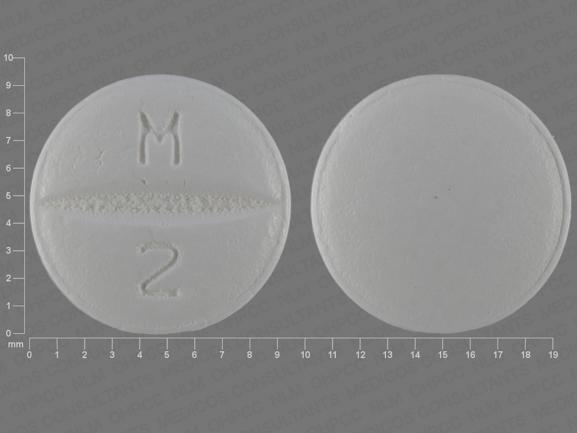
Metoprolol (Monograph)
Brand names: Toprol XL, Lopressor
Drug class: beta-Adrenergic Blocking Agents
Introduction
β1-Selective adrenergic blocking agent (β-blocker).
Uses for Metoprolol
Hypertension
Management of hypertension (alone or in combination with other classes of antihypertensive agents).
β-Blockers generally not preferred for first-line therapy of hypertension according to current evidence-based hypertension guidelines, but may be considered in patients who have a compelling indication (e.g., prior MI, ischemic heart disease, heart failure) for their use or as add-on therapy in those who do not respond adequately to the preferred drug classes (ACE inhibitors, angiotensin II receptor antagonists, calcium-channel blockers, or thiazide diuretics). Metoprolol succinate and metoprolol tartrate are two of several β-blockers (including bisoprolol, carvedilol, nadolol, propranolol, and timolol) recommended by a 2017 ACC/AHA multidisciplinary hypertension guideline as first-line therapy for hypertension in patients with stable ischemic heart disease/angina.
Individualize choice of therapy; consider patient characteristics (e.g., age, ethnicity/race, comorbidities, cardiovascular risk) as well as drug-related factors (e.g., ease of administration, availability, adverse effects, cost).
The 2017 ACC/AHA hypertension guideline classifies BP in adults into 4 categories: normal, elevated, stage 1 hypertension, and stage 2 hypertension. (See Table 1.)
Source: Whelton PK, Carey RM, Aronow WS et al. 2017 ACC/AHA/AAPA/ABC/ACPM/AGS/APhA/ASH/ASPC/NMA/PCNA guideline for the prevention, detection, evaluation, and management of high blood pressure in adults: a report of the American College of Cardiology/American Heart Association Task Force on Clinical Practice Guidelines. Hypertension. 2018;71:e13-115.
Individuals with SBP and DBP in 2 different categories (e.g., elevated SBP and normal DBP) should be designated as being in the higher BP category (i.e., elevated BP).
|
Category |
SBP (mm Hg) |
DBP (mm Hg) |
|
|---|---|---|---|
|
Normal |
<120 |
and |
<80 |
|
Elevated |
120–129 |
and |
<80 |
|
Hypertension, Stage 1 |
130–139 |
or |
80–89 |
|
Hypertension, Stage 2 |
≥140 |
or |
≥90 |
The goal of hypertension management and prevention is to achieve and maintain optimal control of BP. However, the BP thresholds used to define hypertension, the optimum BP threshold at which to initiate antihypertensive drug therapy, and the ideal target BP values remain controversial.
The 2017 ACC/AHA hypertension guideline generally recommends a target BP goal (i.e., BP to achieve with drug therapy and/or nonpharmacologic intervention) <130/80 mm Hg in all adults regardless of comorbidities or level of atherosclerotic cardiovascular disease (ASCVD) risk. In addition, an SBP goal of <130 mm Hg generally is recommended for noninstitutionalized ambulatory patients ≥65 years of age with an average SBP of ≥130 mm Hg. These BP goals are based upon clinical studies demonstrating continuing reduction of cardiovascular risk at progressively lower levels of SBP.
Other hypertension guidelines generally have based target BP goals on age and comorbidities. Guidelines such as those issued by the JNC 8 expert panel generally have targeted a BP goal of <140/90 mm Hg regardless of cardiovascular risk and have used higher BP thresholds and target BPs in elderly patients compared with those recommended by the 2017 ACC/AHA hypertension guideline.
Some clinicians continue to support previous target BPs recommended by JNC 8 due to concerns about the lack of generalizability of data from some clinical trials (e.g., SPRINT study) used to support the 2017 ACC/AHA hypertension guideline and potential harms (e.g., adverse drug effects, costs of therapy) versus benefits of BP lowering in patients at lower risk of cardiovascular disease.
Consider potential benefits of hypertension management and drug cost, adverse effects, and risks associated with the use of multiple antihypertensive drugs when deciding a patient's BP treatment goal.
For decisions regarding when to initiate drug therapy (BP threshold), the 2017 ACC/AHA hypertension guideline incorporates underlying cardiovascular risk factors. ASCVD risk assessment is recommended by ACC/AHA for all adults with hypertension.
ACC/AHA currently recommend initiation of antihypertensive drug therapy in addition to lifestyle/behavioral modifications at an SBP ≥140 mm Hg or DBP ≥90 mm Hg in adults who have no history of cardiovascular disease (i.e., primary prevention) and a low ASCVD risk (10-year risk <10%).
For secondary prevention in adults with known cardiovascular disease or for primary prevention in those at higher risk for ASCVD (10-year risk ≥10%), ACC/AHA recommend initiation of antihypertensive drug therapy at an average SBP ≥130 mm Hg or an average DBP ≥80 mm Hg.
Adults with hypertension and diabetes mellitus, chronic kidney disease (CKD), or age ≥65 years are assumed to be at high risk for cardiovascular disease; ACC/AHA state that such patients should have antihypertensive drug therapy initiated at a BP ≥130/80 mm Hg. Individualize drug therapy in patients with hypertension and underlying cardiovascular or other risk factors.
In stage 1 hypertension, experts state that it is reasonable to initiate drug therapy using the stepped-care approach in which one drug is initiated and titrated and other drugs are added sequentially to achieve the target BP. Initiation of antihypertensive therapy with 2 first-line agents from different pharmacologic classes recommended in adults with stage 2 hypertension and average BP >20/10 mm Hg above BP goal.
Black hypertensive patients generally tend to respond better to monotherapy with calcium-channel blockers or thiazide diuretics than to β-blockers. However, diminished response to β-blockers is largely eliminated when administered concomitantly with a thiazide diuretic.
Chronic Stable Angina
Long-term management of stable angina pectoris.
β-Blockers are considered first-line anti-ischemic drugs in most patients with chronic stable angina; despite differences in cardioselectivity, intrinsic sympathomimetic activity, and other clinical factors, all β-blockers appear to be equally effective for this use.
Non-ST-Segment-Elevation Acute Coronary Syndromes (NSTE ACS)
Used as part of the standard therapeutic measures for managing NSTE ACS, which include unstable angina and non-ST-segment-elevation MI (NSTEMI).
Expert guidelines recommend initiation of oral β-blocker therapy within the first 24 hours in patients who do not have manifestations of heart failure, evidence of low-output state, increased risk of cardiogenic shock, or any other contraindications to β-blocker therapy.
Continue β-blocker therapy for secondary prevention in patients with stabilized heart failure and reduced systolic function (preferably with bisoprolol, carvedilol, or metoprolol succinate because of proven mortality benefit).
Acute MI
Used during acute phase of MI to reduce cardiovascular mortality.
Expert guidelines recommend initiation of oral β-blocker therapy within the first 24 hours in patients who do not have manifestations of heart failure, evidence of low-output state, increased risk of cardiogenic shock, or any other contraindications to β-blocker therapy. Because of conflicting evidence of benefit and potential for harm (e.g., cardiogenic shock), experts recommend limiting use of IV β-blockers to patients with refractory hypertension or ongoing ischemia at time of presentation.
Continue β-blocker therapy for secondary prevention in post-MI patients with left ventricular systolic dysfunction (preferably with bisoprolol, carvedilol, or metoprolol succinate because of proven mortality benefit). Although benefits of long-term β-blockade in patients with normal left ventricular function are less well established, experts recommend continuing β-blocker therapy for at least 3 years in such patients.
Supraventricular Arrhythmias
Has been used in the treatment of supraventricular tachycardia† [off-label] (SVT) (e.g., atrial flutter† [off-label], junctional tachycardia† [off-label], focal atrial tachycardia† [off-label], paroxysmal supraventricular tachycardia† [off-label] [PSVT]).
Vagal maneuvers and/or IV adenosine are considered first-line interventions for acute treatment of SVT when clinically indicated; if such measures are ineffective or not feasible, may consider an IV β-blocker. Oral β-blockers may be used for ongoing management. Although evidence of efficacy is limited, experts state that overall safety of β-adrenergic blockers warrants use.
Used to slow ventricular rate in patients with atrial fibrillation or flutter.
Ventricular Arrhythmias
β-Blockers have been used in patients with cardiac arrest precipitated by ventricular fibrillation† or pulseless VT† ; however, routine administration after cardiac arrest is potentially harmful and not recommended.
β-Blockers may be useful in the management of certain forms of polymorphic VT† (e.g., associated with acute ischemia).
Heart Failure
Management of mild to moderately severe (NYHA class II or III) heart failure of ischemic, hypertensive, or cardiomyopathic origin (in conjunction with other heart failure therapies [e.g., ACE inhibitors, diuretics, cardiac glycosides]). Used to increase survival and to reduce the risk of hospitalization.
The American College of Cardiology Foundation (ACCF), AHA, and the Heart Failure Society of America (HFSA) recommend therapy with an ACE inhibitor, angiotensin II receptor antagonist, or angiotensin receptor-neprilysin inhibitor (ARNI) in conjunction with a β-blocker, and an aldosterone antagonist in selected patients, to reduce morbidity and mortality in patients with symptomatic heart failure and reduced left ventricular ejection fraction (LVEF) (ACCF/AHA stage C heart failure).
Initiate a clinical-trial proven β-blocker (bisoprolol, carvedilol, extended-release metoprolol succinate) to reduce the risk of death in patients with chronic heart failure; benefits shown with these β-blockers not considered indicative of a β-blocker class effect.
Experts recommend that β-blockers be used in conjunction with ACE inhibitors in all patients with asymptomatic heart failure† (i.e., structural heart disease but no signs or symptoms; ACCF/AHA stage B heart failure) with reduced LVEF.
Vascular Headache
Prophylaxis of migraine headache†; not recommended for the treatment of a migraine attack that has already started.
Metoprolol Dosage and Administration
General
-
β1-Adrenergic blocking selectivity diminishes as dosage is increased.
-
If long-term therapy is discontinued, reduce dosage gradually over a period of 1–2 weeks. (See Abrupt Withdrawal of Therapy under Cautions.)
BP Monitoring and Treatment Goals
-
Monitor BP regularly (i.e., monthly) during therapy and adjust dosage of the antihypertensive drug until BP controlled.
-
If unacceptable adverse effects occur, discontinue drug and initiate another antihypertensive agent from a different pharmacologic class.
-
If adequate BP response not achieved with a single antihypertensive agent, either increase dosage of single drug or add a second drug with demonstrated benefit and preferably a complementary mechanism of action (e.g., ACE inhibitor, angiotensin II receptor antagonist, calcium-channel blocker, thiazide diuretic). Many patients will require ≥2 drugs from different pharmacologic classes to achieve BP goal; if goal BP still not achieved, add a third drug.
Administration
Administer orally or by IV injection.
Oral Administration
Conventional Tablets
Administer metoprolol tartrate conventional (immediate-release) tablets daily as a single dose or in divided doses, with or immediately following meals.
Extended-release Tablets
Administer metoprolol succinate extended-release tablets daily as a single dose.
Extended-release tablets are scored and can be divided. However, swallow tablet or half tablet whole; do not chew or crush.
When switching from conventional tablets to extended-release tablets, administer the same daily dosage.
Extemporaneously Compounded Oral Liquid
An extemporaneously compounded oral liquid formulation of metoprolol tartrate containing 10 mg/mL has been prepared using the commercially available tablets and sweetened vehicles.
Standardize 4 Safety
Standardized concentrations for an extemporaneously prepared oral liquid formulation of metoprolol have been established through Standardize 4 Safety (S4S), a national patient safety initiative to reduce medication errors, especially during transitions of care. Because recommendations from the S4S panels may differ from the manufacturer’s prescribing information, caution is advised when using concentrations that differ from labeling, particularly when using rate information from the label. For additional information on S4S (including updates that may be available), see [Web].
|
Concentration Standards |
|---|
|
10 mg/mL |
IV Administration
Monitor heart rate, BP, and ECG during IV therapy.
Discontinue therapy in patients with severe intolerance to IV therapy.
Rate of Administration
Administer as a rapid IV injection.
Dosage
Available as metoprolol tartrate and metoprolol succinate; dosage expressed in terms of the tartrate.
Pediatric Patients
Hypertension
Oral
Children 1–17 years of age; immediate-release metoprolol tartrate†: Some experts have recommended initial dosage of 1–2 mg/kg daily given in 2 divided doses. Increase dosage as necessary up to a maximum dosage of 6 mg/kg (up to 200 mg) daily given in 2 divided doses.
Children ≥6 years of age; extended-release metoprolol succinate: Initially, 1 mg/kg (up to 50 mg) daily. Adjust dosage according to BP response. Safety and efficacy of dosages >2 mg/kg (or >200 mg) once daily not established in pediatric patients.
Adults
Hypertension
Metoprolol Therapy
OralConventional metoprolol tartrate tablets: Manufacturer states usual initial dosage is 100 mg daily in single or divided doses, either alone or in combination with a diuretic. Some experts state usual dosage range is 100–200 mg daily, administered in 2 divided doses.
Extended-release metoprolol succinate tablets: Manufacturer states usual initial dosage is 25–100 mg once daily. Some experts state usual dosage range is 50–200 mg once daily.
Increase dosage at weekly (or longer) intervals until optimum effect is achieved.
If satisfactory BP response is not maintained throughout the day, larger doses, more frequent administration, or use of extended-release tablets may be required.
Metoprolol/Hydrochlorothiazide Fixed-combination Therapy
OralManufacturer states fixed-combination preparation should not be used for initial antihypertensive therapy; administer each drug separately, then use the fixed combination if the optimum maintenance dosage corresponds to the ratio of drugs in the combination preparation.
Chronic Stable Angina
Oral
Initially, 100 mg given once daily (extended-release tablets) or in 2 divided doses daily (conventional tablets). Increase dosage at weekly intervals until optimum response is obtained or pronounced slowing of heart rate occurs.
Usual maintenance dosage is 100–400 mg daily.
Acute MI
Early Treatment.
IV, then OralManufacturer recommends 5 mg IV every 2 minutes for 3 doses as tolerated. If total IV dose is tolerated, initiate 50 mg orally 15 minutes after the last IV dose and repeat every 6 hours for 48 hours; continue with maintenance dosage of 100 mg twice daily. If total IV dose is not tolerated, initiate 25 or 50 mg (depending on the degree of intolerance) orally every 6 hours beginning 15 minutes after the last IV dose or as soon as clinical condition allows.
ACCF/AHA recommend initiation of oral metoprolol tartrate within the first 24 hours of MI at a dosage of 25–50 mg every 6–12 hours; transition over the following 2–3 days to twice-daily dosing (using metoprolol tartrate) or daily dosing (using metoprolol succinate). Titrate up to total daily dose of 200 mg as tolerated. Because IV β-blockers can be potentially harmful in patients with risk factors for cardiogenic shock, ACCF/AHA recommend limiting IV use to patients who are hypertensive or have ongoing ischemia at the time of presentation. If IV administration is employed, ACCF/AHA recommend dosage of 5 mg every 5 minutes up to 3 doses (as tolerated).
Late Treatment and Long-term Secondary Prevention
OralFor late treatment, manufacturer recommends initiation of therapy at 100 mg twice daily as soon as patient's condition allows; continue for at least 3 months.
Optimal duration of therapy for secondary prevention remains to be clearly established. Experts generally recommend long-term therapy in post-MI patients with left ventricular systolic dysfunction, and at least 3 years of therapy in those with normal left ventricular function.
Supraventricular Arrhythmias
Atrial Fibrillation†.
IV, then Oral2.5–5 mg IV over 2 minutes; may repeat up to 3 doses. Then, 25–100 mg orally twice daily (as metoprolol tartrate) or 50–400 mg once daily (as metoprolol succinate) for long-term control.
SVT (e.g., Atrial Flutter†, PSVT†, Junctional Tachycardia†, Atrial Tachycardia†)
IV, then OralExperts recommend initial IV dose of 2.5–5 mg over 2 minutes; may repeat after 10 minutes, up to a total of 3 doses.
Usual oral maintenance dosage for ongoing treatment is 200 mg twice daily (as metoprolol tartrate) or 400 mg once daily (as metoprolol succinate).
Heart Failure
Oral
Initially, 25 mg (extended-release tablets) once daily in adults with NYHA class II heart failure. In patients with more severe heart failure, use an initial dosage of 12.5 mg (extended-release tablets) once daily. Double the dosage every 2 weeks to a dosage of 200 mg or until highest tolerated dosage is reached.
Some experts recommend initiation of therapy with 12.5–25 mg (extended-release tablets) once daily. If tolerated, gradually titrate dosage upward (maximum dosage 200 mg once daily).
If deterioration occurs during titration, increase dosage of concurrent diuretic and decrease dosage of metoprolol or temporarily discontinue metoprolol. Do not continue dosage titration until symptoms of worsening heart failure have stabilized. Initial difficulty in dosage titration should not preclude subsequent attempts to successfully titrate the dosage.
Reduce dosage in patients with heart failure who experience symptomatic bradycardia (e.g., dizziness) or 2nd or 3rd degree heart block.
Vascular Headache
Migraine†
OralDosages of 50–300 mg daily have been used in clinical studies; usual effective dosage was 200 mg daily.
Prescribing Limits
Pediatric Patients
Hypertension
Oral
Immediate-release metoprolol tartrate†: Maximum 6 mg/kg (up to 200 mg) daily.
Extended-release metoprolol succinate: Safety and efficacy of dosages >2 mg/kg (or >200 mg) once daily not established.
Adults
Hypertension
Oral
Dosages >400 mg (extended-release tablets) and 450 mg (conventional tablets) daily have not been studied.
Chronic Stable Angina
Oral
Dosages >400 mg daily have not been studied.
Acute MI
IV
Maximum 15 mg over 6–15 minutes.
Heart Failure
Oral
Up to 200 mg daily.
Special Populations
Hepatic Impairment
Elimination occurs mainly in the liver; dosage reductions may be necessary.
Renal Impairment
Dosage adjustments are not required.
Geriatric Patients
Cautious dosage selection recommended; initiate therapy at the lower end of the dosage range.
Cautions for Metoprolol
Contraindications
-
Patients with sinus bradycardia, heart block greater than 1st degree, cardiogenic shock, overt or decompensated heart failure, or sick sinus syndrome (unless a permanent pacemaker is in place).
-
Patients with acute MI who have a heart rate <45–60 bpm, heart block greater than 1st degree, systolic BP <100 mm Hg, or moderate to severe heart failure.
Warnings/Precautions
Warnings
Abrupt Withdrawal of Therapy
Abrupt discontinuance may exacerbate angina symptoms or precipitate MI in patients with CAD. Avoid abrupt discontinuance. Gradually decrease dosage over 1–2 weeks and monitor patients carefully. If exacerbation of angina occurs or acute coronary insufficiency develops, reinstitute therapy promptly, at least temporarily, and initiate appropriate measures for the management of unstable angina.
Heart Failure
Possible precipitation of heart failure; possible decreased exercise tolerance in patients with left ventricular dysfunction.
Initiate therapy and subsequent dosage adjustments in patients with heart failure under close medical supervision. Prior to initiation of metoprolol, stabilize patient on other heart failure therapy (e.g., ACE inhibitor, diuretic, cardiac glycoside). Symptomatic improvement may not be evident for 2–3 months after initiating therapy.
Avoid use in patients with decompensated heart failure; use cautiously in patients with inadequate myocardial function and, if necessary, in patients with well-compensated heart failure (e.g., those controlled with ACE inhibitors, cardiac glycosides, and/or diuretics); use with extreme caution in patients with substantial cardiomegaly.
Adequate treatment (e.g., with a cardiac glycoside and/or diuretic) and close observation recommended if signs or symptoms of impending heart failure occur; if heart failure continues, discontinue therapy, gradually if possible.
Bronchospastic Disease
Possible bronchoconstriction, especially at dosages >100 mg daily.
Use with caution in patients with bronchospastic disease; administer lowest effective dosage (initially in 3 divided doses) and with maximal therapy with a β2-adrenergic agonist.
Bradycardia
Possible bradycardia and depressed SA node automaticity.
Carefully monitor hemodynamic status of patients with MI; use with caution in patients with sinus node dysfunction.
If heart rate < 40 bpm with evidence of decreased cardiac output, administer IV atropine; if bradycardia is refractory to atropine, discontinue metoprolol and consider cautious administration of isoproterenol or use of a cardiac pacemaker.
AV Block
Possible intensification of AV block, AV dissociation, AV conduction delays, complete heart block, or cardiac arrest, especially in patients with preexisting heart block caused by digoxin or other factors.
Use with caution, if at all, in patients with AV conduction defects.
If heart block occurs in patients with MI, discontinue metoprolol and administer IV atropine; if the heart block is refractory to atropine, consider cautious administration of isoproterenol or use of a cardiac pacemaker.
Hypotension
If hypotension (systolic BP <90 mm Hg) occurs in patients with MI, discontinue metoprolol and assess hemodynamic status and extent of myocardial damage. Invasive monitoring of central venous, pulmonary capillary wedge, and arterial pressures may be necessary; appropriate therapy with IV fluids and other treatment modalities recommended.
If hypotension is associated with severe bradycardia or heart block, provide treatment directed at reversing these. (See Bradycardia and also see AV Block under Cautions.)
Major Surgery
Possible increased risks associated with general anesthesia (e.g., severe hypotension, maintenance of heart beat) due to decreased ability of the heart to respond to reflex β-adrenergic stimuli.
Use with caution in patients undergoing major surgery involving general anesthesia; avoid use of anesthetics that cause myocardial depression (see Specific Drugs under Interactions).
Diabetes and Hypoglycemia
Possible decreased signs and symptoms of hypoglycemia (e.g., tachycardia, palpitation, BP changes, tremor, feelings of anxiety) and increased insulin-induced hypoglycemia.
Use with caution in patients with diabetes mellitus.
Thyrotoxicosis
Signs of hyperthyroidism (e.g., tachycardia) may be masked. Possible thyroid storm if therapy is abruptly withdrawn; carefully monitor patients having or suspected of developing thyrotoxicosis.
General Precautions
Ocular Effects
Possible dry eyes and decreased tear production, minimal injection of conjunctivae and/or eyelids, punctate keratitis, keratoconjunctivitis or corneal ulceration. Close observation recommended.
Possible Prescribing and Dispensing Errors
Ensure accuracy of prescription; similarity in spelling between Toprol-XL (metoprolol succinate) and Topamax (trade name for topiramate, an anticonvulsant and antimigraine agent) may result in errors.
Potential also exists for dispensing errors involving confusion between Toprol-XL and Tegretol or Tegretol-XR (trade names for carbamazepine, an anticonvulsant also used for relief of pain associated with trigeminal neuralgia, as well as for various psychiatric disorders).
These medication errors have been associated with serious adverse events sometimes requiring hospitalization as a result of either lack of the intended medication (e.g., seizure recurrence, return of hallucinations, suicide attempt, hypertension recurrence) or exposure to the wrong drug (e.g., bradycardia in a patient erroneously receiving metoprolol).
Use of Fixed Combinations
When used in fixed combination with hydrochlorothiazide, consider the cautions, precautions, and contraindications associated with hydrochlorothiazide.
Specific Populations
Pregnancy
Category C.
Lactation
Distributed into milk. Use with caution.
Pediatric Use
Safety and efficacy of metoprolol tartrate remain to be fully established in children; however, some experts have recommended dosages for hypertension based on current limited clinical experience.
Safety and efficacy of metoprolol succinate have been evaluated in hypertensive children ≥6 years of age (see Pediatric Patients under Dosage and Administration); however, safety and efficacy not established in children <6 years of age.
Geriatric Use
Among patients with heart failure, safety and efficacy profiles in geriatric individuals are similar to those in younger adults.
Hepatic Impairment
Hepatic elimination; use with caution.
Common Adverse Effects
Dizziness, tiredness, insomnia, gastric upset.
Drug Interactions
Metabolized by CYP2D6.
Drugs Affecting Hepatic Microsomal Enzymes
CYP2D6 inhibitors: Potential pharmacodynamic (increased β-adrenergic blockade, decreased cardioselectivity of metoprolol) and pharmacokinetic interaction (prolonged half-life and increased plasma concentrations of metoprolol).
Specific Drugs
|
Drug |
Interaction |
Comments |
|---|---|---|
|
Calcium-channel blocking agents, nondihydropyridine |
Possible additive negative effects on SA or AV nodal conduction |
|
|
Digoxin |
Possible additive negative effects on SA or AV nodal conduction |
|
|
Diuretics |
Increased hypotensive effect |
Adjust dosage carefully |
|
Fluoxetine |
Possible increased plasma metoprolol concentrations; potential for increased β-adrenergic blockade and decreased cardioselectivity of metoprolol |
|
|
Anesthetics, general (myocardial depressant agents [e.g., diethyl ether]) |
Increased risk of hypotension and heart failure |
Avoid use of general anesthetics with myocardial depressant effects |
|
Hydralazine |
Increased risk of pulmonary hypertension in patients with uremia |
|
|
Hypotensive agents |
Possible increased hypotensive effect |
Adjust dosage carefully |
|
Paroxetine |
Possible increased plasma metoprolol concentrations; potential for increased β-adrenergic blockade and decreased cardioselectivity of metoprolol |
Use with caution |
|
Propafenone |
Possible increased plasma metoprolol concentrations; potential for increased β-adrenergic blockade and decreased cardioselectivity of metoprolol |
|
|
Quinidine |
Possible increased plasma metoprolol concentrations; potential for increased β-adrenergic blockade and decreased cardioselectivity of metoprolol |
|
|
Reserpine |
Additive effects |
Monitor for hypotension and bradycardia |
|
Sertraline |
Possible increased plasma metoprolol concentrations; potential for increased β-adrenergic blockade and decreased cardioselectivity of metoprolol |
When concomitant sertraline therapy is discontinued, may need to increase metoprolol dosage |
|
Sympathomimetic agents |
Antagonism of β1-adrenergic stimulating effects |
|
|
Verapamil |
Increased oral bioavailability |
Avoid concomitant use, if possible; if used concomitantly, adjust metoprolol dosage and monitor patient closely |
Metoprolol Pharmacokinetics
Absorption
Bioavailability
Metoprolol tartrate is rapidly and almost completely absorbed from the GI tract. After an oral dose (as conventional tablets), about 50% of the drug undergoes first-pass metabolism in the liver.
Peak plasma concentrations are reached in about 90 minutes following a single oral dose as conventional tablets or 7 hours following administration as extended-release tablets.
Steady-state oral bioavailability of extended-release tablets given once daily is about 77% of that of conventional tablets at corresponding dosages. Following oral administration as extended-release tablets, peak plasma metoprolol concentrations are about 25–50% of those attained after administration of conventional tablets.
Plasma concentrations attained after IV administration are approximately twice those attained following oral administration.
Onset
Reduction in systolic BP during exercise reported within 15 minutes after a single oral dose of metoprolol tartrate 50–80 mg; with chronic therapy, effect on systolic BP usually is maximal within 1 week.
The extended-release tablets, given once daily, produce similar hypotensive effects as conventional tablets at similar dosages.
Maximum β-adrenergic blocking activity occurs at 20 minutes after a 10-minute IV infusion.
Duration
Reduction in systolic BP during exercise persisted for 6 hours following a single oral dose of metoprolol tartrate 50–80 mg. Hypotensive effect of extended-release tablets may persist for 24 hours. Duration of β-adrenergic blocking effect is dose related.
Following IV infusion of metoprolol tartrate 5 or 15 mg, β-adrenergic blocking activity persisted for approximately 5 or 8 hours, respectively.
Food
Food does not affect bioavailability of extended-release tablets.
When conventional tablets are administered with food, peak plasma concentrations are higher and the extent of absorption is increased.
Distribution
Extent
Widely distributed into body tissues. Concentrations in heart, liver, lungs, and saliva exceed plasma concentration. Crosses the blood-brain barrier; concentration in CSF is about 78% of the simultaneous plasma concentration.
Crosses the placenta.
Concentration in milk is about 3–4 times the maternal plasma concentrations, but the actual amount distributed into milk appears to be very small.
Plasma Protein Binding
11–12% (albumin).
Elimination
Metabolism
Undergoes first-pass metabolism in the liver by CYP2D6 to inactive metabolites.
Elimination Route
Excreted in urine, principally as metabolites.
Half-life
3–4 hours.
Special Populations
Half-life does not increase appreciably with impaired renal function.
Half-life is about 7.6 hours in poor metabolizers of the drug. Concomitant use of CYP2D6 inhibitors (see Drugs Affecting Hepatic Microsomal Enzymes under Interactions) in poor metabolizers will lead to increases in plasma metoprolol concentrations and a decrease in β1-selectivity.
Stability
Storage
Oral
Tablets
Tight, light-resistant containers at 15–30°C. Protect from light.
Extended-Release Tablets
25°C (may be exposed to 15–30°C).
Parenteral
Injection
30°C or less (preferably 15–30°C). Protect from light and freezing.
Actions
-
Inhibits response to adrenergic stimuli by competitively blocking β1-adrenergic receptors within the myocardium. Blocks β2-adrenergic receptors within bronchial and vascular smooth muscle only in high doses.
-
Decreases resting heart rate, reflex orthostatic tachycardia, myocardial contractility, and cardiac output at rest and during exercise (without increasing peripheral resistance); inhibits exercise-induced increases in heart rate; increases systolic ejection time and cardiac volume, without changing stroke volume; decreases conduction velocity through the SA and AV nodes; and decreases myocardial automaticity.
-
No intrinsic sympathomimetic activity and little or no membrane-stabilizing effect on the heart.
-
Reduces BP by decreasing cardiac output, decreasing sympathetic outflow from the CNS, suppressing renin release, and/or reducing peripheral resistance.
-
In patients with MI, reduces heart rate, systolic BP, cardiac output, and ventricular fibrillation.
-
In patients with angina, blocks catecholamine-induced increases in heart rate, velocity and extent of myocardial contraction, and BP, resulting in decreased myocardial oxygen consumption.
-
Increases airway resistance and decreases ventilatory capacity in asthmatic patients.
-
Causes little inhibition of glycogenolysis in skeletal and cardiac muscles; inhibits increase in plasma glycerol during exercise; inhibits insulin release less than propranolol.
Advice to Patients
-
Importance of taking metoprolol exactly as prescribed.
-
Importance of not interrupting or discontinuing therapy without consulting clinician; patients should temporarily limit their physical activity when discontinuing therapy.
-
If a dose is missed, importance of patient taking only the next scheduled dose (i.e., the next dose should not be doubled).
-
Importance of immediately informing clinician at the first sign or symptom of impending heart failure (e.g., weight gain, increased shortness of breath) or if any difficulty in breathing occurs.
-
In patients with heart failure, importance of informing clinician of signs or symptoms of exacerbation (e.g., weight gain, difficulty in breathing).
-
Importance of patients informing anesthesiologist or dentist that they are receiving metoprolol therapy prior to undergoing major surgery.
-
Importance of avoiding some activities (e.g., operating machinery, driving a motor vehicle) until effects on individual are known.
-
Importance of informing clinicians of existing or contemplated concomitant therapy, including prescription and OTC drugs.
-
Importance of women informing clinicians if they are or plan to become pregnant or plan to breast-feed.
-
Importance of informing patients of other important precautionary information. (See Cautions.)
Additional Information
The American Society of Health-System Pharmacists, Inc. represents that the information provided in the accompanying monograph was formulated with a reasonable standard of care, and in conformity with professional standards in the field. Readers are advised that decisions regarding use of drugs are complex medical decisions requiring the independent, informed decision of an appropriate health care professional, and that the information contained in the monograph is provided for informational purposes only. The manufacturer’s labeling should be consulted for more detailed information. The American Society of Health-System Pharmacists, Inc. does not endorse or recommend the use of any drug. The information contained in the monograph is not a substitute for medical care.
Preparations
Excipients in commercially available drug preparations may have clinically important effects in some individuals; consult specific product labeling for details.
Please refer to the ASHP Drug Shortages Resource Center for information on shortages of one or more of these preparations.
* available from one or more manufacturer, distributor, and/or repackager by generic (nonproprietary) name
|
Routes |
Dosage Forms |
Strengths |
Brand Names |
Manufacturer |
|---|---|---|---|---|
|
Oral |
Tablets, extended-release, film-coated |
23.75 mg (equivalent to 25 mg of metoprolol tartrate)* |
Metoprolol Succinate Extended-release Tablets |
|
|
Toprol XL (scored) |
AstraZeneca |
|||
|
47.5 mg (equivalent to 50 mg of metoprolol tartrate)* |
Metoprolol Succinate Extended-release Tablets |
|||
|
Toprol XL (scored) |
AstraZeneca |
|||
|
95 mg (equivalent to 100 mg of metoprolol tartrate)* |
Metoprolol Succinate Extended-release Tablets |
|||
|
Toprol XL (scored) |
AstraZeneca |
|||
|
190 mg (equivalent to 200 mg of metoprolol tartrate)* |
Metoprolol Succinate Extended-release Tablets |
|||
|
Toprol XL (scored) |
AstraZeneca |
* available from one or more manufacturer, distributor, and/or repackager by generic (nonproprietary) name
|
Routes |
Dosage Forms |
Strengths |
Brand Names |
Manufacturer |
|---|---|---|---|---|
|
Oral |
Tablets |
50 mg* |
Lopressor (scored) |
Validus |
|
Metoprolol Tartrate Tablets |
||||
|
100 mg* |
Lopressor (scored) |
Validus |
||
|
Metoprolol Tartrate Tablets |
||||
|
Parenteral |
Injection |
1 mg/mL |
Lopressor |
Novartis |
|
Metoprolol Tartrate Injection |
* available from one or more manufacturer, distributor, and/or repackager by generic (nonproprietary) name
|
Routes |
Dosage Forms |
Strengths |
Brand Names |
Manufacturer |
|---|---|---|---|---|
|
Oral |
Tablets |
50 mg Metoprolol Tartrate and Hydrochlorothiazide 25 mg* |
Lopressor HCT (scored) |
Validus |
|
Metoprolol Tartrate and Hydrochlorothiazide Tablets |
||||
|
100 mg Metoprolol Tartrate and Hydrochlorothiazide 25 mg* |
Lopressor HCT (scored) |
Validus |
||
|
Metoprolol Tartrate and Hydrochlorothiazide Tablets |
||||
|
100 mg Metoprolol Tartrate and Hydrochlorothiazide 50 mg* |
Lopressor HCT (scored) |
Validus |
||
|
Metoprolol Tartrate and Hydrochlorothiazide Tablets |
AHFS DI Essentials™. © Copyright 2025, Selected Revisions June 10, 2024. American Society of Health-System Pharmacists, Inc., 4500 East-West Highway, Suite 900, Bethesda, Maryland 20814.
† Off-label: Use is not currently included in the labeling approved by the US Food and Drug Administration.
Reload page with references included
Related/similar drugs
Frequently asked questions
- What is the best time of day to take blood pressure medication?
- What medications are known to cause hair loss?
- Does metoprolol lower resting heart rate?
- Metoprolol Succinate vs Tartrate: What's the difference between them?
- Does metoprolol make you sleepy?
- Does metoprolol cause hair loss?
- How long does Metoprolol stay in your system after you stop taking it?
- How long does it take for metoprolol to work?
- Which is safer: metoprolol succinate or tartrate?
More about metoprolol
- Check interactions
- Compare alternatives
- Reviews (657)
- Drug images
- Side effects
- Dosage information
- Patient tips
- During pregnancy
- Support group
- Drug class: cardioselective beta blockers
- Breastfeeding
- En español
Patient resources
Professional resources
- Metoprolol prescribing information
- Metoprolol Succinate (FDA)
- Metoprolol Succinate ER Capsules (FDA)
- Metoprolol Succinate ER Tablets (FDA)
- Metoprolol Tartrate Injection (FDA)
- Metoprolol Tartrate Tablet (FDA)
Other brands
Lopressor, Toprol-XL, Kapspargo Sprinkle