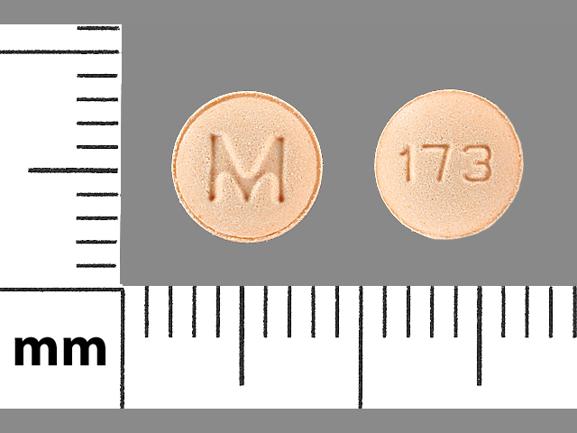
Metolazone (Monograph)
Brand name: Zaroxolyn
Drug class: Thiazide-like Diuretics
- Diuretics, Thiazide
Introduction
Diuretic and antihypertensive agent; structurally and pharmacologically similar to thiazide diuretics.
Uses for Metolazone
Hypertension
Used alone or in combination with other antihypertensive agents for all stages of hypertension.
Used concomitantly with a loop diuretic to manage hypertension and/or induce diuresis in patients who did not respond to either diuretic alone (e.g., in those with advanced renal insufficiency); monotherapy may be effective in some patients who are unresponsive to a loop diuretic.
Classified as a thiazide-like drug with regard to management of hypertension.
Thiazide-type diuretics are recommended as one of several preferred agents for the initial management of hypertension according to current evidence-based hypertension guidelines; other preferred options include ACE inhibitors, angiotensin II receptor antagonists, and calcium-channel blockers. While there may be individual differences with respect to recommendations for initial drug selection and use in specific patient populations, current evidence indicates that these antihypertensive drug classes all generally produce comparable effects on overall mortality and cardiovascular, cerebrovascular, and renal outcomes.
Individualize choice of therapy; consider patient characteristics (e.g., age, ethnicity/race, comorbidities, cardiovascular risk) as well as drug-related factors (e.g., ease of administration, availability, adverse effects, cost).
A 2017 ACC/AHA multidisciplinary hypertension guideline classifies BP in adults into 4 categories: normal, elevated, stage 1 hypertension, and stage 2 hypertension. (See Table 1.)
Source: Whelton PK, Carey RM, Aronow WS et al. 2017 ACC/AHA/AAPA/ABC/ACPM/AGS/APhA/ASH/ASPC/NMA/PCNA guideline for the prevention, detection, evaluation, and management of high blood pressure in adults: a report of the American College of Cardiology/American Heart Association Task Force on Clinical Practice Guidelines. Hypertension. 2018;71:e13-115.
Individuals with SBP and DBP in 2 different categories (e.g., elevated SBP and normal DBP) should be designated as being in the higher BP category (i.e., elevated BP).
|
Category |
SBP (mm Hg) |
DBP (mm Hg) |
|
|---|---|---|---|
|
Normal |
<120 |
and |
<80 |
|
Elevated |
120–129 |
and |
<80 |
|
Hypertension, Stage 1 |
130–139 |
or |
80–89 |
|
Hypertension, Stage 2 |
≥140 |
or |
≥90 |
The goal of hypertension management and prevention is to achieve and maintain optimal control of BP. However, the BP thresholds used to define hypertension, the optimum BP threshold at which to initiate antihypertensive drug therapy, and the ideal target BP values remain controversial.
The 2017 ACC/AHA hypertension guideline generally recommends a target BP goal (i.e., BPs to achieve with drug therapy and/or nonpharmacologic intervention) <130/80 mm Hg in all adults regardless of comorbidities or level of atherosclerotic cardiovascular disease (ASCVD) risk. In addition, an SBP goal of <130 mm Hg generally is recommended for noninstitutionalized ambulatory patients ≥65 years of age with an average SBP of ≥130 mm Hg. These BP goals are based upon clinical studies demonstrating continuing reduction of cardiovascular risk at progressively lower levels of SBP.
Previous hypertension guidelines generally have based target BP goals on age and comorbidities. Guidelines such as those issued by the JNC 8 expert panel generally have targeted a BP goal of <140/90 mm Hg regardless of cardiovascular risk and have used higher BP thresholds and target BPs in elderly patients compared with those recommended by the 2017 ACC/AHA hypertension guideline.
Some clinicians continue to support previous target BPs recommended by JNC 8 due to concerns about the lack of generalizability of data from some clinical trials (e.g., SPRINT study) used to support the current ACC/AHA hypertension guideline and potential harms (e.g., adverse drug effects, costs of therapy) versus benefits of BP lowering in patients at lower risk of cardiovascular disease.
Consider potential benefits of hypertension management and drug cost, adverse effects, and risks associated with the use of multiple antihypertensive drugs when deciding a patient's BP treatment goal.
For decisions regarding when to initiate drug therapy (BP threshold), the current ACC/AHA hypertension guideline incorporates underlying cardiovascular risk factors. ASCVD risk assessment recommended by ACC/AHA for all adults with hypertension.
ACC/AHA currently recommend initiation of antihypertensive drug therapy in addition to lifestyle/behavioral modifications at an SBP ≥140 mm Hg or DBP ≥90 mm Hg in adults who have no history of cardiovascular disease (i.e., primary prevention) and a low ASCVD risk (10-year risk <10%).
For secondary prevention in adults with known cardiovascular disease or for primary prevention in those at higher risk for ASCVD (10-year risk ≥10%), ACC/AHA recommend initiation of antihypertensive drug therapy at an average SBP ≥130 mm Hg or an average DBP ≥80 mm Hg.
Adults with hypertension and diabetes mellitus, chronic kidney disease (CKD), or age ≥65 years of age are assumed to be at high risk for cardiovascular disease; ACC/AHA state that such patients should have antihypertensive drug therapy initiated at a BP ≥130/80 mm Hg. Individualize drug therapy in patients with hypertension and underlying cardiovascular risk factors.
In stage 1 hypertension, experts state that it is reasonable to initiate drug therapy using the stepped-care approach in which one drug is initiated and titrated and other drugs are added sequentially to achieve the target BP. Initiation of antihypertensive therapy with 2 first-line agents from different pharmacologic classes recommended in adults with stage 2 hypertension and average BP >20/10 mm Hg above BP goal.
Black hypertensive patients generally tend to respond better to monotherapy with thiazide diuretics or calcium-channel blockers than to other antihypertensive drug classes (e.g., ACE inhibitors, angiotensin II receptor antagonists). However, the combination of an ACE inhibitor or an angiotensin II receptor antagonist with a calcium-channel blocker or thiazide diuretic produces similar BP lowering in black patients as in other racial groups.
Thiazide-like diuretics may be preferred in hypertensive patients with osteoporosis. Secondary beneficial effect in hypertensive geriatric patients of reducing the risk of osteoporosis secondary to effect on calcium homeostasis and bone mineralization.
Edema in Heart Failure
Zaroxolyn tablets and bioequivalent formulations used in management of edema and salt retention associated with heart failure.
Mykrox tablets (no longer commercially available in US) not evaluated for management of heart failure; appropriate safe and effective dosage not established. Do not use when diuresis is desired therapeutic effect.
Most experts state that all patients with symptomatic heart failure who have evidence for, or a history of, fluid retention generally should receive diuretic therapy in conjunction with moderate sodium restriction, an agent to inhibit the renin-angiotensin-aldosterone (RAA) system (e.g., ACE inhibitor, angiotensin II receptor antagonist, angiotensin receptor-neprilysin inhibitor [ARNI]), a β-adrenergic blocking agent (β-blocker), and in selected patients, an aldosterone antagonist.
Diuretics produce rapid symptomatic benefits, relieving pulmonary and peripheral edema more rapidly (within hours or days) than cardiac glycosides, ACE inhibitors, or β-adrenergic blocking agents (in weeks or months).
Loop diuretics (e.g., bumetanide, ethacrynic acid, furosemide, torsemide) are diuretics of choice for most patients with heart failure.
Edema in Renal Diseases
Zaroxolyn tablets and bioequivalent formulations used in management of edema and salt retention associated with renal diseases (e.g., nephrotic syndrome, impaired renal function).
Mykrox tablets (no longer commercially available in US) not evaluated for management of fluid retention caused by renal or hepatic disease; appropriate safe and effective dosage not established. Do not use when diuresis is desired therapeutic effect.
May be more effective than other thiazide-like diuretics in management of edema in patients with impaired renal function.
Use in diabetes insipidus† [off-label], in renal tubular acidosis† [off-label], or in prophylaxis of renal calculus formation associated with hypercalciuria† [off-label] not established.
Edema in Pregnancy
Do not use thiazides as routine therapy in pregnant women with mild edema who are otherwise healthy.
Use of thiazide-like diuretics may be appropriate in the management of edema of pathologic origin during pregnancy when clearly needed; routine use of diuretics in otherwise healthy pregnant women is irrational and exposes the woman and fetus to unnecessary hazard.
Dependent edema secondary to restriction of venous return by the expanded uterus should be managed by elevating the lower extremities and/or by wearing support hose; use of diuretics in these pregnant women is inappropriate.
In rare cases when the hypervolemia associated with normal pregnancy results in edema that produces extreme discomfort, a short course of diuretic therapy may provide relief and may be considered when other methods (e.g., increased recumbency, rest) are ineffective.
Edema associated with pregnancy generally responds well to thiazides except when caused by renal disease.
Metolazone Dosage and Administration
General
Formulation Considerations
-
Do not interchange Mykrox and bioequivalent formulations with Zaroxolyn and bioequivalent formulations. Mykrox tablets (no longer commercially available in US) are more rapidly and extensively absorbed than other metolazone formulations; not therapeutically equivalent to Zaroxolyn or other formulations of drug that share the latter’s slower and incomplete absorption.
Monitoring and BP Treatment Goals
-
Monitor BP regularly (i.e., monthly) during therapy and adjust dosage of the antihypertensive drug until BP controlled.
-
If unacceptable adverse effects occur, discontinue drug and initiate another antihypertensive agent from a different pharmacologic class.
-
Assess patient's renal function and electrolytes 2–4 weeks after initiation of diuretic therapy. (See Fluid and Electrolyte Imbalance under Cautions.)
-
If adequate BP response not achieved with a single antihypertensive agent, either increase dosage of single drug or add a second drug with demonstrated benefit and preferably a complementary mechanism of action (e.g., ACE inhibitor, angiotensin II receptor antagonist, calcium-channel blocker). Many patients will require at least 2 drugs from different pharmacologic classes to achieve BP goal; if goal BP still not achieved, add a third drug.
Administration
Administer orally as a single daily dose.
Dosage
Dosage depends on specific formulation used and condition being treated.
Individualize dosage according to individual requirements and response.
Adjust dosage to achieve an initial therapeutic response and to determine minimal dose necessary to maintain desired therapeutic response.
For the management of fluid retention (e.g., edema) associated with heart failure, experts state that diuretics should be administered at a dosage sufficient to achieve optimal volume status and relieve congestion without inducing an excessively rapid reduction in intravascular volume, which could result in hypotension, renal dysfunction, or both.
More careful dosage adjustment may be necessary in patients receiving concomitant therapy with other antihypertensive agents or diuretics. (See Specific Drugs under Interactions.)
Pediatric Patients
Heart Failure† [off-label], Hypertension† [off-label], Bronchopulmonary Dysplasia†, Nephrotic Syndrome†, Nephrogenic Diabetes Insipidus†
Oral
0.05–0.1 mg/kg once daily has been given. (See Pediatric Use under Cautions.)
Prolonged use (beyond a few days) not recommended. (See Pediatric Use under Cautions.)
Adults
Hypertension
Oral (Zaroxolyn or another bioequivalent formulation)
Initial dosage of 1.25–2.5 mg once daily has been suggested.
Some experts state that the usual dosage range is 2.5–5 mg once daily.
Edema in Heart Failure
Monotherapy
Oral (Zaroxolyn or another bioequivalent formulation)Manufacturer recommends a usual initial dosage range of 5–20 mg once daily.
Some experts recommend an initial dosage of 2.5 mg once daily up to a maximum total daily dosage of 20 mg.
Has been administered every other day after response of patient was stabilized.
Daily dosage depends on severity of patient’s condition, sodium intake, and responsiveness. Adjust daily dosage based on results of thorough clinical and laboratory evaluations.
Reduction of dosage to a lower maintenance level may be possible if desired therapeutic response attained.
High doses may prolong diuresis and saluresis; single daily dose is recommended. (See Absorption under Pharmacokinetics.)
Combination Therapy
Oral (Zaroxolyn or another bioequivalent formulation)For sequential nephron blockade in the management of fluid retention (e.g., edema) in heart failure, some experts recommend an initial dosage of 2.5–10 mg once daily in combination with a loop diuretic.
Edema in Renal Diseases
Oral (Zaroxolyn or another bioequivalent formulation)
Usual initial dosage range is 5–20 mg once daily.
Daily dosage depends on severity of patient’s condition, sodium intake, and responsiveness. Adjust daily dosage based on results of thorough clinical and laboratory evaluations.
Reduction of dosage to a lower maintenance level may be possible if desired therapeutic response attained.
High doses may prolong diuresis and saluresis; single daily dose is recommended. (See Absorption under Pharmacokinetics.)
Prescribing Limits
Adults
Hypertension
Oral
Usual maximum is 5 mg daily.
Edema in Heart Failure
Monotherapy
Oral (Zaroxolyn or another bioequivalent formulation)Maximum total daily dose recommended by ACCF/AHA: 20 mg.
Special Populations
Hepatic Impairment
No specific dosage recommendations. (See Hepatic Impairment under Cautions.)
Renal Impairment
No specific dosage recommendations. (See Renal Impairment under Cautions.)
Geriatric Patients
Select dosage with caution, usually initiating therapy at the low end of the dosing range, because of age-related decreases in hepatic, renal, and/or cardiac function and concomitant disease and drug therapy. (See Geriatric Use under Cautions.)
Paroxysmal Nocturnal Dyspnea Patients
May be advisable to administer an increased dosage in the management of edematous conditions to ensure prolongation of diuresis and saluresis for a full 24-hour period.
Cautions for Metolazone
Contraindications
-
Anuria.
-
Hepatic coma or pre-coma.
-
Known hypersensitivity to metolazone or any ingredient in the formulation. (See Hypersensitivity under Cautions.)
Warnings/Precautions
Warnings
Rapid-onset Hyponatremia and/or Hypokalemia
Rapid onset of severe hyponatremia and/or hypokalemia reported rarely following initial doses of thiazide and nonthiazide diuretics.
Immediately discontinue drug and initiate supportive measures when symptoms consistent with severe electrolyte imbalance appear rapidly; parenteral electrolytes may be required. Carefully reevaluate adequacy of therapy.
Hypokalemia
Dose-related hypokalemia may occur with consequent weakness, cramps, and cardiac dysrhythmias.
Increased risk of hypokalemia with large doses, rapid diuresis, severe hepatic disease, concomitant corticosteroids, inadequate oral intake, or excessive extrarenal potassium loss (e.g., vomiting, diarrhea).
Determine serum potassium concentrations at regular and appropriate intervals; initiate dosage reduction, potassium supplementation, or addition of a potassium-sparing diuretic as needed.
Particular concern in patients who are digitalized or those with ventricular arrhythmias or a history of ventricular arrhythmias; may result in dangerous or fatal arrhythmias.
Concomitant Therapy
Concomitant use with certain drugs requires particular caution (e.g., furosemide, other antihypertensive drugs). (See Specific Drugs under Interactions.)
Generally, do not use with lithium salts. (See Specific Drugs under Interactions.)
Sensitivity Reactions
Hypersensitivity
Cross-sensitivity may occur when used in patients known to be allergic to sulfonamide-derived drugs, thiazides, or quinethazone.
Although some thiazide manufacturers state that allergy to other sulfonamide derivatives is a contraindication, evidence to support cross-sensitivity is limited, and history of sensitivity to sulfonamide anti-infectives (“sulfa sensitivity”) should not be considered an absolute contraindication.
Sensitivity reactions (e.g., angioedema, bronchospasm) reported with or without a history of allergy or bronchial asthma; may occur with first dose.
General Precautions
Fluid and Electrolyte Imbalance
Hyponatremia may occur at any time during long-term therapy; life-threatening rarely.
Increased urinary excretion of magnesium reported with thiazide-like diuretics; may result in hypomagnesemia.
Possible low-salt syndrome in patients with severe edema accompanying cardiac failure or renal disease, especially with hot weather and a low-salt diet.
Observe for signs of fluid or electrolyte imbalance (particularly hyponatremia, hypochloremic alkalosis, and hypokalemia) such as dry mouth, thirst, weakness, lethargy, drowsiness, restlessness, muscle pains, cramps, fatigue, hypotension, oliguria, tachycardia, GI disturbances (e.g., nausea, vomiting). (See Hypokalemia under Cautions.)
Measure serum electrolytes at appropriate intervals.
Serum and urinary electrolyte measurements are especially important with diabetes mellitus, vomiting, diarrhea, or expectations of excessive diuresis.
Glucose Tolerance
May increase blood glucose concentrations and possibly cause hyperglycemia and glycosuria in patients with diabetes or latent diabetes.
Hyperuricemia
Regularly increases serum uric acid concentrations and occasionally precipitates gouty attacks, including in patients without a prior history; generally avoid or use with caution in patients with history of gout unless patient is receiving uric acid lowering therapy.
Azotemia
Azotemia, presumably prerenal azotemia, may occur.
Discontinue drug if azotemia and oliguria worsen during treatment in patients with severe renal disease.
Orthostatic Hypotension
Orthostatic hypotension reported; may be potentiated by alcohol, barbiturates, narcotics, or concomitant therapy with other antihypertensive drugs. (See Specific Drugs under Interactions.)
Hypercalcemia
Hypercalcemia may occur infrequently, particularly in patients receiving high doses of vitamin D or with high bone turnover states; may indicate undetected hyperparathyroidism.
Discontinue drug before performing parathyroid function tests.
Lupus Erythematosus
Consider possible exacerbation or activation of systemic lupus erythematosus.
Fetal/Neonatal Morbidity
Crosses placental barrier and appears in cord blood. Use with caution; possible fetal or neonatal jaundice, thrombocytopenia, and other adverse effects reported in adults.
Specific Populations
Pregnancy
Category B.
Diuretics are considered second-line agents for control of chronic hypertension in pregnant women; if initiation of antihypertensive therapy is necessary during pregnancy, other antihypertensives (i.e., methyldopa, nifedipine, labetalol) are preferred.
Diuretics are not recommended for prevention or management of gestational hypertension or preeclampsia.
Lactation
Distributed into milk. Manufacturer states to discontinue nursing or the drug; however, considered to be compatible with breast-feeding.
Pediatric Use
Safety and efficacy not established in controlled clinical studies.
Limited experience with use in pediatric patients with heart failure†, hypertension†, bronchopulmonary dysplasia†, nephrotic syndrome†, and nephrogenic diabetes insipidus†; dosages used generally ranged from 0.05–0.1 mg/kg once daily, and resulted in a 1- to 2.8-kg weight loss and 150- to 300-mL increase in urine output. Response was observed in first few days of therapy; not all pediatric patients responded and some gained weight. Prolonged use (beyond a few days) not recommended; generally associated with no further beneficial effect or a return to baseline status.
Limited experience with concomitant metolazone and furosemide therapy in pediatric patients with furosemide-resistant edema†; exaggerated response with hypovolemia, tachycardia, orthostatic hypotension requiring fluid replacement, severe hypokalemia, hyperbilirubinemia, and persistent diuresis for up to 24 hours after discontinuance reported.
Perform careful clinical and laboratory monitoring in all pediatric patients receiving diuretic therapy.
Geriatric Use
Insufficient experience in clinical studies in patients ≥65 years of age to determine whether geriatric patients respond differently than younger patients. Other reported clinical experience has not identified differences in response between geriatric patients and younger adults.
Select dosage with caution because of age-related decreases in hepatic, renal, and/or cardiac function and concomitant disease and drug therapy. (See Geriatric Patients under Dosage and Administration.)
Substantially eliminated by kidneys; risk of toxic reactions may be greater in patients with impaired renal function. Monitor renal function and adjust dosage accordingly since geriatric patients are more likely to have decreased renal function.
Hepatic Impairment
Use with caution in patients with hepatic impairment or progressive liver disease (particularly with associated potassium deficiency); electrolyte imbalance may precipitate hepatic coma. (See Contraindications under Cautions.)
Discontinue immediately if signs of impending hepatic coma appear.
May produce a greater incidence of electrolyte disturbances and encephalopathy, but a lower incidence of azotemia, than thiazides in patients with ascites caused by liver disease.
Renal Impairment
Use with caution in patients with severe renal impairment. (See Elimination under Pharmacokinetics)
Common Adverse Effects
Potassium depletion, hypochloremic alkalosis in patients at risk (e.g., patients with hypokalemia and loss of chloride), dilutional hyponatremia, hyperuricemia (usually asymptomatic; rarely leading to gout), hyperglycemia and glycosuria in diabetic patients. Abdominal bloating, palpitation, chest pain, and chills and also reported.
Drug Interactions
Specific Drugs
|
Drug |
Interaction |
Comments |
|---|---|---|
|
Alcohol |
Hypotensive effect of alcohol may be potentiated by volume contraction associated with metolazone May potentiate orthostatic hypotension |
|
|
Anticoagulants |
Metolazone may affect hypoprothrombinemic response to anticoagulants |
Dosage adjustment may be necessary |
|
Antidiabetic agents (sulfonylurea) |
Metolazone may increase blood glucose concentrations possibly resulting in hyperglycemia and glycosuria in patients with diabetes or latent diabetes |
|
|
Antihypertensive agents |
May potentiate orthostatic hypotension |
Use with caution, particularly during initial therapy Dosage adjustment of other antihypertensive agent may be necessary |
|
Barbiturates |
Hypotensive effect of barbiturates may be potentiated by volume contraction associated with metolazone May potentiate orthostatic hypotension |
|
|
Cardiac glycosides |
Diuretic-induced hypokalemia may increase myocardium sensitivity to digitalis; possibility of serious arrhythmias |
|
|
Corticosteroids |
Increased risk of hypokalemia and salt and water retention |
|
|
Corticotropin (adrenocorticotropic hormone, ACTH) |
Increased risk of hypokalemia and salt and water retention |
|
|
Diuretics, loop (e.g., furosemide) |
Concomitant therapy with furosemide may cause excessive or prolonged fluid and electrolyte depletion Concomitant therapy with furosemide produced marked diuresis in some patients in whom edema or ascites was refractory to maximum recommended dosages of these or other diuretics alone; mechanism not known |
Use with caution |
|
Insulin |
Metolazone may increase blood glucose concentrations possibly resulting in hyperglycemia and glycosuria in patients with diabetes or latent diabetes |
|
|
Lithium |
Reduced renal clearance of lithium, and increased serum lithium concentrations and risk of lithium toxicity |
Generally, do not use with lithium salts |
|
Methenamine |
Urinary alkalizing effect of metolazone may decrease efficacy of methenamine |
|
|
Neuromuscular blocking agents (e.g., tubocurarine) |
Diuretic-induced hypokalemia may enhance neuromuscular blocking effects of curariform drugs (e.g., tubocurarine); possibility of respiratory depression leading to apnea |
Advisable to discontinue metolazone 3 days prior to elective surgery |
|
NSAIAs |
NSAIAs and salicylates may decrease antihypertensive effects of metolazone |
|
|
Opiates |
Hypotensive effect of opiates may be potentiated by volume contraction associated with metolazone May potentiate orthostatic hypotension |
|
|
Vasopressors (norepinephrine) |
Possible decreased arterial responsiveness to norepinephrine |
Decrease in pressor response not sufficient to preclude efficacy of pressor agent for therapeutic use |
|
Vitamin D |
Concomitant therapy may increase risk of hypercalcemia |
Metolazone Pharmacokinetics
Absorption
Bioavailability
Rate and extent of absorption of commercially available tablets vary depending on the preparation.
Mykrox 0.5-mg tablets are more rapidly and extensively absorbed than Zaroxolyn tablets and other formulations of metolazone with dissolution and absorption characteristics similar to the latter. (See Administration under Dosage and Administration.)
Zaroxolyn and other similar metolazone formulations: Slowly and incompletely absorbed from GI tract; peak blood concentrations occur about 8 hours after administration and absorption continues for an additional 12 hours. Average of 65 or 40% of a dose of such a metolazone formulation reported to be absorbed following oral administration in healthy individuals or in patients with cardiac disease, respectively.
Mykrox and other similar metolazone formulations: Rate and extent of absorption reportedly equivalent to those of an oral solution of the drug; peak blood concentrations attained within 2–4 hours following oral administration. Blood concentrations of drug are proportional to dose at Mykrox doses of 0.5–2 mg; steady-state blood concentrations usually attained within 4–5 days.
Onset
Zaroxolyn and other similar metolazone formulations: Onset of antihypertensive effect varies from 3–4 days to 3–6 weeks following initial dose.
Zaroxolyn and other similar metolazone formulations: Diuresis and saluresis usually occur within 1 hour following initial dose.
Duration
Zaroxolyn and other similar metolazone formulations: Diuresis and saluresis usually persist for ≥24 hours following initial dose; duration of effect may be varied by adjusting daily dosage. (See Dosage and Administration.)
Distribution
Extent
Crosses placental barrier and appears in cord blood.
Distributed into milk.
Plasma Protein Binding
Approximately ≤33%.
Approximately 50–70% bound to erythrocytes and 2–5% circulates unbound.
Elimination
Metabolism
Not metabolized to a substantial extent.
Elimination Route
Excreted principally in urine (70–95%) via glomerular filtration and active tubular secretion as unchanged drug; remainder of drug eliminated by nonrenal routes, principally in bile, and reportedly undergoes enterohepatic recycling. (See Renal Impairment under Cautions and see Special Populations under Pharmacokinetics.)
Half-life
Biphasic; approximately 14 hours.
Special Populations
Accumulation of drug may occur in patients with severe renal impairment. (See Renal Impairment under Cautions and see Elimination Route under Pharmacokinetics.)
Stability
Storage
Oral
Tablets
Tight, light-resistant containers at 25°C (may be exposed to 15–30°C).
Actions
-
Structurally and pharmacologically similar to thiazide diuretics; quinazoline-derivative diuretic.
-
Enhances excretion of sodium, chloride, and water by interfering with transport of sodium ions across renal tubular epithelium.
-
Exact mechanism of diuretic action is unclear; principal site of action appears to be the cortical diluting segment of the distal convoluted tubules of the nephron, and to a lesser extent the proximal convoluted tubule.
-
Sodium and chloride ions excreted in approximately equivalent amounts.
-
Enhances urinary excretion of potassium secondary to increased amount of sodium at distal tubular site of sodium-potassium exchange.
-
Increases excretion of phosphate and magnesium and markedly increases the fractional excretion of sodium in patients with severely compromised glomerular filtration (as proximal actions).
-
Diuretic potency at maximum therapeutic dosages approximately equal to that of thiazide diuretics; however, may produce diuresis in patients with GFR <20 mL/minute, unlike thiazides.
-
Unlike thiazides, does not substantially decrease GFR or renal plasma flow.
-
Does not inhibit carbonic anhydrase.
-
May alter renal vascular resistance at time of maximal diuresis; exact mechanism unclear.
-
May increase urinary bicarbonate excretion (although to a lesser extent than chloride excretion) but change in urinary pH is usually minimal; diuretic efficacy not affected by acid-base balance of patient.
-
Hypocalciuric effect thought to result from a decrease in extracellular fluid (ECF) volume, although calcium reabsorption in the nephron may be increased; also, may cause slight or intermittent elevations in serum calcium concentration.
-
May decrease rate of uric acid excretion, probably because of competitive inhibition of uric acid secretion or a decrease in ECF volume and a secondary increase in uric acid reabsorption.
-
Hypotensive activity in hypertensive patients; also augments action of other hypotensive agents. Precise mechanism of hypotensive action not determined, but postulated that part of effect is caused by direct arteriolar dilation.
Advice to Patients
-
Importance of informing patients of signs of electrolyte imbalance (e.g., dry mouth, thirst, weakness, lethargy, drowsiness, restlessness, confusion, seizures, oliguria, muscle pain or cramps, muscular fatigue, hypotension, tachycardia, GI disturbances (e.g., nausea and vomiting).
-
Importance of compliance with scheduled determinations of serum electrolyte concentrations (particularly potassium, sodium, chloride, and bicarbonate).
-
Advise hypertensive patients to continue lifestyle/behavioral modifications including weight reduction (for those who are overweight or obese), dietary changes to include foods that are rich in potassium and calcium and moderately restricted in sodium (adoption of the Dietary Approaches to Stop Hypertension [DASH] eating plan), increased physical activity, smoking cessation, and moderation of alcohol intake.
-
Importance of informing hypertensive patients that lifestyle/behavioral modifications reduce BP, enhance antihypertensive drug efficacy, and decrease cardiovascular risk and remain an indispensable part of the management of hypertension.
-
Importance of patients taking medication as prescribed.
-
Importance of informing clinicians of existing or contemplated concomitant therapy, including prescription and OTC drugs, as well as any concomitant illnesses.
-
Importance of women informing clinicians if they are or plan to become pregnant or plan to breast-feed.
-
Importance of informing patients of other important precautionary information. (See Cautions.)
Additional Information
The American Society of Health-System Pharmacists, Inc. represents that the information provided in the accompanying monograph was formulated with a reasonable standard of care, and in conformity with professional standards in the field. Readers are advised that decisions regarding use of drugs are complex medical decisions requiring the independent, informed decision of an appropriate health care professional, and that the information contained in the monograph is provided for informational purposes only. The manufacturer’s labeling should be consulted for more detailed information. The American Society of Health-System Pharmacists, Inc. does not endorse or recommend the use of any drug. The information contained in the monograph is not a substitute for medical care.
Preparations
Excipients in commercially available drug preparations may have clinically important effects in some individuals; consult specific product labeling for details.
Please refer to the ASHP Drug Shortages Resource Center for information on shortages of one or more of these preparations.
* available from one or more manufacturer, distributor, and/or repackager by generic (nonproprietary) name
|
Routes |
Dosage Forms |
Strengths |
Brand Names |
Manufacturer |
|---|---|---|---|---|
|
Oral |
Tablets |
2.5 mg* |
metOLazone Tablets |
|
|
Zaroxolyn |
UCB |
|||
|
5 mg* |
metOLazone Tablets |
|||
|
Zaroxolyn |
UCB |
|||
|
10 mg* |
metOLazone Tablets |
AHFS DI Essentials™. © Copyright 2025, Selected Revisions April 10, 2024. American Society of Health-System Pharmacists, Inc., 4500 East-West Highway, Suite 900, Bethesda, Maryland 20814.
† Off-label: Use is not currently included in the labeling approved by the US Food and Drug Administration.
Reload page with references included
Related/similar drugs
More about metolazone
- Check interactions
- Compare alternatives
- Pricing & coupons
- Reviews (7)
- Drug images
- Side effects
- Dosage information
- During pregnancy
- Drug class: thiazide diuretics
- Breastfeeding
- En español