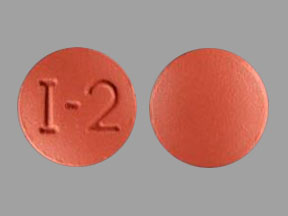
Ibuprofen (Monograph)
Brand names: Caldolor, IBU, NeoProfen
Drug class: Reversible COX-1/COX-2 Inhibitors
Warning
- Cardiovascular Risk
-
Increased risk of serious (sometimes fatal) cardiovascular thrombotic events (e.g., MI, stroke). Risk may occur early in treatment and may increase with duration of use.
-
Contraindicated in the setting of CABG surgery.
- GI Risk
-
Increased risk of serious (sometimes fatal) GI events (e.g., bleeding, ulceration, perforation of the stomach or intestine). Serious GI events can occur at any time and may not be preceded by warning signs and symptoms. Geriatric individuals and patients with a history of peptic ulcer disease and/or GI bleeding are at greater risk for serious GI events.
Introduction
Nonsteroidal anti-inflammatory agent (NSAIA); exhibits analgesic and antipyretic activity.
Uses for Ibuprofen
Inflammatory Diseases
Symptomatic treatment of osteoarthritis and rheumatoid arthritis in adults (oral tablets and suspension).
Guidelines from the American College of Rheumatology (ACR) for treatment of rheumatoid arthritis recommend initiation of a disease-modifying antirheumatic drug (DMARD) for most patients; role of NSAIAs not discussed.
ACR recommends topical/oral NSAIAs for treatment of osteoarthritis, among other interventions. Therapy selection is patient-specific; factors to consider include patients' values and preferences, risk factors for serious adverse GI effects, existing comorbidities (e.g., hypertension, heart failure, other cardiovascular disease, chronic kidney disease), injuries, disease severity, surgical history, and access to and availability of the interventions.
Symptomatic treatment of juvenile arthritis in pediatric patients (oral suspension only).
ACR and the Arthritis Foundation recommend initial therapy with a DMARD (e.g., methotrexate) over NSAIA monotherapy for children and adolescents with juvenile idiopathic arthritis and polyarthritis; NSAIAs may be used adjunctively, particularly during initiation or escalation of therapy with DMARDs or biologics. For patients with active sacroiliitis or enthesitis, initial treatment with an NSAIA is recommended; no particular NSAIA is preferred. ACR recommends intraarticular glucocorticoids and a trial of scheduled NSAIAs as part of initial therapy for oligoarthritis and temporomandibular joint arthritis. For patients with systemic juvenile idiopathic arthritis without macrophage activation syndrome, ACR conditionally recommends initial monotherapy with NSAIAs or biologic DMARDs (i.e., interleukin [IL]-1 and IL-6 inhibitors).
Also commercially available in fixed combination with famotidine for symptomatic treatment of rheumatoid arthritis and osteoarthritis; famotidine is used in the combination to decrease risk of developing upper GI ulcers. See full prescribing information for use of this combination product.
NSAIAs, including ibuprofen, have also been used in other inflammatory diseases including ankylosing spondylitis† [off-label], gout† [off-label], and psoriatic arthritis† [off-label] .
Pain
Oral ibuprofen used for relief of mild to moderate pain; oral tablets used in adults, and oral suspension used in pediatric patients 6 months to 2 years of age.
IV ibuprofen used in adults and pediatric patients ≥3 months of age for relief of mild to moderate pain and, in conjunction with opiates, for relief of moderate to severe pain.
Self-medication for the temporary relief of minor aches and pain associated with headache (including migraine); toothache; muscular aches; backache; the common cold; and minor pain of arthritis.
Also commercially available in fixed combination with hydrocodone bitartrate for the short-term management of acute pain severe enough to require an opioid analgesic and for which alternative treatments are inadequate. See full prescribing information for use of this combination product.
Current guidelines on postoperative pain management recommend a multimodal approach to analgesia. NSAIAs recommended as part of multimodal analgesia in patients without contraindications. When selecting therapy for a specific patient, consider potential risks associated with NSAIAs.
For management of acute postoperative dental pain in patients undergoing simple or surgical tooth extraction, the American Dental Association recommends an NSAIA (either ibuprofen or naproxen [in patients >2 years of age]) alone or in combination with acetaminophen.
For treatment of acute migraine, drugs with established efficacy include triptans, ergotamine derivatives, gepants, lasmiditan, NSAIAs (aspirin, celecoxib oral solution, diclofenac, ibuprofen, naproxen), and the combination of acetaminophen, aspirin, and caffeine. Nonspecific analgesic therapies such as NSAIAs and acetaminophen/aspirin/caffeine are used for mild-to-moderate attacks, while migraine-specific therapies (e.g., triptans, ergotamine derivatives, gepants, lasmiditan) are used for moderate-to-severe attacks or mild-to-moderate attacks that respond poorly to non-specific therapy. When selecting an agent, consider patient-specific factors such as comorbid disease states, individual treatment history, and concomitant medications.
American Academy of Neurology (AAN) guideline recommends ibuprofen oral liquid for initial treatment of acute migraine pain in children and adolescents; other options for adolescents include sumatriptan/naproxen oral tablets, zolmitriptan nasal spray, sumatriptan nasal spray, rizatriptan orally disintegrating tablets, or almotriptan oral tablets. May offer ibuprofen or naproxen as add-on therapy to improve migraine relief in adolescents with inadequate response to a triptan.
Dysmenorrhea
Relief of primary dysmenorrhea in adults.
Self-medication for the relief of pain associated with menstrual cramps (dysmenorrhea).
First-line treatment options for primary dysmenorrhea include combined oral contraceptives, progesterone-only contraceptives, and NSAIAs; treatment selection should be based on patient-specific considerations (e.g., comorbidities, desire/need for contraception The American College of Obstetricians and Gynecologists includes ibuprofen as a potential NSAIA for use in patients with primary dysmenorrhea, but does not recommend one NSAIA over others.
Fever
Reduction of fever; oral suspension used in patients 6 months to 2 years of age, IV used in adults and pediatric patients ≥3 months of age.
Self-medication for reduction of fever.
American Academy of Pediatrics (AAP) states that acetaminophen and ibuprofen are safe and effective options for treating fever in most patients when used in appropriate doses; ibuprofen may be more effective than acetaminophen for lowering body temperature, but relative efficacy for improving patient comfort unknown. Use ibuprofen with caution in dehydrated patients and patients with certain comorbidities (e.g., cardiovascular disease, pre-existing renal disease, concomitant use of nephrotoxic agents); nephrotoxicity can occur.
Patent Ductus Arteriosus (PDA)
Ibuprofen lysine is used IV to promote closure of a clinically important PDA in premature neonates weighing 500–1500 g who are no more than 32 weeks’ gestational age when usual medical management (e.g., fluid restriction, diuretics, respiratory support) is ineffective (designated an orphan drug by FDA for this use).
Ibuprofen also has been used orally† [off-label] for treatment of PDA.
Decision to initiate pharmacologic treatment for PDA depends on patient-specific factors such as gestational age, chronological age, size of PDA, and presence of symptoms (e.g., requirement for greater than minimal respiratory support). If targeted early prophylactic treatment with indomethacin is not indicated or not effective, early targeted pharmacologic treatment with ibuprofen or indomethacin is recommended <6 days after birth for infants <28 weeks’ gestational age with a moderate-to-large hemodynamically important shunt requiring greater than minimal respiratory support. Screen all infants with very low birth weight ≥6 days of age requiring greater than minimal respiratory support for PDA via echocardiogram; if a moderate-to-large hemodynamically important PDA is present and patient has additional risk factors (e.g., failure to wean from the ventilator, fraction of inspired oxygen >0.25), consider treatment with ibuprofen.
Pericarditis
Has been used in combination with colchicine for treatment of acute and recurrent pericarditis† [off-label] .
Some experts recommend colchicine plus aspirin or an NSAIA (typically ibuprofen) first-line for treatment of acute or recurrent pericarditis.
Other Uses
Has been used to slow loss of lung function in patients 6–17 years of age with cystic fibrosis† and forced expiratory volume in 1 second (FEV1) ≥60%.
Ibuprofen Dosage and Administration
General
Patient Monitoring
-
Monitor renal function during ibuprofen therapy in patients with renal or hepatic impairment, heart failure, dehydration, or hypovolemia.
-
Monitor BP closely during initiation and throughout NSAIA therapy.
-
Monitor patients with certain coexisting conditions such as coagulation disorders and those receiving concomitant therapy with anticoagulants, antiplatelet agents, or serotonin-reuptake inhibitors for signs of bleeding.
-
Carefully monitor children receiving ibuprofen dosages >30 mg/kg daily and those who have had abnormal liver function test results associated with prior NSAIA therapy for signs and symptoms of early liver dysfunction.
-
Periodically obtain a CBC and chemistry profile during long-term ibuprofen therapy.
-
Monitor for GI ulceration and bleeding; even closer GI monitoring is recommended in those receiving concomitant low-dose aspirin for cardiac prophylaxis.
-
In patients with asthma but without known aspirin sensitivity, monitor for changes in asthma.
-
Monitor for worsening renal function in patients with preexisting renal disease.
Premedication and Prophylaxis
-
Correct dehydration before initiating ibuprofen therapy.
Dispensing and Administration Precautions
-
The 2023 American Geriatrics Society (AGS) Beers Criteria for Potentially Inappropriate Medication (PIM) Use in Older Adults includes ibuprofen on the list of PIMs that are best avoided by older adults in most circumstances or under specific situations, such as certain diseases, conditions, or care settings. The criteria are intended to apply to adults 65 years of age and older in all ambulatory, acute, and institutional settings of care, except hospice and end-of-life care settings. For non-COX-2-selective oral NSAIAs such as ibuprofen, the Beers Criteria Expert Panel specifically recommends that chronic use be avoided unless other alternatives are not effective and the patient can take a gastroprotective agent (proton-pump inhibitor or misoprostol). Additionally, short-term scheduled use should be avoided in combination with oral or parenteral corticosteroids, anticoagulants, or antiplatelet agents unless other alternatives are not effective and the patient can take a gastroprotective agent.
Other General Considerations
-
Use NSAIAs with caution and careful monitoring (e.g., monitor for development of cardiovascular events throughout therapy, even in those without prior cardiovascular symptoms) and at the lowest effective dosage for the shortest duration necessary. Consider potential benefits and risks of ibuprofen therapy as well as alternative therapies before initiating therapy with the drug.
-
Avoid using more than one NSAIA at a time.
-
Avoid use in patients with recent MI unless benefits of therapy are expected to outweigh risk of recurrent cardiovascular thrombotic events; if use is necessary, monitor patient for cardiac ischemia.
-
Avoid use in patients with severe heart failure unless benefits of therapy are expected to outweigh risk of worsening heart failure; if used, monitor for worsening heart failure.
-
In patients receiving low-dose aspirin for cardiac prophylaxis, consider using an alternative NSAIA that does not interfere with the antiplatelet effects of aspirin or the use of a non-NSAIA analgesic agent.
-
Ibuprofen is not a substitute for corticosteroid therapy, and the drug is not effective in the management of adrenal insufficiency. Abrupt withdrawal of corticosteroids may exacerbate corticosteroid-responsive conditions. If corticosteroid therapy is to be discontinued after prolonged therapy, the dosage should be tapered gradually.
Administration
Ibuprofen: Administer orally (for inflammatory diseases, pain, dysmenorrhea, or fever) or by IV infusion (for pain or fever).
Ibuprofen lysine: Administer by IV infusion (for PDA).
Ibuprofen also is commercially available in fixed combination with famotidine (Duexis) and in fixed combination with hydrocodone bitartrate. See prescribing information for additional details on these fixed combination preparations.
Ibuprofen is also commercially available in various over-the-counter (OTC) preparations as a single ingredient or in combination with other analgesics (e.g., acetaminophen), antihistamines, or decongestants. See the FDA Orange Book and the manufacturer's drug facts for information,
Oral Administration
If GI disturbances occur, administer with food or milk.
Shake ibuprofen oral suspension well before administering.
IV Administration (Ibuprofen)
Ensure patient is well hydrated.
Injection concentrate (100 mg/mL) must be diluted prior to IV administration. IV administration of the undiluted concentrate can cause hemolysis.
Use the commercially available ibuprofen 4-mg/mL (800 mg in 200 mL) premixed injection to administer 800-mg doses only.
Dilution
Dilute ibuprofen injection concentrate with an appropriate volume of 0.9% sodium chloride injection, 5% dextrose injection, or lactated Ringer’s injection to provide a solution containing ≤4 mg/mL.
Rate of Administration
Adults: Administer dose over ≥30 minutes.
Pediatric patients 3 months to 17 years of age: Administer dose over ≥10 minutes.
IV Administration (Ibuprofen Lysine)
Administer by IV infusion using IV port nearest to the IV insertion site.
Do not infuse simultaneously through same line as parenteral nutrition solutions. If same line must be used, interrupt infusion of the nutrition solution for 15 minutes before and after administration of ibuprofen; maintain line patency by infusing dextrose injection or sodium chloride injection.
Avoid extravasation (irritating to extravascular tissues).
Dilution
Dilute ibuprofen lysine injection with an appropriate volume of dextrose injection or sodium chloride injection.
Administer within 30 minutes of preparation; discard any unused solution.
Rate of Administration
Administer dose over 15 minutes.
Dosage
Dosage of ibuprofen lysine expressed in terms of ibuprofen.
To minimize the potential risk of adverse cardiovascular and/or GI events, use lowest effective dosage and shortest duration of therapy consistent with the patient’s treatment goals. Adjust dosage based on individual requirements and response; attempt to titrate to the lowest effective dosage.
Pediatric Patients
Dosage in children should be guided by body weight.
Inflammatory Diseases
Juvenile Arthritis
Oral30–40 mg/kg daily divided into 3 or 4 doses. 20 mg/kg daily in divided doses may be adequate for children with mild disease. Dosages >50 mg/kg daily not studied and recommended.
A few days to several weeks may be required to achieve therapeutic response; once clinical effect obtained, reduce dosage to lowest level that maintains adequate symptomatic control.
If dosage >30 mg/kg daily, carefully monitor for signs and symptoms of early liver dysfunction.
Pain
Oral
For mild to moderate pain in children 6 months to 2 years of age, 10 mg/kg every 6–8 hours to maximum of 40 mg/kg daily; avoid disrupting the child's sleep pattern. In children with a fever of <39°C and concomitant pain, choose the ibuprofen dose that effectively treats the predominant symptom.
Clinicians should note that the dosages provided above are for prescription ibuprofen products only; OTC oral ibuprofen products provide labeled dosages for pain management for pediatric patients as well.
IV
For infants 3 months to <6 months of age, 10 mg/kg (up to 100 mg) as a single dose.
For children 6 months to <12 years of age, 10 mg/kg (up to 400 mg) every 4–6 hours as needed; do not exceed 40 mg/kg or 2.4 g (whichever is less) per 24-hour period.
For adolescents 12–17 years of age, 400 mg every 4–6 hours as needed (maximum 2.4 g per 24-hour period).
Fever
Oral
For children 6 months to 2 years of age: 5 mg/kg for temperatures <39°C; 10 mg/kg for temperatures ≥39°C (maximum 40 mg/kg daily). In children with a fever of <39°C and concomitant pain, choose the ibuprofen dose that effectively treats the predominant symptom.
Clinicians should note that the dosages provided above are for prescription ibuprofen products only; OTC oral ibuprofen products provide labeled dosages for fever management for pediatric patients as well.
IV
For children 3 months to <6 months of age, 10 mg/kg (up to 100 mg) as a single dose.
For children 6 months to <12 years of age, 10 mg/kg (up to 400 mg) every 4–6 hours as needed; do not exceed 40 mg/kg or 2.4 g (whichever is less) per 24-hour period.
For adolescents 12–17 years of age, 400 mg every 4–6 hours as needed (maximum 2.4 g per 24-hour period).
PDA
IV
Each course of therapy consists of 3 doses of ibuprofen lysine administered at 24-hour intervals.
Base dosage on neonate’s birth weight.
First dose is 10 mg/kg; second and third doses are 5 mg/kg each.
If anuria or oliguria (urine output <0.6 mL/kg per hour) is present at the time of a second or third dose, withhold the dose until laboratory determinations indicate that renal function has returned to normal.
If ductus arteriosus closes or is substantially constricted after completion of the first course, no further doses are necessary.
If ductus arteriosus fails to close or reopens, a second course of ibuprofen, alternative pharmacologic therapy, or surgery may be needed.
Adults
Inflammatory Diseases
Osteoarthritis or Rheumatoid Arthritis
Oral1.2–3.2 g daily, given as 300 mg 4 times daily, or 400, 600, or 800 mg 3 or 4 times daily.
Pain
Oral
For mild to moderate pain, 400 mg every 4–6 hours as needed.
Clinicians should note that the dosages provided above are for prescription ibuprofen products only; OTC oral ibuprofen products provide labeled dosages for pain management for adult patients as well.
IV
400–800 mg every 6 hours as needed.
Dysmenorrhea
Oral
400 mg every 4 hours as necessary; initiate at earliest onset of pain.
Fever
IV
400 mg initially; then 400 mg every 4–6 hours or 100–200 mg every 4 hours. Maximum 3.2 g in a 24-hour period.
Clinicians should note that the dosages provided above are for prescription ibuprofen products only; OTC oral ibuprofen products provide labeled dosages for pain management for adult patients as well.
Special Populations
Hepatic Impairment
Manufacturers make no specific dosage recommendations for patients with hepatic impairment.
Renal Impairment
Manufacturers make no specific dosage recommendations for patients with renal impairment.
Avoid use in patients with advanced renal disease unless benefits expected to outweigh risk of worsening renal function.
Geriatric Patients
Geriatric patients generally at greater risk for NSAIA-associated serious cardiovascular, GI, and/or renal adverse effects. If expected benefits outweigh potential risks, initiate at low end of dosage range and monitor.
Pharmacogenomic Considerations in Dosing
CYP2C9 poor metabolizers: Clinical Pharmacogenetics Implementation Consortium (CPIC) guidelines recommend initiating ibuprofen at a dosage that is 25–50% of the lowest recommended initial dosage and cautiously titrating to a clinically effective dosage, up to a dosage that is 25–50% of the maximum recommended dosage. Do not increase dosage until steady-state concentrations are attained (≥5 days after initial dose). Alternatively, consider a drug that is not metabolized by CYP2C9 or is not substantially affected by CYP2C9 genetic variants in vivo.
CYP2C9 intermediate metabolizers with a diplotype functional activity score (AS) of 1: CPIC guidelines recommend initiating ibuprofen at the lowest recommended initial dosage and cautiously titrating to a clinically effective dosage, up to the maximum recommended dosage.
Intermediate metabolizers with an AS of 1.5: CPIC guidelines state that these patients may receive dosages recommended for normal metabolizers.
CPIC dosage recommendations apply to both OTC and prescription use of the drug.
Cautions for Ibuprofen
Contraindications
-
Known hypersensitivity (e.g., anaphylaxis, serious dermatologic reactions) to ibuprofen or any ingredient in the formulation.
-
History of asthma, urticaria, or other sensitivity reaction precipitated by aspirin or other NSAIAs; potential for cross-sensitivity between NSAIAs and aspirin and severe, potentially fatal, bronchospasm.
-
In the setting of CABG surgery.
- Contraindications with IV Ibuprofen Lysine for PDA
-
Known or suspected untreated infection.
-
Bleeding, especially active intracranial hemorrhage or GI bleeding; thrombocytopenia; or underlying coagulation defects.
-
Known or suspected necrotizing enterocolitis.
-
Substantial renal impairment.
-
Congenital heart disease if patency of the ductus arteriosus is necessary for pulmonary or systemic blood flow (e.g., pulmonary atresia, severe tetralogy of Fallot, severe coarctation of the aorta).
Warnings/Precautions
Warnings
Cardiovascular Effects
NSAIAs (selective COX-2 inhibitors, prototypical NSAIAs) increase the risk of serious adverse cardiovascular thrombotic events (e.g., MI, stroke) in patients with or without cardiovascular disease or risk factors for cardiovascular disease (see Boxed Warning).
Relative increase in risk appears to be similar in patients with or without known underlying cardiovascular disease or risk factors for cardiovascular disease, but the absolute incidence of serious NSAIA-associated cardiovascular thrombotic events is higher in those with cardiovascular disease or risk factors for cardiovascular disease because of their elevated baseline risk.
Increased risk may occur early (within the first weeks) following initiation of therapy and may increase with higher dosages and longer durations of use.
In controlled studies, increased risk of MI and stroke observed in patients receiving a selective COX-2 inhibitor for analgesia in first 10–14 days following CABG surgery.
In patients receiving NSAIAs following MI, increased risk of reinfarction and death observed beginning in the first week of treatment.
Increased 1-year mortality rate observed in patients receiving NSAIAs following MI; absolute mortality rate declined somewhat after the first post-MI year, but the increased relative risk of death persisted over at least the next 4 years.
Use NSAIAs with caution and careful monitoring (e.g., monitor for development of cardiovascular events throughout therapy, even in those without prior cardiovascular symptoms) and at the lowest effective dosage for the shortest duration necessary.
Avoid use in patients with recent MI unless benefits of therapy are expected to outweigh risk of recurrent cardiovascular thrombotic events; if used, monitor for cardiac ischemia. Contraindicated in the setting of CABG surgery.
No consistent evidence that concomitant use of low-dose aspirin mitigates the increased risk of serious adverse cardiovascular events associated with NSAIAs.
GI Effects
Serious, sometimes fatal, GI toxicity (e.g., bleeding, ulceration, or perforation of esophagus, stomach, or small or large intestine) can occur with or without warning symptoms (see Boxed Warning).
Risk for GI bleeding increased more than tenfold in patients with a history of peptic ulcer disease and/or GI bleeding who are receiving NSAIAs compared with patients without these risk factors.
Other risk factors for GI bleeding include concomitant use of oral corticosteroids, anticoagulants, aspirin, or SSRIs; longer duration of NSAIA therapy (however, short-term therapy is not without risk); smoking; alcohol use; older age; poor general health status; and advanced liver disease and/or coagulopathy.
Most spontaneous reports of fatal adverse GI effects involve geriatric or debilitated patients.
Frequency of NSAIA-associated upper GI ulcers, gross bleeding, or perforation is approximately 1% in patients receiving NSAIAs for 3–6 months and 2–4% at one year.
Use at lowest effective dosage for the shortest duration necessary.
Avoid use of more than one NSAIA at a time.
Avoid use of NSAIAs in patients at higher risk for GI toxicity unless expected benefits outweigh increased risk of bleeding; consider alternate therapies in high-risk patients and those with active GI bleeding.
Monitor for GI ulceration and bleeding; even closer monitoring for GI bleeding recommended in those receiving concomitant low-dose aspirin for cardiac prophylaxis.
If serious adverse GI event suspected, promptly initiate evaluation and discontinue ibuprofen until serious adverse GI event ruled out.
Contraindicated in neonates with necrotizing enterocolitis.
Other Warnings and Precautions
Hepatotoxicity
Severe, sometimes fatal, reactions including jaundice, fulminant hepatitis, liver necrosis, and hepatic failure reported rarely with NSAIAs.
Elevations of serum ALT or AST reported.
Monitor for symptoms and/or signs suggesting liver dysfunction; monitor abnormal liver function test results. Discontinue immediately and perform clinical evaluation if signs or symptoms of liver disease or systemic manifestations (e.g., eosinophilia, rash) occur.
Hypertension
Hypertension and worsening of preexisting hypertension reported; either event may contribute to the increased incidence of cardiovascular events. Monitor BP during initiation of ibuprofen and throughout therapy.
Impaired response to ACE inhibitors, angiotensin II receptor antagonists, β-blockers, and certain diuretics may occur.
Heart Failure and Edema
Fluid retention and edema reported.
NSAIAs (selective COX-2 inhibitors, prototypical NSAIAs) may increase morbidity and mortality in patients with heart failure.
NSAIAs may diminish cardiovascular effects of diuretics, ACE inhibitors, or angiotensin II receptor antagonists used to treat heart failure or edema.
Manufacturer recommends avoiding use in patients with severe heart failure unless benefits of therapy are expected to outweigh risk of worsening heart failure; if used, monitor for worsening heart failure.
Renal Toxicity and Hyperkalemia
Direct renal injury, including renal papillary necrosis, reported in patients receiving long-term NSAIA therapy.
Potential for overt renal decompensation. Increased risk of renal toxicity in patients with renal or hepatic impairment or heart failure, in geriatric patients, in patients with volume depletion, and in those receiving a diuretic, ACE inhibitor, or angiotensin II receptor antagonist.
Correct dehydration before initiating ibuprofen therapy; monitor renal function during therapy in patients with renal or hepatic impairment, heart failure, dehydration, or hypovolemia.
Renal insufficiency (including oliguria), increases in BUN, increases in Scr, and renal failure reported in neonates treated with ibuprofen lysine. Decreases in urine output noted on days 2–6 of life; compensatory increase in output noted on day 9.
Hyperkalemia reported with NSAIAs, even in some patients without renal impairment; in such patients, effects attributed to a hyporenin-hypoaldosterone state.
Anaphylactic Reactions
Anaphylactic reactions reported. Seek immediate medical intervention and discontinue drug for anaphylaxis.
Exacerbation of Asthma Related to Aspirin Sensitivity
Avoid ibuprofen use in patients with aspirin triad (aspirin sensitivity, asthma, nasal polyps); in patients with asthma but without known aspirin sensitivity, monitor for changes in manifestations of asthma.
Serious Skin Reactions
Serious skin reactions (e.g., exfoliative dermatitis, Stevens-Johnson syndrome, toxic epidermal necrolysis) reported; can occur without warning. Acute generalized exanthematous pustulosis (AGEP) also reported. Discontinue at first appearance of rash or any other sign of hypersensitivity (e.g., blisters, fever, pruritus).
Drug Reaction with Eosinophilia and Systemic Symptoms
Drug reaction with eosinophilia and systemic symptoms (DRESS), a potentially fatal or life-threatening syndrome, reported in patients receiving NSAIAs. DRESS typically presents with fever, rash, lymphadenopathy, and/or facial swelling; other clinical manifestations may include hepatitis, nephritis, hematologic abnormalities, myocarditis, myositis). Symptoms may resemble those of acute viral infection. Eosinophilia is often present. Clinical presentation is variable, and other organ systems may be involved. Early manifestations of hypersensitivity (e.g., fever, lymphadenopathy) may be present in the absence of rash. If signs or symptoms of DRESS develop, discontinue ibuprofen and immediately evaluate the patient.
Fetal/Neonatal Morbidity and Mortality
Use of NSAIAs during pregnancy at about ≥30 weeks’ gestation can cause premature closure of the fetal ductus arteriosus; use at about ≥20 weeks’ gestation associated with fetal renal dysfunction resulting in oligohydramnios and, in some cases, neonatal renal impairment.
Avoid use of NSAIAs in pregnant women at about ≥30 weeks’ gestation; if use required between about 20 and 30 weeks’ gestation, use lowest effective dosage and shortest possible duration of treatment. Consider monitoring amniotic fluid volume via ultrasound examination if treatment duration >48 hours; if oligohydramnios occurs, discontinue drug and follow up according to clinical practice.
Hematologic Toxicity
Anemia reported rarely. May be due to occult or gross blood loss, fluid retention, or an incompletely described effect on erythropoiesis. Determine hemoglobin concentration or hematocrit if signs or symptoms of anemia occur.
NSAIAs may increase the risk of bleeding. Patients with certain coexisting conditions (e.g., coagulation disorders) or receiving concomitant therapy with anticoagulants, antiplatelet agents, or serotonin-reuptake inhibitors may be at increased risk; monitor such patients for bleeding.
May inhibit platelet aggregation and prolong bleeding time.
Potential for spontaneous intraventricular hemorrhage in neonates receiving ibuprofen lysine. Observe premature infants for signs of bleeding.
Contraindicated in neonates who are bleeding and those with thrombocytopenia or coagulation defects.
Masking of Inflammation and Fever
May mask certain signs of infection.
Laboratory Monitoring
Obtain CBC and chemistry profile periodically during long-term use.
Ophthalmologic Effects
Visual disturbances reported; ophthalmic evaluation recommended if visual changes occur.
Aseptic Meningitis
Aseptic meningitis reported rarely. Consider possibility that meningitis in a patient receiving ibuprofen is drug related.
Hyperbilirubinemia
Ibuprofen can displace bilirubin from serum albumin; caution in patients with elevated total bilirubin concentrations.
Other CNS Effects
Intraventricular (intracranial) hemorrhage reported in preterm neonates. Seizures also reported.
Pharmacogenomic Considerations
CYP2C9 poor metabolizers: Ibuprofen metabolism may be decreased substantially, half-life may be prolonged, and higher plasma concentrations of the drug may increase likelihood and/or severity of adverse effects.
CYP2C9 intermediate metabolizers: Ibuprofen metabolism may be moderately or mildly reduced in those with an AS of 1 or 1.5, respectively. Higher plasma ibuprofen concentrations in intermediate metabolizers with an AS of 1 may increase likelihood of adverse effects. Presence of other factors affecting ibuprofen clearance (e.g., hepatic impairment, advanced age) also may increase risk of adverse effects in intermediate metabolizers. Further caution advised in patients carrying the CYP2C9*2 allele, since this allele is strongly linked to the decreased-function CYP2C8*3 allele, and CYP2C8 also contributes to ibuprofen metabolism.
Dosage reduction may be required based on CYP2C9 phenotype.
Consult Clinical Pharmacogenetics Implementation Consortium Guideline (CPIC) for CYP2C9 and Nonsteroidal Anti-Inflammatory Drugs for additional information on interpretation of CYP2C9 genotype testing.
Specific Populations
Pregnancy
Use of NSAIAs during pregnancy at about ≥30 weeks’ gestation can cause premature closure of the fetal ductus arteriosus; use at about ≥20 weeks’ gestation associated with fetal renal dysfunction resulting in oligohydramnios and, in some cases, neonatal renal impairment.
Avoid use of NSAIAs in pregnant women at about ≥30 weeks’ gestation; if use required between about 20 and 30 weeks’ gestation, use lowest effective dosage and shortest possible duration of treatment. Consider monitoring amniotic fluid volume via ultrasound examination if treatment duration >48 hours; if oligohydramnios occurs, discontinue drug and follow up according to clinical practice.
Fetal renal dysfunction resulting in oligohydramnios and, in some cases, neonatal renal impairment observed, on average, following days to weeks of maternal NSAIA use; infrequently, oligohydramnios observed as early as 48 hours after initiation of NSAIAs. Oligohydramnios is often, but not always, reversible following NSAIA discontinuance. Complications of prolonged oligohydramnios may include limb contracture and delayed lung maturation. In limited number of cases, neonatal renal dysfunction (sometimes irreversible) occurred without oligohydramnios. Some neonates have required invasive procedures (e.g., exchange transfusion, dialysis). Limitations of available data (lack of control group; limited information regarding dosage, duration, and timing of drug exposure; concomitant use of other drugs) preclude a reliable estimate of the risk of adverse fetal and neonatal outcomes with maternal NSAIA use. Available data on neonatal outcomes generally involved preterm infants; extent to which risks can be generalized to full-term infants is uncertain.
Animal data indicate important roles for prostaglandins in kidney development and endometrial vascular permeability, blastocyst implantation, and decidualization. In animal studies, inhibitors of prostaglandin synthesis increased pre- and post-implantation losses; also impaired kidney development at clinically relevant doses.
No adequate and well-controlled studies of ibuprofen in pregnant women. No clear developmental effects observed in animal reproduction studies, although one study indicated an increase in membranous ventricular septal defects.
Effects of ibuprofen on labor and delivery not known. In animal studies, NSAIAs delayed parturition and increased stillbirths.
Lactation
Limited data indicate ibuprofen distributes into milk, resulting in infant doses of 0.06–0.6% of the maternal weight-adjusted daily dosage. Adverse effects on breast-fed infants or effects on milk production not reported to date.
Consider the developmental and health benefits of breast-feeding along with the mother's clinical need for ibuprofen and any potential adverse effects on the breast-fed infant from the drug or underlying maternal condition.
Females and Males of Reproductive Potential
NSAIAs may be associated with reversible infertility in some women. Reversible delays in ovulation observed in limited studies in women receiving NSAIAs; animal studies indicate that inhibitors of prostaglandin synthesis can disrupt prostaglandin-mediated follicular rupture required for ovulation.
Consider withdrawal of NSAIAs in women experiencing difficulty conceiving or undergoing evaluation of infertility.
Pediatric Use
Safety and efficacy of ibuprofen lysine established only in premature neonates receiving the drug for PDA. Long-term follow-up (>36 weeks postconception age) of these neonates has not been conducted. Effects of ibuprofen on neurodevelopmental outcome, growth, and other complications of prematurity (e.g., retinopathy of prematurity, chronic lung disease) not assessed.
Safety and efficacy of oral ibuprofen not established in infants <6 months of age.
Carefully monitor pediatric patients receiving dosages >30 mg/kg daily and those who had abnormal liver function test results associated with prior NSAIA therapy for signs and symptoms of early liver dysfunction.
Safety and efficacy of IV ibuprofen have been established for treatment of pain and fever in pediatric patients 3 months of age and older. Efficacy of IV ibuprofen for pain relief or antipyresis not established in infants <3 months of age.
Geriatric Use
Increased risk for serious adverse cardiovascular, GI, and renal effects. Fatal adverse GI effects reported more frequently in geriatric patients than younger adults. If anticipated benefits outweigh potential risks, initiate at lower end of dosing range and monitor for adverse effects.
Experience in those ≥65 years of age insufficient to determine whether they respond differently to IV ibuprofen than do younger adults. Select dosage with caution, starting at the low end of the dosage range, because of age-related decreases in hepatic, renal, and/or cardiac function and potential for concomitant disease and drug therapy.
Common Adverse Effects
With oral ibuprofen tablets, GI complaints.
With oral ibuprofen suspension, abnormal renal function, anemia, dizziness, edema, elevated transaminases, fluid retention, GI effects, headaches, increased bleeding times, nervousness, pruritis, rashes, tinnitus.
With IV ibuprofen therapy, nausea, flatulence, vomiting, headache, hemorrhage, and dizziness in adults; infusion site pain, vomiting, nausea, anemia, and headache in pediatric patients.
With IV ibuprofen lysine therapy in premature infants, sepsis, anemia, intraventricular bleeding, apnea, GI disorders, impaired renal function, respiratory infection, skin lesions, hypoglycemia, respiratory failure.
Drug Interactions
Metabolized mainly via CYP2C9-mediated hydroxylation of R- and S-ibuprofen. No evidence of enzyme induction.
Specific Drugs
|
Drug |
Interaction |
Comments |
|---|---|---|
|
ACE inhibitors |
Reduced BP response to ACE inhibitor Possible deterioration of renal function, including acute renal failure, in geriatric patients and patients with volume depletion or renal impairment |
Monitor BP Ensure adequate hydration; assess renal function when initiating concomitant therapy and periodically thereafter Monitor geriatric patients and patients with volume depletion or renal impairment for worsening renal function |
|
β-Adrenergic blocking agents |
Reduced BP response to β-blocker |
Monitor BP |
|
Amikacin |
Possible decreased clearance of amikacin |
|
|
Angiotensin II receptor antagonists |
Reduced BP response to angiotensin II receptor antagonist Possible deterioration of renal function, including acute renal failure, in geriatric patients and patients with volume depletion or renal impairment |
Monitor BP Ensure adequate hydration; assess renal function when initiating concomitant therapy and periodically thereafter Monitor geriatric patients and patients with volume depletion or renal impairment for worsening renal function |
|
Antacids (aluminum- and magnesium-containing) |
No effect on ibuprofen absorption |
|
|
Anticoagulants (e.g., warfarin) |
Reports of bleeding Higher risk of GI bleeding compared with either agent alone |
Caution advised; carefully observe for signs of bleeding Some experts recommend avoiding concomitant use of warfarin and NSAIAs in CYP2C9 intermediate or poor metabolizers |
|
Cyclosporine |
Possible increase in nephrotoxic effects of cyclosporine |
Monitor for worsening renal function |
|
Digoxin |
Increased serum concentrations and prolonged half-life of digoxin |
Monitor serum digoxin concentrations |
|
Diuretics |
Reduced diuretic effects and increased risk of NSAIA-associated nephrotoxicity in dehydrated patients |
Monitor for changes in renal function and for adequate diuretic and antihypertensive effects |
|
Histamine H2-receptor antagonists (cimetidine, famotidine, ranitidine) |
Serum ibuprofen concentrations not appreciably altered |
|
|
Lithium |
Increased plasma lithium concentrations |
Monitor for lithium toxicity |
|
Methotrexate |
Possible increased risk of methotrexate toxicity (e.g., neutropenia, thrombocytopenia, renal dysfunction) |
Monitor for methotrexate toxicity |
|
NSAIAs |
NSAIAs interfere with antiplatelet activity of aspirin and reduce the cardioprotective effects of aspirin Increased risk of GI ulceration and other complications Concomitant NSAIAs and aspirin (analgesic dosages): Therapeutic effect not greater than that of NSAIAs alone Protein binding of ibuprofen reduced by aspirin, but clearance of unbound ibuprofen not altered; clinical importance unknown No consistent evidence that low-dose aspirin mitigates the increased risk of serious cardiovascular events associated with NSAIAs |
Consider an alternative NSAIA that does not interfere with the antiplatelet effects of aspirin or a non-NSAIA analgesic agent in patients receiving low-dose aspirin for cardioprotection Concomitant use with aspirin or with other NSAIAs not recommended Advise patients not to take low-dose aspirin without consulting their clinician; closely monitor patients receiving concomitant antiplatelet agents (e.g., aspirin) for bleeding |
|
Pemetrexed |
Possible increased risk of pemetrexed-associated myelosuppression, renal toxicity, and GI toxicity |
Short half-life NSAIAs (e.g., diclofenac, indomethacin): Avoid administration beginning 2 days before and continuing through 2 days after pemetrexed administration Longer half-life NSAIAs (e.g., meloxicam, nabumetone): avoid administration beginning at least 5 days before and continuing through 2 days after pemetrexed administration Patients with Clcr 45–79 mL/minute: Monitor for myelosuppression, renal toxicity, and GI toxicity if used concomitantly |
|
Serotonin-reuptake inhibitors (e.g., SSRIs, SNRIs) |
Possible increased risk of bleeding due to importance of serotonin release by platelets in hemostasis |
Monitor for bleeding |
Ibuprofen Pharmacokinetics
Absorption
Bioavailability
Rapid absorption following oral administration; peak plasma concentration usually attained within 1–2 hours.
Onset
Antipyretic activity achieved within 1 hour.
Food
Food reduces peak plasma concentration by about 30–50% and delays time to reach peak plasma concentration by about 30–60 minutes but does not affect extent of absorption.
Distribution
Extent
Distributes into human milk in small amounts.
Plasma Protein Binding
>99%.
Elimination
Metabolism
Metabolized mainly by hepatic CYP2C9-mediated hydroxylation of R- and S-ibuprofen; ibuprofen and metabolites then undergo conjugation to acyl glucuronides.
Metabolism of ibuprofen in preterm neonates not evaluated.
Elimination Route
Approximately 80% of dose excreted in urine as the hydroxy- and carboxyl metabolites.
Excretion of ibuprofen in preterm neonates not evaluated.
Half-life
2 hours.
Following oral administration, terminal elimination half-life reportedly similar in children and adults, but clearance in children may be affected by age or fever.
Following IV administration, elimination half-life shorter in pediatric patients than in adults: 1.5–1.6 hours in pediatric patients 2–16 years of age, 1.8 hours in those 6 months to <2 years of age, 1.3 hours in those 3 months to <6 months of age.
Half-life 10-fold longer in neonates than in adults.
Stability
Storage
Oral
Tablets
20–25°C; avoid excessive heat (>40°C). Store in a tight, light-resistant container.
Suspension
20–25°C.
Parenteral
Injection
Ibuprofen: 20–25°C (may be exposed to 15–30°C).
Ibuprofen lysine: 20–25°C (may be exposed to 15–30°C); store vials in carton until use to protect from light.
Actions
-
Inhibits cyclooxygenase-1 (COX-1) and COX-2.
-
Pharmacologic actions similar to those of other prototypical NSAIAs; exhibits anti-inflammatory, analgesic, and antipyretic activity.
-
Permits closure of the ductus arteriosus in premature neonates by inhibiting prostaglandin synthesis.
-
Reduces resting and active intrauterine pressure and the frequency of contractions in dysmenorrhea, likely through inhibition of prostaglandin synthesis.
Advice to Patients
-
Inform patients of the risk of serious cardiovascular events (e.g., myocardial infarction [MI], stroke). Stress importance of seeking immediate medical attention if signs and symptoms of a cardiovascular event (e.g., chest pain, dyspnea, weakness, slurred speech) occur.
-
Inform patients of the risk of GI bleeding and ulceration. Stress importance of notifying clinician if signs and symptoms of GI ulceration or bleeding develop. Inform patients receiving concomitant low-dose aspirin of the increased risk of GI bleeding.
-
Inform patients of the risk of serious skin reactions, drug reaction with eosinophilia and systemic symptoms (DRESS), and anaphylactic and other sensitivity reactions. Advise patients to stop taking the drug immediately if they develop any type of rash or fever and to promptly contact their clinician. Stress importance of seeking immediate medical attention if an anaphylactic reaction occurs.
-
Inform patients of the risk of hepatotoxicity. Stress importance of discontinuing therapy and contacting clinician immediately if signs and symptoms of hepatotoxicity (e.g., nausea, fatigue, lethargy, pruritus, jaundice, upper right quadrant tenderness, flu-like symptoms) occur.
-
Inform patients of the risk of heart failure or edema; stress importance of reporting dyspnea, unexplained weight gain, or edema.
-
Advise patients to consult a clinician prior to taking low-dose aspirin concomitantly.
-
Stress importance of patients informing clinicians if they are or plan to become pregnant or plan to breast-feed.
-
Counsel pregnant patients to avoid nonsteroidal anti-inflammatory agent (NSAIA) use beginning at 20 weeks’ gestation unless otherwise advised by a clinician; stress importance of avoiding NSAIAs beginning at 30 weeks’ gestation because of risk of premature closure of the fetal ductus arteriosus; monitoring for oligohydramnios may be necessary if NSAIA therapy required for >48 hours’ duration between about 20 and 30 weeks’ gestation.
-
Inform women who are trying to conceive that NSAIAs may be associated with a reversible delay in ovulation.
-
Inform parents and caregivers that when used in premature infants with patent ductus arteriosus (PDA), IV ibuprofen lysine can alter signs of infection, inhibit clot formation, and irritate skin or tissues if leakage occurs at the administration site; stress importance of monitoring the infant for signs of infection, bleeding, and skin or tissue irritation.
-
Stress importance of informing clinicians of existing or contemplated concomitant therapy, including prescription and OTC drugs and dietary or herbal supplements, as well as any concomitant illnesses.
-
Stress importance of informing patients that concomitant use of other NSAIAs with ibuprofen provides little or no increase in efficacy but increases risk of GI toxicity, and is not recommended. Alert patients to the presence of NSAIAs, including ibuprofen, in many OTC preparations.
-
Inform patients of other important precautionary information.
Additional Information
The American Society of Health-System Pharmacists, Inc. represents that the information provided in the accompanying monograph was formulated with a reasonable standard of care, and in conformity with professional standards in the field. Readers are advised that decisions regarding use of drugs are complex medical decisions requiring the independent, informed decision of an appropriate health care professional, and that the information contained in the monograph is provided for informational purposes only. The manufacturer’s labeling should be consulted for more detailed information. The American Society of Health-System Pharmacists, Inc. does not endorse or recommend the use of any drug. The information contained in the monograph is not a substitute for medical care.
Preparations
Excipients in commercially available drug preparations may have clinically important effects in some individuals; consult specific product labeling for details.
Please refer to the ASHP Drug Shortages Resource Center for information on shortages of one or more of these preparations.
* available from one or more manufacturer, distributor, and/or repackager by generic (nonproprietary) name
|
Routes |
Dosage Forms |
Strengths |
Brand Names |
Manufacturer |
|---|---|---|---|---|
|
Oral |
Tablets, film-coated |
400 mg* |
IBU |
|
|
Ibuprofen Tablets |
||||
|
600 mg* |
IBU |
Dr Reddy's |
||
|
Ibuprofen Tablets |
||||
|
800 mg* |
IBU |
|||
|
Ibuprofen Tablets |
||||
|
Suspension |
20 mg/mL* |
Ibuprofen Oral Suspension |
||
|
Parenteral |
Injection, for IV use |
4 mg/mL (800 mg) |
Caldolor in Sterile Water Injection (available in ready-to-use polypropylene bags) |
Cumberland |
|
Injection concentrate, for IV use |
100 mg/mL |
Caldolor |
Cumberland |
* available from one or more manufacturer, distributor, and/or repackager by generic (nonproprietary) name
|
Routes |
Dosage Forms |
Strengths |
Brand Names |
Manufacturer |
|---|---|---|---|---|
|
Oral |
Tablets, film-coated |
200 mg with Hydrocodone Bitrate 2.5 mg* |
Hydrocodone Bitartrate and Ibuprofen Film-coated Tablets (C-II) |
|
|
200 mg with Hydrocodone Bitartrate 5 mg* |
Hydrocodone Bitartrate and Ibuprofen Film-coated Tablets (C-II) |
|||
|
200 mg with Hydrocodone Bitartrate 7.5 mg* |
Hydrocodone Bitartrate and Ibuprofen Film-coated Tablets (C-II) |
|||
|
200 mg with Hydrocodone Bitartrate 10 mg* |
Hydrocodone Bitartrate and Ibuprofen Film-coated Tablets (C-II) |
|||
|
800 mg with Famotidine 26.6 mg* |
Duexis |
Horizon |
||
|
Ibuprofen and Famotidine Tablets |
* available from one or more manufacturer, distributor, and/or repackager by generic (nonproprietary) name
|
Routes |
Dosage Forms |
Strengths |
Brand Names |
Manufacturer |
|---|---|---|---|---|
|
Parenteral |
For injection, for IV use only |
10 mg/mL (of ibuprofen)* |
Ibuprofen Lysine Injection |
|
|
NeoProfen |
Recordati Rare Diseases |
AHFS DI Essentials™. © Copyright 2025, Selected Revisions June 10, 2025. American Society of Health-System Pharmacists, Inc., 4500 East-West Highway, Suite 900, Bethesda, Maryland 20814.
† Off-label: Use is not currently included in the labeling approved by the US Food and Drug Administration.
Reload page with references included
Related/similar drugs
Frequently asked questions
- Can you take Ibuprofen if you have COVID-19 (coronavirus)?
- Naproxen vs ibuprofen: What's the difference?
- Can you take ibuprofen on an empty stomach?
- Can you take expired ibuprofen?
- What's the difference between aspirin and ibuprofen?
- Meloxicam vs Ibuprofen: What's the difference?
- Can You Take Tramadol with Acetaminophen, Ibuprofen, or Aspirin?
- Can you overdose on ibuprofen?
- Can you drink alcohol with ibuprofen?
More about ibuprofen
- Check interactions
- Compare alternatives
- Pricing & coupons
- Reviews (242)
- Drug images
- Latest FDA alerts (14)
- Side effects
- Dosage information
- Patient tips
- During pregnancy
- Support group
- Drug class: Nonsteroidal anti-inflammatory drugs
- Breastfeeding
Patient resources
Professional resources
- Ibuprofen prescribing information
- Ibuprofen 800mg (FDA)
- Ibuprofen Capsules (FDA)
- Ibuprofen Immediate Release Tablets (FDA)
- Ibuprofen Llysine (FDA)
Other brands
Advil, Motrin, IBU, Advil Liqui-Gels, ... +8 more