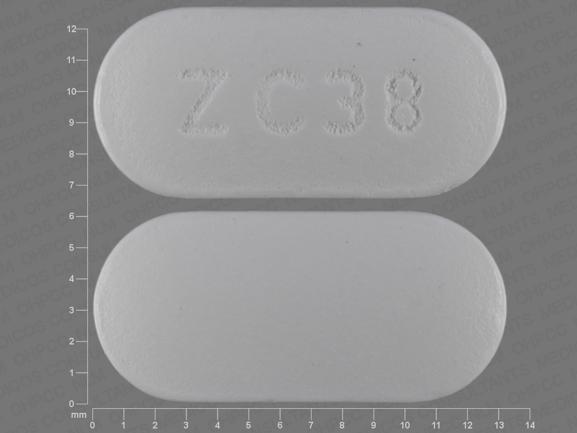
Hydroxychloroquine (Monograph)
Brand name: Plaquenil
Drug class: Antimalarials
- Disease-Modifying Antirheumatic Drugs
- DMARDS
CAS number: 747-36-4
Introduction
Antimalarial; 4-aminoquinoline derivative.
Uses for Hydroxychloroquine
Malaria
Prevention (prophylaxis) of malaria caused by Plasmodium malariae, P. ovale, chloroquine-susceptible P. vivax, and chloroquine-susceptible P. falciparum. Alternative when chloroquine is unavailable; may be better tolerated.
Treatment of uncomplicated malaria caused by P. malariae, P. knowlesi, P. ovale, chloroquine-susceptible P. vivax, or chloroquine-susceptible P. falciparum. Alternative when chloroquine is unavailable; may be better tolerated.
Do not use for prevention or treatment of malaria in areas where chloroquine resistance has been reported. (See Chloroquine-resistant Plasmodium under Cautions.)
Active only against asexual erythrocytic forms of Plasmodium (not exoerythrocytic stages) and cannot prevent delayed primary attacks or relapse of P. ovale or P. vivax malaria or provide a radical cure. Therefore, an 8-aminoquinoline antimalarial (14-day regimen of primaquine or single dose of tafenoquine) is indicated in addition to hydroxychloroquine prophylaxis if travelers were exposed in areas with P. ovale or P. vivax malaria and also is indicated in conjunction with hydroxychloroquine to eradicate hypnozoites and prevent relapse in patients being treated for P. ovale or P. vivax malaria.
Information on risk of malaria in specific countries and mosquito avoidance measures and recommendations regarding whether prevention of malaria indicated and choice of antimalarials for prevention is available from CDC at [Web] and [Web].
Information on recommended regimens for treatment of malaria is available from CDC at [Web]. Assistance with diagnosis or treatment of malaria available by contacting CDC Malaria Hotline at 770-488-7788 or 855-856-4713 from 9:00 a.m. to 5:00 p.m. Eastern Standard Time or CDC Emergency Operation Center at 770-488-7100 after hours and on weekends and holidays.
Lupus Erythematosus
Treatment of systemic lupus erythematosus and chronic discoid lupus erythematosus.
Consider increased risk of serious adverse effects (e.g., retinopathy) if used for prolonged periods in treatment of lupus erythematosus.
Rheumatoid Arthritis
Treatment of acute and chronic rheumatoid arthritis.
One of several conventional disease-modifying antirheumatic drugs (DMARDs) that can be used when conventional DMARD therapy is appropriate.
Consider increased risk of serious adverse effects (e.g., retinopathy) if used for prolonged periods in treatment of rheumatoid arthritis.
Consult most recent guidelines available from the American College of Rheumatology (ACR) for information on use of hydroxychloroquine for the treatment of rheumatoid arthritis.
Q Fever
Treatment of chronic Q fever† [off-label] caused by Coxiella burnetii when endocarditis, vascular infection, or non-cardiac organ disease is involved; used in conjunction with doxycycline.
Porphyria Cutanea Tarda
Has been used in treatment of porphyria cutanea tarda† [off-label].
Coronavirus Disease 2019 (COVID-19)
Was targeted for investigation as a potential option for treatment and prevention of coronavirus disease 2019 (COVID-19)† [off-label] caused by severe acute respiratory syndrome coronavirus 2 (SARS-CoV-2) during early stages of the COVID-19 pandemic based on some evidence of in vitro activity against SARS-CoV-2, possibility that immunomodulatory activity of 4-aminoquinoline derivatives (chloroquine and hydroxychloroquine) might contribute to anti-inflammatory responses in patients with viral infections, and initial anecdotal reports and preliminary information from small trials. However, safety and efficacy for treatment or prevention of COVID-19 not established, and NIH and IDSA recommend against use of hydroxychloroquine or chloroquine (alone or in conjunction with other antivirals or other drugs) in the treatment or prevention of COVID-19.
Hydroxychloroquine Dosage and Administration
Administration
Oral Administration
Administer orally with food or milk.
Do not crush or divide the film-coated tablets.
Dosage
Available as hydroxychloroquine sulfate; dosage expressed as hydroxychloroquine sulfate or as the base (hydroxychloroquine).
Each 200-mg tablet of hydroxychloroquine sulfate contains 155 mg of the base.
Pediatric Patients
Malaria
Prevention of Malaria in Areas Without Chloroquine-resistant Plasmodium
Oral6.5 mg/kg of hydroxychloroquine sulfate (5 mg/kg of the base) once weekly on same day each week. Manufacturer states the tablets not recommended in pediatric patients weighing <31 kg.
Initiate prophylaxis 1–2 weeks prior to entering malarious area and continue during stay and for 4 weeks after leaving the area.
If exposure occurred in areas where P. ovale or P. vivax is endemic, terminal prophylaxis with an 8-aminoquinoline antimalarial (14-day regimen of primaquine or single dose of tafenoquine) also indicated.
Treatment of Uncomplicated Chloroquine-susceptible Malaria
OralInitial dose of 13 mg/kg of hydroxychloroquine sulfate (10 mg/kg of the base) followed by 6.5 mg/kg of hydroxychloroquine sulfate (5 mg/kg of the base) given at 6, 24, and 48 hours after initial dose. Manufacturer states the tablets not recommended in pediatric patients weighing <31 kg.
If hydroxychloroquine used for treatment of malaria caused by P. ovale or P. vivax, treatment with an 8-aminoquinoline antimalarial (14-day regimen of primaquine phosphate or single dose of tafenoquine) also indicated to provide a radical cure.
Adults
Malaria
Prevention of Malaria in Areas Without Chloroquine-resistant Plasmodium
Oral400 mg of hydroxychloroquine sulfate (310 mg of the base) once weekly on same day each week.
Initiate prophylaxis 1–2 weeks prior to entering malarious area and continue during stay and for 4 weeks after leaving the area.
If exposure occurred in areas where P. ovale or P. vivax is endemic, terminal prophylaxis with an 8-aminoquinoline antimalarial (14-day regimen of primaquine or single dose of tafenoquine) also indicated.
Treatment of Uncomplicated Chloroquine-susceptible Malaria
OralInitial dose of 800 mg of hydroxychloroquine sulfate (620 mg of the base) followed by 400 mg of hydroxychloroquine sulfate (310 mg of the base) given at 6, 24, and 48 hours after initial dose.
If hydroxychloroquine used for treatment of malaria caused by P. ovale or P. vivax, treatment with an 8-aminoquinoline antimalarial (14-day regimen of primaquine phosphate or single dose of tafenoquine) also indicated to provide a radical cure.
Lupus Erythematosus
Oral
Systemic lupus erythematosus or chronic discoid lupus erythematosus: 200 mg of hydroxychloroquine sulfate once daily or 400 mg of hydroxychloroquine sulfate daily given as a single dose or in 2 divided doses.
Rheumatoid Arthritis
Oral
Initial dosage: 400–600 mg of hydroxychloroquine sulfate daily given as a single dose or in 2 divided doses.
Chronic maintenance dosage: 200 mg of hydroxychloroquine sulfate once daily or 400 mg daily given as a single dose or in 2 divided doses.
Therapeutic effects are cumulative; maximum effects may require weeks to months of treatment.
Q Fever† [off-label]
Chronic Q Fever† [off-label]
OralCDC recommends 200 mg of hydroxychloroquine sulfate every 8 hours in conjunction with doxycycline (100 mg every 12 hours).
Base duration of treatment on serologic response and evidence of clinical improvement. Continue for at least 18 months in those with endocarditis.
Prescribing Limits
Pediatric Patients
Malaria
Prevention of Malaria in Areas Without Chloroquine-resistant Plasmodium
OralMaximum 400 mg of hydroxychloroquine sulfate (310 mg of the base) once weekly, regardless of weight.
Treatment of Uncomplicated Chloroquine-susceptible Malaria
OralMaximum 800 mg of hydroxychloroquine sulfate (620 mg of the base) for initial dose; maximum 400 mg of hydroxychloroquine sulfate (310 mg of the base) for each of the 3 subsequent doses.
Special Populations
Hepatic Impairment
Dosage may need to be reduced; manufacturer makes no specific recommendations.
Renal Impairment
Dosage may need to be reduced; manufacturer makes no specific recommendations.
Cautions for Hydroxychloroquine
Contraindications
-
Hypersensitivity to 4-aminoquinoline derivatives.
Warnings/Precautions
Warnings
Cardiac Effects
Life-threatening and fatal cardiotoxicity, including cardiomyopathy, reported in patients receiving hydroxychloroquine. Signs and symptoms of cardiac compromise reported with both acute and chronic hydroxychloroquine treatment. Patients may present with ventricular hypertrophy, pulmonary hypertension, and conduction disorders including sick sinus syndrome; ECG findings include atrioventricular, right or left bundle branch block.
Has potential to prolong QT interval. Ventricular arrhythmias (including torsades de pointes) reported. Because magnitude of QT prolongation may increase with increasing concentrations of the drug, do not exceed recommended dosage. Avoid use in patients with congenital or documented acquired QT prolongation and/or known risk factors for prolongation of QT interval, such as cardiac disease (e.g., heart failure, MI), proarrhythmic conditions (e.g., bradycardia [<50 bpm]), history of ventricular dysrhythmias, uncorrected hypokalemia and/or hypomagnesemia, and concomitant use of drugs known to prolong QT interval.
Monitor cardiac function and avoid concomitant use with other drugs that have potential to prolong QT interval. Correct electrolyte imbalances prior to initiation of hydroxychloroquine.
If cardiotoxicity suspected, discontinue hydroxychloroquine.
Retinal Toxicity
Irreversible retinal damage has occurred in some patients treated with hydroxychloroquine; related to cumulative dosage and treatment duration.
Risk factors for retinal damage include daily dosage ≥5 mg/kg of hydroxychloroquine sulfate, treatment duration >5 years, renal impairment, concomitant use of other drugs with ocular adverse effects (e.g., tamoxifen), and concurrent macular disease.
In patients receiving long-term hydroxychloroquine treatment, a baseline ocular examinations recommended within the first year of treatment, including best corrected distance visual acuity (BCVA), automated threshold visual field (VF) of central 10 degrees (with retesting if abnormality noted), and spectral domain ocular coherence tomography (SD-OCT). For patients at higher risk of retinal damage, monitoring should include annual examinations that include BCVA, VF, and SD-OCT. For patients without significant risk factors, may usually defer annual retinal exams until 5 years of treatment. In patients of Asian descent, retinal toxicity may be noticed first outside the macula; therefore, perform visual field testing in central 24 degrees (instead of central 10 degrees).
If ocular toxicity suspected, discontinue hydroxychloroquine and monitor closely; retinal changes and visual disturbances may progress even after the drug is discontinued.
Dermatologic and Sensitivity Reactions
Serious adverse dermatologic reactions reported, including Stevens-Johnson syndrome (SJS), toxic epidermal necrolysis (TEN), drug reaction with eosinophilia and systemic symptoms (DRESS), and acute generalized exanthematous pustulosis (AGEP).
Monitor for serious skin reactions, especially in those receiving other drugs associated with dermatitis. If a severe dermatologic reaction occurs, discontinue hydroxychloroquine.
Patients with Psoriasis or Porphyria
May exacerbate psoriasis and precipitate a severe psoriasis flare-up in patients with the disease. Avoid use in patients with psoriasis unless benefits outweigh possible risks.
May exacerbate porphyria. Avoid use in patients with porphyria unless benefits outweigh possible risks.
Hematologic Effects
May cause myelosuppression, including aplastic anemia, agranulocytosis, leukopenia, or thrombocytopenia.
Periodically monitor CBCs in patients receiving prolonged treatment. If myelosuppression occurs and is not attributable to disease being treated, discontinue hydroxychloroquine.
Hemolysis reported in patients with glucose-6-phosphate dehydrogenase (G-6-PD) deficiency. Monitor for hemolytic anemia, especially in those receiving other drugs associated with hemolysis.
Neuromuscular Effects
Skeletal muscle myopathy or neuromyopathy reported. May lead to progressive weakness and atrophy of proximal muscle group, depressed tendon reflexes, and abnormal nerve conduction. Muscle and nerve biopsies have demonstrated bodies and muscle fiber atrophy with vacuolar changes.
Assess muscle strength and deep tendon reflexes periodically in patients receiving long-term hydroxychloroquine therapy.
If muscular weakness occurs, discontinue hydroxychloroquine.
Neuropsychiatric Events
Suicidal behavior reported.
Advise patients to contact their healthcare provider if they experience new or worsening depression, suicidal thoughts or behavior, or mood changes. Assess risks and benefits of continued hydroxychloroquine treatment in patients who develop such symptoms.
Hypoglycemic Effects
Severe and potentially life-threatening hypoglycemia reported in patients receiving or not receiving treatment with antidiabetic agents.
Assess blood glucose in patients presenting with clinical symptoms suggestive of hypoglycemia; adjust antidiabetic treatment as necessary.
Inappropriate Use
CDC issued a health advisory concerning inappropriate use of hydroxychloroquine and chloroquine. Advise patients and the public to not ingest aquarium products or any other chemical products that contain chloroquine since these products are not intended for human consumption and can lead to serious health consequences, including death.
Advise patients and the public that hydroxychloroquine and chloroquine should be used only under supervision of a healthcare provider. Inappropriate uses include taking any commercially available non-pharmaceutical preparations of the drugs, taking the drugs without a prescription or without supervision of a healthcare provider, and taking additional doses of the drugs not recommended by a healthcare provider.
Chloroquine-resistant Plasmodium
Chloroquine-resistant P. falciparum confirmed in all areas with P. falciparum malaria, except the Caribbean and Central America west of the Panama Canal.
Chloroquine-resistant P. vivax confirmed in Papua New Guinea and Indonesia; rare cases also reported in Burma (Myanmar), India, and Central and South America.
Do not use for prevention of malaria in individuals traveling to malarious areas where chloroquine-resistant P. falciparum or chloroquine-resistant P. vivax malaria reported.
Do not use for treatment of uncomplicated P. falciparum malaria or uncomplicated malaria caused by unidentified plasmodial species if the infection was acquired in areas with chloroquine resistance.
Specific Populations
Pregnancy
Manufacturer states that decades of clinical experience with use of hydroxychloroquine and data available from published epidemiologic and clinical studies have not identified a drug-associated risk of major birth defects, miscarriage, or adverse maternal or fetal outcomes.
There are risks to the mother and fetus associated with untreated or increased disease activity from malaria, rheumatoid arthritis, and systemic lupus erythematosus during pregnancy.
Hydroxychloroquine readily crosses the placenta with cord blood concentrations corresponding to maternal plasma concentrations. Manufacturer states no retinal toxicity, ototoxicity, cardiotoxicity, or growth and developmental abnormalities observed in children exposed to hydroxychloroquine in utero.
CDC states that pregnancy is not a contraindication to use of hydroxychloroquine when indicated for prevention of malaria. In addition, CDC states that recommendations for use of hydroxychloroquine for treatment of uncomplicated malaria in pregnant women are the same as those for other patients.
Encourage pregnant women exposed to hydroxychloroquine to enroll in the pregnancy registry by calling 877-311-8972.
Lactation
Distributed into milk in low concentrations. Not known whether the drug affects milk production.
Manufacturer states no adverse reactions reported in breast-fed infants of mothers who received hydroxychloroquine and no retinal toxicity, ototoxicity, cardiotoxicity, or growth and developmental abnormalities observed in children exposed to hydroxychloroquine through breast milk.
Consider developmental and health benefits of breast-feeding along with the mother’s clinical need for hydroxychloroquine and any potential adverse effects on the breast-fed child from the drug or from the underlying maternal condition.
Amount of drug present in human milk is insufficient to provide protection against malaria in breast-feeding infants. If prevention of malaria indicated, such infants should receive recommended dosages of appropriate antimalarial agent(s).
Pediatric Use
Safety and efficacy established in pediatric patients for treatment of uncomplicated malaria caused by susceptible P. malariae, P. ovale, P. vivax, or P. falciparum and for prophylaxis of malaria in geographic areas where chloroquine resistance not reported. Manufacturer states that hydroxychloroquine film-coated tablets not recommended in pediatric patients weighing <31 kg because the tablets cannot be crushed or divided.
Safety and efficacy not established in pediatric patients for treatment of systemic lupus erythematosus or juvenile idiopathic arthritis.
Geriatric Use
Insufficient numbers of patients ≥65 years of age in clinical trials to determine whether they respond differently from younger patients.
Substantially eliminated by the kidneys; risk of toxic reactions may be greater in patients with impaired renal function. Because geriatric patients more likely to have decreased renal, hepatic, or cardiac function and concomitant disease or other drug therapy, select dosage starting with the lowest recommended dosage.
Hepatic Impairment
Reduced dosage may be needed.
Renal Impairment
Reduced dosage may be needed.
Common Adverse Effects
The most common adverse reactions are nausea, vomiting, diarrhea, abdominal pain.
Drug Interactions
Drugs that Prolong QT Interval
Concomitant use with drugs known to prolong QT interval may increase risk of QT interval prolongation and ventricular arrhythmias; concomitant use not recommended.
Specific Drugs
|
Drug |
Interaction |
Comments |
|---|---|---|
|
Ampicillin |
Reduced ampicillin bioavailability reported with chloroquine; similar interaction with hydroxychloroquine cannot be ruled out |
|
|
Antacids |
Reduced GI absorption of chloroquine; similar interaction with hydroxychloroquine cannot be ruled out |
|
|
Antidiabetic agents (insulin, other antidiabetic agents) |
Possible enhanced hypoglycemic effects if used with hydroxychloroquine |
May need to decrease dosage of insulin or other antidiabetic agents |
|
Antiepileptic agents |
Hydroxychloroquine may impair antiepileptic agents |
|
|
Cimetidine |
Studies using chloroquine indicate twofold increase in chloroquine exposure; similar interaction with hydroxychloroquine cannot be ruled out |
Avoid concomitant use |
|
Cyclosporine |
Increased cyclosporine concentrations reported |
If use concomitantly, monitor cyclosporine concentrations |
|
Digoxin |
Possible increased digoxin concentrations if used with hydroxychloroquine |
If used concomitantly, monitor digoxin concentrations |
|
Mefloquine |
Increased risk of seizures if used with hydroxychloroquine; both drugs lower seizure threshold |
|
|
Methotrexate |
Concomitant use with hydroxychloroquine not studied; possible increased risk of adverse effects |
|
|
Praziquantel |
Decreased bioavailability of praziquantel reported with chloroquine; similar interaction with hydroxychloroquine cannot be ruled out |
|
|
Rifampin |
Concomitant use has resulted in lack of hydroxychloroquine efficacy |
Avoid concomitant use |
|
Tamoxifen |
Concomitant use may increase risk of retinal damage |
Hydroxychloroquine Pharmacokinetics
Absorption
Following single 200-mg oral dose of hydroxychloroquine sulfate in healthy males, peak concentrations in whole blood of 129.6 ng/mL attained at 3.3 hours and peak plasma concentrations of 50.3 ng/mL attained at 3.7 hours. Mean fraction of the dose absorbed was 0.74 (compared to an IV dose of 155 mg of hydroxychloroquine).
Patients with rheumatoid arthritis receiving oral hydroxychloroquine: Fraction of dose absorbed is highly variable (30–100%); mean hydroxychloroquine concentrations significantly higher in those with less disease activity.
Distribution
Extent
Large volume of distribution; extensively distributed to tissues.
Readily crosses placenta; distributed into milk.
Elimination
Metabolism
Partially metabolized. Major metabolite is desethylhydroxychloroquine (DHCQ); other metabolites are desethylchloroquine (DCQ) and bidesethylhydroxychloroquine (BDCQ).
Elimination Route
Hydroxychloroquine and its metabolites slowly excreted by the kidneys.
Still detectable in urine after 3 months; approximately 10% of dose eliminated as the parent drug.
Half-life
Mean elimination half-life of about 40 days; considerable interindividual variation.
Following single 200-mg dose in healthy males, plasma half-life of 123.5 days observed. Following chronic oral administration, absorption half-life reported to be approximately 3–4 hours and terminal half-life ranged from 40–50 days.
Stability
Storage
Oral
Tablets
Room temperature ≤30°C in tight, light-resistant container; may be exposed to 15–30°C.
Actions and Spectrum
-
A blood schizonticidal agent active against asexual erythrocytic forms of susceptible P. malariae, P. ovale, P. vivax, and P. falciparum. Not active against gametocytes and exoerythrocytic forms of plasmodia, including hypnozoite liver stage forms of P. ovale and P. vivax.
-
Exact mechanism of activity against Plasmodium not known. Hydroxychloroquine is a weak base and may exert its effect by concentrating in acid vesicles of the parasite and inhibiting polymerization of heme. Also inhibits certain enzymes by interacting with DNA.
-
Chloroquine-resistant P. falciparum confirmed in all areas where P. falciparum malaria occurs, except the Caribbean and Central America west of the Panama Canal.
-
Chloroquine-resistant P. vivax confirmed in Papua New Guinea and Indonesia. Rare cases of chloroquine-resistant P. vivax also reported in Burma (Myanmar), India, and Central and South America.
-
To date, no widespread evidence of chloroquine resistance in P. malariae, P. ovale, or P. knowlesi.
-
Chloroquine-resistant Plasmodium also are resistant to hydroxychloroquine.
-
Exact mechanism(s) of action underlying the anti-inflammatory and immunomodulatory effects of the drug in the treatment of rheumatoid arthritis, systemic lupus erythematosus, and chronic discoid lupus erythematosus not fully determined.
Advice to Patients
-
Advise patients to take hydroxychloroquine with food or milk and to not crush or divide the tablets.
-
For prevention of malaria, necessity of starting hydroxychloroquine prophylaxis 1–2 weeks before arriving in an area with malaria and continuing during and for 4 weeks after leaving the area.
-
Necessity of taking protective measures to reduce contact with mosquitoes (protective clothing, insect repellents, mosquito nets, remaining in air-conditioned or well-screened areas).
-
Possibility of contracting malaria during travel, regardless of prophylactic regimen used. Importance of seeking medical attention as soon as possible if febrile illness develops during or after return from a malaria-endemic area and of informing clinician of possible malaria exposure.
-
Inform patients that serious cardiac effects, including life-threatening and fatal cases, reported; importance of seeking medical attention immediately if they experience any symptoms of heart rhythm changes, including fast or irregular heartbeat, lightheadedness, dizziness, or syncope.
-
Inform patients that irreversible retinal damage reported; importance of ophthalmology visits to monitor their eyes; important of seeking medical attention promptly if they experience decreased vision or decreased dark adaptation.
-
Inform patients that severe, life-threatening skin reactions reported; importance of seeking medical attention immediately if they experience blisters in the mouth or on the skin, eyes, or lips or have itching or burning, with or without fever.
-
Inform patients that muscle weakness and atrophy reported; importance of reporting any symptoms of muscle weakness to their clinician.
-
Advise patients to seek immediate medical attention if they experience new or worsening depression, suicidal thoughts, or other mood changes.
-
Inform patients that severe hypoglycemia reported. Advise patients with diabetes mellitus to monitor blood sugar and seek medical attention if they develop any signs and symptoms of hypoglycemia (e.g., sweating, shakiness, weakness, dizziness, tachycardia, nausea, blurred vision, confusion, fainting, loss of consciousness).
-
Importance of informing clinicians of existing or contemplated concomitant therapy, including prescription and OTC drugs, as well as any concomitant illnesses.
-
Importance of women informing clinician if they are or plan to become pregnant or plan to breast-feed.
-
Importance of advising patients of other important precautionary information.
Additional Information
The American Society of Health-System Pharmacists, Inc. represents that the information provided in the accompanying monograph was formulated with a reasonable standard of care, and in conformity with professional standards in the field. Readers are advised that decisions regarding use of drugs are complex medical decisions requiring the independent, informed decision of an appropriate health care professional, and that the information contained in the monograph is provided for informational purposes only. The manufacturer’s labeling should be consulted for more detailed information. The American Society of Health-System Pharmacists, Inc. does not endorse or recommend the use of any drug. The information contained in the monograph is not a substitute for medical care.
Preparations
Excipients in commercially available drug preparations may have clinically important effects in some individuals; consult specific product labeling for details.
Please refer to the ASHP Drug Shortages Resource Center for information on shortages of one or more of these preparations.
* available from one or more manufacturer, distributor, and/or repackager by generic (nonproprietary) name
|
Routes |
Dosage Forms |
Strengths |
Brand Names |
Manufacturer |
|---|---|---|---|---|
|
Oral |
Tablets, film-coated |
200 mg (155 mg of hydroxychloroquine base)* |
Hydroxychloroquine Sulfate Tablets |
|
|
Plaquenil |
Concordia |
AHFS DI Essentials™. © Copyright 2025, Selected Revisions June 10, 2024. American Society of Health-System Pharmacists, Inc., 4500 East-West Highway, Suite 900, Bethesda, Maryland 20814.
† Off-label: Use is not currently included in the labeling approved by the US Food and Drug Administration.
Reload page with references included
Related/similar drugs
Frequently asked questions
- An Update: Is hydroxychloroquine effective for COVID-19?
- Does hydroxychloroquine cause emotional lability?
More about hydroxychloroquine
- Check interactions
- Compare alternatives
- Pricing & coupons
- Reviews (356)
- Drug images
- Side effects
- Dosage information
- During pregnancy
- Support group
- Drug class: antimalarial quinolines
- Breastfeeding
- En español