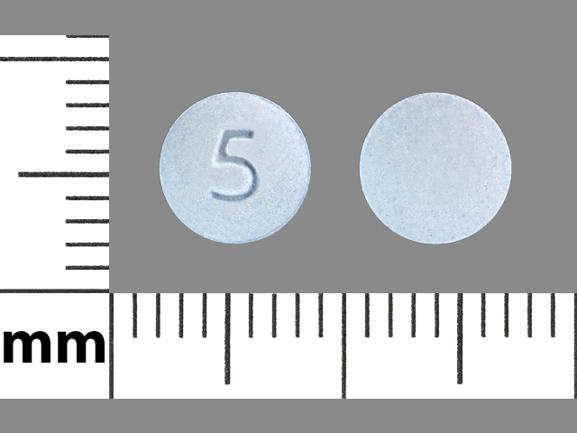
Desloratadine (Monograph)
Brand name: Clarinex
Drug class: Second Generation Antihistamines
Introduction
Second generation antihistamine; active descarboethoxy metabolite of loratadine.
Uses for Desloratadine
Allergic Rhinitis
Symptomatic relief of nasal and nonnasal symptoms of perennial allergic rhinitis.
Symptomatic relief (alone or in fixed combination with pseudoephedrine sulfate) of nasal and nonnasal symptoms of seasonal (e.g., hay fever) allergic rhinitis. Use fixed-combination preparation only when both antihistamine and nasal decongestant activity are desired.
Improves nasal and nonnasal symptoms in patients with seasonal allergic rhinitis and concomitant mild to moderate asthma without impairing pulmonary function.
Chronic Idiopathic Urticaria
Symptomatic treatment of pruritus and urticaria associated with chronic idiopathic urticaria.
Desloratadine Dosage and Administration
Administration
Oral Administration
Administer conventional tablets, oral solution, orally disintegrating tablets, and fixed-combination extended-release tablets orally once daily without regard to meals.
Orally disintegrating tablets: Remove tablet from blister just prior to administration. Place tablet on the tongue, allow it to disintegrate, then swallow with or without water.
Oral solution: To measure and administer dose, use a dropper or syringe calibrated to deliver 2 or 2.5 mL.
Fixed-combination desloratadine/pseudoephedrine sulfate extended-release tablets: Swallow whole; do not chew, break, or crush.
Dosage
Fixed-combination preparation contains 5 mg of desloratadine in an immediate-release outer shell and 240 mg of pseudoephedrine sulfate in an extended-release matrix core that slowly releases the drug.
Pediatric Patients
Allergic Rhinitis
Seasonal
OralChildren 2–5 years of age: 1.25 mg once daily (as oral solution).
Children 6–11 years of age: 2.5 mg once daily (as oral solution or orally disintegrating tablets).
Children ≥12 years of age: 5 mg once daily (as conventional tablets, oral solution, orally disintegrating tablets, or fixed-combination extended-release tablets with 240 mg pseudoephedrine sulfate).
Perennial
OralChildren 6–11 months of age: 1 mg once daily (as oral solution).
Children 1–5 years of age: 1.25 mg once daily (as oral solution).
Children 6–11 years of age: 2.5 mg once daily (as oral solution or orally disintegrating tablets).
Children ≥12 years of age: 5 mg once daily (as conventional tablets, oral solution, or orally disintegrating tablets).
Chronic Idiopathic Urticaria
Oral
Children 6–11 months of age: 1 mg once daily (as oral solution).
Children 1–5 years of age: 1.25 mg once daily (as oral solution).
Children 6–11 years of age: 2.5 mg once daily (as oral solution or orally disintegrating tablets).
Children ≥12 years of age: 5 mg once daily (as conventional tablets, oral solution, or orally disintegrating tablets).
Adults
Allergic Rhinitis
Seasonal
Oral5 mg once daily (as conventional tablets, oral solution, orally disintegrating tablets, or fixed-combination extended-release tablets with pseudoephedrine sulfate).
Perennial
Oral5 mg once daily (as conventional tablets, oral solution, or orally disintegrating tablets).
Chronic Idiopathic Urticaria
Oral
5 mg once daily (as conventional tablets, oral solution, or orally disintegrating tablets).
Prescribing Limits
Pediatric Patients
Allergic Rhinitis
Oral
Children ≥12 years of age: Dosages >5 mg provide no additional benefit but may increase risk of adverse effects (e.g., somnolence).
Adults
Allergic Rhinitis
Oral
Dosages >5 mg provide no additional benefit but may increase risk of adverse effects (e.g., somnolence).
Special Populations
Dosage adjustment based on gender, race, or age generally not necessary.
Hepatic Impairment
Pediatric patients: No specific dosage recommendations at this time because of lack of data.
Adults: 5 mg every other day (as conventional tablets, oral solution, or orally disintegrating tablets). Avoid fixed-combination preparation.
Renal Impairment
Pediatric patients: No specific dosage recommendations at this time because of lack of data.
Adults: 5 mg every other day (as conventional tablets, oral solution, orally disintegrating tablets, or fixed-combination tablets).
Cautions for Desloratadine
Contraindications
-
Known hypersensitivity to desloratadine, loratadine, or any ingredient in the formulation.
Warnings/Precautions
General Precautions
Shares the toxic potentials of loratadine and other second generation antihistamines; observe usual precautions related to therapy with such drugs.
Use of Fixed Combination
When using fixed-combination preparation containing pseudoephedrine sulfate, consider the cautions, precautions, and contraindications associated with pseudoephedrine.
Phenylketonuria
Clarinex RediTabs contain aspartame (NutraSweet), which is metabolized in the GI tract to provide 1.4 or 2.9 mg of phenylalanine per 2.5- or 5-mg tablet, respectively.
Specific Populations
Pregnancy
Category C.
Lactation
Distributed into milk. Discontinue nursing or the drug. Caution if fixed-combination preparation is used in nursing women.
Pediatric Use
Safety and efficacy not established for seasonal allergic rhinitis in children <2 years of age.
Safety and efficacy not established for perennial allergic rhinitis or chronic idiopathic urticaria in children <6 months of age.
Safety and efficacy of fixed combination for seasonal allergic rhinitis not established in children <12 years of age.
Risk of overdosage and toxicity (including death) in children <2 years of age receiving OTC preparations containing antihistamines, cough suppressants, expectorants, and nasal decongestants alone or in combination for relief of symptoms of upper respiratory tract infection. Clinicians should ask caregivers about use of OTC cough/cold preparations to avoid overdosage.
Geriatric Use
Insufficient experience in patients ≥65 years of age to determine whether geriatric patients respond differently than younger adults. Select dosage with caution. (See Elimination: Special Populations, under Pharmacokinetics.)
Hepatic Impairment
Conventional tablets, oral solution, or orally disintegrating tablets: Dosage reduction recommended. (See Hepatic Impairment under Dosage and Administration and also see Elimination: Special Populations, under Pharmacokinetics.)
Fixed-combination desloratadine/pseudoephedrine sulfate preparation: Use not recommended.
Renal Impairment
Conventional tablets, oral solution, or orally disintegrating tablets: Dosage reduction recommended. (See Renal Impairment under Dosage and Administration and also see Absorption: Special Populations, under Pharmacokinetics.)
Fixed-combination desloratadine/pseudoephedrine sulfate preparation: Dosage reduction recommended. (See Renal Impairment under Dosage and Administration.)
Common Adverse Effects
Children 6–11 months of age receiving oral solution: Upper respiratory tract infection, diarrhea, fever, irritability, coughing, somnolence, bronchitis, otitis media, vomiting.
Children 12–23 months of age receiving oral solution: Fever, diarrhea, upper respiratory tract infection, coughing.
Children 2–5 years of age receiving oral solution: Fever.
Adults and children ≥12 years of age receiving conventional or orally disintegrating tablets for management of allergic rhinitis: Pharyngitis, dry mouth.
Adults and children ≥12 years of age receiving conventional or orally disintegrating tablets for management of chronic idiopathic urticaria: Headache, nausea, fatigue.
Fixed-combination desloratadine/pseudoephedrine sulfate preparation: Dry mouth, headache, insomnia.
Drug Interactions
No formal drug interaction studies conducted with fixed-combination desloratadine/pseudoephedrine sulfate preparation. When using this preparation, consider drug interactions associated with pseudoephedrine (e.g., MAO inhibitors).
Drugs Affecting Hepatic Microsomal Enzymes
Potential pharmacokinetic interaction (increased plasma concentrations of desloratadine and active metabolite) with drugs affecting hepatic microsomal enzymes. (See Specific Drugs and Foods under Interactions.)
Specific Drugs and Foods
|
Drug or Food |
Interaction |
|---|---|
|
Azithromycin |
Increased plasma concentrations of desloratadine and active metabolite; no clinically important changes in ECG or laboratory evaluations, vital signs, or adverse effects |
|
Cimetidine |
Increased plasma concentrations of desloratadine and active metabolite; no clinically important changes in ECG or laboratory evaluations, vital signs, or adverse effects |
|
Erythromycin |
Increased plasma concentrations of desloratadine and active metabolite; no clinically important changes in ECG or laboratory evaluations, vital signs, or adverse effects |
|
Fluoxetine |
Increased plasma concentrations of desloratadine and active metabolite; no clinically important changes in ECG or laboratory evaluations, vital signs, or adverse effects |
|
Grapefruit juice |
Pharmacokinetic interaction unlikely |
|
Ketoconazole |
Increased plasma concentrations of desloratadine and active metabolite; no clinically important changes in ECG or laboratory evaluations, vital signs, or adverse effects |
Desloratadine Pharmacokinetics
Absorption
Bioavailability
Conventional tablets and oral solution are bioequivalent. Reformulated orally disintegrating tablets are bioequivalent to the original orally disintegrating formulation (no longer commercially available); original formulation previously shown to be bioequivalent to conventional tablets and oral solution.
Peak plasma concentrations occur at approximately 3 or 6–7 hours following administration of conventional tablets or fixed-combination extended-release preparation, respectively.
Onset
Following single- and multiple-dose administration, antihistaminic effects occur within 1 hour. Symptomatic (nasal and nonnasal) improvement observed as early as 1 day after initiation of therapy.
Duration
Following single- and multiple-dose administration, antihistaminic effects persist for up to 24 hours. No evidence of histamine-induced skin wheal tachyphylaxis over 28-day treatment period.
Food
Food or grapefruit juice does not appear to affect bioavailability following administration as conventional tablets, oral solution, or fixed-combination tablets; water does not appear to affect bioavailability following administration as orally disintegrating tablets.
Special Populations
In patients with renal impairment and those who require hemodialysis, peak plasma desloratadine concentrations and AUC are increased.
Distribution
Plasma Protein Binding
Approximately 82–87% (for desloratadine) and 85–89% (for 3-hydroxydesloratadine).
Special Populations
Protein binding not altered in patients with renal impairment.
Elimination
Metabolism
Extensively metabolized to 3-hydroxydesloratadine (active metabolite), which subsequently undergoes glucuronidation; enzyme(s) responsible for metabolism of desloratadine not identified.
Elimination Route
Approximately 87% excreted as metabolic products in urine and feces in equal proportions.
Desloratadine and 3-hydroxydesloratadine are poorly removed by hemodialysis.
Half-life
27 hours for desloratadine and 3-hydroxydesloratadine.
Special Populations
Approximately 6% of patients are poor metabolizers (decreased ability to form 3-hydroxydesloratadine); higher frequency of poor metabolizers in blacks (17%) than in Caucasians (2%) or Hispanics (2%). Substantially (approximately 6-fold) greater drug exposure in poor metabolizers than in normal metabolizers; however, no overall differences in safety observed between these groups. Nevertheless, an increased risk of adverse effects in poor metabolizers cannot be ruled out.
In patients ≥65 years of age, plasma desloratadine concentrations are increased and elimination half-life is prolonged.
In patients with hepatic impairment, AUC and elimination half-life are increased and clearance is decreased.
Stability
Storage
Oral
Tablets and Orally Disintegrating Tablets
25°C (may be exposed to 15–30°C).
Solution
25°C (may be exposed to 15–30°C). Protect from light.
Fixed-combination Tablets
25°C (may be exposed to 15–30°C). Protect from excessive moisture.
Actions
-
Specific, selective peripheral H1-receptor antagonist; relatively “nonsedating” or second generation antihistamine.
-
May suppress release of histamine from human mast cells.
-
May reduce nasal congestion/stuffiness.
Advice to Patients
-
Importance of adhering to prescribed dosage regimen and directions for use; increase in dosage or dosing frequency not recommended since higher dosages provide no additional benefit but may increase risk of adverse effects (e.g., somnolence).
-
Importance of informing patients with phenylketonuria that orally disintegrating tablets contain aspartame.
-
Importance of avoiding concomitant use of fixed-combination preparation with OTC antihistamines and/or decongestants.
-
Importance of informing clinicians of existing or contemplated concomitant therapy, including prescription and OTC drugs and dietary or herbal supplements, as well as any concomitant illnesses.
-
Importance of women informing clinician if they are or plan to become pregnant or plan to breast-feed.
-
Importance of informing patients of other important precautionary information. (See Cautions.)
Additional Information
The American Society of Health-System Pharmacists, Inc. represents that the information provided in the accompanying monograph was formulated with a reasonable standard of care, and in conformity with professional standards in the field. Readers are advised that decisions regarding use of drugs are complex medical decisions requiring the independent, informed decision of an appropriate health care professional, and that the information contained in the monograph is provided for informational purposes only. The manufacturer’s labeling should be consulted for more detailed information. The American Society of Health-System Pharmacists, Inc. does not endorse or recommend the use of any drug. The information contained in the monograph is not a substitute for medical care.
Preparations
Excipients in commercially available drug preparations may have clinically important effects in some individuals; consult specific product labeling for details.
Please refer to the ASHP Drug Shortages Resource Center for information on shortages of one or more of these preparations.
|
Routes |
Dosage Forms |
Strengths |
Brand Names |
Manufacturer |
|---|---|---|---|---|
|
Oral |
Solution |
0.5 mg/mL |
Clarinex Syrup |
Schering |
|
Tablets, film-coated |
5 mg |
Clarinex |
Schering |
|
|
Tablets, orally disintegrating |
2.5 mg |
Clarinex RediTabs |
Schering |
|
|
5 mg |
Clarinex RediTabs |
Schering |
|
Routes |
Dosage Forms |
Strengths |
Brand Names |
Manufacturer |
|---|---|---|---|---|
|
Oral |
Tablets, extended-release core (pseudoephedrine sulfate only) |
5 mg with Pseudoephedrine Sulfate 240 mg |
Clarinex-D 24-Hour |
Schering |
AHFS DI Essentials™. © Copyright 2025, Selected Revisions November 1, 2008. American Society of Health-System Pharmacists, Inc., 4500 East-West Highway, Suite 900, Bethesda, Maryland 20814.
Reload page with references included
Related/similar drugs
Frequently asked questions
More about desloratadine
- Check interactions
- Compare alternatives
- Pricing & coupons
- Reviews (36)
- Drug images
- Side effects
- Dosage information
- During pregnancy
- Drug class: antihistamines
- Breastfeeding
- En español