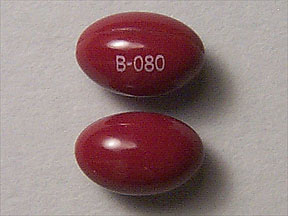
Chloral Hydrate
Brand names: AquachloralSuprettes, Somnote
Drug class: Anxiolytics, Sedatives, and Hypnotics; Miscellaneous
VA class: CN309
CAS number: 302-17-0
Warning
Genotoxic and may be carcinogenic in mice; should not be used when less potentially dangerous agents would be effective.
Introduction
Sedative and hypnotic.
Uses for Chloral Hydrate
Hypnotic
Short term treatment of insomnia for <2 weeks; effective for inducing and maintaining sleep.
Sedation
Used for routine sedation.
Used preoperatively to relieve anxiety and to provide sedation without depressed respiration or cough reflex.
Also used to produce sleep prior to non-painful procedures (e.g., EEG, diagnostic imaging) to relieve anxiety and to provide sedation.
Has been used for conscious sedation† to relieve anxiety in young pediatric patients (usually <3 years of age) during procedures (e.g., diagnostic imaging).
Used often in geriatric and pediatric patients, because many clinicians suggest that the drug is associated with paradoxical excitement less frequently than barbiturates; however, no well controlled studies confirmed this clinical impression.
Postoperative Analgesia
Adjunct to opiates and analgesics for control of postoperative pain.
Withdrawal
Reduction of anxiety associated with withdrawal of opiates or barbiturates.
Used alone or in conjunction with paraldehyde for prevention of alcohol withdrawal symptoms and/or suppression of the syndrome once it develops.
Chloral Hydrate Dosage and Administration
Administration
Administer orally or rectally.
Withdraw chloral hydrate slowly after chronic administration to avoid possibility of precipitating withdrawal symptoms. (See Withdrawal under Warnings and Precautions.)
Oral Administration
Administer capsules with a full glass of water or liquid after meals; dilute oral solution in 1/2 a glass of water or other liquid (e.g., fruit juice, ginger ale).
Rectal Administration
Moisten finger and suppository with water before inserting suppository.
Suppositories have been dissolved in cottonseed or olive oil and administered as a retention enema.
Dosage
Pediatric Patients
Hypnotic
Oral
50 mg/kg or 1.5 g/m2 up to a maximum single dose of 1 g.
Rectal
18 mg/kg (325 mg/18 kg) once daily before bedtime.
Sedation
Routine Sedation
Oral8 mg/kg or 250 mg/m2 3 times daily, up to a maximum of 500 mg 3 times daily.
Some experts recommend a dosage of 25–50 mg/kg per 24 hours, (given in 3 or 4 doses; every 8 or 6 hours, respectively), up to 500 mg per dose.
Rectal9 mg/kg (325 mg/36 kg), do not exceed 1 dose in 24 hours.
Some experts recommend a dosage of 25–50 mg/kg per 24 hours, (given in 3 or 4 doses; every 8 or 6 hours, respectively), up to 500 mg per dose.
Preoperative Sedation
Oral8 mg/kg or 250 mg/m2 3 times daily, up to a maximum of 500 mg 3 times daily.
Rectal9 mg/kg (325 mg/36 kg); do not exceed 1 dose in 24 hours.
Procedural Sedation
Oral
20–25 mg/kg before procedure.
Some experts recommend a 25- to 100-mg/kg dose before procedure; do not exceed a 1-g dose in infants or a 2-g dose in children.
Rectal
Some experts recommend a 25- to 100-mg/kg dose before procedure; do not exceed a 1-g dose in infants or a 2-g dose in children.
Conscious Sedation†
OralNeonates: have been given 25–100 mg/kg once.
Pediatric patients <3 years of age (excluding neonates): were given a dose of 25–100 mg/kg and a second dose of 25–50 mg/kg may be administered after 30 minutes; maximum total dosage has been 2 g or 100 mg/kg (whichever was lower).
RectalSome experts recommend a 25- to 100-mg/kg dose before procedure; do not exceed a 1-g dose in infants or a 2-g dose in children.
Adults
Hypnotic
Oral
0.5–1 g 15–30 minutes prior to bedtime.
Some experts recommend a 0.5- to 1-g dose; do not exceed 2 g in 24 hours.
Rectal
0.65–1.3 g 30 minutes prior to bedtime.
Some experts recommend a 0.5- to 1-g dose; do not exceed 2 g in 24 hours.
Sedation
Routine Sedation
Oral250 mg 3 times daily after meals.
Rectal325–650 mg 3 times daily, up to a maximum total daily dosage of 1950 mg.
Some experts recommend 250 mg 3 times daily.
Preoperative Sedation
Oral0.5–1 g 30 minutes prior surgery.
Alcohol Withdrawal
Oral
0.5–1 g every 6 hours as needed, up to a maximum single dose or daily dosage of 2 g.
Prescribing Limits
Pediatric Patients
Hypnotic
Oral
Maximum 1 g daily (as a single dose).
Sedation
Oral
For routine sedation, maximum 500 mg 3 times daily.
For procedural sedation, maximum 1-g dose in infants or a 2-g dose in children.
For conscious sedation, maximum total dosage in children <3 years of age (excluding neonates) is 2 g or 100 mg/kg (whichever is lower).
Rectal
For routine or preoperative sedation, maximum of one 9-mg/kg (325-mg/36 kg) dose daily.
Adults
Oral
Maximum 2 g daily.
Rectal
Maximum 1950 mg daily.
Special Populations
No special population recommendations at this time. (See Contraindications under Cautions.)
Cautions for Chloral Hydrate
Contraindications
-
Marked hepatic impairment.
-
Marked renal impairment.
-
Known hypersensitivity or idiosyncratic reaction to chloral hydrate.
Warnings/Precautions
Warnings
Carcinogenicity
Although the manufacturer of Aquachloral suppositories warns about potential carcinogenicity of the drug, some experts state that the assumption that chloral hydrate is a reactive metabolite of trichloroethylene (an industrial solvent) responsible for the carcinogenicity of trichloroethylene is questionable. There is evidence that the carcinogenicity of trichloroethylene is due to a reactive intermediate epoxide metabolite rather than to chloral hydrate.
Abuse Potential
Although uncommon, tolerance and psychologic dependence may occur following prolonged administration of the drug; use with caution in patients with a history of drug abuse.
Symptoms of dependence are similar to those of chronic alcoholism (drowsiness, lethargy, hangover, slurring of speech, incoordination, tremulousness, and nystagmus).
Withdrawal
Sudden withdrawal may cause delirium tremens (sometimes fatal) and hallucinations; following chronic use, withdraw slowly.
Sensitivity Reactions
Hypersensitivity Reactions
Scarlatiniform or erythematous rash, urticaria, angioedema, purpura, eczema, bullous lesions, skin eruptions, and erythema multiforme reported, sometimes accompanied by fever.
Tartrazine Sensitivity
Aquachloral 325 mg rectal suppositories contain tartrazine (FD&C yellow No. 5), which may cause allergic reactions including bronchial asthma in susceptible individuals. Incidence of tartrazine sensitivity is low, but it frequently occurs in patients who are sensitive to aspirin.
General Precautions
CNS Effects
Use with caution in mentally depressed patients or those having suicidal tendencies.
Rarely, somnambulistic reaction characterized by disorientation and incoherence reported.
GI Effects
Avoid oral administration in patients with esophagitis, gastritis, or gastric or duodenal ulcers.
Gastritis may develop following prolonged oral administration; minimize irritation by diluting oral syrup or administering other oral dosage forms with liquids. (See Administration under Dosage and Administration.)
Cardiac Effects
Prolonged administration of therapeutic doses was not associated with adverse cardiac effects.
Do not use high doses in patients with severe cardiac disease.
Renal Effects
Following prolonged administration, parenchymatous renal damage reported.
Porphyria
Attacks of acute intermittent porphyria reported; use caution in susceptible patients.
Adequate Monitoring
Procedural sedation using chloral hydrate in pediatric patients should be performed only under the supervision of qualified clinicians experienced in cardiorespiratory complications.
Specific Populations
Pregnancy
Category C.
Lactation
Distributed into milk. Use with caution in nursing women.
Pediatric Use
Used orally and rectally in pediatric patients for sedation and hypnosis.
Geriatric Use
Geriatric patients may tolerate chloral hydrate even when intolerant to barbiturates.
Common Adverse Effects
Nausea, vomiting, diarrhea, ataxia, dizziness.
Interactions for Chloral Hydrate
Specific Drugs
|
Drug |
Interaction |
Comments |
|---|---|---|
|
CNS depressants (e.g., alcohol, barbiturates, paraldehyde ) |
Additive CNS depression |
Vasodilation (characterized by tachycardia, palpitations, facial flushing, and dysphoria) may occur when used with alcohol Use with caution to avoid overdosage |
|
Furosemide |
Possible diaphoresis, flushing, variable BP, uneasiness, in patients with acute MI and CHF receiving IV furosemide within 24 hours of chloral hydrate |
Consider alternative hypnotic drug (e.g., a benzodiazepine) in patients receiving IV furosemide |
|
Warfarin |
Potential for increased warfarin metabolism and decreased warfarin efficacy (hypoprothrombinemia) |
Consider alternative hypnotic drug e.g., benzodiazepine). If used concomitantly, monitor prothrombin time closely |
|
Tests for Urine Glucose |
Possible false-positive results in urine glucose test using cupric sulfate as Benedict’s solution and possibly with cupric sulfate tablets (Clinitest) |
May use glucose tests based on enzymatic glucose oxidase reactions (e.g., Clinistix, Tes-Tape) |
|
Urine Catecholamine Test (Fluorometric) |
Possible interference |
Do not administer chloral hydrate for 48 hours prior to test |
|
Urinary 17-hydroxycorticosteroids Test |
Possible interference with Reddy, Jenkins, and Thorn procedures |
Chloral Hydrate Pharmacokinetics
Absorption
Bioavailability
Rapidly absorbed following oral or rectal administration.
Onset
Following oral administration of 0.5–1 g, sedation occurs within 30–60 minutes.
Following rectal administration, sedation occurs within 60 minutes.
Duration
Following oral administration of 0.5–1 g : 4–8 hours.
Distribution
Extent
Distributed into CSF, umbilical cord blood, fetal blood, amniotic fluid, and milk.
Elimination
Metabolism
Metabolized to trichloroethanol (active metabolite), principally in the liver and erythrocytes, by alcohol dehydrogenase and other enzymes. Small, but variable amounts of chloral hydrate metabolized to trichloroacetic acid (inactive metabolite) in liver and kidneys.
Elimination Route
Active and inactive metabolites are slowly and variably excreted in the kidneys. Trichloroethanol glucuronide (urochloralic acid), an inactive metabolite, may be secreted into the bile and excreted in feces.
Eliminated by dialysis.
Half-life
8–11 hours.
Stability
Storage
Oral
Capsules
25°C (may be exposed to 15–30°C).
Solution
Tight, light resistant containers at 20–25°C; protect from freezing.
Rectal
Suppositories
15–30°C; do not refrigerate.
Actions
-
Mechanism of action not fully elucidated; CNS depressant effect believed to result primarily from active metabolite trichloroethanol.
-
CNS depressant effects similar to paraldehyde and barbiturates.
-
Hypnotic doses produce mild cerebral depression and quiet, deep sleep.
-
Higher doses may lead to general anesthesia and concurrent depression of respiratory and vasomotor centers; death may result from respiratory failure.
-
Sedative or hypnotic doses have little anticonvulsant activity.
-
Has little analgesic activity and may produce excitement or delirium in the presence of pain.
Advice to Patients
-
Administer capsules with a full glass of water or liquid and oral solution with half glass of liquid (i.e., water, fruit juice, or ginger ale). (See Administration under Dosage and Administration)
-
Advise patients not to take CNS depressant drugs or alcohol concomitantly with chloral hydrate.
-
Risk of dizziness or fatigue; potential for drug to impair mental alertness or physical coordination; use caution when driving or operating machinery until effects on the individual are known.
-
Importance of informing clinicians of hypersensitivity to aspirin. (See Tartrazine Sensitivity under Warnings and Precautions.)
-
Importance of informing clinicians of existing or contemplated therapy, including prescription and OTC drugs and dietary or herbal supplements, as well as concomitant illnesses.
-
Importance of women informing clinicians if they are or plan to become pregnant or plan to breast-feed; breast-feeding may result in sedation of the infant.
-
Importance of informing patients of other important precautionary information. (See Cautions.)
Preparations
Excipients in commercially available drug preparations may have clinically important effects in some individuals; consult specific product labeling for details.
Please refer to the ASHP Drug Shortages Resource Center for information on shortages of one or more of these preparations.
Chloral hydrate is subject to control under the Federal Controlled Substances Act of 1970 as a schedule IV (C-IV) drug.
* available from one or more manufacturer, distributor, and/or repackager by generic (nonproprietary) name
|
Routes |
Dosage Forms |
Strengths |
Brand Names |
Manufacturer |
|---|---|---|---|---|
|
Oral |
Capsules, liquid-filled |
500 mg* |
Somnote (C-IV) |
Breckenridge |
|
Solution |
500 mg/5 mL* |
Chloral Hydrate Syrup (C-IV) |
Pharmaceutical Associates |
|
|
Rectal |
Suppositories |
325 mg |
Aquachloral Supprettes (with tartrazine, C-IV) |
Amerifit Pharma |
|
500 mg |
Chloral Hydrate Suppositories (C-IV) |
G&W |
||
|
650 mg |
Aquachloral Supprettes (with tartrazine, C-IV) |
Amerifit Pharma |
AHFS DI Essentials™. © Copyright 2019, Selected Revisions April 1, 2009. American Society of Health-System Pharmacists, Inc., 4500 East-West Highway, Suite 900, Bethesda, Maryland 20814.
† Use is not currently included in the labeling approved by the US Food and Drug Administration.
Reload page with references included
Related/similar drugs
Ativan
Ativan is a benzodiazepine used to treat anxiety disorders or anxiety associated with depression ...
Atarax
Atarax (hydroxyzine) is used to treat anxiety disorders and allergic skin conditions. Inludes ...
Botox
Botox is used cosmetically to reduce facial lines and wrinkles and for medical purposes for ...
Vistaril
Vistaril (hydroxyzine) is used as a sedative to treat anxiety and tension and to treat allergic ...
Phenergan
Phenergan (promethazine) is used to treat allergy symptoms and prevent motion sickness. Includes ...
Desyrel
Desyrel is used for depression, fibromyalgia, major depressive disorder, reflex sympathetic ...
Phenobarbital
Phenobarbital is used for epilepsy, hyperbilirubinemia, insomnia, sedation, seizures
Fentanyl
Fentanyl is an opioid medicine used to treat moderate to severe pain, but it can be misused, abused ...
Promethazine
Promethazine is a phenothiazine and antihistamine used to treat allergies, motion sickness, nausea ...
More about chloral hydrate
- Check interactions
- Compare alternatives
- Reviews (20)
- Side effects
- Dosage information
- During pregnancy
- Drug class: miscellaneous anxiolytics, sedatives and hypnotics
- Breastfeeding