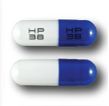
Paromomycin
Generic name: paromomycin [ PAR-oh-moe-MYE-sin ]
Brand names: Humatin, Paromycin
Dosage form: oral capsule (250 mg)
Drug classes: Amebicides, Aminoglycosides
What is paromomycin?
Paromomycin is an antibiotic that is used to treat certain intestinal infections. Paromomycin is also used to treat certain liver problems.
Paromomycin may also be used for purposes not listed in this medication guide.
Paromomycin side effects
Get emergency medical help if you have signs of an allergic reaction: hives; difficult breathing; swelling of your face, lips, tongue, or throat.
Paromomycin may cause serious side effects. Call your doctor at once if you have:
-
diarrhea that is watery or bloody; or
-
worsening symptoms.
Common side effects of paromomycin may include:
-
nausea, stomach cramps; or
-
mild diarrhea.
This is not a complete list of side effects and others may occur. Call your doctor for medical advice about side effects. You may report side effects to FDA at 1-800-FDA-1088.
Related/similar drugs
Flagyl
Flagyl is used to treat bacterial infections of the vagina, stomach, skin and joints. Learn about ...
Vibramycin
Vibramycin is used for acne, actinomycosis, amebiasis, anthrax, anthrax prophylaxis, bacterial ...
Botox
Botox is used cosmetically to reduce facial lines and wrinkles and for medical purposes for ...
Monodox
Monodox is used for acne, actinomycosis, amebiasis, anthrax, anthrax prophylaxis, bacterial ...
Doryx
Doryx is used for acne, actinomycosis, amebiasis, anthrax, anthrax prophylaxis, bacterial ...
Chloroquine
Chloroquine is used for amebiasis, malaria, malaria prevention, sarcoidosis
Nitazoxanide
Nitazoxanide is used for amebiasis, ascariasis, cryptosporidiosis, dwarf tapeworm infection, giardiasis
Tinidazole
Tinidazole is used for amebiasis, bacterial vaginosis, giardiasis, trichomoniasis
Metronidazole
Metronidazole is an antibiotic used to fight bacteria in your body. Learn about side effects ...
Doxycycline
Doxycycline is a tetracycline antibiotic used to treat many different bacterial infections such as ...
Warnings
Follow all directions on your medicine label and package. Tell each of your healthcare providers about all your medical conditions, allergies, and all medicines you use.
Before taking this medicine
You should not use paromomycin if you are allergic to it, or if you have a bowel obstruction.
Tell your doctor if you have ever had:
-
kidney disease;
-
an intestinal disorder such as ulcerative colitis; or
-
any allergies.
Tell your doctor if you are pregnant or breastfeeding.
How should I take paromomycin?
Follow all directions on your prescription label and read all medication guides or instruction sheets. Use the medicine exactly as directed.
Always take paromomycin with food when treating an intestinal infection.
Use this medicine for the full prescribed length of time, even if your symptoms quickly improve. Skipping doses can increase your risk of infection that is resistant to medication. Paromomycin will not treat a viral infection such as the flu or a common cold.
Store at room temperature away from moisture and heat.
Paromomycin dosing information
Usual Adult Dose for Amebiasis:
25 to 35 mg/kg/day orally in 3 divided doses with meals for 5 to 10 days
Comments:
-This drug is not effective in extraintestinal amebiasis.
Use: For intestinal amebiasis (acute and chronic)
Usual Adult Dose for Hepatic Coma:
4 g/day orally in divided doses (at regular intervals) for 5 to 6 days
Use: As adjunctive therapy, for management of hepatic coma
Usual Adult Dose for Dientamoeba fragilis:
US CDC Recommendations: 25 to 35 mg/kg/day orally in 3 divided doses for 7 days
Comments:
-Recommended as a regimen to treat infection due to Dientamoeba fragilis
-Current guidelines should be consulted for additional information.
Usual Pediatric Dose for Amebiasis:
25 to 35 mg/kg/day orally in 3 divided doses with meals for 5 to 10 days
Comments:
-This drug is not effective in extraintestinal amebiasis.
Use: For intestinal amebiasis (acute and chronic)
Usual Pediatric Dose for Dientamoeba fragilis:
American Academy of Pediatrics Recommendations: 25 to 35 mg/kg/day orally in 3 divided doses for 7 days
Comments:
-Recommended as a regimen to treat infection due to D fragilis
-Current guidelines should be consulted for additional information.
What happens if I miss a dose?
Take the medicine as soon as you can, but skip the missed dose if it is almost time for your next dose. Do not take two doses at one time.
What happens if I overdose?
Seek emergency medical attention or call the Poison Help line at 1-800-222-1222.
What should I avoid while taking paromomycin?
Follow your doctor's instructions about any restrictions on food, beverages, or activity.
What other drugs will affect paromomycin?
Other drugs may affect paromomycin, including prescription and over-the-counter medicines, vitamins, and herbal products. Tell your doctor about all your current medicines and any medicine you start or stop using.
More about paromomycin
- Check interactions
- Compare alternatives
- Reviews (7)
- Drug images
- Side effects
- Dosage information
- During pregnancy
- Drug class: amebicides
- Breastfeeding
- En español
Patient resources
Other brands
Professional resources
Other brands
Related treatment guides
Further information
Remember, keep this and all other medicines out of the reach of children, never share your medicines with others, and use this medication only for the indication prescribed.
Always consult your healthcare provider to ensure the information displayed on this page applies to your personal circumstances.
Copyright 1996-2025 Cerner Multum, Inc. Version: 3.01.