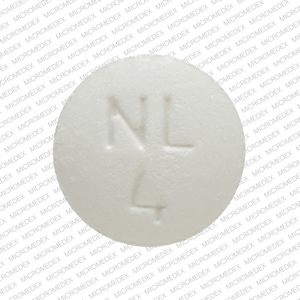
Orphenadrine
Generic name: orphenadrine [ or-FEN-a-drin ]
Brand names: Norflex, Banflex, Orphenate, Flexoject, Flexon,
... show all 10 brands
Dosage form: oral tablet, extended release (100 mg)
Drug class: Skeletal muscle relaxants
What is orphenadrine?
Orphenadrine is a muscle relaxer.
Orphenadrine is used together with rest and physical therapy to treat skeletal muscle conditions such as pain or injury.
Orphenadrine may also be used for purposes not listed in this medication guide.
Orphenadrine side effects
Get emergency medical help if you have signs of an allergic reaction: hives; difficult breathing; swelling of your face, lips, tongue, or throat.
Orphenadrine may cause serious side effects. Stop using orphenadrine and call your doctor at once if you have:
-
a light-headed feeling, like you might pass out;
-
painful or difficult urination;
-
little or no urination;
-
pounding heartbeats or fluttering in your chest.
Common side effects of orphenadrine may include:
-
dizziness, drowsiness, weakness;
-
dry mouth; or
This is not a complete list of side effects and others may occur. Tell your doctor about any unusual or bothersome side effect. You may report side effects to FDA at 1-800-FDA-1088.
Related/similar drugs
Flexeril
Flexeril (cyclobenzaprine) is a muscle relaxant used to treat skeletal muscle conditions such as ...
Valium
Valium is used to treat anxiety disorders, alcohol withdrawal symptoms, or muscle spasms. Learn ...
Nurtec ODT
Nurtec ODT (rimegepant) is used to treat acute migraines and prevent episodic migraines, by ...
Robaxin
Robaxin (methocarbamol) is used to treat skeletal muscle conditions such as pain or injury ...
Zanaflex
Zanaflex (tizanidine) is a short-acting muscle relaxer used to treat spasticity by temporarily ...
Soma
Soma (carisoprodol) is used treat injuries and other painful muscle conditions. Includes Soma side ...
Diazepam
Diazepam is used to treat anxiety disorders, alcohol withdrawal symptoms, or muscle spasms. Learn ...
Baclofen
Baclofen is a muscle relaxant used to treat spasticity and muscle pain in conditions like multiple ...
Tizanidine
Tizanidine is a short-acting muscle relaxant and is used to treat spasticity. Learn about side ...
Methocarbamol
Methocarbamol is a muscle relaxant that works by blocking pain sensations. Includes methocarbamol ...
Warnings
You should not take orphenadrine if you have urination problems, an enlarged prostate, glaucoma, a stomach ulcer or blockage in your digestive tract, trouble swallowing, or myasthenia gravis.
Before taking this medicine
You should not use orphenadrine if you are allergic to it, or if you have:
-
urination problems;
-
an enlarged prostate;
-
glaucoma;
-
a stomach ulcer;
-
a blockage in your stomach or intestines;
-
trouble swallowing; or
-
myasthenia gravis.
To make sure orphenadrine is safe for you, tell your doctor if you have:
-
a heart rhythm disorder;
-
if you also use a narcotic (opioid) medication.
It is not known whether this medicine will harm an unborn baby. Tell your doctor if you are pregnant or plan to become pregnant.
It is not known whether orphenadrine passes into breast milk or if it could affect the nursing baby. Tell your doctor if you are breast-feeding.
Orphenadrine is not approved for use by anyone younger than 18 years old.
How should I take orphenadrine?
Follow all directions on your prescription label. Do not take orphenadrine in larger or smaller amounts or for longer than recommended.
Orphenadrine may be habit-forming. Never share orphenadrine with another person, especially someone with a history of drug abuse or addiction. Keep the medication in a place where others cannot get to it. Selling or giving away this medicine is against the law.
Orphenadrine is usually taken 2 times per day, once in the morning and once in the evening. Follow your doctor's dosing instructions.
Do not crush, chew, or break an extended-release tablet. Swallow it whole.
Orphenadrine is only part of a complete program of treatment that may also include rest, physical therapy, or other pain relief measures.
Store orphenadrine at room temperature away from moisture, heat, and light. Keep the bottle tightly closed when not in use.
Keep track of the amount of medicine used from each new bottle. Orphenadrine is a drug of abuse and you should be aware if anyone is using your medicine improperly or without a prescription.
Orphenadrine dosing information
Usual Adult Dose for Muscle Spasm:
Extended-Release Tablets: 100 mg orally twice a day
Parenteral Injection: 60 mg IV or IM every 12 hours as needed
Use: As an adjunct to rest, physical therapy and other measures for the relief of discomfort associated with acute painful musculoskeletal conditions.
What happens if I miss a dose?
Take the missed dose as soon as you remember. Skip the missed dose if it is almost time for your next scheduled dose. Do not take extra medicine to make up the missed dose.
What happens if I overdose?
Seek emergency medical attention or call the Poison Help line at 1-800-222-1222.
What should I avoid while taking orphenadrine?
orphenadrine may impair your thinking or reactions. Be careful if you drive or do anything that requires you to be alert.
Do not drink alcohol. Dangerous side effects or death can occur.
What other drugs will affect orphenadrine?
Taking orphenadrine with other drugs that make you sleepy or slow your breathing can cause dangerous side effects or death. Ask your doctor before taking a sleeping pill, narcotic pain medicine, prescription cough medicine, a muscle relaxer, or medicine for anxiety, depression, or seizures.
Other drugs may interact with orphenadrine, including prescription and over-the-counter medicines, vitamins, and herbal products. Tell each of your health care providers about all medicines you use now and any medicine you start or stop using.
More about orphenadrine
- Check interactions
- Compare alternatives
- Pricing & coupons
- Reviews (83)
- Drug images
- Latest FDA alerts (1)
- Side effects
- Dosage information
- During pregnancy
- Drug class: skeletal muscle relaxants
- Breastfeeding
- En español
Patient resources
- Orphenadrine (Injection) advanced reading
- Orphenadrine (Oral) (Advanced Reading)
- Orphenadrine Extended-Release Tablets
- Orphenadrine Injection
Other brands
Norflex, Antiflex, Mio-Rel, Orfro, Orphenate
Professional resources
Other brands
Related treatment guides
Further information
Remember, keep this and all other medicines out of the reach of children, never share your medicines with others, and use this medication only for the indication prescribed.
Always consult your healthcare provider to ensure the information displayed on this page applies to your personal circumstances.
Copyright 1996-2025 Cerner Multum, Inc. Version: 7.01.