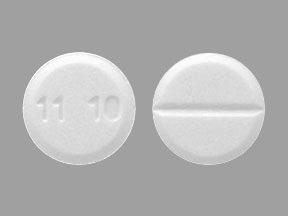
Cyproheptadine
Generic name: cyproheptadine [ SIP-roe-HEP-ta-deen ]
Brand name: Periactin
Dosage forms: oral syrup (2 mg/5 mL), oral tablet (4 mg)
Drug class: Antihistamines
What is cyproheptadine?
Cyproheptadine is an antihistamine that reduces the effects of natural chemical histamine in the body. Histamine can produce symptoms of sneezing, itching, watery eyes, and runny nose.
Cyproheptadine is used to treat sneezing, runny nose, itching, red or watery eyes, and other symptoms of seasonal allergies (hay fever). Cyproheptadine is also used to treat other conditions such as eczema or skin reactions to insect bites.
Cyproheptadine is sometimes used to treat certain types of headaches, including migraines.
Cyproheptadine may also be used for purposes not listed in this medication guide.
Cyproheptadine side effects
Get emergency medical help if you have signs of an allergic reaction: hives; difficult breathing; swelling of your face, lips, tongue, or throat.
Cyproheptadine may cause serious side effects. Stop using cyproheptadine and call your doctor at once if you have:
-
a light-headed feeling, like you might pass out;
-
tremor, seizure (convulsions);
-
confusion, hallucinations;
-
little or no urination;
-
fast or pounding heartbeats;
-
easy bruising or bleeding;
-
ringing in your ears; or
-
pale or yellowed skin, dark colored urine, fever, weakness.
Common side effects of cyproheptadine may include:
-
drowsiness, dizziness;
-
dry mouth, nose, or throat;
-
blurred vision; or
-
feeling restless or excited (especially in children).
This is not a complete list of side effects and others may occur. Call your doctor for medical advice about side effects. You may report side effects to FDA at 1-800-FDA-1088.
Related/similar drugs
Ubrelvy
Ubrelvy (ubrogepant) tablets are used for the acute treatment of migraine. Includes Ubrelvy side ...
Nurtec ODT
Nurtec ODT (rimegepant) is used to treat acute migraines and prevent episodic migraines, by ...
Qulipta
Qulipta is used to help prevent episodic or chronic migraine headaches in adults. Qulipta is an ...
Xolair
Xolair injection (omalizumab) is used to help improve allergic asthma, nasal polyps, and chronic ...
Zyrtec
Zyrtec (cetirizine) is used to treat allergy symptoms such as sneezing, itching, watery eyes, or ...
Loratadine
Loratadine is a non-drowsy antihistamine used to relieve allergy symptoms like sneezing, runny ...
Montelukast
Montelukast is a daily oral medication used to prevent asthma attacks, exercise-induced ...
Propranolol
Propranolol is a beta-blocker that is used to treat tremors, chest pain, high blood pressure, heart ...
Cetirizine
Cetirizine treats cold or allergy symptoms such as sneezing, itching, watery eyes, or runny nose ...
Diclofenac
Diclofenac is a nonsteroidal anti-inflammatory drug used to treat pain and inflammation associated ...
Warnings
You should not use cyproheptadine if you have narrow-angle glaucoma, a stomach ulcer or obstruction, an enlarged prostate, urination problems, or if you are having an asthma attack. You also should not use cyproheptadine if you are breast-feeding a baby, if you are elderly, or if you have a debilitating disease.
Do not use cyproheptadine if you have used an MAO inhibitor in the past 14 days, such as isocarboxazid, linezolid, methylene blue injection, phenelzine, rasagiline, selegiline, or tranylcypromine.
You should not use antihistamine medication to make a child sleepy.
Before taking this medicine
You should not use cyproheptadine if you are allergic to it, or if:
-
you have narrow-angle glaucoma;
-
you have a stomach ulcer or obstruction;
-
you have an enlarged prostate or urination problems;
-
you are breast-feeding a baby;
-
you are having an asthma attack; or
-
you are elderly or have a debilitating disease.
Do not give this medicine to a newborn or premature baby. Cyproheptadine is not approved for use by anyone younger than 2 years old.
To make sure cyproheptadine is safe for you, tell your doctor if you have:
-
glaucoma;
-
a history of asthma;
-
heart disease; or
-
an overactive thyroid.
Cyproheptadine is not expected to be harmful to an unborn baby. Tell your doctor if you are pregnant or plan to become pregnant while using this medicine.
It is not known whether cyproheptadine passes into breast milk or if it could harm a nursing baby. Antihistamines may slow breast milk production. You should not breast-feed while using this medicine.
How should I take cyproheptadine?
Follow all directions on your prescription label. Your doctor may occasionally change your dose to make sure you get the best results. Do not use cyproheptadine in larger or smaller amounts or for longer than recommended.
Do not give this medicine to a child younger than 2 years old. You should not use antihistamine medication to make a child sleepy. Death can occur from the misuse of an antihistamine in very young children.
Measure liquid medicine with the dosing syringe provided, or with a special dose-measuring spoon or medicine cup. If you do not have a dose-measuring device, ask your pharmacist for one.
Tell your doctor if you have any changes in weight. Cyproheptadine doses are based on weight (especially in children and teenagers), and any changes may affect the dose.
This medicine can cause you to have a false positive drug screening test. If you provide a urine sample for drug screening, tell the laboratory staff that you are taking cyproheptadine.
Store in a tightly-closed container at room temperature, away from moisture and heat.
What happens if I miss a dose?
Take the missed dose as soon as you remember. Skip the missed dose if it is almost time for your next scheduled dose. Do not take extra medicine to make up the missed dose.
What happens if I overdose?
Seek emergency medical attention or call the Poison Help line at 1-800-222-1222.
Overdose symptoms may include extreme drowsiness, hallucinations, very dry mouth, dilated pupils, pale or reddish skin, tingly feeling, vomiting, restlessness (in a child), weak or shallow breathing, or a seizure (convulsions).
What should I avoid while taking cyproheptadine?
cyproheptadine may impair your thinking or reactions. Be careful if you drive or do anything that requires you to be alert.
Drinking alcohol with this medicine can cause side effects.
What other drugs will affect cyproheptadine?
Taking cyproheptadine with other drugs that make you sleepy can worsen this effect. Ask your doctor before taking a sleeping pill, narcotic medication, muscle relaxer, or medicine for anxiety, depression, or seizures.
Other drugs may interact with cyproheptadine, including prescription and over-the-counter medicines, vitamins, and herbal products. Tell each of your health care providers about all medicines you use now and any medicine you start or stop using.
More about cyproheptadine
- Check interactions
- Compare alternatives
- Pricing & coupons
- Reviews (212)
- Drug images
- Side effects
- Dosage information
- During pregnancy
- Support group
- Drug class: antihistamines
- Breastfeeding
- En español
Patient resources
Professional resources
- Cyproheptadine Hydrochloride monograph
- Cyproheptadine (FDA)
- Cyproheptadine Solution (FDA)
- Cyproheptadine Syrup (FDA)
Related treatment guides
Further information
Remember, keep this and all other medicines out of the reach of children, never share your medicines with others, and use this medication only for the indication prescribed.
Always consult your healthcare provider to ensure the information displayed on this page applies to your personal circumstances.
Copyright 1996-2025 Cerner Multum, Inc. Version: 18.01.