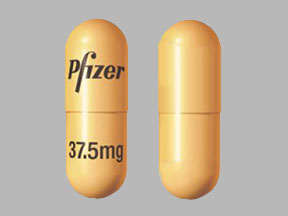
Sutent Side Effects
Generic name: sunitinib
Note: This document provides detailed information about Sutent Side Effects associated with sunitinib. Some dosage forms listed on this page may not apply specifically to the brand name Sutent.
Applies to sunitinib: oral capsule.
Important warnings
This medicine can cause some serious health issues
Oral route (capsule)
Hepatotoxicity may be severe, and in some cases, fatal.
Monitor hepatic function and interrupt, dose reduce, or discontinue sunitinib malate as recommended.
Precautions
It is very important that your doctor check your progress at regular visits to see if the medicine is working properly. Blood and urine tests may be needed to check for unwanted effects.
Using this medicine while you are pregnant can harm your unborn baby. It may also cause birth defects if the father is using it when his sexual partner becomes pregnant. If you are a woman who can get pregnant, your doctor may do tests to make sure you are not pregnant before starting sunitinib (the active ingredient contained in Sutent) treatment. Female patients should use an effective form of birth control during treatment with this medicine and for 4 weeks after the last dose. Male patients who have female partners should use effective birth control during treatment with this medicine and for 7 weeks after the last dose. If you think you have become pregnant while using the medicine, tell your doctor right away.
If you plan to have children, talk with your doctor before using this medicine. Some men and women using this medicine have become infertile (unable to have children).
Cancer medicines can cause nausea or vomiting in most people, sometimes even after receiving medicines to prevent it. Ask your doctor or nurse about other ways to control these unwanted effects.
Check with your doctor right away if you have pain or tenderness in the upper stomach, pale stools, dark urine, loss of appetite, nausea, unusual tiredness or weakness, or yellow eyes or skin. These could be symptoms of a serious liver problem.
This medicine may cause serious heart problems (eg, heart attack, heart failure, cardiomyopathy). Tell your doctor if you have chest pain, decreased urine output, dilated neck veins, dizziness, faintness, irregular breathing, irregular heartbeat, nausea, pain or discomfort in arms, jaw, back or neck, sweating, swelling of face, fingers, feet, or lower legs, tightness in the chest, trouble breathing, unusual tiredness or weakness, vomiting, or weight gain.
Contact your doctor right away if you have any changes to your heart rhythm. You might feel dizzy or faint, or have a fast, pounding, or uneven heartbeat. Make sure your doctor knows if you or anyone in your family has ever had a heart rhythm problem such as QT prolongation.
Your blood pressure might get too high while you are using this medicine. This may cause headaches, dizziness, or blurred vision. You might need to measure your blood pressure at home. If you think your blood pressure is too high, call your doctor right away.
This medicine may also increase your risk of bleeding and cause delay in wound healing. Check with your doctor right away if you notice any unusual bleeding or bruising, black, tarry stools, blood in the urine or stools, or pinpoint red spots on your skin.
It is important that you check with your doctor before having any dental procedures or surgeries done, or are receiving bisphosphonates (eg, alendronate, ibandronate, risedronate, Actonel®, Boniva®, Fosamax®, Zometa®) while you are using sunitinib. Tell your doctor right away if you have jaw tightness, swelling, numbing, or pain or a loose tooth. This could be symptoms of a severe jaw problem.
This medicine may cause a serious type of reaction called tumor lysis syndrome. Your doctor may give you medicine to help prevent this. Call your doctor right away if you have a decrease or change in the amount of urine, joint pain, stiffness, or swelling, lower back, side, or stomach pain, a rapid weight gain, swelling of the feet or lower legs, or unusual tiredness or weakness.
Thrombotic microangiopathy (damage in the smallest blood vessels) may occur while you are using this medicine. Tell your doctor right away if you have a fever, tiredness, confusion, loss of vision, or seizures.
Serious skin reactions, including erythema multiforme (EM), Stevens-Johnson syndrome (SJS), necrotizing fasciitis, and toxic epidermal necrolysis (TEN) can occur with this medicine. Check with your doctor right away if you have blistering, peeling, or loosening of the skin, red skin lesions, severe acne or skin rash, sores or ulcers on the skin, red irritated eyes, unusual tiredness and weakness, or fever or chills while you are using this medicine.
Check with your doctor right away if you have back pain, blurred vision, confusion, dizziness, drowsiness, fever, headache, seizures, or unusual tiredness or weakness. These may be symptoms of a rare and serious brain condition called reversible posterior leukoencephalopathy syndrome (RPLS).
This medicine may cause thyroid problems (eg, hyperthyroidism or hypothyroidism). Tell your doctor if you have nervousness, sensitivity to heat, sweating, trouble sleeping, weight loss, constipation, depressed mood, dry skin and hair, feeling cold, hair loss, hoarseness or husky voice, muscle cramps and stiffness, slowed heartbeat, weight gain, unusual tiredness or weakness.
This medicine may cause hypoglycemia (low blood sugar). Tell your doctor right away if you notice changes in your blood sugar or you have shaking, trembling, sweating, fast or pounding heartbeat, faintness or lightheadedness, hunger, or confusion.
Make sure any doctor or dentist who treats you knows that you are using this medicine. You may need to stop using this medicine several days before having surgery or medical tests.
Do not take other medicines unless they have been discussed with your doctor. This includes prescription or nonprescription (over-the-counter [OTC]) medicines and herbal or vitamin supplements.
Serious side effects of Sutent
Along with its needed effects, sunitinib may cause some unwanted effects. Although not all of these side effects may occur, if they do occur they may need medical attention.
Check with your doctor immediately if any of the following side effects occur while taking sunitinib:
More common side effects
- bleeding gums
- bloating or swelling of the face, arms, hands, fingers, lower legs, or feet
- blurred vision
- chest pain
- chills
- confusion
- constipation
- coughing up blood
- cracked lips
- decreased urine output and frequency
- diarrhea
- difficulty swallowing
- dilated neck veins
- dizziness
- dry mouth
- fainting
- fast, slow, or irregular heartbeat
- fever
- headache
- increased menstrual flow or vaginal bleeding
- irregular breathing
- lightheadedness
- nervousness
- nosebleeds
- paralysis
- pounding in the ears
- prolonged bleeding from cuts
- rapid breathing
- rapid weight gain
- red or black, tarry stools
- red or dark brown urine
- sores, ulcers, or white spots on the lips, tongue, or inside the mouth
- sunken eyes
- swelling or inflammation of the mouth
- thirst
- tightness in the chest
- tingling of the hands or feet
- trouble breathing
- unusual tiredness or weakness
- unusual weight gain or loss
- wrinkled skin
- yellow eyes or skin
Less common side effects
- bleeding from the rectum
- bleeding from wounds
- depressed mood
- dry skin and hair
- excessive sweating
- feeling cold
- hair loss
- hoarseness or husky voice
- indigestion
- loss of appetite
- muscle cramps and stiffness
- nausea
- pain in the chest, groin, or legs, especially the calves
- pain in the stomach, side, or abdomen, possibly radiating to the back
- severe, sudden headache
- slurred speech
- sudden loss of coordination
- sudden, severe weakness or numbness in the arm or leg
- vision changes
- vomiting
- vomiting of blood or material that looks like coffee grounds
Rare side effects
- back pain
- chest discomfort
- cloudy or bloody urine
- darkening of the skin
- drowsiness
- general feeling of tiredness or weakness
- light-colored stools
- mental depression
- seizures
- skin rash
- stomach pain, continuing
Incidence not known
- blistering, peeling, or loosening of the skin
- cough
- dark-colored urine
- heavy feeling of the jaw
- increased thirst
- itching
- joint pain, stiffness, or swelling
- loosening of a tooth
- lower back or side pain
- muscle cramps or spasms
- muscular pain, tenderness, wasting, or weakness
- pain, swelling, or numbness in the mouth or jaw
- painful or difficult urination
- pale skin
- red skin lesions, often with a purple center
- sores, ulcers, or white spots on lips or tongue or inside the mouth
- sore throat
- sudden, severe chest pain
- unusual bleeding or bruising
Other side effects of Sutent
Some side effects of sunitinib may occur that usually do not need medical attention. These side effects may go away during treatment as your body adjusts to the medicine. Also, your health care professional may be able to tell you about ways to prevent or reduce some of these side effects.
Check with your health care professional if any of the following side effects continue or are bothersome or if you have any questions about them:
More common side effects
- belching
- blistering, peeling, redness, or swelling of the palms, hands, or bottoms of the feet
- change in color of the treated skin
- change in taste
- difficulty with moving
- discouragement
- excess air or gas in the stomach or bowels
- feeling of fullness
- feeling sad or empty
- hair color changes
- hair loss or thinning of the hair
- heartburn
- irritability
- lack or loss of strength
- loss of interest or pleasure
- loss of taste
- muscle aches or pains
- numbness, pain, tingling, or unusual sensations in the palms of the hands or bottoms of the feet
- pain or burning in the throat
- passing gas
- stomach discomfort or upset
- swelling or inflammation of the mouth
- swollen joints
- trouble concentrating
- trouble sleeping
See also:
For healthcare professionals
Applies to sunitinib: oral capsule.
General adverse events
The most common side effects included fatigue, asthenia, fever, diarrhea, nausea, mucositis/stomatitis, vomiting, dyspepsia, abdominal pain, constipation, hypertension, peripheral edema, rash, hand and foot syndrome, skin discoloration, dry skin, hair color changes, altered taste, headache, back pain, arthralgia, extremity pain, cough, dyspnea, anorexia, and bleeding.
The most serious adverse reactions included hepatotoxicity, renal failure, heart failure, pulmonary embolism, gastrointestinal perforation, and hemorrhages.[Ref]
Gastrointestinal
- Very common (10% or more): Diarrhea (up to 66%), nausea (up to 58%), mucositis/stomatitis (up to 49%), abdominal pain (up to 44%), vomiting (up to 39%), dyspepsia (up to 34%), constipation (up to 28%), dry mouth (up to 13%), flatulence (up to 15%), oral pain (up to 14%), GERD/reflux esophagitis (up to 12%), glossodynia (up to 11%), laboratory abnormalities including lipase elevations (up to 56%), amylase elevations (up to 35%)
- Common (1% to 10%): Hemorrhoids, dysphagia, esophagitis, abdominal discomfort, rectal hemorrhage, gingival bleeding, mouth ulceration, proctalgia, cheilitis, oral discomfort, eructation
- Uncommon (0.1% to 1%): Pancreatitis, intestinal perforation, anal fistula
- Postmarketing reports: Esophagitis[Ref]
Hematologic
- Very common (10% or more): Neutropenia (18.3%), anemia (22%), thrombocytopenia (16.6%), bleeding events (18% to 37%), laboratory abnormalities including decreases in neutrophils (up to 77%), lymphocytes (up to 68%), leukocytes ( up to 78%), platelets (up to 68%), and hemoglobin (up to 79%)
- Common (1% to 10%): Leukopenia, lymphopenia
- Uncommon (0.1% to 1%): Pancytopenia
- Postmarketing reports: Thrombotic microangiopathy[Ref]
Postmarketing bleeding events have included gastrointestinal, respiratory, tumor, urinary tract, and brain hemorrhages, some of which have been fatal. During clinical trials, bleeding events were reported in 37% (140 of 375) of patients with renal cell carcinoma (RCC) receiving sunitinib compared with 10% receiving interferon alpha. In the gastrointestinal stromal tumor (GIST) study, bleeding events were reported in 18% (37 of 202) of the sunitinib-treated patients compared with 17% (17 of 102) in placebo. Epistaxis was commonly reported; less frequent reports included rectal, gingival, upper gastrointestinal, genital, and wound bleeding.[Ref]
Nervous system
- Very common (10% or more): Altered taste (21% to 47%), headache (13% to 26%), dizziness (up to 13.6%)
- Common (1% to 10%): Peripheral neuropathy, paresthesia, hypoesthesia, hyperesthesia
- Uncommon (0.1% to 1%): Reversible posterior leukoencephalopathy syndrome, cerebrovascular accident, transient ischemic attack
- Postmarketing reports: Seizures[Ref]
Hepatic
- Very common (10% or more): Laboratory abnormalities including elevations of ALT (up to 72%), AST (up to 61%), alkaline phosphatase (up to 63%), total bilirubin (up to 37%), and indirect bilirubin (up to 13%)
- Uncommon (0.1% to 1%): Liver failure, cholecystitis , hepatitis, abnormal hepatic function
- Postmarketing reports: Emphysematous cholecystitis, acalculous cholecystitis[Ref]
Hypersensitivity
- Uncommon (0.1% to 1%): Hypersensitivity
- Postmarketing reports: Hypersensitivity reactions, including angioedema[Ref]
Dermatologic
- Very common (10% or more): Skin discoloration (up to 30%), rash (up to 30%), hand-foot syndrome (14% to 29%), hair color changes (up to 29%), dry skin (15% to 23%), alopecia (up to 14%), erythema (14%), pruritus (14%)
- Common (1% to 10%): Skin exfoliation, skin reaction, eczema, blister, acne, pruritus, hyperkeratosis, dermatitis, nail disorder
- Uncommon (0.1% to 1%): Stevens-Johnson syndrome, toxic epidermal necrolysis
- Frequency not reported: Erythema multiforme, necrotizing fasciitis
- Postmarketing reports: Pyoderma gangrenosum[Ref]
Cardiovascular
- Very common (10% or more): Hypertension (up to 34%), peripheral edema (up to 24%), chest pain (13%), laboratory finding of decreased left ventricular ejection fraction (up to 16%)
- Common (1% to 10%): Venous thromboembolic events including deep vein thrombosis and pulmonary embolism, hot flush/flushing
- Uncommon (0.1% to 1%): Congestive cardiac failure, cardiac failure, cardiomyopathy, pericardial effusion, left ventricular failure
- Rare (less than 0.1%): Torsades de pointes
- Postmarketing reports: Arterial thromboembolic events including cerebrovascular accident, transient ischemic attack, and cerebral infarction.[Ref]
Musculoskeletal
- Very common (10% or more): Myalgia/limb pain (11% to 40%), back pain (24% to 28%), arthralgia (19% to 23%), creatine kinase elevation (up to 49%)
- Common (1% to 10%): Muscle spasms, muscular weakness
- Uncommon (0.1% to 1%): Osteonecrosis of the jaw, fistula
- Postmarketing reports: Fistula formation, myopathy and/or rhabdomyolysis[Ref]
Respiratory
- Very common (10% or more): Epistaxis (21%), cough (27%), dyspnea (16% to 26%), nasopharyngitis (14%), oropharyngeal pain (14%), upper respiratory infection (11%)
- Common (1% to 10%): Pulmonary embolism, pleural effusion, hemoptysis, nasal congestion, nasal dryness
- Uncommon (0.1% to 1%): Pulmonary hemorrhage, respiratory failure
- Postmarketing reports: Pulmonary embolism[Ref]
Renal
- Very common (10% or more): Increased serum creatinine (up to 70%),
- Rare (less than 0.1%): Nephrotic syndrome
- Frequency not reported: Proteinuria
- Postmarketing reports: Renal impairment and/or failure[Ref]
Metabolic
- Very common (10% or more): Anorexia (up to 48%), weight loss (up to 16%), laboratory abnormalities including decreased potassium (up to 21% ), increased potassium (up to 18%), decreased calcium (up to 42%), increased calcium (13%), increased uric acid (up to 46%), increased glucose (up to 71%), decreased glucose (up to 22%), decreased sodium (up to 29%), increased sodium (up to 13%), decreased phosphorus (up to 36%), decreased magnesium (19% ), decreased albumin (up to 41%)
- Common (1% to 10%): Dehydration
- Uncommon (0.1% to 1%): Tumor lysis syndrome[Ref]
Other
- Very common (10% or more): Fatigue (33% to 76%), asthenia (16% to 34%), fever (up to 22%), chills (up to 14%)
- Common (1% to 10%): Pain, influenza like symptoms
- Uncommon (0.1% to 1%): Impaired wound healing[Ref]
Ocular
- Common (1% to 10%): Periorbital edema, eyelid edema, increased lacrimation[Ref]
Endocrine
- Very common (10% or more): Hypothyroidism (16%)
- Uncommon (0.1% to 1%): Hyperthyroidism[Ref]
Psychiatric
- Very common (10% or more): Insomnia (15% to 18%), depression (up to 11%)[Ref]
References
1. (2006) "Product Information. Sutent (sunitinib)." Pfizer U.S. Pharmaceuticals Group
Frequently asked questions
- Does Sutent shrink tumors?
- Is Sutent considered a chemotherapy drug?
- How long do you take Sutent before it starts to work?
- Is Sutent effective for kidney cancer?
More about Sutent (sunitinib)
- Check interactions
- Compare alternatives
- Pricing & coupons
- Reviews (30)
- Drug images
- Dosage information
- Patient tips
- During pregnancy
- Generic availability
- FDA approval history
- Drug class: multikinase inhibitors
- Breastfeeding
- En español
Patient resources
Professional resources
Related treatment guides
Further information
Sutent side effects can vary depending on the individual. Always consult your healthcare provider to ensure the information displayed on this page applies to your personal circumstances.
Note: Medication side effects may be underreported. If you are experiencing side effects that are not listed, submit a report to the FDA by following this guide.