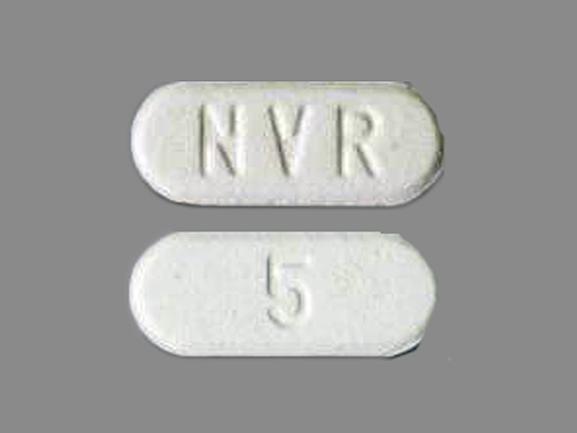
Afinitor
Pronunciation: a-fin-it-or
Generic name: everolimus
Other brand names of everolimus include: Afinitor, Afinitor Disperz
Drug classes: MTOR inhibitors, Selective immunosuppressants
What is Afinitor?
Afinitor is a cancer medicine that interferes with the growth of cancer cells and slows their spread in the body.
Afinitor is used to treat certain types of kidney cancer, breast cancer, or brain tumor. It is also used to treat certain types of advanced or progressive tumors of the stomach, intestines, or pancreas.
Afinitor is also used to treat certain types of seizures or non-cancerous (benign) tumors of the brain or kidney in people with a genetic condition called tuberous sclerosis complex.
This medication guide provides information about the Afinitor brand of everolimus. Zortress is another brand of everolimus used to prevent organ rejection after a kidney transplant.
Warnings
Afinitor can cause serious and sometimes fatal side effects. Call your doctor right away if you have: signs of infection--fever, chills, skin rash, joint pain, tiredness; lung problems--cough, chest pain, wheezing, shortness of breath; kidney problems--swelling, little or no urination; or liver problems--loss of appetite, dark urine, yellowing of your skin or eyes, or upper stomach pain.
If you have ever had hepatitis B, Afinitor can cause this condition to come back or get worse.
You may be more likely to have an allergic reaction if you take an "ACE inhibitor" heart or blood pressure medication while you are taking Afinitor. Tell your doctor about all your current medicines and any you start or stop using.
Before taking this medicine, tell your doctor if you have a breathing disorder such as asthma or COPD, liver disease (or a history of hepatitis B), an active infection, diabetes or high blood sugar, or high cholesterol.
Do not use everolimus if you are pregnant. It could harm the unborn baby. Use effective birth control while you are using this medicine and for at least 8 weeks after your treatment ends.
Before taking this medicine
You should not use Afinitor if you are allergic to everolimus, sirolimus (Rapamune), or temsirolimus (Torisel).
To make sure Afinitor is safe for you, tell your doctor if you have ever had:
-
an active or chronic infection;
-
liver disease, especially hepatitis B;
-
kidney disease;
-
diabetes or high blood sugar;
-
if you are scheduled to receive any vaccine; or
Afinitor can harm an unborn baby or cause birth defects if the mother or the father is using this medicine.
-
If you are a woman, do not use Afinitor if you are pregnant. You may need to have a negative pregnancy test before starting this treatment. Use effective birth control to prevent pregnancy while you are using this medicine and for at least 8 weeks after your last dose.
-
If you are a man, use effective birth control if your sex partner is able to get pregnant. Keep using birth control for at least 4 weeks after your last dose.
-
Tell your doctor right away if a pregnancy occurs while either the mother or the father is using Afinitor.
This medicine may affect fertility (ability to have children) in both men and women. However, it is important to use birth control to prevent pregnancy because Afinitor can harm an unborn baby.
You should not breastfeed while using this medicine and for at least 2 weeks after your last dose.
How should I take Afinitor?
Take Afinitor exactly as prescribed by your doctor. Follow all directions on your prescription label and read all medication guides or instruction sheets. Your doctor may occasionally change your dose.
Take Afinitor at the same time each day. You may take the medicine with or without food, but take it the same way each time.
Do not take a regular tablet together with a dispersible tablet. Use only one form of this medicine.
Read and carefully follow any Instructions for Use provided with your medicine. Ask your doctor or pharmacist if you do not understand these instructions.
Afinitor can increase your risk of bleeding or infection by changing the way your immune system works. You will need frequent medical tests.
If you've ever had hepatitis B, using Afinitor can cause this virus to become active or get worse. You may need frequent liver function tests while using this medicine and for several months after you stop.
Surgical incisions or other wounds may take longer to heal while you are taking Afinitor. You may need to stop taking this medicine for 1 week before and 2 weeks after a surgery. Follow your doctor's instructions.
Store at room temperature in the original container, away from moisture, heat, and light. Keep unused dispersible tablets in the foil blister pack.
What happens if I miss a dose?
Use the medicine as soon as you can, but skip the missed dose if you are more than 6 hours late for the dose. Do not use two doses at one time.
What happens if I overdose?
Seek emergency medical attention or call the Poison Help line at 1-800-222-1222.
What to avoid
Do not receive a "live" vaccine while using Afinitor, and avoid coming into contact with anyone who has recently received a live vaccine. There is a chance that the virus could be passed on to you. Live vaccines include measles, mumps, rubella (MMR), polio, rotavirus, typhoid, yellow fever, and varicella (chickenpox)
Grapefruit may interact with everolimus and lead to unwanted side effects. Avoid the use of grapefruit products.
If you develop mouth sores or ulcers, avoid using mouthwashes or applying medicines that contain alcohol, peroxide, iodine, or thyme. Your doctor may prescribe a steroid mouthwash if your mouth sores are severe.
Afinitor side effects
Get emergency medical help if you have signs of an allergic reaction to Afinitor: hives; chest pain, difficult breathing; swelling of your face, lips, tongue, or throat. You may be more likely to have some of these symptoms if you also take an "ACE inhibitor" heart or blood pressure medication.
Call your doctor at once if you have:
-
blisters or ulcers in your mouth, red or swollen gums, trouble swallowing;
-
lung problems - new or worsening cough, chest pain, wheezing, feeling short of breath;
-
signs of infection - fever, chills, tiredness, joint pain, skin rash;
-
kidney problems - little or no urination; swelling in your feet or ankles;
-
liver problems - nausea, loss of appetite, stomach pain (upper right side), dark urine, clay-colored stools, jaundice (yellowing of the skin or eyes);
-
low blood cell counts - flu-like symptoms, skin sores, easy bruising, unusual bleeding, pale skin, cold hands and feet, feeling light-headed;
-
any wound that will not heal; or
-
a surgical incision that is red, warm, swollen, painful, bleeding, or oozing pus.
Your cancer treatments may be delayed or permanently discontinued if you have certain side effects.
Common Afinitor side effects may include:
-
fever, cough, infections, feeling weak or tired;
-
mouth sores;
-
nausea, loss of appetite;
-
swelling anywhere in your body;
-
rash;
-
missed menstrual periods;
-
headache; or
-
high blood sugar - increased thirst, increased urination, dry mouth, fruity breath odor.
This is not a complete list of side effects and others may occur. Call your doctor for medical advice about side effects. You may report side effects to FDA at 1-800-FDA-1088.
Related/similar drugs
Trodelvy
Trodelvy is a targeted anticancer medication used to treat types of breast cancer and bladder ...
Lutathera
Lutathera is a targeted radiotherapy used for gastroenteropancreatic neuroendocrine tumors ...
Verzenio
Verzenio is used to treat early and advanced-stage hormone receptor-positive, HER2-negative breast ...
Keytruda
Keytruda is used to treat multiple types of cancer such as melanoma, non-small cell lung cancer ...
Arimidex
Arimidex is used to treat breast cancer in postmenopausal women. Learn about side effects ...
Fluorouracil
Fluorouracil systemic is used for anal cancer, breast cancer, breast cancer, palliative, cancer ...
Capecitabine
Capecitabine systemic is used for anal cancer, breast cancer, breast cancer, metastatic, colorectal ...
Pembrolizumab
Pembrolizumab (Keytruda) is a monoclonal antibody cancer medicine used to treat
Methotrexate
Methotrexate is used to treat certain types of cancer of the breast, skin, head and neck, or lung ...
What other drugs will affect Afinitor?
Tell your doctor about all your current medicines. Many drugs can affect Afinitor, especially:
-
an antibiotic or antifungal medicine;
-
heart or blood pressure medication;
-
medicine to treat hepatitis C, or HIV/AIDS;
-
seizure medicine;
-
tuberculosis medication; or
-
drugs that weaken the immune system, such as cancer medicine, steroids, and medicines to prevent organ transplant rejection.
This list is not complete and many other drugs may interact with everolimus. This includes prescription and over-the-counter medicines, vitamins, and herbal products. Not all possible drug interactions are listed here.
Frequently asked questions
- How much does Afinitor cost per month?
- How long can you take Afinitor for?
- How long can you take everolimus?
- What is everolimus used for and how does it work?
- How does Afinitor work?
More about Afinitor (everolimus)
- Check interactions
- Compare alternatives
- Pricing & coupons
- Reviews (20)
- Drug images
- Side effects
- Dosage information
- Patient tips
- During pregnancy
- Generic availability
- FDA approval history
- Drug class: mTOR inhibitors
- Breastfeeding
- En español
Patient resources
Other brands
Professional resources
Other brands
Other formulations
Related treatment guides
Further information
Remember, keep this and all other medicines out of the reach of children, never share your medicines with others, and use Afinitor only for the indication prescribed.
Always consult your healthcare provider to ensure the information displayed on this page applies to your personal circumstances.
Copyright 1996-2025 Cerner Multum, Inc. Version: 14.01.