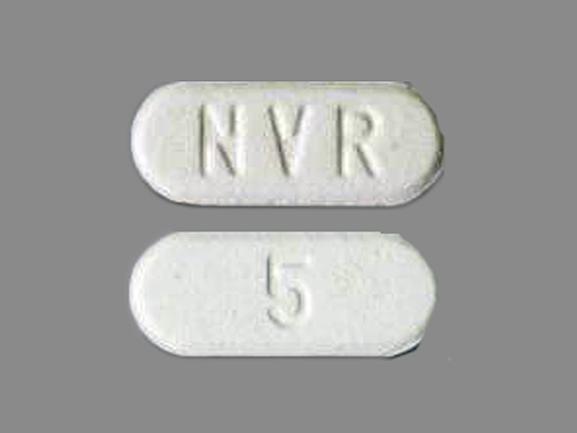
Afinitor Side Effects
Generic Name: everolimus
Please note - some side effects for Afinitor may not be reported. Always consult your doctor or healthcare specialist for medical advice. You may also report side effects to the FDA.
Side Effects of Afinitor - for the Consumer
Afinitor
All medicines may cause side effects, but many people have no, or minor, side effects. Check with your doctor if any of these most COMMON side effects persist or become bothersome when using Afinitor:
Seek medical attention right away if any of these SEVERE side effects occur when using Afinitor:Acne; constipation; diarrhea; dizziness; dry skin; fingernail or toenail changes; headache; joint, back, arm, or leg pain; loss of appetite; mild itching; muscle spasms; nausea; nosebleed; stomach pain or upset; stuffy or runny nose; taste changes; tiredness or weakness; trouble sleeping; vomiting; weight loss.
Severe allergic reactions (rash; hives; itching; difficulty breathing or swallowing; flushing; tightness in the chest; swelling of the mouth, face, lips, or tongue; unusual hoarseness); bloody stools; burning, numbness, or tingling (especially of the palms of the hands and soles of the feet); chest pain; decreased, difficult, or painful urination; dry mouth or increased thirst; fast or irregular heartbeat; fever, chills, or persistent sore throat; interrupted breathing while sleeping; new or worsening cough; pain, discomfort, or sores of the mouth or tongue; personality changes; seizure; severe or persistent diarrhea, nausea, stomach pain, or vomiting; severe or persistent dizziness or headache; severe or persistent tiredness or weakness; shortness of breath or other breathing problems; swelling of the arms, hands, feet, or ankles; symptoms of high blood sugar (eg, increased hunger, thirst, or urination; confusion; unusual drowsiness); unusual bruising or bleeding; wheezing; yellowing of the eyes or skin.
This is not a complete list of all side effects that may occur. If you have questions about side effects, contact your health care provider. Call your doctor for medical advice about side effects. To report side effects to the appropriate agency, please read the Guide to Reporting Problems to FDA.
TopAfinitor Side Effects - for the Professional
Afinitor
The following serious adverse reactions are discussed in greater detail in another section of the label:
- Non-infectious pneumonitis [see Warnings and Precautions (5.1)].
- Infections [see Warnings and Precautions (5.2)].
Because clinical trials are conducted under widely varying conditions, the adverse reaction rates observed cannot be directly compared to rates in other trials and may not reflect the rates observed in clinical practice.
Clinical Study Experience in Advanced Pancreatic Neuroendocrine Tumors
In a randomized, controlled trial of Afinitor (n=204) versus placebo (n=203) in patients with advanced PNET the median age of patients was 58 years (range 20-87), 79% were Caucasian, and 55% were male. Patients on the placebo arm could cross over to open-label Afinitor upon disease progression.
The most common adverse reactions (incidence ≥ 30%) were stomatitis, rash, diarrhea, fatigue, edema, abdominal pain, nausea, fever, and headache. The most common grade 3/4 adverse reactions (incidence ≥ 5%) were stomatitis and diarrhea. The most common laboratory abnormalities (incidence ≥ 50%) were decreased hemoglobin, hyperglycemia, alkaline phosphatase increased, hypercholesterolemia, bicarbonate decreased, and increased aspartate transaminase (AST). The most common grade 3/4 laboratory abnormalities (incidence ≥ 3%) were hyperglycemia, lymphopenia, decreased hemoglobin, hypophosphatemia, increased alkaline phosphatase, neutropenia, increased aspartate transaminase (AST), potassium decreased, and thrombocytopenia. Deaths during double-blind treatment where an AE was the primary cause occurred in 7 patients on Afinitor and 1 patient on placebo. Causes of death on the Afinitor arm included one case of each of the following: acute renal failure, acute respiratory distress, cardiac arrest, death (cause unknown), hepatic failure, pneumonia, and sepsis. There was 1 death due to pulmonary embolism on the placebo arm. After cross-over to open-label Afinitor, there were 3 additional deaths, one due to hypoglycemia and cardiac arrest in a patient with insulinoma, one due to MI with CHF, and the other due to sudden death. The rates of treatment-emergent adverse events resulting in permanent discontinuation were 20% and 6% for the Afinitor and placebo treatment groups, respectively. Dose delay or reduction was necessary in 61% of everolimus patients and 29% of placebo patients. Grade 3-4 renal failure occurred in 6 patients in the everolimus arm and 3 patients in the placebo arm. Thrombotic events included 5 patients with pulmonary embolus in the everolimus arm and 1 in the placebo arm as well as 3 patients with thrombosis in the everolimus arm and 2 in the placebo arm.
Table 2 compares the incidence of treatment-emergent adverse reactions reported with an incidence of ≥10% for patients receiving Afinitor 10 mg daily versus placebo.
| Afinitor N=204 |
Placebo N=203 |
|||||
| All grades | Grade 3 | Grade 4 | All grades | Grade 3 | Grade 4 | |
| % | % | % | % | % | % | |
| Any adverse reaction | 100 | 49 | 13 | 98 | 32 | 8 |
| Gastrointestinal disorders | ||||||
| Stomatitisa | 70 | 7 | 0 | 20 | 0 | 0 |
| Diarrheab | 50 | 5 | 0.5 | 25 | 3 | 0 |
| Abdominal pain | 36 | 4 | 0 | 32 | 6 | 1 |
| Nausea | 32 | 2 | 0 | 33 | 2 | 0 |
| Vomiting | 29 | 1 | 0 | 21 | 2 | 0 |
| Constipation | 14 | 0 | 0 | 13 | 0.5 | 0 |
| Dry mouth | 11 | 0 | 0 | 4 | 0 | 0 |
| General disorders and administration site conditions | ||||||
| Fatigue/malaise | 45 | 3 | 0.5 | 27 | 2 | 0.5 |
| Edema (general and peripheral) | 39 | 1 | 0.5 | 12 | 1 | 0 |
| Fever | 31 | 0.5 | 0.5 | 13 | 0.5 | 0 |
| Asthenia | 19 | 3 | 0 | 20 | 3 | 0 |
| Infections and infestations | ||||||
| Nasopharyngitis/rhinitis/URI | 25 | 0 | 0 | 13 | 0 | 0 |
| Urinary tract infection | 16 | 0 | 0 | 6 | 0.5 | 0 |
| Investigations | ||||||
| Weight decreased | 28 | 0.5 | 0 | 11 | 0 | 0 |
| Metabolism and nutrition disorders | ||||||
| Decreased appetite | 30 | 1 | 0 | 18 | 1 | 0 |
| Diabetes mellitus | 10 | 2 | 0 | 0.5 | 0 | 0 |
| Musculoskeletal and connective tissue disorders | ||||||
| Arthralgia | 15 | 1 | 0.5 | 7 | 0.5 | 0 |
| Back pain | 15 | 1 | 0 | 11 | 1 | 0 |
| Pain in extremity | 14 | 0.5 | 0 | 6 | 1 | 0 |
| Muscle spasms | 10 | 0 | 0 | 4 | 0 | 0 |
| Nervous system disorders | ||||||
| Headache/migraine | 30 | 0.5 | 0 | 15 | 1 | 0 |
| Dysgeusia | 19 | 0 | 0 | 5 | 0 | 0 |
| Dizziness | 12 | 0.5 | 0 | 7 | 0 | 0 |
| Psychiatric disorders | ||||||
| Insomnia | 14 | 0 | 0 | 8 | 0 | 0 |
| Respiratory, thoracic and mediastinal disorders | ||||||
| Cough/productive cough | 25 | 0.5 | 0 | 13 | 0 | 0 |
| Epistaxis | 22 | 0 | 0 | 1 | 0 | 0 |
| Dyspnea/dyspnea exertional | 20 | 2 | 0.5 | 7 | 0.5 | 0 |
| Pneumonitisc | 17 | 3 | 0.5 | 0 | 0 | 0 |
| Oropharyngeal pain | 11 | 0 | 0 | 6 | 0 | 0 |
| Skin and subcutaneous disorders | ||||||
| Rash | 59 | 0.5 | 0 | 19 | 0 | 0 |
| Nail disorders | 22 | 0.5 | 0 | 2 | 0 | 0 |
| Pruritus/pruritus generalized | 21 | 0 | 0 | 13 | 0 | 0 |
| Dry skin/xeroderma | 13 | 0 | 0 | 6 | 0 | 0 |
| Vascular disorders | ||||||
| Hypertension | 13 | 1 | 0 | 6 | 1 | 0 |
| Median duration of treatment (wks) | 37 | 16 | ||||
| CTCAE Version 3.0 a Includes stomatitis, aphthous stomatitis, gingival pain/swelling/ulceration, glossitis, glossodynia, lip ulceration, mouth ulceration, tongue ulceration, and mucosal inflammation. b Includes diarrhea, enteritis, enterocolitis, colitis, defecation urgency, and steatorrhea. c Includes pneumonitis, interstitial lung disease, pulmonary fibrosis and restrictive pulmonary disease. |
||||||
Key observed laboratory abnormalities are presented in Table 3.
| Laboratory parameter | Afinitor N=204 |
Placebo N=203 |
||
| All grades | Grade 3-4 | All grades | Grade 3-4 | |
| % | % | % | % | |
| Hematology | ||||
| Hemoglobin decreased | 86 | 15 | 63 | 1 |
| Lymphocytes decreased | 45 | 16 | 22 | 4 |
| Platelets decreased | 45 | 3 | 11 | 0 |
| WBC decreased | 43 | 2 | 13 | 0 |
| Neutrophils decreased | 30 | 4 | 17 | 2 |
| Clinical chemistry | ||||
| Alkaline phosphatase increased | 74 | 8 | 66 | 8 |
| Glucose (fasting) increased | 75 | 17 | 53 | 6 |
| Cholesterol increased | 66 | 0.5 | 22 | 0 |
| Bicarbonate decreased | 56 | 0 | 40 | 0 |
| Aspartate transaminase (AST) increased | 56 | 4 | 41 | 4 |
| Alanine transaminase (ALT) increased | 48 | 2 | 35 | 2 |
| Phosphate decreased | 40 | 10 | 14 | 3 |
| Triglycerides increased | 39 | 0 | 10 | 0 |
| Calcium decreased | 37 | 0.5 | 12 | 0 |
| Potassium decreased | 23 | 4 | 5 | 0 |
| Creatinine increased | 19 | 2 | 14 | 0 |
| Sodium decreased | 16 | 1 | 16 | 1 |
| Albumin decreased | 13 | 1 | 8 | 0 |
| Bilirubin increased | 10 | 1 | 14 | 2 |
| Potassium increased | 7 | 0 | 10 | 0.5 |
| CTCAE Version 3.0 | ||||
Clinical Study Experience in Advanced Renal Cell Carcinoma
The data described below reflect exposure to Afinitor (n=274) and placebo (n=137) in a randomized, controlled trial in patients with metastatic renal cell carcinoma who received prior treatment with sunitinib and/or sorafenib. The median age of patients was 61 years (range 27-85), 88% were Caucasian, and 78% were male. The median duration of blinded study treatment was 141 days (range 19-451) for patients receiving Afinitor and 60 days (range 21-295) for those receiving placebo.
The most common adverse reactions (incidence ≥30%) were stomatitis, infections, asthenia, fatigue, cough, and diarrhea. The most common grade 3/4 adverse reactions (incidence ≥3%) were infections, dyspnea, fatigue, stomatitis, dehydration, pneumonitis, abdominal pain, and asthenia. The most common laboratory abnormalities (incidence ≥50%) were anemia, hypercholesterolemia, hypertriglyceridemia, hyperglycemia, lymphopenia, and increased creatinine. The most common grade 3/4 laboratory abnormalities (incidence ≥3%) were lymphopenia, hyperglycemia, anemia, hypophosphatemia, and hypercholesterolemia. Deaths due to acute respiratory failure (0.7%), infection (0.7%), and acute renal failure (0.4%) were observed on the Afinitor arm but none on the placebo arm. The rates of treatment-emergent adverse events (irrespective of causality) resulting in permanent discontinuation were 14% and 3% for the Afinitor and placebo treatment groups, respectively. The most common adverse reactions (irrespective of causality) leading to treatment discontinuation were pneumonitis and dyspnea. Infections, stomatitis, and pneumonitis were the most common reasons for treatment delay or dose reduction. The most common medical interventions required during Afinitor treatment were for infections, anemia, and stomatitis.
Table 4 compares the incidence of treatment-emergent adverse reactions reported with an incidence of ≥10% for patients receiving Afinitor 10 mg daily versus placebo. Within each MedDRA system organ class, the adverse reactions are presented in order of decreasing frequency.
| Afinitor 10 mg/day N=274 |
Placebo N=137 |
|||||
| All grades | Grade 3 | Grade 4 | All grades | Grade 3 | Grade 4 | |
| % | % | % | % | % | % | |
| Any adverse reaction | 97 | 52 | 13 | 93 | 23 | 5 |
| Gastrointestinal disorders | ||||||
| Stomatitisa | 44 | 4 | <1 | 8 | 0 | 0 |
| Diarrhea | 30 | 1 | 0 | 7 | 0 | 0 |
| Nausea | 26 | 1 | 0 | 19 | 0 | 0 |
| Vomiting | 20 | 2 | 0 | 12 | 0 | 0 |
| Infections and infestationsb | 37 | 7 | 3 | 18 | 1 | 0 |
| General disorders and administration site conditions | ||||||
| Asthenia | 33 | 3 | <1 | 23 | 4 | 0 |
| Fatigue | 31 | 5 | 0 | 27 | 3 | <1 |
| Edema peripheral | 25 | <1 | 0 | 8 | <1 | 0 |
| Pyrexia | 20 | <1 | 0 | 9 | 0 | 0 |
| Mucosal inflammation | 19 | 1 | 0 | 1 | 0 | 0 |
| Respiratory, thoracic and mediastinal disorders | ||||||
| Cough | 30 | <1 | 0 | 16 | 0 | 0 |
| Dyspnea | 24 | 6 | 1 | 15 | 3 | 0 |
| Epistaxis | 18 | 0 | 0 | 0 | 0 | 0 |
| Pneumonitisc | 14 | 4 | 0 | 0 | 0 | 0 |
| Skin and subcutaneous tissue disorders | ||||||
| Rash | 29 | 1 | 0 | 7 | 0 | 0 |
| Pruritus | 14 | <1 | 0 | 7 | 0 | 0 |
| Dry skin | 13 | <1 | 0 | 5 | 0 | 0 |
| Metabolism and nutrition disorders | ||||||
| Anorexia | 25 | 1 | 0 | 14 | <1 | 0 |
| Nervous system disorders | ||||||
| Headache | 19 | <1 | <1 | 9 | <1 | 0 |
| Dysgeusia | 10 | 0 | 0 | 2 | 0 | 0 |
| Musculoskeletal and connective tissue disorders | ||||||
| Pain in extremity | 10 | 1 | 0 | 7 | 0 | 0 |
| Median duration of treatment (d) | 141 | 60 | ||||
| CTCAE Version 3.0 a Stomatitis (including aphthous stomatitis), and mouth and tongue ulceration. b Includes all preferred terms within the ‘infections and infestations’ system organ class, the most common being nasopharyngitis (6%), pneumonia (6%), urinary tract infection (5%), bronchitis (4%), and sinusitis (3%), and also including aspergillosis (<1%), candidiasis (<1%), and sepsis (<1%). c Includes pneumonitis, interstitial lung disease, lung infiltration, pulmonary alveolar hemorrhage, pulmonary toxicity, and alveolitis. |
||||||
Other notable adverse reactions occurring more frequently with Afinitor than with placebo, but with an incidence of <10% include:
Gastrointestinal disorders: Abdominal pain (9%), dry mouth (8%), hemorrhoids (5%), dysphagia (4%)
General disorders and administration site conditions: Weight decreased (9%), chest pain (5%), chills (4%), impaired wound healing (<1%)
Respiratory, thoracic and mediastinal disorders: Pleural effusion (7%), pharyngolaryngeal pain (4%), rhinorrhea (3%)
Skin and subcutaneous tissue disorders: Hand-foot syndrome (reported as palmar-plantar erythrodysesthesia syndrome) (5%), nail disorder (5%), erythema (4%), onychoclasis (4%), skin lesion (4%), acneiform dermatitis (3%)
Metabolism and nutrition disorders: Exacerbation of pre-existing diabetes mellitus (2%), new onset of diabetes mellitus (<1%)
Psychiatric disorders: Insomnia (9%)
Nervous system disorders: Dizziness (7%), paresthesia (5%)
Eye disorders: Eyelid edema (4%), conjunctivitis (2%)
Vascular disorders: Hypertension (4%)
Renal and urinary disorders: Renal failure (3%)
Cardiac disorders: Tachycardia (3%), congestive cardiac failure (1%)
Musculoskeletal and connective tissue disorders: Jaw pain (3%)
Hematologic disorders: Hemorrhage (3%)
Key laboratory abnormalities are presented in Table 5.
| Laboratory parameter | Afinitor 10 mg/day N=274 |
Placebo N=137 |
||||
| All grades | Grade 3 | Grade 4 | All grades | Grade 3 | Grade 4 | |
| % | % | % | % | % | % | |
| Hematologya | ||||||
| Hemoglobin decreased | 92 | 12 | 1 | 79 | 5 | <1 |
| Lymphocytes decreased | 51 | 16 | 2 | 28 | 5 | 0 |
| Platelets decreased | 23 | 1 | 0 | 2 | 0 | <1 |
| Neutrophils decreased | 14 | 0 | <1 | 4 | 0 | 0 |
| Clinical chemistry | ||||||
| Cholesterol increased | 77 | 4 | 0 | 35 | 0 | 0 |
| Triglycerides increased | 73 | <1 | 0 | 34 | 0 | 0 |
| Glucose increased | 57 | 15 | <1 | 25 | 1 | 0 |
| Creatinine increased | 50 | 1 | 0 | 34 | 0 | 0 |
| Phosphate decreased | 37 | 6 | 0 | 8 | 0 | 0 |
| Aspartate transaminase (AST) increased | 25 | <1 | <1 | 7 | 0 | 0 |
| Alanine transaminase (ALT) increased | 21 | 1 | 0 | 4 | 0 | 0 |
| Bilirubin increased | 3 | <1 | <1 | 2 | 0 | 0 |
| CTCAE Version 3.0 a Includes reports of anemia, leukopenia, lymphopenia, neutropenia, pancytopenia, thrombocytopenia. |
||||||
Clinical Study Experience in Subependymal Giant Cell Astrocytoma
The data described below reflect exposure to Afinitor (n=28) in an open-label, single-arm trial for the treatment of patients with SEGA. The reliability of the frequency of adverse reactions and laboratory abnormalities reported in this trial is limited because of the small number of patients. The median age of patients was 11 years (range 3-34), 86% were Caucasian, and 61% were male. In total, 17 of the 28 patients were exposed to Afinitor for ≥ 21 months.
The most common adverse reactions (incidence ≥ 30%) were stomatitis, upper respiratory tract infection, sinusitis, otitis media, and pyrexia. The grade 3 adverse reactions were convulsion, infections (single cases of sinusitis, pneumonia, tooth infection, and bronchitis viral), and single cases of stomatitis, aspiration, cyclic neutropenia, sleep apnea syndrome, vomiting, dizziness, white blood cell count decreased, and neutrophil count decreased. A grade 4 convulsion was also reported.
Table 6 summarizes the incidence of treatment-emergent adverse reactions reported with an incidence of ≥ 10%. Within each MedDRA system organ class, the adverse reactions are presented in order of decreasing frequency.
| Afinitor N=28 |
|||
| All grades | Grade 3 | Grade 4 | |
| % | % | % | |
| Any adverse reaction | 100 | 36 | 4 |
| Gastrointestinal disorders | |||
| Stomatitis | 86 | 4 | 0 |
| Diarrhea | 25 | 0 | 0 |
| Vomiting | 21 | 4 | 0 |
| Abdominal pain | 11 | 0 | 0 |
| Constipation | 11 | 0 | 0 |
| Infections and infestations | |||
| Upper respiratory tract infection | 82 | 0 | 0 |
| Sinusitis | 39 | 4 | 0 |
| Otitis media | 36 | 0 | 0 |
| Cellulitis | 21 | 0 | 0 |
| Body tinea | 18 | 0 | 0 |
| Gastroenteritis | 18 | 0 | 0 |
| Skin infection | 18 | 0 | 0 |
| Gastric infection | 14 | 0 | 0 |
| Otitis externa | 14 | 0 | 0 |
| Pharyngitis | 11 | 0 | 0 |
| General disorders and administration site conditions | |||
| Pyrexia | 32 | 0 | 0 |
| Nervous system disorders | |||
| Convulsion | 29 | 7 | 4 |
| Headache | 18 | 0 | 0 |
| Dizziness | 14 | 4 | 0 |
| Skin and subcutaneous tissue disorders | |||
| Dermatitis acneiform | 25 | 0 | 0 |
| Dry skin | 18 | 0 | 0 |
| Rash | 18 | 0 | 0 |
| Dermatitis contact | 14 | 0 | 0 |
| Acne | 11 | 0 | 0 |
| Respiratory, thoracic and mediastinal disorders | |||
| Cough | 21 | 0 | 0 |
| Nasal congestion | 14 | 0 | 0 |
| Rhinitis allergic | 14 | 0 | 0 |
| Psychiatric disorders | |||
| Personality change | 18 | 0 | 0 |
| Injury, poisoning and procedural complications | |||
| Excoriation | 14 | 0 | 0 |
| CTCAE Version 3.0 | |||
Other notable adverse reactions occurring with an incidence of < 10% include:
Gastrointestinal disorders: Gastritis (7%)
Skin and subcutaneous tissue disorders: Pityriasis rosea (4%)
Investigations: Chest x-ray abnormal (4%)
General disorders and administration site conditions: Fatigue (7%), edema peripheral (4%)
Respiratory, thoracic and mediastinal disorders: Pharyngeal inflammation (7%)
Nervous system disorders: Somnolence (7%)
Psychiatric disorders: Anxiety (7%)
Renal and urinary disorders: Proteinuria (7%)
Eye disorders: Ocular hyperemia (4%)
Vascular disorders: Hypertension (4%)
Key Laboratory Abnormalities
Single cases of grade 3 elevated aspartate transaminase (AST) concentrations and low absolute neutrophil count (ANC) were reported. No grade 4 laboratory abnormalities were noted. Laboratory abnormalities observed in > 1 patient (and listed in decreasing order of frequency) included elevations in AST concentrations (89%), total cholesterol (68%), alanine transaminase (ALT) (46%), triglycerides (43%) (hypertriglyceridemia reported as adverse reaction in 11% of patients, blood triglycerides increased reported as adverse reaction in 7% of patients), glucose (25%), and creatinine (11%), and reductions in white blood cell counts (54%) (reported as adverse reaction in 11% of patients), hemoglobin (39%), glucose (32%), and platelet counts (21%). Most of these laboratory abnormalities were mild (grade 1).
Two cases of neutrophil count decreased and blood immunoglobulin G decreased were reported as adverse reactions.
TopSide Effects by Body System - for Healthcare Professionals
Hypersensitivity
Hypersensitivity side effects manifested by symptoms including, but not limited to, anaphylaxis, dyspnea, flushing, chest pain, or angioedema (e.g., swelling of the airways or tongue, with or without respiratory impairment) have been observed with everolimus and other rapamycin derivatives.
Hematologic
Hematologic side effects including decreased hemoglobin (92%), decreased lymphocytes (51%), decreased platelets (23%), decreased neutrophils (14%), and hemorrhage (3%) have been reported.
Metabolic
Metabolic side effects including increased cholesterol (77%), increased triglycerides (73%), increased glucose (57%), increased creatinine (50%), decreased phosphate (37%), anorexia (25%), exacerbation of preexisting diabetes mellitus (2%), and new onset of diabetes mellitus (less than 1%) have been reported.
Gastrointestinal
Gastrointestinal side effects including stomatitis (44%), diarrhea (30%), nausea (26%), vomiting (20%), abdominal pain (9%), dry mouth (8%), hemorrhoids (5%), and dysphagia (4%) have been reported.
Other
Other side effects including infections and infestations (37%) have been reported.
General
General side effects including asthenia (33%), fatigue (31%), peripheral edema (25%), pyrexia (20%), mucosal inflammation (19%), decreased weight (9%), chest pain (5%), and chills (4%) have been reported.
Respiratory
Respiratory side effects including cough (30%), dyspnea (24%), epistaxis (18%), pneumonitis (14%), pleural effusion (7%), pharyngolaryngeal pain (4%), and rhinorrhea (3%) have been reported.
Dermatologic
Dermatologic side effects including rash (29%), pruritus (14%), dry skin (13%), hand-foot syndrome (5%), nail disorder (5%), erythema (4%), onychoclasis (4%), skin lesion (4%), and acneiform dermatitis (3%) have been reported.
Hepatic
Hepatic side effects including increased aspartate transaminase (AST) (25%), increased alanine transaminase (ALT) (21%), and increased bilirubin (3%) have been reported.
Nervous system
Nervous system side effects including headache (19%), dysgeusia (10%), insomnia (9%), dizziness (7%), and paresthesia (5%) have been reported.
Musculoskeletal
Musculoskeletal side effects including pain in extremity (10%) and jaw pain (3%) have been reported.
Cardiovascular
Cardiovascular side effects including hypertension (4%), tachycardia (3%), and congestive heart failure (1%) have been reported.
Ocular
Ocular side effects including eyelid edema (4%) and conjunctivitis (2%) have been reported.
Renal
Renal side effects including renal failure (3%) have been reported.
TopMore Afinitor resources
- Afinitor Monograph (AHFS DI)
- Afinitor Prescribing Information (FDA)
- Afinitor Consumer Overview
- Afinitor Advanced Consumer (Micromedex) - Includes Dosage Information
- Afinitor MedFacts Consumer Leaflet (Wolters Kluwer)
- Everolimus Professional Patient Advice (Wolters Kluwer)
- Zortress Prescribing Information (FDA)
- Zortress Consumer Overview
- Zortress MedFacts Consumer Leaflet (Wolters Kluwer)
Disclaimer: Every effort has been made to ensure that the information provided is accurate, up-to-date, and complete, but no guarantee is made to that effect. In addition, the drug information contained herein may be time sensitive and should not be utilized as a reference resource beyond the date hereof. This information does not endorse drugs, diagnose patients, or recommend therapy. This drug information is a reference resource designed as supplement to, and not a substitute for, the expertise, skill , knowledge, and judgement of healthcare practitioners in patient care. The absence of a warning for a given drug or drug combination in no way should be construed to indicate that the drug of drug combination is safe, effective, or appropriate for any given patient. Drugs.com does not assume any responsibility for any aspect of healthcare administered with the aid of information provided. The information contained herein is not intended to cover all possible uses, directions, precautions, warnings, drug interactions, allergic reactions, or adverse effects. If you have questions about the drugs you are taking, check with your doctor, nurse, or pharmacist.