
Dilated Cardiomyopathy
Medically reviewed by Drugs.com. Last updated on Jun 30, 2025.
What is dilated cardiomyopathy?
Dilated cardiomyopathy (DCM) develops when one or both ventricles (lower chambers of your heart) are damaged and become enlarged. The enlarged ventricles are too weak to pump enough blood to your body for your usual daily activities.
What increases my risk for DCM?
- Family history of DCM
- Conditions that cause heart damage, such as coronary artery disease
- Infections such as HIV, viruses, or toxoplasmosis
- Long-term alcohol or drug abuse
- Long-term conditions, such as diabetes, hypothyroidism, or autoimmune disorders
- Medicines or treatments such as chemotherapy, radiation, or antivirals
What are the signs and symptoms of DCM?
- Coughing, wheezing, or trouble breathing
- Increasing fatigue and weakness
- Swelling in your legs, ankles, or fingers
- Feeling of fullness and no appetite
- Unexplained weight gain
- Fast or fluttering heartbeat, fainting episodes
What medicines are used to treat DCM?
- Diuretics help your body release fluid that has built up.
- Blood pressure medicines lower your blood pressure, your heart rate, and improve blood flow through your heart.
- Heart medicines help regulate your heart rhythm and strengthen your heartbeat.
- Blood thinners help prevent blood clots. Clots can cause strokes, heart attacks, and death. Many types of blood thinners are available. Your healthcare provider will give you specific instructions for the type you are given. The following are general safety guidelines to follow while you are taking a blood thinner:
- Watch for bleeding and bruising. Watch for bleeding from your gums or nose. Watch for blood in your urine and bowel movements. Use a soft washcloth on your skin, and a soft toothbrush to brush your teeth. This can keep your skin and gums from bleeding. If you shave, use an electric shaver. Do not play contact sports.
- Tell your dentist and other healthcare providers that you take a blood thinner. Wear a bracelet or necklace that says you take this medicine.
- Do not start or stop any other medicines or supplements unless your healthcare provider tells you to. Many medicines and supplements cannot be used with blood thinners.
- Take your blood thinner exactly as prescribed by your healthcare provider. Do not skip a dose or take less than prescribed. Tell your provider right away if you forget to take your blood thinner, or if you take too much.
What other treatments might I need?
- Cardiac rehab is a program that will help you safely strengthen your heart. This plan includes exercise, relaxation, stress management, and heart-healthy nutrition instructions. Healthcare providers will make sure your medicines are helping to reduce your symptoms.
- A surgically implanted device , such as a pacemaker or ventricular assist device (VAD), may be placed in your chest. The device may regulate your heartbeat or help your heart pump blood to your body.
- Surgery may be done to treat other conditions and reduce your symptoms.
How do I manage my DCM?
- Weigh yourself every morning. Use the same scale, in the same spot. Weigh yourself after you use the bathroom, but before you eat or drink anything. Wear the same type of clothing each day. Do not wear shoes. Keep a record of your daily weights so you will notice sudden weight gain. Bring the record to appointments with your healthcare providers. Swelling and weight gain are signs of fluid retention. If you are overweight, ask your healthcare provider how to lose weight safely.
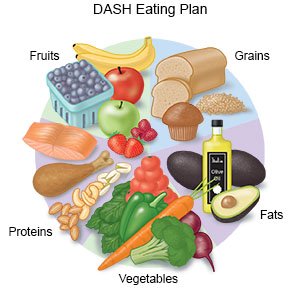
- Eat heart-healthy foods and limit sodium (salt). Eat more fresh fruits and vegetables and fewer canned and processed foods. Replace butter and margarine with heart-healthy oils such as olive oil and canola oil. Other heart-healthy foods include walnuts, fatty fish such as salmon and tuna, whole-grain breads, low-fat dairy products, beans, and lean meats. You may need to eat less than 2 grams of salt per day. Do not use salt substitutes. Ask your healthcare provider for more information on heart-healthy and low-salt diets.
- Limit alcohol. Alcohol may weaken your heart. Ask your healthcare provider if it is safe for you to drink any alcohol. If it is safe, talk to him or her about how much alcohol is safe for you.
- Do not smoke. If you smoke, it is never too late to quit. Smoking weakens your heart and makes shortness of breath and other symptoms worse. Ask your healthcare provider for information if you need help quitting.
- Manage other health conditions. Diabetes, sleep apnea, and other heart conditions can put more stress on your heart if not managed.
Call your local emergency number (911 in the US)if:
- You have any of the following signs of a heart attack:
- Squeezing, pressure, or pain in your chest
- You may also have any of the following:
- Discomfort or pain in your back, neck, jaw, stomach, or arm
- Shortness of breath
- Nausea or vomiting
- Lightheadedness or a sudden cold sweat
- You have any of the following signs of a stroke:
- Numbness or drooping on one side of your face
- Weakness in an arm or leg
- Confusion or difficulty speaking
- Dizziness, a severe headache, or vision loss
- You cough up blood.
- You are weak, sweaty, or pale, with cold feet or hands.
- You lose consciousness.
When should I call my doctor or cardiologist?
- You have more trouble breathing while you do your daily activities or exercise.
- You have new swelling in your legs, ankles, or fingers.
- You gain 2 or more pounds in a day.
- You have constant pain or fullness in your abdomen, or you lose your appetite.
- You have questions or concerns about your condition or care.
Care Agreement
You have the right to help plan your care. Learn about your health condition and how it may be treated. Discuss treatment options with your healthcare providers to decide what care you want to receive. You always have the right to refuse treatment. The above information is an educational aid only. It is not intended as medical advice for individual conditions or treatments. Talk to your doctor, nurse or pharmacist before following any medical regimen to see if it is safe and effective for you.© Copyright Merative 2025 Information is for End User's use only and may not be sold, redistributed or otherwise used for commercial purposes.
Learn more about Dilated Cardiomyopathy
Treatment options
Care guides
Symptoms and treatments
Further information
Always consult your healthcare provider to ensure the information displayed on this page applies to your personal circumstances.