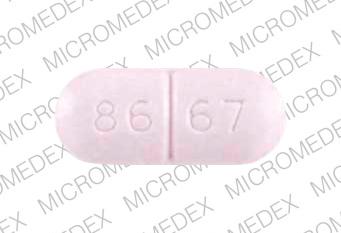
Skelaxin Side Effects
Generic name: metaxalone
Medically reviewed by Drugs.com. Last updated on Aug 7, 2024.
Note: This document provides detailed information about Skelaxin Side Effects associated with metaxalone. Some dosage forms listed on this page may not apply specifically to the brand name Skelaxin.
Applies to metaxalone: oral tablet.
Precautions
It is very important that your doctor check your and your child's progress at regular visits to make sure this medicine is working properly and to check for unwanted effects.
Check with your doctor right away if you have anxiety, restlessness, a fast heartbeat, fever, sweating, muscle spasms, twitching, nausea, vomiting, diarrhea, or see or hear things that are not there. These may be symptoms of a serious condition called serotonin syndrome. Your risk may be higher if you also take certain other medicines that affect serotonin levels in your body or if you take metaxalone (the active ingredient contained in Skelaxin) for a long time.
This medicine may make you dizzy, drowsy, or less alert than you are normally. These effects may be increased if you take this medicine with food. Do not drive or do anything else that could be dangerous until you know how this medicine affects you.
Check with your doctor before using this medicine with alcohol or other medicines that affect the central nervous system (CNS). The use of alcohol or other medicines that affect the CNS with metaxalone may worsen the side effects of this medicine, such as dizziness, poor concentration, drowsiness, unusual dreams, and trouble with sleeping. Some examples of medicines that affect the CNS are antihistamines or medicine for allergies or colds, sedatives, tranquilizers, or sleeping medicines, medicine for depression, medicine for anxiety, prescription pain medicine or narcotics, medicine for attention deficit and hyperactivity disorder, medicine for seizures or barbiturates, other muscle relaxants, or anesthetics, including some dental anesthetics.
Make sure any doctor or dentist who treats you knows that you are using this medicine. This medicine may affect the results of certain medical tests.
Common side effects of Skelaxin
Some side effects of metaxalone may occur that usually do not need medical attention. These side effects may go away during treatment as your body adjusts to the medicine. Also, your health care professional may be able to tell you about ways to prevent or reduce some of these side effects.
Check with your health care professional if any of the following side effects continue or are bothersome or if you have any questions about them:
More common side effects
- drowsiness
- irritability
- stomach or bowel upset
Serious side effects of Skelaxin
Along with its needed effects, metaxalone may cause some unwanted effects. Although not all of these side effects may occur, if they do occur they may need medical attention.
Check with your doctor immediately if any of the following side effects occur while taking metaxalone:
Incidence not known
- agitation
- back, leg, or stomach pains
- black, tarry stools
- bleeding gums
- chest pain
- chills
- clay-colored stools
- confusion
- cough
- dark urine
- diarrhea
- difficulty in breathing or swallowing
- dizziness
- fast heartbeat
- fever
- general body swelling
- headache
- hives, itching, skin rash
- loss of appetite
- nausea
- nosebleed
- painful or difficult urination
- pale skin
- poor coordination
- puffiness or swelling of the eyelids or around the eyes, face, lips, or tongue
- redness of the skin
- restlessness
- sore throat
- sores, ulcers, or white spots on the lips or in the mouth
- stomach pain
- sweating
- swelling of the face, throat, or tongue
- swollen glands
- talking or acting with excitement you cannot control
- tightness in the chest
- trembling or shaking
- twitching
- unpleasant breath odor
- unusual bleeding or bruising
- unusual tiredness or weakness
- vomiting
- vomiting of blood
- yellowing of the eyes or skin
See also:
For healthcare professionals
Applies to metaxalone: oral tablet.
General adverse events
The most frequent reactions were drowsiness, dizziness, headache, irritability, nausea, vomiting and gastrointestinal upset.[Ref]
Gastrointestinal
- Frequency not reported: Nausea, vomiting, gastrointestinal upset[Ref]
Hematologic
- Frequency not reported: Leukopenia, hemolytic anemia[Ref]
Hepatic
Hypersensitivity
- Frequency not reported: Anaphylaxis, hypersensitivity reaction, rash (with or without pruritus)[Ref]
Nervous system
- Frequency not reported: Serotonin syndrome, drowsiness, dizziness, headache[Ref]
Other
- Frequency not reported: False-positive Benedict's tests (due to an unknown reducing substance)[Ref]
A glucose-specific test may be used to differentiate findings.[Ref]
Psychiatric
- Common (1% to 10%): Nervousness, irritability[Ref]
References
1. (2001) "Product Information. Skelaxin (metaxalone)." Carnrick Laboratories Inc
2. (2024) "Product Information. Skelaxin (metaxalone)." King Pharmaceuticals, Inc.
3. (2025) "Product Information. Metaxalone (metaxalone)." INA Pharmaceutics, Inc.
More about Skelaxin (metaxalone)
- Check interactions
- Compare alternatives
- Reviews (85)
- Drug images
- Dosage information
- During pregnancy
- Drug class: skeletal muscle relaxants
- En español
Patient resources
Other brands
Professional resources
Other brands
Related treatment guides
Further information
Skelaxin side effects can vary depending on the individual. Always consult your healthcare provider to ensure the information displayed on this page applies to your personal circumstances.
Note: Medication side effects may be underreported. If you are experiencing side effects that are not listed, submit a report to the FDA by following this guide.