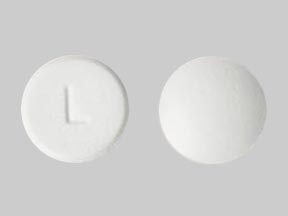
Miconazole Side Effects
Medically reviewed by Drugs.com. Last updated on Mar 5, 2025.
Applies to miconazole: buccal mucosa tablet.
Precautions
It is very important that your doctor check your progress at regular visits. This will allow your doctor to make sure the medicine is working properly and to check for any unwanted effects that may be caused by the medicine.
This medicine may cause a serious type of allergic reaction called anaphylaxis. Anaphylaxis can be life-threatening and requires immediate medical attention. Call your doctor right away if you have a rash; itching; hoarseness; trouble breathing; trouble swallowing; or any swelling of your hands, face, or mouth while you are using this medicine.
If your symptoms do not improve, or if they become worse, check with your doctor.
Do not take other medicines unless they have been discussed with your doctor. This includes prescription or nonprescription (over-the-counter [OTC]) medicines and herbal or vitamin supplements.
Common side effects of miconazole
Some side effects of miconazole may occur that usually do not need medical attention. These side effects may go away during treatment as your body adjusts to the medicine. Also, your health care professional may be able to tell you about ways to prevent or reduce some of these side effects.
Check with your health care professional if any of the following side effects continue or are bothersome or if you have any questions about them:
More common side effects
- change in taste
- diarrhea
- dry mouth
- headache
- itching skin
- loss of taste
- nausea
- pain, redness, and swelling of the gums
- sores on the tongue
- toothache
Less common side effects
- abdominal or stomach pain
- loss of appetite
- pain
- upper abdominal or stomach pain
- weakness
Serious side effects of miconazole
Along with its needed effects, miconazole may cause some unwanted effects. Although not all of these side effects may occur, if they do occur they may need medical attention.
Check with your doctor immediately if any of the following side effects occur while taking miconazole:
Less common side effects
- body aches or pain
- cough
- difficulty with breathing
- ear congestion
- fever or chills
- headache
- loss of voice
- lower back or side pain
- nasal congestion
- painful or difficult urination
- pale skin
- runny nose
- sneezing
- sore throat
- troubled breathing with exertion
- unusual bleeding or bruising
- unusual tiredness or weakness
Rare side effects
- black, tarry stools
- pale skin
- shortness of breath
- ulcers, sores, or white spots in the mouth
See also:
Diflucan
Diflucan (fluconazole) is used to treat and prevent fungal infections. Includes Diflucan side ...
Acidophilus
Acidophilus helps maintain an acidic environment, which can prevent the growth of harmful bacteria ...
Botox
Botox is used cosmetically to reduce facial lines and wrinkles and for medical purposes for ...
Mycostatin
Mycostatin is used for gastrointestinal candidiasis, oral thrush
Lactobacillus acidophilus
Lactobacillus acidophilus is used for clostridioides difficile infection, constipation, diarrhea ...
Posaconazole
Posaconazole is used for aspergillosis, invasive, candidemia, oral thrush
Amphotericin b
Amphotericin b is used for aspergillosis, aspergilloma, aspergillosis, invasive, blastomycosis ...
Miconazole topical
Miconazole topical is used for balanoposthitis, cutaneous candidiasis, intertrigo, oral thrush ...
Itraconazole
Itraconazole is used for aspergillosis, aspergilloma, aspergillosis, invasive, blastomycosis ...
For healthcare professionals
Applies to miconazole: buccal tablet, intravenous solution.
General adverse events
The overall safety of the buccal tablets was assessed in 480 adult subjects, including 315 HIV-infected subjects, 147 subjects with head and neck cancer, and 18 healthy subjects. Discontinuation due to side effects occurred in 0.6% of subjects overall.
The most common side effects reported with the oral gel were nausea, abnormal product taste, vomiting, oral discomfort, regurgitation, dry mouth, and dysgeusia.
Although the IV product has been discontinued in the US, side effects associated with this formulation have been included.[Ref]
Local
Buccal tablets:
- Very common (10% or more): Local side effects (including oral discomfort, oral burning, oral pain, gingival pain, gingival swelling, gingival pruritus, tongue ulceration, mouth ulceration, glossodynia, dry mouth, application site pain/discomfort, toothache, loss of taste, altered taste, tooth disorder)
IV formulation:
- Very common (10% or more): Phlebitis (at least 33%)[Ref]
Local side effects (including oral discomfort, oral burning, oral pain, gingival pain, gingival swelling, gingival pruritus, tongue ulceration, mouth ulceration, glossodynia, dry mouth, application site pain/discomfort, toothache, loss of taste, altered taste) have been reported in 12.1% of HIV-infected patients. Local side effects (including oral discomfort, oral pain, dry mouth, glossodynia, loss of taste, altered taste, tongue ulceration, mouth ulceration, tooth disorder, application site discomfort/pain) have been reported in 9.5% of patients with head and neck cancer.[Ref]
Gastrointestinal
Buccal tablets:
- Common (1% to 10%): Diarrhea, nausea, vomiting, dry mouth, oral discomfort, upper abdominal pain, gastroenteritis
Oral gel:
- Common (1% to 10%): Dry mouth, nausea, oral discomfort, vomiting, regurgitation
- Postmarketing reports: Diarrhea, stomatitis, tongue discoloration
IV formulation:
- Frequency not reported: Nausea, vomiting, anorexia, diarrhea[Ref]
Nervous system
Buccal tablets:
- Common (1% to 10%): Headache, dysgeusia, ageusia
Oral gel:
- Common (1% to 10%): Dysgeusia
IV formulation:
- Frequency not reported: Dizziness[Ref]
Respiratory
Buccal tablets:
- Common (1% to 10%): Cough, upper respiratory infection, pharyngeal pain
Oral gel:
- Postmarketing reports: Choking[Ref]
Hematologic
Buccal tablets:
- Common (1% to 10%): Anemia, lymphopenia
- Uncommon (0.1% to 1%): Neutropenia
Oral gel:
- Frequency not reported: Increase in INR, increase in bleeding events (e.g., epistaxis, contusion, hematuria, melena, hematemesis, hematoma, hemorrhages)
IV formulation:
- Frequency not reported: Transient decreases in hematocrit, thrombocytosis, thrombocytopenia, erythrocyte aggregation[Ref]
Increases in INR and bleeding events (e.g., epistaxis, contusion, hematuria, melena, hematemesis, hematoma, hemorrhages) have been reported in patients treated with oral anticoagulants (e.g., warfarin) and this oral gel; some events had fatal outcomes.[Ref]
Other
Buccal tablets:
- Common (1% to 10%): Fatigue, pain
Oral gel:
- Common (1% to 10%): Abnormal product taste
- Postmarketing reports: Malaise, chills
IV formulation:
- Frequency not reported: Fever, chills[Ref]
Dermatologic
Buccal tablets:
- Common (1% to 10%): Pruritus
Oral gel:
- Postmarketing reports: Angioedema, toxic epidermal necrolysis (Lyell syndrome), Stevens-Johnson syndrome, urticaria, rash, acute generalized exanthematous pustulosis, drug reaction with eosinophilia and systemic symptoms
IV formulation:
- Frequency not reported: Pruritus, maculopapular rash[Ref]
Pruritus (which may have been accompanied by maculopapular rash) has been reported with the IV formulation, and in some cases, severe pruritus developed after weeks of therapy or after therapy was completed.[Ref]
Hepatic
Buccal tablets:
- Common (1% to 10%): Elevated GGT
Oral gel:
- Postmarketing reports: Hepatitis[Ref]
Hypersensitivity
Buccal tablets:
- Frequency not reported: Allergic reaction (including anaphylactic reactions, hypersensitivity)
Oral gel:
- Postmarketing reports: Allergic conditions (including angioneurotic edema, anaphylactic reaction), hypersensitivity
IV formulation:
- Frequency not reported: Anaphylaxis, contact dermatitis[Ref]
Contact dermatitis has been reported when the IV formulation was used topically.[Ref]
Metabolic
Oral gel:
- Postmarketing reports: Anorexia
IV formulation:
- Frequency not reported: Hyperlipidemia, hyponatremia[Ref]
Increases in cholesterol and triglycerides reported in patients receiving the IV formulation were due to its vehicle (Cremophor EL [polyethoxylated castor oil]), and were reversible upon discontinuation of the drug. Hyperlipidemia due to Cremophor EL had the atypical appearance of gamma-2 globulin.
Hyponatremia associated with the IV formulation resulted in a mean decrease in sodium of 10 mEq/L, but usually was not a reason to discontinue therapy. This drug was usually administered in normal saline solution to help minimize decreases in sodium.[Ref]
Ocular
Oral gel:
- Postmarketing reports: Accommodation difficulty
IV formulation:
- Frequency not reported: Blurred vision
Cardiovascular
IV formulation:
- Frequency not reported: Cardiac arrhythmias, tachycardia, cardiac arrest[Ref]
Cardiac arrhythmias, tachycardia, and cardiac arrest may have been associated with rapid infusion of the drug and due to the Cremophor EL vehicle.[Ref]
Psychiatric
IV formulation:
- Frequency not reported: Euphoria
Renal
IV formulation:
- Frequency not reported: Acute renal failure[Ref]
Acute renal failure, possibly due to the IV formulation, was reported in 1 patient with a renal allograft.[Ref]
References
1. Stevens D (1977) "Miconazole in the treatment of systemic fungal infections." Am Rev Respir Dis, 116, p. 801-6
2. Cerner Multum, Inc. "UK Summary of Product Characteristics."
3. Cerner Multum, Inc. "Australian Product Information."
4. (2010) "Product Information. ORAVIG (miconazole)." Strativa Pharmaceuticals, a Division of Par Pharmaceuticals, Inc.
5. Heel RC, Brogden RN, Pakes GE, Speight TM, Avery GS (1980) "Miconazole: a preliminary review of its therapeutic efficacy in systemic fungal infections." Drugs, 19, p. 7-30
6. Wade TR, Jones HE, Chanda JJ (1979) "Intravenous miconazole therapy of mycotic infections." Arch Intern Med, 139, p. 784-6
7. Fischer TJ, Klein RB, Kershnar HE, Borut TC, Stiehm ER (1977) "Miconazole in the treatment of chronic mucocutaneous candidiasis: a preliminary report." J Pediatr, 91, p. 815-9
8. Bodey GP (1988) "Topical and systemic antifungal agents." Med Clin North Am, 72, p. 637-59
9. "Product Information. Monistat 7 (miconazole topical)." Ortho McNeil Pharmaceutical
10. Marmion LC, Desser KB, Lilly RB, Stevens DA (1976) "Reversible thrombocytosis and anemia due to miconazole therapy." Antimicrob Agents Chemother, 10, p. 447-9
11. Barr RJ, Fujita WH, Graham JH (1978) "Eruptive xanthomas associated with intravenous miconazole therapy." Arch Dermatol, 114, p. 1544-5
12. Degreef H, Verhoeve L (1975) "Contact dermatitis to miconazole nitrate." Contact Dermatitis, 1, p. 269-70
13. Fernandez L, Maquiera E, Rodriguez F, Picans I, Duque S (1996) "Systemic contact dermatitis from miconazole." Contact Dermatitis, 34, p. 217
14. Fainstein V, Bodey GP (1980) "Cardiorespiratory toxicity due to miconazole." Ann Intern Med, 93, p. 432-3
15. Perret CM, Happle R (1988) "Contact allergy to miconazole." Contact Dermatitis, 19, p. 75
16. Baes H (1991) "Contact sensitivity to miconazole with ortho-chloro cross-sensitivity to other imidazoles." Contact Dermatitis, 24, p. 89-93
17. Wade TR, Jones HE, Artis WA (1979) "Irritant and allergic reactions to topically applied Micatin cream." Contact Dermatitis, 5, p. 168-70
18. Raulin C, Frosch PJ (1988) "Contact allergy to imidazole antimycotics." Contact Dermatitis, 18, p. 76-80
19. Naito HK, McHenry MC, Lewis LA (1980) "Drug-induced dyslipoproteinemia: a report of two cases." Clin Chem, 26, p. 163-8
20. Rose HD, Roth DA, Barboriak JJ (1979) "Hyperlipidemia related to miconazole therapy." Ann Intern Med, 91, p. 491-2
21. Bagnarello AG, Lewis LA, McHenry MC, Weinstein AJ, Naito HK, McCullough AJ, Lederman RJ, Gavan TL (1977) "Unusual serum lipoprotein abnormality induced by the vehicle of miconazole." N Engl J Med, 296, p. 497-9
22. Coley KC, Crain JL (1997) "Miconazole-induced fatal dysrhythmia." Pharmacotherapy, 17, p. 379-82
23. Lai KN, Newton M, Seymour A, Pugsley D, Jones T (1981) "Miconazole treatment after renal transplantation." Lancet, 4, p. 48-9
Frequently asked questions
- Can you have sex while using Monistat?
- What are the most common skin conditions? (with photos)
- Why does Monistat burn/itch so bad?
- Do you wash Monistat out in the morning?
More about miconazole
- Check interactions
- Compare alternatives
- Dosage information
- During pregnancy
- Support group
- Drug class: azole antifungals
- Breastfeeding
- En español
Patient resources
- Miconazole oral buccal drug information
- Miconazole (Buccal mucosa) (Advanced Reading)
- Miconazole (Oral)
Other brands
Professional resources
Other brands
Related treatment guides
Further information
Miconazole side effects can vary depending on the individual. Always consult your healthcare provider to ensure the information displayed on this page applies to your personal circumstances.
Note: Medication side effects may be underreported. If you are experiencing side effects that are not listed, submit a report to the FDA by following this guide.