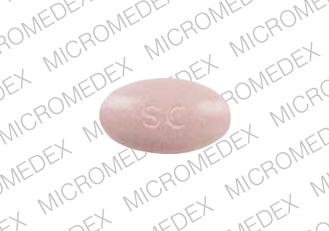
Isoptin SR Side Effects
Generic name: verapamil
Medically reviewed by Drugs.com. Last updated on May 27, 2024.
Note: This document provides detailed information about Isoptin SR Side Effects associated with verapamil. Some dosage forms listed on this page may not apply specifically to the brand name Isoptin SR.
Applies to verapamil: oral capsule extended release, oral tablet, oral tablet extended release.
Other dosage forms:
Precautions
It is very important that your doctor check your progress at regular visits to make sure this medicine is working properly and to check for unwanted effects .
Low blood pressure (hypotension) may occur while taking this medicine. Check with your doctor right away if you have the following symptoms: blurred vision; confusion; severe dizziness, faintness, or lightheadedness when getting up from a lying or sitting position suddenly; sweating; or unusual tiredness or weakness .
While you are taking this medicine be careful to limit the amount of alcohol that you drink. Alcohol increases dizziness and drowsiness and also lowers blood pressure .
Common side effects of Isoptin SR
Some side effects of verapamil may occur that usually do not need medical attention. These side effects may go away during treatment as your body adjusts to the medicine. Also, your health care professional may be able to tell you about ways to prevent or reduce some of these side effects.
Check with your health care professional if any of the following side effects continue or are bothersome or if you have any questions about them:
More common side effects
- difficulty having a bowel movement (stool)
- headache
Less common side effects
- acid or sour stomach
- belching
- difficulty in moving
- heartburn
- indigestion
- joint pain
- muscle aching or cramping
- muscle pains or stiffness
- nausea
- rash
- stomach discomfort, upset, or pain
- trouble sleeping
- unusual drowsiness, dullness, tiredness, weakness, or feeling of sluggishness
- swollen joints
Serious side effects of Isoptin SR
Along with its needed effects, verapamil (the active ingredient contained in Isoptin SR) may cause some unwanted effects. Although not all of these side effects may occur, if they do occur they may need medical attention.
Check with your doctor immediately if any of the following side effects occur while taking verapamil:
Less common side effects
- blue lips and fingernails
- blurred vision
- burning, crawling, itching, numbness, prickling, "pins and needles", or tingling feelings
- chest pain
- confusion
- coughing that sometimes produces a pink frothy sputum
- difficult, fast, noisy breathing, sometimes with wheezing
- dizziness, faintness, or lightheadedness when getting up from a lying or sitting position suddenly
- increased sweating
- lightheadedness, dizziness, or fainting
- pale skin
- shortness of breath
- slow or irregular heartbeat
- sore throat
- sweating
- swelling in legs and ankles
- unusual tiredness or weakness
Rare side effects
- chills
- cold sweats
- feeling of warmth
- redness of the face, neck, arms and occasionally, upper chest
See also:
Lasix
Lasix is a loop diuretic used to treat fluid retention from heart, liver, or kidney conditions, and ...
Enalapril
Enalapril is used to treat high blood pressure, congestive heart failure and to improve survival ...
Botox
Botox is used cosmetically to reduce facial lines and wrinkles and for medical purposes for ...
Valsartan
Valsartan is an angiotensin II receptor blocker (ARB) that may be used to treat high blood pressure ...
Hydrochlorothiazide
HCTZ (hydrochlorothiazide) used to treat high blood pressure (hypertension) and edema. Includes ...
Atenolol
Atenolol is used to treat angina (chest pain) and hypertension (high blood pressure). Learn about ...
Furosemide
Furosemide is a loop diuretic used to treat fluid retention and high blood pressure by increasing ...
Metoprolol
Metoprolol is used to treat angina (chest pain) and hypertension (high blood pressure). Learn about ...
Losartan
Losartan is used to treat high blood pressure (hypertension). It is also used to lower the risk of ...
Lisinopril
Lisinopril is an ACE inhibitor. It is used to treat high blood pressure, congestive heart failure ...
For healthcare professionals
Applies to verapamil: compounding powder, intravenous solution, oral capsule extended release, oral tablet, oral tablet extended release.
General adverse events
The most commonly reported side effects include constipation, dizziness, and headache.[Ref]
Nervous system
- Very common (10% or more): Headache (up to 12.1%)
- Common (1% to 10%): Dizziness, lethargy
- Rare (0.01% to 0.1%): Seizures
- Frequency not reported: Rotary nystagmus, sleepiness, vertigo, lightheadedness, tingling, numbness, neuropathy
- Postmarketing reports: Syncope, cerebrovascular accident, equilibrium disorders, parkinsonism/extrapyramidal symptoms/syndrome, paresthesia, shakiness/tremor, paralysis/tetraparesis, somnolence[Ref]
Seizures occurred rarely with IV administration.
Paralysis/tetraparesis was reported in a patient taking this drug and colchicine concurrently.[Ref]
Cardiovascular
- Common (1% to 10%): Symptomatic hypotension/hypotension/abrupt blood pressure fall, sinus bradycardia/bradycardia (heart rate less than 50 beats/minute), severe tachycardia, ankle edema/edema, development/aggravation of congestive heart failure (CHF), atrioventricular (AV) block, peripheral edema
- Uncommon (0.1% to 1%): Second-/third-degree AV block, palpitations, orthostasis
- Postmarketing reports: Angina pectoris/chest pain, AV dissociation, ECG abnormal, claudication, hypertension, myocardial infarction, sinus arrest with asystole, decreased myocardial contractility, cardiogenic shock, bradyarrhythmia in atrial fibrillation, vasculitis, erythromelalgia[Ref]
Cardiovascular side effects may occur with greater intensity at higher doses or in patients with a history of myocardial damage.
Approximately 15% of patients who had atrial flutter/fibrillation and received this drug and digoxin developed resting ventricular rates below 50 beats/min; in the same trial, asymptomatic hypotension occurred in approximately 5% of patients.
Asystole occurred after second/third degree AV block and was usually short in duration, with spontaneous cardiac action returning within seconds in the form of a sinus rhythm.[Ref]
Gastrointestinal
- Common (1% to 10%): Constipation, dyspepsia, nausea, diarrhea, flatulence
- Uncommon (0.1% to 1%): Abdominal discomfort/pain
- Frequency not reported: Non-obstructive paralytic ileus/ileus, bloating
- Postmarketing reports: Dry mouth, gastrointestinal stress, gingival hyperplasia, vomiting[Ref]
Non-obstructive paralytic ileus was reversible when treatment was stopped.
Gingival hyperplasia occurred when this drug was given over a prolonged period of time, and was reversible once the drug was discontinued.[Ref]
Respiratory
- Common (1% to 10%): Pulmonary edema, pharyngitis, sinusitis, rhinitis, dyspnea
- Rare (0.01% to 0.1%): Broncho/laryngeal spasm[Ref]
Bronchospasm and laryngeal spasm occurred during hypersensitivity reactions.[Ref]
Other
- Common (1% to 10%): Fatigue, tiredness/malaise, accidental injury, pain
- Frequency not reported: Infection, flu syndrome
- Postmarketing reports: Tinnitus, asthenia[Ref]
Dermatologic
- Common (1% to 10%): Scalp irritation, rash
- Uncommon (0.1% to 1%): Itching, urticaria, flushing, exanthema
- Frequency not reported: Diaphoresis, photodermatitis
- Postmarketing reports: Ecchymosis, bruising, alopecia/hair loss, hyperkeratosis, macules, Stevens-Johnson syndrome, hyperhidrosis/sweating, erythema multiforme, Quincke's edema/angioneurotic edema[Ref]
Itch and urticaria occurred in hypersensitivity reactions.[Ref]
Psychiatric
- Common (1% to 10%): Sleep disturbance
- Uncommon (0.1% to 1%): Bad dreams, depression/emotional depression
- Postmarketing reports: Confusion, psychotic symptoms, insomnia, nervousness[Ref]
Musculoskeletal
- Common (1% to 10%): Myalgia
- Frequency not reported: Muscle fatigue
- Postmarketing reports: Muscle cramps, arthralgia[Ref]
Hepatic
- Uncommon (0.1% to 1%): Elevated liver enzymes (transaminases, alkaline phosphatase)[Ref]
Reversible elevations liver enzymes occurred during treatment, and are likely the result of a hypersensitivity reaction (e.g., allergic hepatitis).[Ref]
Hypersensitivity
- Rare (0.01% to 0.1%): Hypersensitivity/allergic reactions
- Postmarketing reports: Allergy aggravated[Ref]
Metabolic
- Frequency not reported: Lowered glucose tolerance
- Postmarketing reports: Hyperkalemia[Ref]
Genitourinary
- Postmarketing reports: Galactorrhea, increased blood prolactin/hyperprolactinemia, increased urination, spotty menstruation, erectile dysfunction/impotence[Ref]
Renal
- Postmarketing reports: Renal failure[Ref]
Endocrine
- Postmarketing reports: Gynecomastia[Ref]
Gynecomastia occurred in older male patients on prolonged treatment, and was reversible upon discontinuation of this drug.[Ref]
Hematologic
- Postmarketing reports: Purpura[Ref]
Ocular
- Postmarketing reports: Blurred vision[Ref]
References
1. (2001) "Product Information. Calan (verapamil)." Searle
2. (2001) "Product Information. Isoptin (verapamil)." Knoll Pharmaceutical Company
3. (2001) "Product Information. Covera-HS (verapamil)." Searle
4. Cerner Multum, Inc. "UK Summary of Product Characteristics."
5. Cerner Multum, Inc. "Australian Product Information."
6. (2010) "Product Information. Verelan PM (verapamil)." Schwarz Pharma
More about Isoptin SR (verapamil)
- Check interactions
- Compare alternatives
- Reviews (3)
- Drug images
- Dosage information
- During pregnancy
- Drug class: calcium channel blockers
- Breastfeeding
Patient resources
Other brands
Calan, Verelan, Calan SR, Covera-HS, Verelan PM
Professional resources
Other brands
Calan, Verelan, Calan SR, Verelan PM
Related treatment guides
Further information
Isoptin SR side effects can vary depending on the individual. Always consult your healthcare provider to ensure the information displayed on this page applies to your personal circumstances.
Note: Medication side effects may be underreported. If you are experiencing side effects that are not listed, submit a report to the FDA by following this guide.