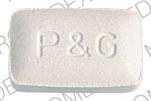
Didronel Side Effects
Generic name: etidronate
Medically reviewed by Drugs.com. Last updated on Oct 19, 2024.
Note: This document provides detailed information about Didronel Side Effects associated with etidronate. Some dosage forms listed on this page may not apply specifically to the brand name Didronel.
Applies to etidronate: oral tablet.
Precautions
It is important that your doctor check your progress at regular visits even if you are between treatments and are not taking this medicine. If your condition has improved and your doctor has told you to stop taking etidronate (the active ingredient contained in Didronel), your progress must still be checked. The results of laboratory tests or the occurrence of certain symptoms will tell your doctor if more medicine must be taken. Your doctor may want you to begin another course of treatment after you have been off the medicine for at least 3 months.
This medicine can irritate your esophagus. If you think this medicine has started to damage your esophagus, Stop taking etidronate and call your doctor. Some symptoms of damage to the esophagus are heartburn (either new or worse than usual), pain when swallowing, pain in the center of your chest, trouble swallowing, or feeling that food gets stuck on the way to your stomach.
It is important that you tell all of your health care providers that you are taking etidronate. If you are having dental procedures done while taking etidronate you may have an increased chance of getting a severe problem of your jaw.
Make sure you tell your doctor about any new medical problems, especially with your teeth or jaws. Tell your doctor if you have severe bone, joint, or muscle pain while using this medicine.
If this medicine causes you to have nausea or diarrhea and it continues, check with your doctor. The dose may need to be changed.
This medicine may increase your risk of developing fractures. This may be more common if you use it for a long time. Check with your doctor right away if you have dull or aching pain in the arms, legs, or thighs.
Do not take other medicines unless they have been discussed with your doctor. This includes prescription or nonprescription (over-the-counter [OTC]) medicines and herbal or vitamin supplements.
Serious side effects of Didronel
Along with its needed effects, etidronate may cause some unwanted effects. Although not all of these side effects may occur, if they do occur they may need medical attention.
Check with your doctor immediately if any of the following side effects occur while taking etidronate:
More common side effects
- bone pain or tenderness (increased, continuing, or returning—in patients with Paget's disease)
Less common side effects
- bone fractures, especially of the thigh bone
Rare side effects
- abdominal or stomach pain or burning
- bloody, black, or tarry stools
- chest pain
- chills
- cough or hoarseness
- fever
- general feeling of tiredness or weakness
- hives
- lower back or side pain
- noisy breathing
- painful or difficult urination
- pale skin
- skin rash or itching
- sore throat
- sores, ulcers, or white spots on the lips or inside the mouth
- swelling of the arms, legs, face, lips, tongue, or throat
- swollen glands
- tightness in the chest
- unusual bleeding or bruising
Incidence not known
- blistering, peeling, loosening of the skin
- bone, joint, or muscle pain that is severe and occasionally disabling
- burning, crawling, itching, numbness, prickling, "pins and needles", or tingling feelings
- difficulty in moving
- difficulty in swallowing
- discouragement
- feeling sad or empty
- heartburn
- heavy jaw feeling
- irritability
- lack of appetite
- large, hive-like swelling on the face, eyelids, lips, tongue, throat, hands, legs, feet, or sex organs
- loosening of a tooth
- loss of interest or pleasure
- loss of memory
- pain or burning in the throat
- pain, swelling, or numbness in the mouth or jaw
- problems with memory
- rash with flat lesions or small raised lesions on the skin
- red irritated eyes
- red skin lesions, often with a purple center
- redness or discoloration of the skin
- seeing, hearing, or feeling things that are not there
- trouble concentrating
- trouble sleeping
- unusual tiredness or weakness
- vomiting
Get emergency help immediately if any of the following symptoms of overdose occur while taking etidronate:
Symptoms of overdose
- abdominal or stomach cramps
- confusion
- convulsions
- difficulty in breathing
- irregular heartbeats
- mood or mental changes
- muscle cramps in the hands, arms, feet, legs, or face
- numbness and tingling around the mouth, fingertips, or feet
- shortness of breath
- tremor
Other side effects of Didronel
Some side effects of etidronate may occur that usually do not need medical attention. These side effects may go away during treatment as your body adjusts to the medicine. Also, your health care professional may be able to tell you about ways to prevent or reduce some of these side effects.
Check with your health care professional if any of the following side effects continue or are bothersome or if you have any questions about them:
More common side effects
- diarrhea
- nausea
Incidence not known
- burning feeling in the chest or stomach
- hair loss, thinning of hair
- headache
- indigestion
- leg cramps
- stomach upset
- tenderness in the stomach area
See also:
Prolia
Prolia (denosumab) is an injection that is administered subcutaneously (under the skin) once every ...
Fosamax
Fosamax (alendronate) is used to treat or prevent postmenopausal osteoporosis and steroid-induced ...
Botox
Botox is used cosmetically to reduce facial lines and wrinkles and for medical purposes for ...
Premarin
Premarin is used to treat symptoms of menopause such as hot flashes, and vaginal dryness. Learn ...
Reclast
Reclast (zoledronic acid) is used to treat osteoporosis in women after menopause and also to treat ...
Atelvia
Atelvia (risedronate) is used to treat osteoporosis in women after menopause. Includes Atelvia side ...
Tymlos
Tymlos (abaloparatide) is used to treat osteoporosis in men and postmenopausal women who have a ...
Raloxifene
Raloxifene is used for breast cancer, prevention, osteoporosis, prevention of osteoporosis
Denosumab
Denosumab (Prolia, Conexxence, Jubbonti, Ospomyv, and Stoboclo brands/biosimilars) is used to treat ...
Ibandronate
Ibandronate is used for osteoporosis, prevention of osteoporosis
For healthcare professionals
Applies to etidronate: intravenous solution, oral tablet.
Gastrointestinal adverse events
- Common (1% to 10%): Diarrhea, nausea
- Rare (less than 0.1%): Burning of the tongue
- Frequency not reported: Exacerbation of peptic ulcer disease including perforation in a few patients, gastritis
- Postmarketing reports: Esophagitis; glossitis, duodenal ulcer[Ref]
Gastrointestinal side effects are more common with higher doses (10 to 20 mg/kg) and may be alleviated by dividing the daily dose.[Ref]
Dermatologic
- Rare (less than 0.1%): Erythema multiforme, alopecia
- Frequency not reported: Angioedema, follicular eruption, macular rash, maculopapular rash, pruritus, Stevens-Johnson syndrome, toxic epidermal necrolysis, urticaria[Ref]
Hypersensitivity
- Rare (less than 0.1%): Hypersensitivity reactions, including angioedema, urticaria, rash, pruritus[Ref]
Musculoskeletal
- Uncommon (0.1% to 1%): Arthropathies (arthralgia and arthritis)
- Rare (less than 0.1%): Atypical subtrochanteric and diaphyseal femoral fractures
- Frequency not reported: Osteonecrosis of the jaw (ONJ), leg cramps, increased or recurrent bone pain at pagetic sites and onset of pain at previously asymptomatic sites
- Postmarketing reports: Bone fracture, osteomalacia[Ref]
At higher doses the incidence of increased or recurrent bone pain at pagetic sites and/or onset of pain at previously asymptomatic sites rise. When therapy continues, pain resolves in some patients but persists in others.[Ref]
Psychiatric
- Rare (less than 0.1%): Confusion
- Postmarketing reports: Depression, hallucination[Ref]
Nervous system
- Rare (less than 0.1%): Paresthesia, peripheral neuropathy
- Frequency not reported: Headache
- Postmarketing reports: Neuropsychiatric events including amnesia[Ref]
Respiratory
- Rare (less than 0.1%): Exacerbation of asthma[Ref]
Hematologic
- Rare (less than 0.1%): Leukopenia, agranulocytosis pancytopenia[Ref]
References
1. Jones PB, McCloskey EV, Kanis JA (1987) "Transient taste-loss during treatment with etidronate ." Lancet, 2, p. 637
2. Saunders RL, Jr (1977) "Appearance of a gastric ulcer during diphosphonate therapy in a woman with CRST syndrome." South Med J, 70, p. 1327-9
3. Jaworski RC, Gibson M (1983) "Mitral and aortic valve abnormalities in a patient with fibrodysplasia ossificans progressiva." Pathology, 15, p. 325-8
4. (2022) "Product Information. Didronel I.V. (etidronate)." MGI Pharma Inc
5. (2022) "Product Information. Didronel (etidronate)." Procter and Gamble Pharmaceuticals
6. Lourwood DL (1998) "The pharmacology and therapeutic utility of bisphosphonates." Pharmacotherapy, 18, p. 779-89
7. vanStaa TP, Leufkens H, Abenhaim L, Cooper C (1998) "Postmarketing surveillance of the safety of cyclic etidronate." Pharmacotherapy, 18, p. 1121-8
8. Beauchesne MF, Miller PF (1999) "Etidronate and alendronate in the treatment of postmenopausal osteoporosis." Ann Pharmacother, 33, p. 587-99
9. Cerner Multum, Inc. "UK Summary of Product Characteristics."
10. Mautalen C, Gonzalez D, Blumenfeld EL, Santini Araujo E, Schajowicz F (1986) "Spontaneous fractures of uninvolved bones in patients with Paget's disease during unduly prolonged treatment with disodium etidronate (EHDP)." Clin Orthop, Jun, p. 150-5
11. Boyce BF, Smith L, Fogelman I, Johnston E, Ralston S, Boyle IT (1984) "Focal osteomalacia due to low-dose diphosphonate therapy in Paget's disease." Lancet, 1, p. 821-4
12. Evans RA, Dunstan CR, Hills E, Wong SY (1983) "Pathologic fracture due to severe osteomalacia following low-dose diphosphonate treatment of Paget's disease of bone." Aust N Z J Med, 13, p. 277-9
13. Evans RA, MacDonald D (1983) "Diphosphonates and painful feet." Aust N Z J Med, 13, p. 175-6
14. Gallacher SJ, Boyle IT, Capell HA (1991) "Pseudogout associated with the use of cyclical etidronate therapy." Scott Med J, 36, p. 49
More about Didronel (etidronate)
- Check interactions
- Compare alternatives
- Drug images
- Dosage information
- During pregnancy
- Drug class: bisphosphonates
- Breastfeeding
Patient resources
Professional resources
Related treatment guides
Further information
Didronel side effects can vary depending on the individual. Always consult your healthcare provider to ensure the information displayed on this page applies to your personal circumstances.
Note: Medication side effects may be underreported. If you are experiencing side effects that are not listed, submit a report to the FDA by following this guide.