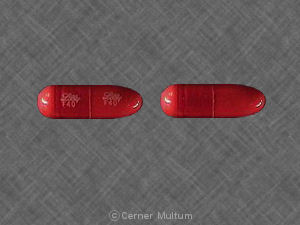
Secobarbital
Medically reviewed by Drugs.com. Last updated on Sep 16, 2024.
Pronunciation
(see koe BAR bi tal)
Index Terms
- Quinalbarbitone Sodium
- Secobarbital Sodium
Dosage Forms
Excipient information presented when available (limited, particularly for generics); consult specific product labeling. [DSC] = Discontinued product
Capsule, Oral, as sodium:
Seconal: 100 mg [DSC] [contains fd&c yellow #10 (quinoline yellow)]
Brand Names: U.S.
- Seconal [DSC]
Pharmacologic Category
- Barbiturate
Pharmacology
Depresses CNS activity by binding to barbiturate site at GABA-receptor complex enhancing GABA activity, depressing reticular activity system; higher doses may be gabamimetic
Absorption
Oral: Well absorbed (90%)
Distribution
Vd: Adults: 1.5 L/kg
Metabolism
Hepatic, by microsomal enzyme system
Excretion
Urine (as inactive metabolites, small amounts as unchanged drug)
Onset of Action
Onset of hypnosis: Oral: 10 to 15 minutes
Time to Peak
Serum concentration: Oral: Within 2 to 4 hours
Duration of Action
Hypnosis: Oral: 3 to 4 hours with 100 mg dose
Half-Life Elimination
Children: 2 to 13 years: 2.7 to 13.5 hours
Adults: 15 to 40 hours, mean: 28 hours
Protein Binding
45% to 60%
Use: Labeled Indications
See Use: Unsupported.
Contraindications
Hypersensitivity to barbiturates or any component of the formulation; marked hepatic impairment; dyspnea or airway obstruction; porphyria
Dosing: Adult
Use of secobarbital is either no longer recommended or has been supplanted by other more contemporary agents; dosing is not provided.
Dosage adjustment for concomitant therapy: Significant drug interactions exist, requiring dose/frequency adjustment or avoidance. Consult drug interactions database for more information.
Dosing: Geriatric
Avoid use (Beers Criteria [AGS 2019]).
Dosing: Pediatric
Preoperative sedation: Note: Use has been replaced with other agents. Children and Adolescents: Oral: 2 to 6 mg/kg/dose administered 1 to 2 hours before surgery; maximum dose: 100 mg/dose
Dosage adjustment for concomitant therapy: Significant drug interactions exist, requiring dose/frequency adjustment or avoidance. Consult drug interactions database for more information.
Storage
Store at controlled room temperature of 20°C to 25°C (68°F to 77°F).
Drug Interactions
Alcohol (Ethyl): CNS Depressants may enhance the CNS depressant effect of Alcohol (Ethyl). Monitor therapy
Alizapride: May enhance the CNS depressant effect of CNS Depressants. Monitor therapy
Azelastine (Nasal): May enhance the CNS depressant effect of CNS Depressants. Avoid combination
Beta-Blockers: Barbiturates may decrease the serum concentration of Beta-Blockers. Monitor therapy
Blonanserin: CNS Depressants may enhance the CNS depressant effect of Blonanserin. Management: Use caution if coadministering blonanserin and CNS depressants; dose reduction of the other CNS depressant may be required. Strong CNS depressants should not be coadministered with blonanserin. Consider therapy modification
Blood Pressure Lowering Agents: Barbiturates may enhance the hypotensive effect of Blood Pressure Lowering Agents. Monitor therapy
Brexanolone: CNS Depressants may enhance the CNS depressant effect of Brexanolone. Monitor therapy
Brimonidine (Topical): May enhance the CNS depressant effect of CNS Depressants. Monitor therapy
Bromopride: May enhance the CNS depressant effect of CNS Depressants. Monitor therapy
Bromperidol: May enhance the CNS depressant effect of CNS Depressants. Avoid combination
Buprenorphine: CNS Depressants may enhance the CNS depressant effect of Buprenorphine. Management: Consider reduced doses of other CNS depressants, and avoiding such drugs in patients at high risk of buprenorphine overuse/self-injection. Initiate buprenorphine at lower doses in patients already receiving CNS depressants. Consider therapy modification
Calcium Channel Blockers: Barbiturates may increase the metabolism of Calcium Channel Blockers. Management: Monitor for decreased therapeutic effects of calcium channel blockers with concomitant barbiturate therapy. Calcium channel blocker dose adjustments may be necessary. Nimodipine Canadian labeling contraindicates concomitant use with phenobarbital. Monitor therapy
Cannabidiol: May enhance the CNS depressant effect of CNS Depressants. Monitor therapy
Cannabis: May enhance the CNS depressant effect of CNS Depressants. Monitor therapy
Chloramphenicol (Systemic): May decrease the metabolism of Barbiturates. Barbiturates may increase the metabolism of Chloramphenicol (Systemic). Monitor therapy
Chlormethiazole: May enhance the CNS depressant effect of CNS Depressants. Management: Monitor closely for evidence of excessive CNS depression. The chlormethiazole labeling states that an appropriately reduced dose should be used if such a combination must be used. Consider therapy modification
Chlorphenesin Carbamate: May enhance the adverse/toxic effect of CNS Depressants. Monitor therapy
CNS Depressants: May enhance the adverse/toxic effect of other CNS Depressants. Monitor therapy
Dimethindene (Topical): May enhance the CNS depressant effect of CNS Depressants. Monitor therapy
Doxycycline: Barbiturates may decrease the serum concentration of Doxycycline. Monitor therapy
Doxylamine: May enhance the CNS depressant effect of CNS Depressants. Management: The manufacturer of Diclegis (doxylamine/pyridoxine), intended for use in pregnancy, specifically states that use with other CNS depressants is not recommended. Monitor therapy
Dronabinol: May enhance the CNS depressant effect of CNS Depressants. Monitor therapy
Droperidol: May enhance the CNS depressant effect of CNS Depressants. Management: Consider dose reductions of droperidol or of other CNS agents (eg, opioids, barbiturates) with concomitant use. Consider therapy modification
Esketamine: May enhance the CNS depressant effect of CNS Depressants. Monitor therapy
Estrogen Derivatives (Contraceptive): Barbiturates may diminish the therapeutic effect of Estrogen Derivatives (Contraceptive). Contraceptive failure is possible. Management: Use of a non-hormonal contraceptive is recommended. Breakthrough bleeding, though an important sign regarding the diminished effect of oral contraceptives, might not be present in spite of the occurrence of an interaction. Consider therapy modification
Felbamate: May increase the serum concentration of Barbiturates. Barbiturates may decrease the serum concentration of Felbamate. Management: Monitor for elevated barbiturate concentrations/toxicity if felbamate is initiated/dose increased, or reduced concentrations/effects if felbamate is discontinued/dose decreased. Refer to phenobarbital dosing guidelines for patients receiving that agent. Monitor therapy
Flunitrazepam: CNS Depressants may enhance the CNS depressant effect of Flunitrazepam. Management: Reduce the dose of CNS depressants when combined with flunitrazepam and monitor patients for evidence of CNS depression (eg, sedation, respiratory depression). Use non-CNS depressant alternatives when available. Consider therapy modification
Griseofulvin: Barbiturates may decrease the serum concentration of Griseofulvin. Monitor therapy
Hemin: Barbiturates may diminish the therapeutic effect of Hemin. Avoid combination
HydrOXYzine: May enhance the CNS depressant effect of Barbiturates. Management: Consider a decrease in the barbiturate dose, as appropriate, when used together with hydroxyzine. With concurrent use, monitor patients closely for excessive response to the combination. Consider therapy modification
Kava Kava: May enhance the adverse/toxic effect of CNS Depressants. Monitor therapy
Lemborexant: May enhance the CNS depressant effect of CNS Depressants. Management: Dosage adjustments of lemborexant and of concomitant CNS depressants may be necessary when administered together because of potentially additive CNS depressant effects. Close monitoring for CNS depressant effects is necessary. Consider therapy modification
Lisuride: May enhance the CNS depressant effect of CNS Depressants. Monitor therapy
Lofexidine: May enhance the CNS depressant effect of CNS Depressants. Monitor therapy
Magnesium Sulfate: May enhance the CNS depressant effect of CNS Depressants. Monitor therapy
Methotrimeprazine: CNS Depressants may enhance the CNS depressant effect of Methotrimeprazine. Methotrimeprazine may enhance the CNS depressant effect of CNS Depressants. Management: Reduce the usual dose of CNS depressants by 50% if starting methotrimeprazine until the dose of methotrimeprazine is stable. Monitor patient closely for evidence of CNS depression. Consider therapy modification
Methoxyflurane: Barbiturates may enhance the nephrotoxic effect of Methoxyflurane. Barbiturates may increase the metabolism of Methoxyflurane. Avoid combination
Metoclopramide: May enhance the CNS depressant effect of CNS Depressants. Monitor therapy
MetyroSINE: CNS Depressants may enhance the sedative effect of MetyroSINE. Monitor therapy
Mianserin: May enhance the CNS depressant effect of Barbiturates. Mianserin may diminish the therapeutic effect of Barbiturates. Barbiturates may decrease the serum concentration of Mianserin. Avoid combination
Minocycline (Systemic): May enhance the CNS depressant effect of CNS Depressants. Monitor therapy
Multivitamins/Minerals (with ADEK, Folate, Iron): May decrease the serum concentration of Barbiturates. Monitor therapy
Nabilone: May enhance the CNS depressant effect of CNS Depressants. Monitor therapy
Opioid Agonists: CNS Depressants may enhance the CNS depressant effect of Opioid Agonists. Management: Avoid concomitant use of opioid agonists and benzodiazepines or other CNS depressants when possible. These agents should only be combined if alternative treatment options are inadequate. If combined, limit the dosages and duration of each drug. Consider therapy modification
Orphenadrine: CNS Depressants may enhance the CNS depressant effect of Orphenadrine. Avoid combination
Oxomemazine: May enhance the CNS depressant effect of CNS Depressants. Avoid combination
Oxybate Salt Products: CNS Depressants may enhance the CNS depressant effect of Oxybate Salt Products. Management: Consider alternatives to this combination when possible. If combined, dose reduction or discontinuation of one or more CNS depressants (including the oxybate salt product) should be considered. Interrupt oxybate salt treatment during short-term opioid use Consider therapy modification
OxyCODONE: CNS Depressants may enhance the CNS depressant effect of OxyCODONE. Management: Avoid concomitant use of oxycodone and benzodiazepines or other CNS depressants when possible. These agents should only be combined if alternative treatment options are inadequate. If combined, limit the dosages and duration of each drug. Consider therapy modification
Paraldehyde: CNS Depressants may enhance the CNS depressant effect of Paraldehyde. Avoid combination
Perampanel: May enhance the CNS depressant effect of CNS Depressants. Management: Patients taking perampanel with any other drug that has CNS depressant activities should avoid complex and high-risk activities, particularly those such as driving that require alertness and coordination, until they have experience using the combination. Consider therapy modification
Piribedil: CNS Depressants may enhance the CNS depressant effect of Piribedil. Monitor therapy
Pramipexole: CNS Depressants may enhance the sedative effect of Pramipexole. Monitor therapy
Primidone: May enhance the adverse/toxic effect of Barbiturates. Primidone is converted to phenobarbital, and thus becomes additive with existing barbiturate therapy. Monitor therapy
Progestins (Contraceptive): Barbiturates may diminish the therapeutic effect of Progestins (Contraceptive). Contraceptive failure is possible. Management: Use of alternative, nonhormonal contraceptives is recommended. When using levonorgestrel as emergency contraception, non-US guidelines suggest doubling the dose of levonorgestrel to 3 mg in women who have used enzyme inducing drugs in the past 4 weeks. Consider therapy modification
Propacetamol: Barbiturates may increase the metabolism of Propacetamol. This may 1) diminish the desired effects of propacetamol; and 2) increase the risk of liver damage. Monitor therapy
Pyridoxine: May increase the metabolism of Barbiturates. Apparent in high pyridoxine doses (eg, 200 mg/day) Monitor therapy
Rifamycin Derivatives: May increase the metabolism of Barbiturates. Monitor therapy
ROPINIRole: CNS Depressants may enhance the sedative effect of ROPINIRole. Monitor therapy
Rotigotine: CNS Depressants may enhance the sedative effect of Rotigotine. Monitor therapy
Rufinamide: May enhance the adverse/toxic effect of CNS Depressants. Specifically, sleepiness and dizziness may be enhanced. Monitor therapy
Somatostatin Acetate: May enhance the adverse/toxic effect of Barbiturates. Specifically, Somatostatin Acetate may enhance or prolong Barbiturate effects, including sedative effects. Avoid combination
Suvorexant: CNS Depressants may enhance the CNS depressant effect of Suvorexant. Management: Dose reduction of suvorexant and/or any other CNS depressant may be necessary. Use of suvorexant with alcohol is not recommended, and the use of suvorexant with any other drug to treat insomnia is not recommended. Consider therapy modification
Teniposide: Barbiturates may decrease the serum concentration of Teniposide. Management: Consider alternatives to combined treatment with barbiturates and teniposide due to the potential for decreased teniposide concentrations. If the combination cannot be avoided, monitor teniposide response closely. Consider therapy modification
Tetrahydrocannabinol: May enhance the CNS depressant effect of CNS Depressants. Monitor therapy
Tetrahydrocannabinol and Cannabidiol: May enhance the CNS depressant effect of CNS Depressants. Monitor therapy
Thalidomide: CNS Depressants may enhance the CNS depressant effect of Thalidomide. Avoid combination
Theophylline Derivatives: Barbiturates may decrease the serum concentration of Theophylline Derivatives. Monitor therapy
Tricyclic Antidepressants: Barbiturates may increase the metabolism of Tricyclic Antidepressants. Management: Monitor for decreased efficacy of tricyclic antidepressants if a barbiturate is initiated/dose increased, or increased effects if a barbiturate is discontinued/dose decreased. Tricyclic antidepressant dose adjustments are likely required. Consider therapy modification
Trimeprazine: May enhance the CNS depressant effect of CNS Depressants. Monitor therapy
Ulipristal: Barbiturates may decrease the serum concentration of Ulipristal. Avoid combination
Valproate Products: May increase the serum concentration of Barbiturates. Barbiturates may decrease the serum concentration of Valproate Products. Monitor therapy
Vitamin K Antagonists (eg, warfarin): Barbiturates may increase the metabolism of Vitamin K Antagonists. Management: Monitor INR more closely. Anticoagulant dose increases of 30% to 60% may be needed after a barbiturate is initiated or given at an increased dose. Anticoagulant dose decreases may be needed following barbiturate discontinuation or dose reduction. Consider therapy modification
Zolpidem: CNS Depressants may enhance the CNS depressant effect of Zolpidem. Management: Reduce the Intermezzo brand sublingual zolpidem adult dose to 1.75 mg for men who are also receiving other CNS depressants. No such dose change is recommended for women. Avoid use with other CNS depressants at bedtime; avoid use with alcohol. Consider therapy modification
Adverse Reactions
The following adverse drug reactions and incidences are derived from product labeling unless otherwise specified.
1% to 10%: Central nervous system: Drowsiness (1% to 3%)
<1%, postmarketing, and/or case reports: Abnormality in thinking, agitation, angioedema, anxiety, apnea, ataxia, bradycardia, central nervous system depression, sleep disorder (complex sleep-related behaviors, including cooking, driving, eating, and making phone calls while sleeping), confusion, constipation, dizziness, exfoliative dermatitis, fever, hallucination, headache, hepatotoxicity, hyperexcitability, hyperkinesis, hypotension, hypoventilation, insomnia, megaloblastic anemia, nausea, nervousness, nightmares, pain at injection site, skin rash, syncope, vomiting
Related/similar drugs
Warnings/Precautions
Concerns related to adverse effects:
• CNS depression: May cause CNS depression, which may impair physical or mental abilities; patients must be cautioned about performing tasks which require mental alertness (eg, operating machinery or driving).
• Hypersensitivity reactions: Postmarketing studies have indicated that the use of hypnotic/sedative agents for sleep has been associated with hypersensitivity reactions, including anaphylaxis, as well as angioedema.
• Paradoxical responses: May cause paradoxical responses, including agitation and hyperactivity, particularly in acute pain, chronic pain, and pediatric patients.
• Sleep-related activities: An increased risk for hazardous sleep-related activities, such as sleep-driving, cooking and eating food, and making phone calls while asleep, have also been noted. Discontinue treatment in patients who report a sleep-driving episode.
Disease-related concerns:
• Cardiovascular disease: Use with caution in patients with cardiovascular disease; may cause hypotension.
• Depression: Use with caution in patients with depression or suicidal tendencies.
• Drug abuse: Use with caution in patients with a history of drug abuse or acute alcoholism; potential for drug dependency exists. Tolerance and psychological and physical dependence may occur with prolonged use.
• Hepatic impairment: Use with caution in patients with hepatic impairment.
• Renal impairment: Use with caution in patients with renal impairment.
• Respiratory disease: Use with caution in patients with respiratory disease; may cause respiratory depression.
Other warnings/precautions:
• Appropriate use: Symptomatic treatment of insomnia should be initiated only after careful evaluation of potential causes of sleep disturbance. Failure of sleep disturbance to resolve after 7 to 10 days may indicate psychiatric and/or medical illness.
• Withdrawal: Abrupt cessation may precipitate withdrawal, including status epilepticus in epileptic patients.
Monitoring Parameters
Blood pressure, heart rate, respiratory rate, CNS status; liver function, renal function
Pregnancy Risk Factor D Pregnancy Considerations
Barbiturates can be detected in the placenta, fetal liver, and fetal brain. Fetal and maternal blood concentrations may be similar following parenteral administration. An increased incidence of fetal abnormalities may occur following maternal use. When used during the third trimester of pregnancy, withdrawal symptoms may occur in the neonate including seizures and hyperirritability; symptoms may be delayed up to 14 days. Use during labor does not impair uterine activity; however, respiratory depression may occur in the newborn; resuscitation equipment should be available, especially for premature infants.
Patient Education
What is this drug used for?
• It is used to treat sleep problems.
• It is used to calm you before a procedure.
All drugs may cause side effects. However, many people have no side effects or only have minor side effects. Call your doctor or get medical help if any of these side effects or any other side effects bother you or do not go away:
• Fatigue
• Dizziness
• Headache
• Loss of strength and energy,
• Dry mouth
• Nausea
WARNING/CAUTION: Even though it may be rare, some people may have very bad and sometimes deadly side effects when taking a drug. Tell your doctor or get medical help right away if you have any of the following signs or symptoms that may be related to a very bad side effect:
• Depression like thoughts of suicide, anxiety, emotional instability, or illogical thinking.
• Engaging in activities and not remembering
• Agitation
• Anxiety
• Behavioral changes
• Confusion
• Sensing things that seem real but are not
• Trouble with memory
• Signs of an allergic reaction, like rash; hives; itching; red, swollen, blistered, or peeling skin with or without fever; wheezing; tightness in the chest or throat; trouble breathing, swallowing, or talking; unusual hoarseness; or swelling of the mouth, face, lips, tongue, or throat.
Note: This is not a comprehensive list of all side effects. Talk to your doctor if you have questions.
Consumer Information Use and Disclaimer: This information should not be used to decide whether or not to take this medicine or any other medicine. Only the healthcare provider has the knowledge and training to decide which medicines are right for a specific patient. This information does not endorse any medicine as safe, effective, or approved for treating any patient or health condition. This is only a limited summary of general information about the medicine's uses from the patient education leaflet and is not intended to be comprehensive. This limited summary does NOT include all information available about the possible uses, directions, warnings, precautions, interactions, adverse effects, or risks that may apply to this medicine. This information is not intended to provide medical advice, diagnosis or treatment and does not replace information you receive from the healthcare provider. For a more detailed summary of information about the risks and benefits of using this medicine, please speak with your healthcare provider and review the entire patient education leaflet.
More about secobarbital
- Check interactions
- Compare alternatives
- Reviews (14)
- Side effects
- Dosage information
- During pregnancy
- Drug class: barbiturates
- Breastfeeding
Patient resources
Other brands
Professional resources
Other brands
Related treatment guides
Further information
Always consult your healthcare provider to ensure the information displayed on this page applies to your personal circumstances.