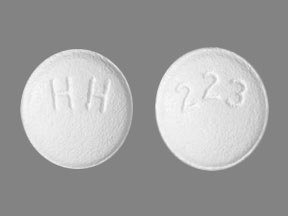
Risperidone (Monograph)
Brand names: RisperDAL, RisperDAL, Consta, Rykindo, Uzedy, Perseris
Drug class: Atypical Antipsychotics
Warning
- Increased Mortality in Geriatric Patients with Dementia-related Psychosis
-
Geriatric patients with dementia-related psychosis treated with antipsychotic agents are at an increased risk of death.
-
Analyses of 17 placebo-controlled trials in geriatric patients mainly receiving atypical antipsychotic agents revealed an approximate 1.6- to 1.7-fold increase in mortality compared with that in patients receiving placebo.
-
Most fatalities appeared to result from cardiovascular-related events (e.g., heart failure, sudden death) or infections (mostly pneumonia).
-
Antipsychotic agents, including risperidone, are not approved for the treatment of dementia-related psychosis.
Introduction
Benzisothiazol-derivative; atypical antipsychotic agent.
Uses for Risperidone
Schizophrenia
Orally, IM (as extended-release injection), and sub-Q (as extended-release injection) for the treatment of schizophrenia in adults; orally for the treatment of schizophrenia in adolescents 13 to 17 years of age (injectable formulations are not labeled for use in adolescents).
American Psychiatric Association (APA) and Department of Veterans Affairs/Department of Defense recommend antipsychotic medications for acute and long-term maintenance treatment of schizophrenia. Choice of antipsychotic should be based on patient preference, past response to therapy, concurrent medical conditions, and medication-specific factors (e.g., adverse effect profile, available formulations, potential drug interactions, receptor binding profiles, pharmacokinetic considerations).
Bipolar Disorder
Orally as monotherapy for the treatment of acute manic and mixed episodes associated with bipolar I disorder in adults and adolescents 10–17 years of age, or in conjunction with lithium or valproate for treatment of acute manic and mixed episodes associated with bipolar I disorder in adults.
IM (as extended-release injection) for the maintenance treatment (alone or in combination with lithium or valproate) of bipolar I disorder in adults.
APA recommends lithium or valproate plus an antipsychotic for first-line treatment of severe manic or mixed episodes; for patients with less severe symptoms, monotherapy with lithium, valproate, or an antipsychotic may be appropriate. Selection of a specific treatment is based on clinical factors (e.g., illness severity, associated features, patient preference, side effect profile of the medication). Recommended agents for maintenance treatment include lithium and valproate.
Department of Veterans Affairs/Department of Defense recommends lithium or quetiapine monotherapy for first-line treatment of acute mania associated with bipolar disorder; recommended alternative agents include olanzapine, paliperidone, and risperidone. If none of these agents are suitable based on patient preference or characteristics, other alternatives include aripiprazole, asenapine, carbamazepine, cariprazine, haloperidol, valproate, or ziprasidone. In patients with breakthrough episodes or unsatisfactory response to initial treatment, lithium or valproate in combination with an antipsychotic (haloperidol, asenapine, quetiapine, olanzapine, or risperidone) is recommended. Recommended agents for maintenance therapy include lithium and quetiapine; alternatives include olanzapine, paliperidone, or risperidone.
Autistic Disorder
Orally for the management of irritability associated with autistic disorder, including symptoms of aggression towards others, deliberate self-injuriousness, temper tantrums, and quickly changing moods, in children and adolescents 5–17 years of age.
Also has been used in a limited number of adults† [off-label] with autism.
American Academy of Pediatrics (AAP) suggests use of atypical antipsychotics (aripiprazole or risperidone) for symptoms of irritability and severe disruptive behavior in children and adolescents with autism spectrum disorder (ASD). American Academy of Child and Adolescent Psychiatry (AACAP) lists risperidone and aripiprazole as options for the treatment of irritability associated with autism.
Major Depressive Disorder
Has been used for adjunctive treatment of major depressive disorder† [off-label] .
Legacy guideline from the APA and guidelines from the Department of Veterans Affairs/Department of Defense state that there is no evidence to suggest superiority of one first-line antidepressant over another. Recommended first-line agents for initial treatment of major depressive disorder include bupropion, mirtazapine, an SSRI, an SNRI, trazodone, vilazodone, or vortioxetine. For patients with no response or inadequate response to initial treatment with an antidepressant, options include changing to a different antidepressant or to psychotherapy, or augmentation with psychotherapy or another pharmacological agent such as a second-generation antipsychotic.
Obsessive-Compulsive Disorder
Has been used for adjunctive treatment of obsessive-compulsive disorder (OCD)† [off-label] .
Legacy guideline from APA lists cognitive behavioral therapy and pharmacotherapy as safe and effective first-line treatments for OCD. For pharmacotherapy, SSRIs (e.g., fluoxetine, fluvoxamine, paroxetine, sertraline) are first-line. If a patient does not respond to one SSRI, they may switch to a different SSRI, switch to clomipramine, augment their current SSRI with a second-generation antipsychotic, switch to venlafaxine, or switch to mirtazapine. Updated guidelines from international experts state that escitalopram, fluvoxamine, fluoxetine, paroxetine, and sertraline are first-line treatments for OCD. For treatment-resistant patients, augmentation with antipsychotics (e.g., aripiprazole, risperidone) or other drugs (e.g., memantine, ondansetron, lamotrigine) may be considered.
Tourette's Syndrome
Has been used for treatment of Tourette’s syndrome† [off-label].
American Academy of Neurology (AAN) states physicians may prescribe antipsychotics (e.g., risperidone) for treatment of tics when benefits of treatment outweigh risks. AACAP lists atypical antipsychotics (e.g., aripiprazole, risperidone) as options to treat tic disorders in children and adolescents.
Other Uses
Has been used for treatment of delusional infestation† [off-label].
Studied for management of psychosis and aggression in institutionalized geriatric patients with moderate to severe dementia of the Alzheimer’s type† (Alzheimer’s disease, presenile or senile dementia), vascular dementia†, or a combination of the 2 types of dementia (i.e., mixed dementia†); however, use in geriatric patients with dementia-related psychosis is associated with an increased risk of adverse cerebrovascular events and death.
APA states antipsychotic medication should only be used for treatment of agitation or psychosis in patients with dementia when symptoms are severe, are dangerous, and/or cause significant distress to the patient. In another treatment algorithm, for the diagnosis of urgent behavioral and psychological symptoms associated with dementia, first-line pharmacotherapy options include oral aripiprazole and risperidone.
American Geriatrics Society (AGS) 2023 updated AGS Beers Criteria for potentially inappropriate medication use in older adults recommend avoiding antipsychotics in patients with cognitive impairment or dementia due to increased risk of stroke and greater rate of cognitive decline and mortality. Avoid antipsychotics unless documented nonpharmacologic options have failed and/or the patient is threatening substantial harm to self or others; if used, use the lowest effect dosage and consider periodic deprescribing attempts.
Risperidone Dosage and Administration
General
Pretreatment Screening
-
Monitor fasting blood glucose at baseline in patients with risk factors for diabetes mellitus (e.g., obesity, family history of diabetes).
-
Complete fall risk assessments, particularly in the elderly, when initiating risperidone in patients with concomitant diseases, conditions, or medications that could exacerbate the risk of falls.
-
Obtain a fasting lipid profile at baseline before or soon after initiation of Rykindo, Uzedy or Perseris.
-
Monitor weight at baseline before initiation of Rykindo.
-
For patients who have never taken oral risperidone, tolerability should be established with oral risperidone prior to initiating treatment with IM or subcutaneous risperidone.
Patient Monitoring
-
Monitor patients for hyperglycemia/diabetes mellitus, dyslipidemia, and weight gain during treatment.
-
Regularly monitor patients with an established diagnosis of diabetes mellitus for worsening of glucose control. Periodically monitor fasting blood glucose in patients with risk factors for diabetes mellitus (e.g., obesity, family history of diabetes).
-
Monitor fasting lipid profile periodically during treatment with Rykindo, Uzedy, and Perseris.
-
Monitor orthostatic vital signs in patients at risk of hypotension and if hypotension occurs.
-
In patients with a pre-existing low WBC or a history of drug-induced leukopenia/neutropenia, monitor CBC frequently during the first few months of therapy. In patients with neutropenia, monitor for fever or other symptoms or signs of infection; treat promptly if such symptoms or signs occur.
-
For patients, particularly the elderly, with diseases, conditions, or medications that could exacerbate the risk of falls, complete fall risk assessments recurrently during long-term risperidone therapy.
-
Monitor heart rate and blood pressure in patients at risk for orthostatic hypotension.
Dispensing and Administration Precautions
-
The Institute for Safe Medication Practices (ISMP) includes Risperdal, Restoril, risperidone, and ropinirole on their ISMP List of Confused Drug Names, and recommends using special safeguards to ensure the accuracy of prescriptions for these drugs.
-
The 2023 American Geriatrics Society (AGS) Beers Criteria for Potentially Inappropriate Medication (PIM) Use in Older Adults includes risperidone on the list of PIMs that are best avoided by older adults in most circumstances or under specific situations, such as certain diseases, conditions, or care settings. The criteria are intended to apply to adults 65 years of age and older in all ambulatory, acute, and institutional settings of care, except hospice and end-of-life care settings. For risperidone, the Beers Criteria Expert Panel specifically recommends that use of antipsychotics such as risperidone be avoided in such patients except in FDA-approved indications such as schizophrenia, bipolar disorder, Parkinson disease psychosis, adjunctive treatment of major depressive disorder, or for short-term use as an antiemetic.
Administration
Administer orally, or by IM or sub-Q injection.
Available as oral tablets, oral solution, and orally disintegrating tablets; extended-release IM injection (Risperdal Consta; Rykindo); and extended-release sub-Q injection (Uzedy; Perseris).
Oral Administration
Administer orally once or twice (in equally divided doses) daily without regard to meals.
Do not remove orally disintegrating tablets from the blister until just prior to administration. With dry hands, peel back the blister foil backing to expose the tablet. Do not push the tablet through the foil, since this may damage the tablet. Gently remove the tablet and immediately place on tongue, where it rapidly disintegrates in saliva, and then swallow with or without liquid. Do not chew or divide orally disintegrating tablet.
Risperidone oral solution may be administered directly from the calibrated oral dosing syringe provided by the manufacturer or mixed with a compatible beverage (water, coffee, orange juice, and low-fat milk) prior to administration.
Refer to the full prescribing information for additional information regarding administration of oral risperidone.
IM Administration
In patients who have never received oral risperidone, manufacturers of IM injections recommend establishing tolerability with oral risperidone prior to initiating IM therapy with extended-release risperidone (Risperdal Consta; Rykindo ).
Must be administered by a health care professional.
Reconstitution required prior to administration.
Administer entire vial and syringe contents in one dose. Do not combine 2 different strengths of IM risperidone in a single administration.
Consult the manufacturer’s prescribing information for specific details on reconstitution and administration of risperidone IM injection.
Risperdal Consta: Risperidone extended-release microspheres for injection are supplied in powder form; must be reconstituted prior to administration using only the components of the manufacturer's dose pack. Allow the risperidone dose pack to sit at room temperature for ≥30 minutes before reconstituting; do not warm any other way.
Upon suspension in diluent, immediate use is necessary because suspension will settle over time. Once reconstituted suspension is transferred to syringe and appropriate needle attached, shake syringe vigorously to resuspend drug just prior to administration.
Administer by deep IM injection into the deltoid (using the 1-inch needle supplied by the manufacturer) or the upper outer quadrant of the gluteal area (using the 2-inch needle supplied by the manufacturer) every 2 weeks, alternating arms or buttocks. IM injections into the deltoid and gluteal areas are bioequivalent and, therefore, interchangeable. Do not administer IV. Take care to avoid inadvertent injection into a blood vessel.
Administer only with needle and other components of dose pack supplied by manufacturer.
Rykindo: Risperidone extended-release microspheres for injection are supplied in a powder form that must be reconstituted prior to administration using the components of the dose pack supplied by the manufacturer. Allow the risperidone dose pack to sit at room temperature for ≥30 minutes before reconstituting; do not warm any other way.
Upon reconstitution, immediate use is necessary because suspension will settle over time. Once reconstituted suspension is transferred to syringe and appropriate needle attached, shake syringe vigorously to resuspend drug just prior to administration.
Administer every 2 weeks by IM gluteal injection. Do not administer by any other route. Alternate injections between the 2 buttocks.
Reconstitution
Reconstitute risperidone extended-release microspheres for IM injection only with diluent in prefilled syringe supplied by manufacturer. Inject entire contents of prefilled syringe and shake vial vigorously while holding plunger rod down with thumb for ≥10 seconds (for Risperdal Consta) or ≥30 seconds (for Rykindo) to ensure a homogeneous suspension.
Sub-Q Administration
In patients who have never received oral risperidone, manufacturers of sub-Q injections recommend establishing tolerability with oral risperidone prior to initiating sub-Q therapy with extended-release risperidone (Uzedy, Perseris).
Consult the manufacturer’s prescribing information for specific details on preparation and administration of risperidone sub-Q injection.
Uzedy: For sub-Q injection by a healthcare professional only; do not inject by any other route. Do not substitute any components of the provided kit for administration.
Prior to administration, remove kit from refrigerator and allow to sit at room temperature (20—25°C) for ≥30 minutes. Drug is supplied as a white to off-white opaque viscous, extended-release injectable suspension that is a solid at refrigerated temperatures; it must reach room temperature prior to administration. Do not warm any other way; keep protected from light.
Always wear gloves when preparing the drug. To prepare, firmly hold syringe by white collar and forcefully flick downwards to move the air bubble to the syringe cap; repeat whipping motion 3 times until bubble moves to syringe cap. Hold the syringe vertically, snap off the cap without touching the syringe tip, and securely attach the safety needle. Select injection site (stomach area around the belly button, or back and outer area of upper arms). Do not inject into other areas or an area that is tender, red, bruised, callused, tattooed, hard, or has scars or stretch marks. Do not expel any visible air bubble prior to administration.
To administer, push plunger with slow, firm, and steady pressure until entire dose is administered; inject entire dose at one time without interruption. Wait 2—3 seconds before slowly removing needle from the tissue, and then activate (lock) the safety needle shield as instructed.
If a dose of Uzedyis missed, administer next injection as soon as possible; do not administer more frequently than recommended.
Perseris: For sub-Q injection by a healthcare professional; do not inject by any other route.
Prior to administration, remove kit from refrigerator and allow to come to room temperature (20—25°C) for ≥15 minutes.
To prepare, tap barrel of the risperidone powder syringe to dislodge the packed powder. Place the liquid syringe on top of the powder syringe and connect the syringes by twisting approximately ¾ turn; do not over tighten. Then, transfer the contents of the liquid syringe into the powder syringe. Gently push the powder syringe plunger until resistance is felt, and repeat this gentle back-and-forth process for 5 cycles. Continue mixing the syringes for an additional 55 cycles. Final product should be a cloudy, viscous suspension that is uniform in color (white to yellow-green). For any clear areas in the mixture, continue to mix until distribution of the color is uniform. Next, transfer all contents into the liquid syringe for administration as instructed.
Select injection site (abdomen or back of upper arm) with adequate sub-Q tissue that is free of skin conditions (e.g., nodules, lesions, excessive pigment). Do not inject into other areas or an area that is irritated, red, bruised, callused, infected, or scarred. Lift the adipose tissue from the underlying muscle to prevent accidental IM injection. Rotate injection sites. Do not rub the injection area after the injection.
If a dose of Perserisis missed, administer next injection as soon as possible.
Dosage
For patients who have never taken oral risperidone, tolerability should be established with oral risperidone prior to initiating treatment with IM or sub-Q risperidone.
Pediatric Patients
Schizophrenia
Oral
Adolescents 13 to 17 years of age: Initially, 0.5 mg once daily in the morning or evening.
Adjust dosage, if indicated, in increments of 0.5–1 mg daily at intervals of ≥24 hours to target dosage of 3 mg daily.
Dosages >3 mg daily did not result in greater efficacy and were associated with increased adverse effects. Antipsychotic efficacy demonstrated in dosage range of 1–6 mg daily in clinical trials; dosages >6 mg daily not studied.
Twice-daily administration may be helpful in pediatric patients experiencing persistent somnolence.
Optimum duration of therapy currently not known. In responding patients, continue therapy at the effective dosage; periodically reassess need for continued therapy. If risperidone therapy reinitiated after a drug-free period, the manufacturers recommend that the appropriate recommended schedule of careful dosage titration be employed.
Bipolar Disorder
Oral
Children and adolescents 10–17 years of age: Initially, 0.5 mg once daily in the morning or evening.
Adjust dosage, if indicated, in increments of 0.5–1 mg daily at intervals of ≥24 hours to target dosage of 1–2.5 mg daily.
Dosages >2.5 mg daily did not result in greater efficacy, but were associated with increased adverse effects.
Antimanic efficacy demonstrated in dosage range of 0.5–6 mg daily in clinical trials; dosages >6 mg daily not studied.
Twice-daily administration may be helpful in pediatric patients experiencing persistent somnolence.
If used for extended periods (i.e., >3 weeks), periodically reevaluate long-term risks and benefits for the individual patient.
Autistic Disorder
Oral
Children and adolescents 5 to 17 years of age and weighing <20 kg: Initially, 0.25 mg daily; may administer once daily or in divided doses twice daily. May increase dosage to 0.5 mg daily after ≥4 days; maintain this dosage for ≥14 days. In patients not responding adequately, may increase dosage in increments of 0.25 mg daily in ≥2-week intervals. Individualize dosage based on clinical response and tolerability; once adequate clinical response achieved and maintained, consider gradually reducing dosage to achieve an optimal balance of efficacy and safety.
Children and adolescents 5 to 17 years of age weighing ≥20 kg: Initially, 0.5 mg daily; may administer once daily or in divided doses twice daily. May increase dosage to 1 mg daily after ≥4 days; maintain this dosage for ≥14 days. In patients not responding adequately, may increase dosage in increments of 0.5 mg daily in ≥2-week intervals. Individualize dosage based on clinical response and tolerability; once adequate clinical response achieved and maintained, consider gradually reducing dosage to achieve an optimal balance of efficacy and safety.
Effective dosage range is 0.5–3 mg daily.
Dosing data not available for children weighing <15 kg.
Patients experiencing persistent somnolence may benefit from a once-daily dosage administered at bedtime, administering half the daily dosage twice daily, or a reduction in dosage.
If used for extended periods, periodically reevaluate long-term risks and benefits for the individual patient.
Adults
Schizophrenia
Oral
Initially, 2 mg daily (as 2 mg once daily or 1 mg twice daily), with increases in increments of 1–2 mg daily at intervals of ≥24 hours, as tolerated, to target dosage of 4–8 mg daily (once daily or in 2 equally divided doses) recommended by manufacturers. The manufacturers state that slower dosage titration may be appropriate in certain patients.
Efficacy generally observed in dosage range of 4–16 mg daily; dosages >6 mg daily (given twice daily) did not result in greater efficacy, but were associated with increased adverse effects (e.g., extrapyramidal symptoms) and are generally not recommended.
Efficacy maintained for up to 2 years in adults, but optimum duration of therapy currently not known. In responding patients, continue therapy at their effective dosage; periodically reassess need for continued therapy.
IM
Risperdal Consta: Usual initial and maintenance dosage: 25 mg IM every 2 weeks.
Increase dosage at intervals of ≥4 weeks. Some patients not responding to the usual dosage may benefit from an increased dosage of 37.5 or 50 mg IM every 2 weeks, although dose response for efficacy not established. Dosages >50 mg IM every 2 weeks did not demonstrate greater efficacy, but were associated with increased adverse effects.
Clinical effects of the increased dosage generally occur ≥3 weeks after the first injection at the higher dosage.
Consider lower initial dosage of 12.5 mg IM every 2 weeks and maintenance dosages ≥12.5 mg every 2 weeks when clinical factors warrant (e.g., hepatic or renal impairment, concurrent use of drugs that increase plasma risperidone concentrations, history of poor tolerability to psychotropic drugs). However, efficacy of the 12.5-mg IM dosage not evaluated in clinical trials.
Administer oral risperidone (or another antipsychotic agent) with the first IM risperidone injection and continue oral therapy for 3 weeks thereafter to ensure adequate therapeutic plasma concentrations are maintained prior to main release of risperidone from injection site.
Periodically reevaluate need for continuing any concomitant therapy for managing extrapyramidal manifestations.
If reinitiating IM risperidone after a drug-free period, administration of oral risperidone (or another antipsychotic agent) initially for supplementation will be needed.
Rykindo: Recommended dosage: 25 mg IM every 2 weeks. Administer the first dose along with 7 days of oral risperidone.
Dosage should not be increased more frequently than every 4 weeks. Some patients not responding to the usual dosage may benefit from an increased dosage of 37.5 or 50 mg IM every 2 weeks. Dosages >50 mg IM every 2 weeks did not demonstrate greater efficacy, but were associated with increased adverse effects.
Dosage for patients currently receiving a risperidone long-acting, every-2-week IM formulation (e.g., Risperdal Consta) should be the same as that of the previous treatment. Administer the first injection of Rykindo4 weeks (no later than 5 weeks) after the last injection of the previous treatment. Supplementation with oral risperidone not recommended.
No data available to address reinitiation of IM risperidone. When restarting patients who have had an interval off treatment with Rykindo, reinitiate the previously established dosage if there has been no change in patient’s general medical condition. Supplementation with oral risperidone also required.
Sub-Q
Uzedy: Initiate sub-Q extended-release risperidone as either a once monthly injection or a once every-2-month sub-Q injection, the day after last dose of oral therapy.
See Table 1 to determine how to switch from oral risperidone to Uzedy once monthly (50 mg, 75 mg, 100 mg, or 125 mg) or once every 2 months (100 mg, 150 mg, 200 mg, or 250 mg). Neither a loading dose nor supplemental oral risperidone doses recommended when switching.
Can switch between doses of Uzedy once monthly and once every 2 months by administering the first dose of the new dosing regimen on the next scheduled date of administration in original dosing regimen. Revise dosage administration schedule to reflect the change.
|
Prior Therapy |
Uzedy Dosage Once Monthly |
Uzedy Dosage Once Every 2 Months |
|---|---|---|
|
2 mg of oral risperidone daily |
50 mg |
100 mg |
|
3 mg of oral risperidone daily |
75 mg |
150 mg |
|
4 mg of oral risperidone daily |
100 mg |
200 mg |
|
5 mg of oral risperidone daily |
125 mg |
250 mg |
Perseris: Initiate sub-Q extended-release risperidone at 90 mg or 120 mg once monthly. Do not administer more than one dose (90 mg or 120 mg total) per month. For patients switching from 3 mg of oral risperidone per day, administer a 90 mg dose of Perseris one day after last oral risperidone dose. For patients switching from 4 mg of oral risperidone per day, administer a 120 mg dose of Perseris one day after last oral risperidone dose. Patients on stable oral risperidone doses <3 mg per day or >4 mg per day may not be candidates for Perseris. Neither loading dose nor any supplemental oral risperidone recommended.
Bipolar Disorder
Acute Manic or Mixed Episodes
OralAs monotherapy or adjunctive therapy with lithium or valproate, initially 2–3 mg once daily.
Adjust dosage, if indicated, in increments or decrements of 1 mg daily at intervals of ≥24 hours.
Antimanic efficacy demonstrated in dosage range of 1–6 mg daily; dosages >6 mg daily not studied.
If used for extended periods (i.e., >3 weeks), periodically reevaluate long-term risks and benefits for the individual patient.
Maintenance Treatment
IMRisperdal Consta: As monotherapy or adjunctive therapy with lithium or valproate, 25 mg IM every 2 weeks.
Lower initial dosage of 12.5 mg IM every 2 weeks may be appropriate in certain patients (e.g., renal or hepatic impairment, concurrent use of drugs that can increase risperidone plasma concentrations); however, efficacy of this dosage not systematically evaluated in clinical trials.
Administer oral risperidone (or another antipsychotic agent) with the first IM risperidone injection and continue oral therapy for 3 weeks thereafter to ensure adequate therapeutic plasma concentrations are maintained prior to main release of risperidone from injection site.
Some patients not responding to 25 mg may benefit from dosages of 37.5 or 50 mg IM every 2 weeks, although dose response for efficacy not established.
Dosages >50 mg IM every 2 weeks not studied.
Increase dosage at intervals of ≥4 weeks. Clinical effects of the increased dosage generally occur ≥3 weeks after the first injection at the higher dosage.
If reinitiating IM risperidone after a drug-free period, administration of oral risperidone (or another antipsychotic agent) initially for supplementation will be needed.
If used for extended periods, periodically reevaluate long-term risks and benefits for the individual patient.
Rykindo: As monotherapy or adjunctive therapy with lithium or valproate, 25 mg IM every 2 weeks. Administer the first dose of Rykindo along with 7 days of oral risperidone. Some patients may benefit from dosages of 37.5 or 50 mg IM every 2 weeks. Increase dosage at intervals of ≥4 weeks. Dosages >50 mg IM every 2 weeks not studied.
Dosage for patients currently receiving a risperidone long-acting, every-2-week IM formulation (e.g., Risperdal Consta) should be the same as that of the previous treatment. Administer the first injection of Rykindo4 weeks (no later than 5 weeks) after the last injection of the previous treatment. Supplementation with oral risperidone not recommended.
No data available to address reinitiation of IM risperidone. When restarting patients who have had an interval off treatment with Rykindo, reinitiate the previously established dosage if there has been no change in patient’s general medical condition. Supplementation with oral risperidone also required.
Special Populations
Hepatic Impairment
Oral risperidone: Initially, 0.5 mg twice daily in patients with severe hepatic impairment (Child-Pugh score 10–15); increase dosage in increments of ≤0.5 mg, administered twice daily. If increase in dosage beyond 1.5 mg twice daily is planned, adjust at intervals of ≥1 week.
IM risperidone (Risperdal Consta): Titrate oral therapy prior to initiation of IM therapy in patients with hepatic impairment. Initially, 0.5 mg twice daily during the first week; may increase to 1 mg twice daily or 2 mg once daily during the second week. If an oral dosage of ≥2 mg daily is well tolerated, administer 25 mg IM every 2 weeks. In some patients, slower titration may be medically appropriate. Alternatively, initial dosage of 12.5 mg IM every 2 weeks; however, efficacy of this dosage not evaluated in clinical trials. Administer oral risperidone with the first IM risperidone injection and continue oral supplementation for 3 weeks thereafter.
IM risperidone (Rykindo): Titrate oral therapy prior to initiation of IM therapy in patients with hepatic impairment. Initially, 0.5 mg twice daily during the first week; may increase to 1 mg twice daily or 2 mg once daily during the second week. If an oral dosage of ≥2 mg daily is well tolerated, administer 25 mg IM every 2 weeks with oral supplementation for 7 days following the first injection. In some patients, slower titration may be medically appropriate. Alternatively, initial dosage of 12.5 mg IM every 2 weeks; however, efficacy of this dosage not evaluated in clinical trials.
Sub-Q risperidone (Uzedy): Prior to initiating treatment with sub-Q risperidone in patients with hepatic impairment, titrate oral risperidone up to ≥2 mg daily. Following oral titration, and based on clinical response and tolerability, recommended dosage of sub-Q risperidone is 50 mg once monthly.
Sub-Q risperidone (Perseris): Prior to initiating treatment with sub-Q risperidone in patients with hepatic impairment, titrate oral risperidone up to ≥3 mg daily. Following oral titration, and based on clinical response and tolerability, recommended dosage of sub-Q risperidone is 90 mg once monthly.
Renal Impairment
Oral risperidone: Initially, 0.5 mg twice daily in patients with severe renal impairment (Clcr <30 mL/minute); increase dosage in increments of ≤0.5 mg, administered twice daily. If increase in dosage beyond 1.5 mg twice daily is planned, adjust at intervals of ≥1 week.
IM risperidone (Risperdal Consta): Titrate oral therapy prior to initiation of IM therapy in patients with renal impairment. Initially, 0.5 mg twice daily during the first week; may increase to 1 mg twice daily or 2 mg once daily during the second week. If an oral dosage of ≥2 mg daily is well tolerated, administer 25 mg IM every 2 weeks. In some patients, slower titration may be medically appropriate. Alternatively, initial dosage of 12.5 mg IM every 2 weeks; however, efficacy of this dosage not evaluated in clinical trials. Administer oral risperidone with the first IM risperidone injection and continue oral supplementation for 3 weeks thereafter.
IM risperidone (Rykindo): Titrate oral therapy prior to initiation of IM therapy in patients with renal impairment. Initially, 0.5 mg twice daily during the first week; may increase to 1 mg twice daily or 2 mg once daily during the second week. If an oral dosage of ≥2 mg daily is well tolerated, administer 25 mg IM every 2 weeks with oral supplementation for 7 days following the first injection. In some patients, slower titration may be medically appropriate. Alternatively, initial dosage of 12.5 mg IM every 2 weeks; however, efficacy of this dosage not evaluated in clinical trials.
Sub-Q risperidone (Uzedy): Prior to initiating treatment with sub-Q risperidone in patients with renal impairment, titrate oral risperidone up to ≥2 mg daily. Following oral titration, and based on clinical response and tolerability, recommended dosage of sub-Q risperidone is 50 mg once monthly.
Sub-Q risperidone (Perseris): Prior to initiating treatment with sub-Q risperidone in patients with renal impairment, titrate oral risperidone up to ≥3 mg daily. Following oral titration, and based on clinical response and tolerability, recommended dosage of sub-Q risperidone is 90 mg once monthly.
Geriatric Patients
Oral risperidone: Initially, 0.5 mg twice daily to minimize risk of orthostatic hypotension in geriatric and other patients at risk of orthostatic hypotension, followed by careful titration.
IM risperidone (Risperdal Consta): 25 mg every 2 weeks in otherwise healthy geriatric patients. Administer oral risperidone (or another oral antipsychotic agent) with the first IM risperidone injection and continue oral supplementation for 3 weeks thereafter.
IM risperidone (Rykindo): Manufacturer makes no specific dosage recommendations.
Sub-Q risperidone (Uzedy, Perseris): Because of greater frequency of decreased hepatic, renal, and/or cardiac function and of concomitant disease and drug therapy observed in geriatric patients, dosage selection should be cautious, usually initiated at lower dosages.
Cautions for Risperidone
Contraindications
-
Known hypersensitivity to either risperidone or paliperidone (metabolite of risperidone) or to any of the excipients in the risperidone formulation. Hypersensitivity reactions, including anaphylactic reactions and angioedema, reported.
Warnings/Precautions
Warnings
Increased Mortality in Geriatric Patients with Dementia-related Psychosis
Increased risk of death with use of antipsychotics in geriatric patients with dementia-related psychosis. (See Boxed Warning.) Most of the reported deaths appeared to be either cardiovascular (e.g., heart failure, sudden death) or infectious (e.g., pneumonia) in nature. Antipsychotic agents, including risperidone, not approved for the treatment of dementia-related psychosis.
Other Warnings and Precautions
Cerebrovascular Adverse Reactions, Including Stroke, in Geriatric Patients with Dementia-related Psychosis
Increased incidence of adverse cerebrovascular events (e.g., stroke, TIA), including fatalities, observed in geriatric patients with dementia-related psychosis treated with risperidone in placebo-controlled studies. Risperidone not approved for the treatment of patients with dementia-related psychosis.
Neuroleptic Malignant Syndrome
Neuroleptic malignant syndrome (NMS), a potentially fatal syndrome characterized by hyperpyrexia, muscle rigidity, altered mental status, and autonomic instability, reported with antipsychotic agents.
Immediately discontinue therapy and provide symptomatic treatment and monitoring if NMS occurs.
Tardive Dyskinesia
Tardive dyskinesia, a syndrome of potentially irreversible, involuntary dyskinetic movements, reported with use of antipsychotic agents.
Reserve long-term antipsychotic treatment for patients with chronic illness known to respond to antipsychotic agents, and for whom alternative, equally effective, but potentially less harmful treatments are not available or appropriate. In patients requiring chronic treatment, use lowest dosage and shortest duration of treatment producing a satisfactory clinical response; periodically reassess need for continued therapy.
Consider discontinuance of risperidone if signs and symptoms of tardive dyskinesia appear. However, some patients may require treatment with the drug despite presence of the syndrome.
Metabolic Changes
Atypical antipsychotic agents are associated with metabolic changes that may increase cardiovascular and cerebrovascular risk (e.g., hyperglycemia, dyslipidemia, weight gain). While all atypical antipsychotics produce some metabolic changes, each drug has its own specific risk profile.
Hyperglycemia and Diabetes Mellitus
Hyperglycemia, sometimes severe and associated with ketoacidosis, hyperosmolar coma, or death, reported in patients receiving atypical antipsychotic agents, including risperidone.
Periodically monitor patients with an established diagnosis of diabetes mellitus for worsening of glucose control and perform fasting blood glucose testing at baseline and periodically in patients with risk factors for diabetes (e.g., obesity, family history of diabetes). Monitor for manifestations of hyperglycemia (including polydipsia, polyuria, polyphagia, and weakness) during treatment.
Some patients who developed hyperglycemia while receiving an atypical antipsychotic have required continuance of antidiabetic treatment despite discontinuance of the suspect drug; in other patients, hyperglycemia resolved with discontinuance of the antipsychotic.
Dyslipidemia
Undesirable changes in lipid parameters observed in patients treated with atypical antipsychotics.
Before or soon after initiation, obtain fasting lipid profile at baseline and monitor periodically during treatment.
Weight Gain
Weight gain observed with atypical antipsychotic therapy.
The manufacturers recommend monitoring of weight during risperidone therapy. Monitor weight at baseline and frequently thereafter.
Hyperprolactinemia
May cause elevated serum prolactin concentrations in children, adolescents, and adults, which may persist during chronic administration and cause clinical disturbances (e.g., galactorrhea, amenorrhea, gynecomastia, impotence). Chronic hyperprolactinemia associated with hypogonadism may lead to decreased bone density in both females and males.
Risperidone appears to be associated with higher levels of prolactin elevation than other antipsychotic agents.
If contemplating risperidone therapy in a patient with previously detected breast cancer, consider that approximately one-third of human breast cancers are prolactin dependent in vitro.
Orthostatic Hypotension
Orthostatic hypotension associated with dizziness, tachycardia, and in some patients, syncope, reported, especially during the initial dose-titration period with oral risperidone, probably reflecting the drug’s α-adrenergic antagonistic properties. Syncope reported in clinical studies.
Use with particular caution in patients with known cardiovascular disease (e.g., history of MI or ischemic heart disease, heart failure, conduction abnormalities), cerebrovascular disease, or conditions that predispose patients to hypotension (e.g., dehydration, hypovolemia).
Clinically important hypotension observed with concomitant use of oral risperidone and antihypertensive therapy.
May reduce risk of orthostatic hypotension and syncope by limiting initial oral dosage to 2 mg daily (given as 2 mg once daily or 1 mg twice daily) in otherwise healthy adults and to 0.5 mg twice daily in geriatric patients and patients with renal or hepatic impairment.
Instruct patients regarding nonpharmacologic interventions that help reduce occurrence of orthostatic hypotension (e.g., sitting on the edge of the bed for several minutes before attempting to stand in the morning, slowly rising from a seated position).
Consider monitoring orthostatic vital signs in patients at risk of orthostatic hypotension, reducing risperidone dosage, and monitoring orthostatic vital signs if hypotension occurs.
Falls
May cause somnolence, postural hypotension, and motor and sensory instability, which could lead to falls and, consequently, fractures or other injuries.
Complete fall risk assessments when initiating risperidone and during long-term antipsychotic therapy in patients (especially geriatric patients) with concomitant diseases, conditions, or medications that could exacerbate the risk of falls.
Leukopenia, Neutropenia, and Agranulocytosis
Leukopenia and neutropenia temporally related to antipsychotic agents, including risperidone, reported. Agranulocytosis also reported.
Possible risk factors for leukopenia and neutropenia include preexisting low WBC count and a history of drug-induced leukopenia or neutropenia. Monitor CBC frequently during the first few months of therapy in patients with such risk factors. Discontinue risperidone at the first sign of a decline in WBC count in the absence of other causative factors.
Carefully monitor patients with clinically important neutropenia for signs and symptoms of infection (e.g., fever) and treat promptly if they occur. Discontinue risperidone if severe neutropenia (ANC <1000/mm3) occurs; monitor WBC until recovery occurs.
Cognitive and Motor Impairment
Dose-related somnolence reported.
Judgment, thinking, or motor skills may be impaired. Caution patients about operating hazardous machinery, including driving automobiles, until they are reasonably certain that risperidone therapy does not adversely affect them.
Seizures
Seizures reported in risperidone-treated patients. Conditions that lower the seizure threshold may be more prevalent in geriatric patients.
Use with caution in patients with a history of seizures or with conditions that may lower the seizure threshold.
Dysphagia
Esophageal dysmotility and aspiration associated with the use of antipsychotic agents.
Aspiration pneumonia is a common cause of morbidity and mortality in geriatric patients, particularly in those with advanced Alzheimer’s dementia. Use with caution in patients at risk for aspiration pneumonia.
Priapism
Priapism reported; may require surgical intervention in severe cases.
Body Temperature Regulation
Disruption of ability to regulate body temperature possible with antipsychotic agents; both hyperthermia and hypothermia reported with risperidone therapy. Strenuous exercise, exposure to extreme heat, dehydration, and anticholinergic drugs may contribute to elevation in core body temperature; use risperidone with caution in patients who may experience these conditions.
Use with caution in patients who may be exposed to temperature extremes.
Phenylketonuria
Orally disintegrating tablets contain phenylalanine, which is a component of aspartame; consult manufacturer's labeling for specific information regarding phenylalanine content of individual preparations and dosage strengths.
Drug Administration
Risperdal Consta should be administered by deep IM injection into either the deltoid muscle or the upper outer quadrant of the gluteal area. Exercise care to avoid inadvertent injection into a blood vessel.
Osteodystrophy and Tumors in Animals
Osteodystrophy, renal tubular tumors, and adrenomedullary pheochromocytomas demonstrated in rats following IM administration of extended-release risperidone injections; not observed previously with oral risperidone. Relevance to humans currently not known.
Specific Populations
Pregnancy
National Pregnancy Registry for Atypical Antipsychotics available for women exposed to risperidone during pregnancy; to enroll, call 866-961-2388 or visit online at [Web].
Available data from studies of pregnant women exposed to risperidone have not established drug-associated risk of major birth defects, miscarriage, or adverse maternal or fetal outcomes. However, there are risks to the mother (e.g., risk of relapse, hospitalization, suicide) associated with untreated schizophrenia or bipolar I disorder and with exposure to antipsychotics during pregnancy. Schizophrenia and bipolar I disorder associated with increased adverse perinatal outcomes, including preterm birth. Developmental toxicity demonstrated in animal studies.
Risk for extrapyramidal and/or withdrawal symptoms in neonates exposed to antipsychotic agents during the third trimester; monitor neonates exhibiting such symptoms and manage appropriately. Symptoms were self-limiting in some neonates but varied in severity; some infants required intensive support and prolonged hospitalization.
Lactation
Risperidone and active metabolite (9-hydroxyrisperidone [paliperidone]) distributed into milk. Sedation, failure to thrive, jitteriness, and extrapyramidal symptoms (tremors and abnormal muscle movements) reported in breast-fed infants exposed to risperidone. No data on effects of risperidone on milk production.
Consider developmental and health benefits of breast-feeding along with mother’s clinical need for risperidone and any potential adverse effects on breast-fed child from drug or from mother’s underlying condition.
Monitor infants exposed to risperidone through breastmilk for excess sedation, failure to thrive, jitteriness, and extrapyramidal symptoms (tremors and abnormal muscle movements).
Females and Males of Reproductive Potential
Possible increase in serum prolactin levels, which may lead to a reversible reduction in fertility in females of reproductive potential.
Pediatric Use
Oral risperidone: Safety and efficacy not established in pediatric patients <13 years of age with schizophrenia or <10 years of age with bipolar mania. Safety and efficacy not established in pediatric patients <5 years of age for the treatment of irritability associated with autistic disorder.
IM or Sub-Q risperidone: Safety and efficacy not established.
Weight gain has been observed in children and adolescents during treatment with oral risperidone; clinical monitoring of weight is recommended during treatment.
Somnolence frequently occurred in controlled trials of oral risperidone in pediatric patients; most cases were mild to moderate in severity, occurred early (i.e., within first 2 weeks) during therapy, and were transient. Pediatric patients experiencing persistent somnolence may benefit from a change in dosage regimen.
Dose-dependent prolactin elevations reported in 49–87% of pediatric patients receiving oral risperidone in clinical studies compared with 2–7% of placebo recipients; galactorrhea (0.8%) and gynecomastia (2.3%) also reported. Long-term effects on growth and sexual maturation unknown.
Geriatric Use
Insufficient experience with oral risperidone in patients ≥65 years of age to determine whether geriatric patients respond differently than younger adults. Use with caution due to greater frequency of decreased hepatic, renal, and/or cardiac function and of concomitant disease and drug therapy observed in the elderly.
No differences in tolerability of extended-release IM risperidone observed in one study in geriatric patients with schizophrenia or schizoaffective disorder; no dosage adjustment recommended for otherwise healthy geriatric patients.
Insufficient experience with sub-Q risperidone in patients ≥65 years of age to determine whether geriatric patients respond differently than younger adults. Use with caution due to greater frequency of decreased hepatic, renal, and/or cardiac function and of concomitant disease and drug therapy observed in the elderly.
Hepatic Impairment
Possible increases in risperidone free fraction, resulting in enhanced effect. Reduce dosage of oral risperidone.
Carefully titrate with oral risperidone prior to initiating treatment with IM or sub-Q risperidone. Patients with hepatic impairment were not studied with sub-Q risperidone.
Renal Impairment
Possible decreased elimination compared with healthy adults. Reduce dosage of oral risperidone.
Carefully titrate with oral risperidone prior to initiating treatment with IM or sub-Q risperidone. Patients with renal impairment were not studied with sub-Q risperidone.
Patients with Parkinson's Disease or Dementia with Lewy Bodies
Patients with Parkinson’s disease or dementia with Lewy bodies may have increased sensitivity to risperidone. Clinical manifestations can include confusion, obtundation, postural instability with more frequent falls, extrapyramidal adverse effects, and clinical features consistent with neuroleptic malignant syndrome.
Common Adverse Effects
The most frequent adverse effects of oral risperidone reported in ≥5% of patients who received the drug in clinical trials and with an incidence of at least twice that of those receiving placebo were parkinsonism, akathisia, dystonia, tremor, sedation, dizziness, anxiety, blurred vision, nausea, vomiting, upper abdominal pain, stomach discomfort, dyspepsia, diarrhea, salivary hypersecretion, constipation, dry mouth, increased appetite, increased weight, fatigue, rash, nasal congestion, upper respiratory tract infection, nasopharyngitis, and pharyngolaryngeal pain.
The most frequent adverse effects of IM risperidone in patients with schizophrenia (≥5%) were headache, parkinsonism, dizziness, akathisia, fatigue, constipation, dyspepsia, sedation, weight increase, pain in extremity, and dry mouth. The most frequent adverse effects of IM risperidone in patients with bipolar disorder were weight increase (5% in monotherapy trial) and tremor and parkinsonism (≥10% in adjunctive therapy trial).
The most frequent adverse effects of sub-Q risperidone (Uzedy) reported in ≥5% of patients who received the drug in clinical trials and with an incidence greater than placebo were parkinsonism, akathisia, dystonia, tremor, sedation, dizziness, anxiety, blurred vision, nausea, vomiting, upper abdominal pain, stomach discomfort, dyspepsia, diarrhea, salivary hypersecretion, constipation, dry mouth, increased appetite, increased weight, fatigue, rash, nasal congestion, upper respiratory tract infection, nasopharyngitis, and pharyngolaryngeal pain. The most frequent injection site reactions with sub-Q risperidone (Uzedy) (≥5% and greater than placebo) were pruritus and nodule.
The most frequent adverse effects of sub-Q risperidone (Perseris) reported in ≥5% of patients who received the drug in clinical trials and with an incidence of at least twice that of those receiving placebo were increased weight, sedation/somnolence, and musculoskeletal pain.
Drug Interactions
Metabolized by CYP2D6 to 9-hydroxyrisperidone (paliperidone), which has similar pharmacologic activity; the clinical effects of risperidone result from the combined concentrations of risperidone and 9-hydroxyrisperidone. May weakly inhibit CYP2D6.
In vitro, drugs metabolized by CYP1A1, CYP1A2, CYP2C9, CYP2C19, and CYP3A4 only weakly inhibit risperidone metabolism.
Interactions of IM or sub-Q risperidone with coadministration of other drugs have not been studied. Drug interaction data below based on studies with oral risperidone.
Drugs Affecting Hepatic Microsomal Enzymes
CYP2D6 inhibitors: Potential pharmacokinetic interaction (altered risperidone metabolism and increased plasma concentrations of the active moiety [risperidone plus 9-hydroxyrisperidone] with CYP2D6 inhibitors [e.g., fluoxetine, paroxetine]; increased plasma concentrations of risperidone likely). Concomitant use of risperidone with strong CYP2D6 inhibitors may increase plasma exposure of risperidone and lower plasma exposure of 9-hydroxyrisperidone.
Fluoxetine (20 mg once daily) and paroxetine (20 mg once daily) increased plasma concentration of risperidone by 2.5—2.8-fold and 3—9-fold, respectively. Fluoxetine did not affect plasma concentration of 9-hydroxyrisperidone. Paroxetine lowered the concentration of 9- hydroxyrisperidone by approximately 10%.
Oral risperidone: Manufacturers recommend decreasing dosage of risperidone in patients receiving fluoxetine or paroxetine and not exceeding 8 mg daily in adults. If oral risperidone initiated in patients receiving fluoxetine or paroxetine, risperidone should be titrated slowly. When fluoxetine or paroxetine is discontinued, an increase in the dosage of risperidone may be necessary.
IM risperidone (Risperdal Consta): Dosage of IM risperidone may be reduced 2–4 weeks before initiating fluoxetine, paroxetine, or another CYP2D6 inhibitor. If fluoxetine or paroxetine initiated in patients receiving IM risperidone 25 mg every 2 weeks, manufacturer recommends continuing 25 mg every 2 weeks; dosage reduction to 12.5 mg every 2 weeks or interruption of therapy may be necessary based on clinical judgment. In patients already receiving fluoxetine or paroxetine, IM risperidone may be initiated at a dosage of 12.5 mg every 2 weeks; however, efficacy of 12.5-mg dosage has not been evaluated in clinical trials.
IM risperidone (Rykindo): May place patients on a lower dose of Rykindo between 2—4 weeks before planned start of strong CYP2D6 inhibitors. When a strong CYP2D6 inhibitor is initiated in patients receiving Rykindo 25 mg, continue treatment with 25 mg unless clinical judgment necessitates either lowering the IM risperidone dosage to 12.5 mg or interruption of risperidone treatment. When Rykindo initiated in patients already receiving a CYP2D6 inhibitor, a starting dose of 12.5 mg can be considered; however, efficacy of 12.5-mg dosage has not been evaluated in clinical trials.
Sub-Q risperidone (Uzedy): May place patients on the lowest dose of Uzedy (50 mg once monthly or 100 mg once every 2 months) before planned start of a strong CYP2D6 inhibitor. When a strong CYP2D6 inhibitor is initiated in patients receiving Uzedy 50 mg once monthly or 100 mg once every 2 months, continue risperidone treatment at the same dosage unless clinical judgment necessitates interruption of risperidone treatment.
Sub-Q risperidone (Perseris): May place patients on the lowest dose of Perseris (90 mg) between 2—4 weeks before the planned start of a strong CYP2D6 inhibitor. When a strong CYP2D6 inhibitor is initiated in patients receiving Perseris 90 mg, continue treatment with 90 mg unless clinical judgment necessitates interruption of risperidone treatment.
CYP Inducers: Potential pharmacokinetic interaction (decreased plasma concentrations of risperidone and 9-hydroxyrisperidone) with CYP inducers (e.g., carbamazepine, phenobarbital, phenytoin, rifampin).
Carbamazepine decreased plasma risperidone and 9-hydroxyrisperidone concentrations by about 50%; carbamazepine concentrations not affected.
Oral risperidone: Increase oral risperidone dosage up to twice original dosage when administered concurrently with enzyme inducers (e.g., CYP3A inducers); a reduction in oral risperidone dosage may be necessary when the enzyme inducer is discontinued.
IM risperidone (Risperdal Consta): When initiating a (strong) CYP3A4 inducer in patients receiving IM risperidone, closely monitor during the first 4—8 weeks because the Risperdal Consta dosage may need to be adjusted. Dosage increase or additional oral risperidone may need to be considered. When discontinuing a CYP3A4 inducer, the dosage of IM risperidone should be re-evaluated and decreased, if necessary. Patients may be placed on a lower dosage of Risperdal Consta between 2—4 weeks before planned discontinuation of CYP3A4 inducers. For patients treated with the recommended dosage of 25 mg of Risperdal Consta and discontinuing from carbamazepine or other CYP3A4 inducers, continue treatment with the 25-mg dosage unless clinical judgment necessitates lowering the dosage to 12.5 mg or interruption of risperidone treatment; however, efficacy of 12.5-mg dosage has not been evaluated in clinical trials trials.
IM risperidone (Rykindo): When initiating a strong CYP3A4 inducer in patients receiving IM risperidone, closely monitor during the first 4—8 weeks because the Rykindo dosage may need to be adjusted. Dosage increase or additional oral risperidone may need to be considered. When discontinuing a strong CYP3A4 inducer, the dosage of IM risperidone should be re-evaluated and decreased, if necessary. Patients may be placed on a lower dosage of Rykindo between 2—4 weeks before planned discontinuation of CYP3A4 inducers. For patients treated with the recommended dosage of 25 mg of Rykindo and discontinuing from carbamazepine or other CYP3A4 inducers, continue treatment with the 25-mg dosage unless clinical judgment necessitates lowering the dosage to 12.5 mg or interruption of risperidone treatment; however, efficacy of 12.5-mg dosage has not been evaluated in clinical trials trials.
Sub-Q risperidone (Uzedy): When initiating a strong CYP3A4 inducer, closely monitor patients receiving Uzedy during the first 4—8 weeks. In patients receiving Uzedy at a specific dosage, consider increasing the dosage to the next highest dosage. In patients receiving Uzedy 125 mg once monthly or 250 mg once every 2 months, additional oral risperidone therapy may need to be considered. When discontinuing a strong CYP3A4 inducer, the Uzedy dosage or any additional oral risperidone should be reevaluated and, if necessary, decreased. For patients treated with Uzedy 50 mg once monthly or 100 mg once every 2 months who are discontinuing from a strong CYP3A4 inducer, continue treatment with the same dosage unless clinical judgment necessitates interruption of risperidone treatment. Monitor for changes in efficacy and safety carefully with any dosage adjustment of Uzedy.
Sub-Q risperidone (Perseris): When initiating a strong CYP3A4 inducer, closely monitor patients receiving Perseris during the first 4—8 weeks. In patients receiving Perseris 90 mg, consider increasing the dosage to 120 mg. In patients receiving Perseris 120 mg, additional oral risperidone therapy may need to be considered. When discontinuing a strong CYP3A4 inducer, the Perseris dosage or any additional oral risperidone should be reevaluated and, if necessary, decreased. For patients treated with Perseris 90 mg who are discontinuing from a strong CYP3A4 inducer, continue treatment with the same dosage unless clinical judgment necessitates interruption of risperidone treatment. Monitor for changes in efficacy and safety carefully with any dosage adjustment of Perseris.
Drugs Metabolized by Hepatic Microsomal Enzymes
Drugs metabolized by CYP2D6: Substantial pharmacokinetic interaction unlikely.
Specific Drugs
|
Drug |
Interaction |
Comments |
|---|---|---|
|
Alcohol |
Possible additive CNS effects |
Advise patients to avoid alcohol |
|
Amitriptyline |
No clinically important effects on pharmacokinetics of risperidone or active antipsychotic moiety |
Risperidone dosage adjustment not required |
|
Cimetidine |
Increased bioavailability of oral risperidone, but no effect on AUC of active antipsychotic moiety |
Risperidone dosage adjustment not required |
|
Clozapine |
Possible decreased risperidone clearance |
Risperidone dosage adjustment not required |
|
CNS agents |
Additive CNS effects |
Use with caution |
|
Digoxin |
No clinically relevant effect on digoxin pharmacokinetics |
Digoxin dosage adjustment not required |
|
Donepezil |
No substantial effects on donepezil pharmacokinetics |
Donepezil dosage adjustment not required |
|
Dopamine agonists |
Possible antagonistic effects |
Use concomitantly with caution |
|
Erythromycin |
No substantial pharmacokinetic interactions with oral risperidone |
Risperidone dosage adjustment not required |
|
Galantamine |
No substantial effects on galantamine pharmacokinetics |
Galantamine dosage adjustment not required |
|
Hypotensive agents |
Additive hypotensive effects |
Use with caution |
|
Levodopa |
Possible antagonistic effects |
Use concomitantly with caution |
|
Lithium |
No effect on lithium AUC or peak plasma concentrations |
Lithium dosage adjustment not required |
|
Methylphenidate |
Possible increased risk of extrapyramidal symptoms (EPS) |
Monitor for symptoms of EPS with concomitant use |
|
Topiramate |
Oral risperidone did not substantially affect topiramate pharmacokinetics; clinically important pharmacokinetic interaction unlikely |
Topiramate dosage adjustment not required |
|
Valproate |
Oral risperidone increased peak valproate concentration by 20%; no effect on valproate AUC; clinically important pharmacokinetic interaction unlikely |
Valproate dosage adjustment not required |
Risperidone Pharmacokinetics
Absorption
Bioavailability
Well absorbed after oral administration, with peak plasma concentrations of risperidone attained in approximately 1 hour.
Mean peak plasma concentrations of the major active metabolite, 9-hydroxyrisperidone (paliperidone), occur at about 3 and 17 hours in patients who are extensive and poor metabolizers of CYP2D6, respectively. Steady state of risperidone reached in 1 day in extensive metabolizers and expected in 5 days in poor metabolizers; 9-hydroxyrisperidone steady state reached in 5–6 days in extensive metabolizers.
Absolute oral bioavailability is 70%; relative oral bioavailability from a tablet is 94% compared with a solution.
Commercially available conventional and orally disintegrating tablets and oral solution are bioequivalent.
After IM administration (Risperdal Consta), there is a small initial release of the drug (<1% of dose) followed by a 3-week lag time; main drug release starts from 3 weeks onward and is maintained for 4–6 weeks and then subsides by 7 weeks after the injection.
IM injections (Risperdal Consta) into the deltoid and gluteal areas are bioequivalent.
After single IM injection (Rykindo), release profile consists of an initial release of the drug followed by a stable release phase of 2—4 weeks. Median time to peak concentration of risperidone and 9-hydroxyrisperidone (principal active metabolite) combined are 14 and 17 days following administration of risperidone 25 mg and 50 mg, respectively.
Following sub-Q injection (Uzedy), depot forms that provides sustained plasma levels of risperidone and 9-hydroxyrisperidone combined over 1 or 2 months. Median time to peak plasma concentrations for risperidone and 9-hydroxyrisperidone combined ranges from 8—14 days. Therapeutic concentrations in plasma achieved within 6—24 hours following first injection.
Following sub-Q injection (Perseris), depot forms that provides sustained plasma levels of risperidone over the monthly dosing interval. Two absorption peaks for risperidone in plasma. For both 9-hydroxyrisperidone and total active moiety, median time to peak plasma concentrations of the first and second peak ranges from 4—48 hours and 7—11 days, respectively.
Food
Food does not affect rate or extent of absorption.
Distribution
Extent
Rapidly distributed. Risperidone and its active metabolite distribute into milk.
Plasma Protein Binding
Approximately 90% (mainly albumin and α1-acid glycoprotein); major active metabolite (9-hydroxyrisperidone) is 77% protein bound.
Elimination
Metabolism
Extensively metabolized, principally in the liver via CYP2D6, to an active metabolite (9-hydroxyrisperidone); N-dealkylation is minor metabolic pathway.
9-Hydroxyrisperidone (paliperidone) has similar pharmacologic activity to parent drug; clinical effects result from combined concentrations of risperidone and 9-hydroxyrisperidone (active antipsychotic moiety).
Elimination Route
Excreted principally in urine (70%) and to much lesser extent, in feces (14%).
Half-life
After oral administration, overall mean elimination half-life for active moiety (risperidone plus 9-hydroxyrisperidone) is about 20 hours.
After IM administration, apparent half-life of active moiety is 3–6 days. Elimination phase is complete approximately 7–8 and 6 weeks after last injection of Risperdal Consta and Rykindo, respectively.
Mean apparent half-life of Uzedy ranges between 14—22 days for risperidone, 9-hydroxyrisperidone, and active moiety combined.
Following single sub-Q injection of Perseris, mean apparent terminal half-life of risperidone ranges between 9—11 days; mean apparent terminal half-life ranges between 8—9 days for both 9-hydroxyrisperidone and total active moiety.
Special Populations
CYP2D6 is subject to genetic polymorphism; extensive metabolizers convert risperidone rapidly into 9-hydroxyrisperidone, while poor metabolizers convert it much more slowly. Although extensive metabolizers have lower risperidone and higher 9-hydroxyrisperidone concentrations, the pharmacokinetics of the active moiety (risperidone plus 9-hydroxyrisperidone) are similar after single and multiple doses in extensive and poor metabolizers. Following sub-Q administration, plasma exposure to risperidone and 9-hydroxyrisperidone combined was similar in CYP2D6 extensive, intermediate, poor and non-poor metabolizers.
Stability
Storage
Oral
Conventional Tablets
15–25°C. Protect from light and moisture.
Orally Disintegrating Tablets
15–25°C. Protect from light and moisture. Store in original sealed blister.
Solution
15–25°C. Protect from light and freezing.
Parenteral
Extended-release Injection, IM
Risperdal Consta: Store entire dose pack at 2–8°C; protect from light. If refrigeration unavailable, store at temperatures not >25°C for ≤7 days prior to administration. Do not expose unrefrigerated product to temperatures >25°C.
Rykindo: Store entire kit at 2–8°C; protect from light. If refrigeration unavailable, store in unopened original packaging at temperatures not >25°C for ≤7 days prior to administration. After removal from refrigerator, use product within 7 days or discard. Do not store suspension following reconstitution.
Extended-release injection, Sub-Q
Uzedy: Store in refrigerator at 2—8°C in original carton to protect from light. May be stored in unopened original packaging at room temperature (20—25°C) for up to 90 days. If unopened, may be returned to refrigerated storage within 90 days. Once carton is opened, administer drug or discard.
Perseris: Store in refrigerator at 2—8°C. May be stored in unopened original packaging at room temperature (20—25°C) for up to 30 days prior to administration. Once removed from refrigerator, use drug within 30 days or discard.
Actions
-
Benzisoxazole-derivative, atypical antipsychotic.
-
Exact mechanism of antipsychotic action has not been fully elucidated; may involve antagonism of both type 2 serotonergic (5-HT2) receptors and central dopamine D2 receptors.
-
Antagonism at other receptors (e.g., α1- and α2-adrenergic receptors, histamine H1 receptors) may contribute to other effects.
-
Exhibits high affinity for 5-HT2, dopamine D2, α1- and α2-adrenergic, and histamine H1receptors.
-
Exhibits low to moderate affinity for other serotonin receptor subtypes (e.g., 5HT1C, 5HT1A, 5HT1D), and weak affinity for dopamine D1 receptors and the haloperidol-sensitive sigma site. Possesses no affinity for cholinergic muscarinic or β1- and β2-adrenergic receptors.
Advice to Patients
-
Advise patients using risperidone oral solution to read the FDA-approved patient labeling (Instructions for Use).
-
Advise patients and caregivers that geriatric patients with dementia-related psychosis treated with antipsychotic agents are at an increased risk of cerebrovascular adverse reactions and death. Inform patients and caregivers that risperidone is not approved for treating geriatric patients with dementia-related psychosis.
-
Advise patients about the risk of neuroleptic malignant syndrome (NMS), and to contact their clinician or report to the emergency room if they experience signs and symptoms of NMS.
-
Inform patients about the risk and clinical manifestations of tardive dyskinesia and to contact their clinician if any abnormal movements occur.
-
Advise patients about the risk of metabolic changes and the need for specific monitoring, including blood glucose, lipids, and weight. Advise patients of the risk of hyperglycemia during treatment with atypical antipsychotics. Advise patients and caregivers on the importance of being aware of the symptoms of hyperglycemia (e.g., increased thirst, increased urination, increased appetite, weakness) and that all patients receiving risperidone should be monitored for these symptoms. Inform patients who are diagnosed with diabetes or those with risk factors for diabetes that they should have their blood glucose monitored at the beginning of and periodically during risperidone therapy; patients who develop symptoms of hyperglycemia during therapy should have their blood glucose assessed.
-
Advise patients of the risk of orthostatic hypotension or syncope, particularly during the initial dosage titration period, when the dosage is increased, or when reinitiating treatment.
-
Advise patients of the risk of leukopenia/neutropenia. Advise patients with a preexisting low leukocyte count or a history of drug-induced leukopenia/neutropenia that they should have their complete blood cell (CBC) count monitored during risperidone therapy.
-
Counsel patients on the signs and symptoms of hyperprolactinemia that may be associated with chronic use of risperidone. Advise patients to seek medical attention if they experience amenorrhea or galactorrhea (in females) or erectile dysfunction or gynecomastia (in males).
-
Because somnolence and impairment of judgment, thinking, or motor skills may be associated with risperidone, caution patients about performing activities requiring mental alertness, such as driving or operating hazardous machinery, while taking risperidone until they gain experience with the drug’s effects.
-
Advise patients with phenylketonuria and caregivers that risperidone orally disintegrating tablets contain phenylalanine, which is a component of aspartame; instruct patients to consult the respective manufacturer's labeling for specific information regarding phenylalanine content of individual preparations and dosage strengths.
-
Advise patients to inform their clinicians of existing or contemplated concomitant therapy, including prescription or OTC drugs, dietary supplements, and/or herbal products, as well as any concomitant illnesses (e.g., diabetes mellitus, seizures, dementia).
-
Advise women to inform their clinicians if they are or plan to become pregnant. Advise patients that risperidone may cause extrapyramidal and/or withdrawal symptoms in neonates. Advise patients that there is a pregnancy exposure registry that monitors pregnancy outcomes in women exposed to risperidone during pregnancy.
-
Advise women to inform their clinicians if they plan to breast-feed. Advise breast-feeding women receiving risperidone to monitor infants for somnolence, failure to thrive, jitteriness, and extrapyramidal symptoms (tremors and abnormal muscle movements) and to seek medical care if they notice these signs.
-
Advise females of reproductive potential that risperidone may impair fertility due to an increase in serum prolactin levels, and that the effects on fertility are reversible.
-
Advise patients of the risk of priapism and to seek immediate medical attention if priapism occurs.
-
Advise patients to avoid alcohol while taking risperidone.
-
Advise patients to avoid overheating or dehydration during treatment.
-
Advise patients using Perseris not to rub or massage the injection site and to be aware of the placement of any belts or clothing waistbands, sleeves, cuffs, or other parts of clothing.
-
Advise patients of other important precautionary information.
Additional Information
The American Society of Health-System Pharmacists, Inc. represents that the information provided in the accompanying monograph was formulated with a reasonable standard of care, and in conformity with professional standards in the field. Readers are advised that decisions regarding use of drugs are complex medical decisions requiring the independent, informed decision of an appropriate health care professional, and that the information contained in the monograph is provided for informational purposes only. The manufacturer’s labeling should be consulted for more detailed information. The American Society of Health-System Pharmacists, Inc. does not endorse or recommend the use of any drug. The information contained in the monograph is not a substitute for medical care.
Preparations
Excipients in commercially available drug preparations may have clinically important effects in some individuals; consult specific product labeling for details.
Please refer to the ASHP Drug Shortages Resource Center for information on shortages of one or more of these preparations.
* available from one or more manufacturer, distributor, and/or repackager by generic (nonproprietary) name
|
Routes |
Dosage Forms |
Strengths |
Brand Names |
Manufacturer |
|---|---|---|---|---|
|
Oral |
Solution |
1 mg/mL* |
RisperDAL |
Janssen |
|
risperiDONE Oral Solution |
||||
|
Tablets |
0.25 mg* |
risperiDONE Tablets |
||
|
0.5 mg* |
RisperDAL |
Janssen |
||
|
risperiDONE Tablets |
||||
|
1 mg* |
RisperDAL |
Janssen |
||
|
risperiDONE Tablets |
||||
|
2 mg* |
RisperDAL |
Janssen |
||
|
risperiDONE Tablets |
||||
|
3 mg* |
RisperDAL |
Janssen |
||
|
risperiDONE Tablets |
||||
|
4 mg* |
RisperDAL |
Janssen |
||
|
risperiDONE Tablets |
||||
|
Tablets, orally disintegrating |
0.25 mg* |
risperiDONE Orally Disintegrating Tablets |
||
|
0.5 mg* |
RisperDAL M-TAB |
Janssen |
||
|
risperiDONE Orally Disintegrating Tablets |
||||
|
1 mg* |
RisperDAL M-TAB |
Janssen |
||
|
risperiDONE Orally Disintegrating Tablets |
||||
|
2 mg* |
RisperDAL M-TAB |
Janssen |
||
|
risperiDONE Orally Disintegrating Tablets |
||||
|
3 mg* |
RisperDAL M-TAB |
Janssen |
||
|
risperiDONE Orally Disintegrating Tablets |
||||
|
4 mg* |
RisperDAL M-TAB |
Janssen |
||
|
risperiDONE Orally Disintegrating Tablets |
||||
|
Parenteral |
For injectable suspension, extended-release, for IM use |
12.5 mg |
RisperDAL Consta (available as dose pack containing a vial adapter device, 2 safety needles, and with 2 mL prefilled syringe diluent) |
Janssen |
|
Rykindo (available as dose pack containing a vial adapter device, 1 needle, and with 2-mL prefilled syringe diluent) |
||||
|
25 mg |
RisperDAL Consta (available as dose pack containing a vial adapter device, 2 safety needles, and with 2 mL prefilled syringe diluent) |
Janssen |
||
|
Rykindo (available as dose pack containing a vial adapter device, 1 needle, and with 2-mL prefilled syringe diluent) |
||||
|
37.5 mg |
RisperDAL Consta (available as dose pack containing a vial adapter device, 2 safety needles, and with 2 mL prefilled syringe diluent) |
Janssen |
||
|
Rykindo (available as dose pack containing a vial adapter device, 1 needle, and with 2-mL prefilled syringe diluent) |
||||
|
50 mg |
RisperDAL Consta (available as dose pack containing a vial adapter device, 2 safety needles, and with 2 mL prefilled syringe diluent) |
Janssen |
||
|
Rykindo (available as dose pack containing a vial adapter device, 1 needle, and with 2-mL prefilled syringe diluent) |
||||
|
For injectable suspension, extended-release, for subcutaneous use |
50 mg/0.14 mL |
Uzedy |
||
|
75 mg/0.21 mL |
Uzedy |
|||
|
100 mg/0.28 mL |
Uzedy |
|||
|
125 mg/0.35 mL |
Uzedy |
|||
|
150 mg/0.42 mL |
Uzedy |
|||
|
200 mg/0.56 mL |
Uzedy |
|||
|
250 mg/0.7 mL |
Uzedy |
|||
|
90 mg |
Perseris |
|||
|
120 mg |
Perseris |
AHFS DI Essentials™. © Copyright 2025, Selected Revisions July 10, 2025. American Society of Health-System Pharmacists, Inc., 4500 East-West Highway, Suite 900, Bethesda, Maryland 20814.
† Off-label: Use is not currently included in the labeling approved by the US Food and Drug Administration.
Reload page with references included
Related/similar drugs
Frequently asked questions
- What are the strongest sleeping pills?
- What drugs cause tardive dyskinesia?
- What is the difference between Perseris and Risperdal Consta?
More about risperidone
- Check interactions
- Compare alternatives
- Pricing & coupons
- Reviews (739)
- Drug images
- Side effects
- Dosage information
- Patient tips
- During pregnancy
- Support group
- Drug class: atypical antipsychotics
- Breastfeeding
Patient resources
- Risperidone drug information
- Risperidone injection
- Risperidone (Intramuscular, Subcutaneous) (Advanced Reading)
Professional resources
- Risperidone prescribing information
- Risperidone Injection (FDA)
- Risperidone Oral Solution (FDA)
- Risperidone Orally Disintegrating (FDA)
Other brands
Risperdal, Uzedy, Perseris, Risperdal Consta, ... +2 more