fluvoxaMINE (Monograph)
Brand name: Luvox CR
Drug class: Selective Serotonin-reuptake Inhibitors
- Serotonin-reuptake Inhibitors
- SSRIs
VA class: CN609
Chemical name: O-(2-aminoethyl)oxime 5-methoxy-1-(4-(trifluoromethyl)phenyl)-1-pentanone (Z)-2-butenedioate (1:1)
Molecular formula: C15H21F3N2O2•C4H4O4
CAS number: 61718-82-9
Warning
- Suicidality
-
Antidepressants increased risk of suicidal thinking and behavior (suicidality) compared with placebo in children, adolescents, and young adults (18–24 years of age) with major depressive disorder and other psychiatric disorders; balance this risk with clinical need. (See Pediatric Use under Cautions.)
-
In pooled data analyses, risk of suicidality was not increased in adults >24 years of age and apparently was reduced in adults ≥65 years of age with antidepressant therapy compared with placebo.
-
Depression and certain other psychiatric disorders are themselves associated with an increased risk of suicide.
-
Appropriately monitor and closely observe all patients who are started on fluvoxamine therapy for clinical worsening, suicidality, or unusual changes in behavior; involve family members and/or caregivers in this process. (See Worsening of Depression and Suicidality Risk under Cautions.)
Introduction
Antidepressant; selective serotonin-reuptake inhibitor (SSRI).
Uses for fluvoxaMINE
Obsessive-Compulsive Disorder (OCD)
Management of OCD; reduces but does not eliminate obsessions and compulsions.
Bulimia Nervosa
Has been used in the management of bulimia nervosa† [off-label].
fluvoxaMINE Dosage and Administration
General
-
Allow at least 2 weeks to elapse between discontinuance of therapy with an MAO inhibitor and initiation of fluvoxamine therapy, and vice versa. (See Contraindications and also see Serotonin Syndrome or Neuroleptic Malignant Syndrome-like Reactions under Cautions.)
-
Monitor for possible worsening of depression, suicidality, or unusual changes in behavior, especially at the beginning of therapy or during periods of dosage adjustments. (See Worsening of Depression and Suicidality Risk under Cautions.)
-
Sustained therapy may be required; periodically reassess need for continued therapy.
-
Avoid abrupt discontinuance. Taper dosage gradually and monitor for withdrawal symptoms. If intolerable symptoms occur following dosage reduction or discontinuance, consider reinstituting previously prescribed dosage, then resume more gradual dosage reductions. (See Withdrawal of Therapy under Cautions.)
-
Consider cautiously tapering dosage during third trimester of pregnancy prior to delivery. (See Pregnancy under Cautions.)
Administration
Oral Administration
Immediate-release Tablets
Administer orally once or twice daily without regard to meals.
Administer dosages ≤100 mg daily in adults or ≤50 mg daily in pediatric patients as a single daily dose at bedtime; higher dosages generally given in 2 divided doses, either as equally divided doses or as unequal doses with the larger dose given at bedtime.
Extended-release Capsules
Administer once daily at bedtime without regard to meals.
Do not crush or chew extended-release capsules.
Dosage
Available as fluvoxamine maleate; dosage is expressed in terms of the salt.
Pediatric Patients
OCD
Oral
Immediate-release tablets in children >8 years of age: Initially, 25 mg at bedtime. Increase dosage in 25-mg increments every 4–7 days, as tolerated, until maximum therapeutic benefit is achieved or up to a maximum dosage of 200 mg daily in children ≤11 years of age or 300 mg daily in adolescents ≥12 years of age. Girls ≤11 years of age may require lower dosages.
Extended-release capsules: Lowest available dose (i.e., 100 mg) may not be appropriate for pediatric patients not previously treated with fluvoxamine.
Optimum duration of therapy not established; may require several months or longer of sustained drug therapy. If therapy is prolonged, use the lowest possible dosage and periodically reassess need for continued therapy.
Adults
OCD
Oral
Immediate-release tablets: Initially, 50 mg at bedtime. May increase dosage in 50-mg increments every 4–7 days, as tolerated, until maximum therapeutic benefit is achieved or up to a maximum dosage of 300 mg daily. In clinical trials, efficacy demonstrated with dosages of 100–300 mg daily.
Extended-release capsules: Initially, 100 mg at bedtime. May increase dosage in increments of 50 mg daily at weekly intervals, as tolerated, until maximum therapeutic benefit is achieved up to a maximum of 300 mg daily.
Optimum duration of therapy not established; may require several months or longer of sustained drug therapy. If therapy is prolonged, use the lowest possible dosage and periodically reassess need for continued therapy.
Prescribing Limits
Pediatric Patients
OCD
Oral
Children ≤11 years of age: Maximum 200 mg daily.
Adolescents ≥12 years of age: Maximum 300 mg daily.
Adults
OCD
Oral
Maximum 300 mg daily.
Special Populations
Hepatic Impairment
OCD
Oral
Immediate-release tablets: Reduction of initial dosage and slow dosage titration may be appropriate.
Extended-release capsules: Initial dosage of 100 mg daily and slow dosage titration may be appropriate.
Renal Impairment
OCD
Oral
Limited evidence indicates that dosage modification is not necessary.
Geriatric Patients
Immediate-release tablets: Reduction of initial dosage (e.g., to 25 mg daily) and slow dosage titration may be appropriate.
Extended-release capsules: Initial dosage of 100 mg daily and slow dosage titration may be appropriate.
Cautions for fluvoxaMINE
Contraindications
-
Concomitant therapy with alosetron, astemizole (no longer commercially available in the US), pimozide, ramelteon, terfenadine (no longer commercially available in the US), thioridazine, or tizanidine.
-
Concurrent or recent (i.e., within 2 weeks) therapy with an MAO inhibitor. (See Serotonin Syndrome or Neuroleptic Malignant Syndrome-like Reactions under Cautions and also see Interactions.)
Warnings/Precautions
Warnings
Worsening of Depression and Suicidality Risk
Possible worsening of depression and/or the emergence of suicidal ideation and behavior (suicidality) or unusual changes in behavior in both adult and pediatric patients, whether or not they are taking antidepressants; may persist until clinically important remission occurs. However, suicide is a known risk of depression and certain other psychiatric disorders, and these disorders themselves are the strongest predictors of suicide.
Appropriately monitor and closely observe patients receiving fluvoxamine for any reason, particularly during initiation of therapy (i.e., the first few months) and during periods of dosage adjustments. (See Boxed Warning and also see Pediatric Use under Cautions.)
Anxiety, agitation, panic attacks, insomnia, irritability, hostility, aggressiveness, impulsivity, akathisia, hypomania, and/or mania may be precursors to emerging suicidality. Consider changing or discontinuing therapy in patients whose depression is persistently worse or in those with emerging suicidality or symptoms that might be precursors to worsening depression or suicidality, particularly if severe, abrupt in onset, or not part of patient’s presenting symptoms. If decision is made to discontinue therapy, taper fluvoxamine dosage as rapidly as is feasible but consider risks of abrupt discontinuance. (See Withdrawal of Therapy under Cautions.)
Prescribe in smallest quantity consistent with good patient management to reduce risk of overdosage.
Observe these precautions for patients with psychiatric (e.g., major depressive disorder, OCD) or nonpsychiatric disorders.
Bipolar Disorder
May unmask bipolar disorder. (See Activation of Mania or Hypomania under Cautions.) Fluvoxamine is not approved for use in treating bipolar depression.
Screen for risk of bipolar disorder by obtaining detailed psychiatric history (e.g., family history of suicide, bipolar disorder, depression) prior to initiating therapy.
MAO Inhibitors Interaction
Concomitant use of SSRIs and MAO inhibitors associated with serious, sometimes fatal, reactions including hyperthermia, rigidity, myoclonus, autonomic instability, and mental status changes; these reactions have resembled serotonin syndrome or neuroleptic malignant syndrome (NMS). (See Contraindicationsand also see Serotonin Syndrome or Neuroleptic Malignant Syndrome-like Reactions under Cautions.)
Serotonin Syndrome or Neuroleptic Malignant Syndrome-like Reactions
Potentially life-threatening serotonin syndrome or NMS-like reactions reported with SSRIs and SNRIs, including fluvoxamine, but particularly with concurrent administration of other serotonergic drugs (e.g., 5-HT1 receptor agonists [triptans]), drugs that impair serotonin metabolism (e.g., MAO inhibitors), or antipsychotics or other dopamine antagonists. (See Contraindications under Cautions and also see Interactions.)
Symptoms of serotonin syndrome may include mental status changes (e.g., agitation, hallucinations, coma), autonomic instability (e.g., tachycardia, labile BP, hyperthermia), neuromuscular aberrations (e.g., hyperreflexia, incoordination), and/or GI symptoms (e.g., nausea, vomiting, diarrhea).
Severe serotonin syndrome may resemble NMS, which is characterized by hyperthermia, muscle rigidity, autonomic instability with possible rapid fluctuations in vital signs, and mental status changes.
Monitor patients receiving fluvoxamine for the development of serotonin syndrome or NMS-like signs and symptoms. If such signs and symptoms occur, immediately discontinue treatment with fluvoxamine and any concurrently administered serotonergic or antidopaminergic agents, including antipsychotic agents, and initiate supportive and symptomatic treatment.
Sensitivity Reactions
Hypersensitivity Reactions
Possible allergic reaction, anaphylaxis, angioedema, or Stevens-Johnson syndrome.
General Precautions
CYP-mediated Interactions with Drugs that Prolong QT Interval
May increase plasma concentrations of astemizole (no longer commercially available in the US), pimozide, terfenadine (no longer commercially available in the US), or thioridazine and thereby increase risk of QT-interval prolongation and/or serious ventricular arrhythmias (e.g., torsades de pointes) associated with elevated plasma concentrations of the drugs. (See Interactions.)
Withdrawal of Therapy
Withdrawal effects (e.g., dysphoric mood, irritability, agitation, dizziness, sensory disturbances [e.g., paresthesias, such as electric shock sensations], anxiety, confusion, headache, lethargy, emotional lability, insomnia, hypomania) reported following discontinuance of serotonergic antidepressants, particularly when discontinuance was abrupt. Events generally self-limiting, but serious cases reported.
Taper dosage gradually; monitor patients for withdrawal symptoms when discontinuing therapy. If intolerable symptoms occur following dosage reduction or discontinuance, consider reinstituting previously prescribed dosage then resume more gradual dosage reductions.
Abnormal Bleeding
Possible increased risk of bleeding with SSRIs, including fluvoxamine, and SNRIs; events ranged from ecchymoses, hematomas, epistaxis, and petechiae to life-threatening hemorrhages. Concomitant use of aspirin, NSAIAs, warfarin, or other anticoagulants may increase risk. (See Interactions.)
Activation of Mania or Hypomania
Possible activation of mania and hypomania; use with caution in patients with a history of mania. (See Bipolar Disorder under Cautions.)
Seizures
Possible risk of seizures; use with caution in patients with a history of seizures. Avoid use in patients with unstable epilepsy, and carefully monitor patients with controlled epilepsy. Discontinue if seizures occur or if seizure frequency increases during therapy.
Hyponatremia or SIADH
Possible hyponatremia during treatment with SSRIs, including fluvoxamine, and SNRIs; in many cases, SIADH is apparent cause. Increased risk in patients who are volume depleted, elderly, or taking diuretics. Initiate appropriate medical intervention and consider drug discontinuance in patients with symptomatic hyponatremia.
Concomitant Illnesses
Limited experience; use with caution in patients with concomitant illnesses affecting metabolism or hemodynamic response.
Safety in patients with recent MI or those with unstable heart disease not established.
Electroconvulsive Therapy (ECT)
Effects of concomitant use with ECT not systematically evaluated.
Specific Populations
Pregnancy
Category C.
Possible complications, sometimes severe and requiring prolonged hospitalization, respiratory support, enteral nutrition, and other forms of supportive care, reported in neonates exposed to fluvoxamine, other SSRIs, or SNRIs late in the third trimester; may arise immediately upon delivery. (See General under Dosage and Administration.)
Conflicting findings from available studies evaluating possible risk of persistent pulmonary hypertension of the newborn (PPHN) following in utero exposure to SSRIs; currently unclear whether SSRI use during pregnancy can cause PPHN.
Consult joint APA and ACOG guidelines (at [Web]) for additional information on management of depression in women prior to conception and during pregnancy, including treatment algorithms.
Effect on labor and delivery unknown.
Lactation
Distributed into milk; discontinue nursing or the drug.
Pediatric Use
Safety and efficacy not established in children <8 years of age for OCD or in pediatric patients with conditions other than OCD.
Safety and efficacy of immediate-release fluvoxamine maleate tablets in OCD established in a small 10-week, placebo-controlled trial in children and adolescents 8–17 years of age; majority of patients continued receiving fluvoxamine therapy for up to 1–3 years longer in an open-label extension. Adverse effects generally similar to those reported in adults. No substantial differences in efficacy in treatment of OCD in children ≥8 years of age relative to adults.
Extended-release fluvoxamine maleate capsules not systematically evaluated in pediatric patients.
Risks associated with extended use in children and adolescents with OCD not systematically evaluated. Evidence of safety derived from relatively short-term clinical studies and from extrapolation of experience gained with adult patients. Effects on growth, cognitive behavioral development, and maturation of children and adolescents unknown.
Decreased appetite and weight loss observed with use of SSRIs; monitor weight and growth regularly in children and adolescents receiving long-term fluvoxamine therapy.
FDA warns that a greater risk of suicidal thinking or behavior (suicidality) occurred during first few months of antidepressant treatment compared with placebo in children and adolescents with major depressive disorder, OCD, or other psychiatric disorders based on pooled analyses of 24 short-term, placebo-controlled trials of 9 antidepressant drugs (SSRIs and others). However, a more recent meta-analysis of 27 placebo-controlled trials of 9 antidepressants (SSRIs and others) in patients <19 years of age with major depressive disorder, OCD, or non-OCD anxiety disorders suggests that the benefits of antidepressant therapy in treating these conditions may outweigh the risks of suicidal behavior or suicidal ideation. No suicides occurred in these pediatric trials.
Carefully consider these findings when assessing potential benefits and risks of fluvoxamine in a child or adolescent for any clinical use. (See Suicidality in the Boxed Warning and also see Worsening of Depression and Suicidality Risk under Cautions.)
Geriatric Use
No substantial differences in safety and efficacy relative to younger adults, but increased sensitivity cannot be ruled out.
Clinically important hyponatremia reported in geriatric patients, who may be at greater risk for this adverse effect. (See Hyponatremia or SIADH under Cautions.)
Clearance is decreased by about 50% in geriatric patients compared with younger patients (see Elimination: Special Populations, under Pharmacokinetics). Consider a lower initial dosage and titrate dosage slowly during initiation of therapy.
In pooled data analyses, a reduced risk of suicidality was observed in adults ≥65 years of age with antidepressant therapy compared with placebo. (See Boxed Warning and also see Worsening of Depression and Suicidality Risk under Cautions.)
Hepatic Impairment
Possible reduced clearance; initiate therapy with a low dosage and titrate slowly with careful monitoring. (See Hepatic Impairment under Dosage and Administration and also see Elimination: Special Populations, under Pharmacokinetics.)
Common Adverse Effects
In adults: Nausea, somnolence, insomnia, abnormal ejaculation, asthenia, nervousness, anorexia, anorgasmia, dyspepsia, diarrhea, sweating, tremor, vomiting, decreased libido, dry mouth, rhinitis, taste perversion, urinary frequency.
In pediatric patients with OCD: Agitation, depression, dysmenorrhea, flatulence, hyperkinesia, rash.
Drug Interactions
Extensively metabolized in the liver, principally by CYP1A2, 2C9, 2D6, and 3A4. Inhibits CYP1A2, 2C9, and 3A4; weak inhibitor of CYP2D6.
Drugs Metabolized by Hepatic Microsomal Enzymes
Potential pharmacokinetic interaction (increased plasma concentrations of CYP1A2, 2C9, 2D6, and 3A4 substrate) with drugs metabolized by these CYP isoenzymes.
Drugs Affecting Hemostasis
Potential pharmacologic interaction (increased risk of bleeding) with concomitant use of drugs that affect coagulation; use with caution. (See Abnormal Bleeding under Cautions.)
Drugs Associated with Serotonin Syndrome
Potential pharmacologic interaction (potentially serious, sometimes fatal serotonin syndrome or NMS-like reactions) with serotonergic agents. Avoid such use, or use with caution. (See Contraindicationsand see Serotonin Syndrome or Neuroleptic Malignant Syndrome-like Reactions under Cautions.) If serotonin syndrome or NMS occurs, immediately discontinue fluvoxamine and any concurrently administered serotonergic or antidopaminergic agents and initiate supportive and symptomatic treatment.
Specific Drugs
|
Drug |
Interaction |
Comment |
|---|---|---|
|
Alcohol |
Pharmacokinetic or pharmacologic interaction unlikely |
Avoid concomitant use |
|
Alosetron |
Increased plasma alosetron concentrations and prolonged alosetron half-life |
Concomitant use contraindicated |
|
Alprazolam |
Increased plasma alprazolam concentrations and AUC and prolonged alprazolam half-life |
Reduce initial alprazolam dosage by ≥50%; titrate to lowest effective dosage Fluvoxamine dosage adjustment not necessary |
|
Antidepressants, tricyclic (TCAs) (e.g., amitriptyline, clomipramine, imipramine) |
Substantially increased plasma TCA concentrations reported with amitriptyline, clomipramine, and imipramine |
Use with caution; may need to monitor plasma TCA concentration and reduce TCA dosage |
|
Antipsychotic agents (e.g., clozapine, pimozide, thioridazine) |
Potentially serious, sometimes fatal serotonin syndrome or NMS-like reactions Clozapine: Increased plasma clozapine concentrations; increased risk of seizures and orthostatic hypotension Pimozide: Increased risk of QT-interval prolongation Thioridazine: Increased plasma concentrations of thioridazine and its 2 active metabolites, mesoridazine and sulforidazine; increased risk of QTc-interval prolongation |
If serotonin syndrome or NMS occurs, immediately discontinue fluvoxamine and any concurrently administered antidopaminergic or serotonergic agents; initiate supportive and symptomatic treatment Clozapine: Monitor closely for clozapine toxicity Pimozide: Concomitant use contraindicated Thioridazine: Concomitant use contraindicated |
|
Astemizole (no longer commercially available in the US) |
Increased risk of QT-interval prolongation |
Concomitant use contraindicated |
|
Atenolol |
Pharmacokinetic interaction unlikely |
|
|
Benzodiazepines (see also Alprazolam, Diazepam, and Lorazepam) |
Decreased benzodiazepine clearance with benzodiazepines metabolized by hepatic oxidation (e.g., alprazolam, midazolam, triazolam) Pharmacokinetic interaction unlikely with benzodiazepines metabolized by glucuronidation (e.g., lorazepam, oxazepam, temazepam) |
Use with caution |
|
Carbamazepine |
Increased plasma carbamazepine concentrations and symptoms of toxicity reported |
|
|
Diazepam |
Decreased clearance of diazepam and its active metabolite |
Avoid concomitant use |
|
Digoxin |
Pharmacokinetic interaction unlikely |
|
|
Diltiazem |
Bradycardia reported |
|
|
Dopamine antagonists |
Potentially life-threatening serotonin syndrome or NMS-like reactions |
If serotonin syndrome or NMS signs and symptoms occur, immediately discontinue fluvoxamine and any concurrently administered antidopaminergic or serotonergic agents; initiate supportive and symptomatic treatment |
|
5-HT1 receptor agonists (triptans; e.g., almotriptan, eletriptan, frovatriptan, naratriptan, rizatriptan, sumatriptan, zolmitriptan) |
Potentially serious, sometimes fatal serotonin syndrome or NMS-like reactions |
Observe carefully if used concomitantly, particularly during treatment initiation, dosage increases, or when another serotonergic agent is initiated If serotonin syndrome or NMS occurs, immediately discontinue fluvoxamine and any concurrently administered antidopaminergic or serotonergic agents; initiate supportive and symptomatic treatment |
|
Linezolid |
Potentially serious, sometimes fatal serotonin syndrome |
Do not use concurrently; consider availability of alternative anti-infectives and weigh benefit of linezolid against risk of serotonin syndrome If emergency use of linezolid is considered necessary, immediately discontinue fluvoxamine; monitor closely for symptoms of CNS toxicity for 2 weeks or until 24 hours after the last linezolid dose, whichever comes first If nonemergency use of linezolid is planned, withhold fluvoxamine for at least 2 weeks prior to initiating linezolid; fluvoxamine may be resumed 24 hours after last linezolid dose Do not initiate fluvoxamine in patients receiving linezolid; when necessary, initiate 24 hours after last linezolid dose |
|
Lithium |
Enhances fluvoxamine’s serotonergic effects; seizures reported |
Use with caution |
|
Lorazepam |
Pharmacokinetic interaction unlikely |
|
|
MAO inhibitors |
Potentially life-threatening serotonin syndrome or NMS-like reactions |
Concomitant use contraindicated Allow at least 2 weeks to elapse between discontinuance of an MAO inhibitor and initiation of fluvoxamine, or vice versa |
|
Methadone |
Increased plasma methadone concentrations; symptoms of opioid intoxication or withdrawal possible |
|
|
Methylene blue |
Increased risk of serotonin syndrome |
Generally avoid concurrent use In emergencies necessitating immediate use of methylene blue, consider availability of alternative interventions and weigh benefits of methylene blue against risk of serotonin syndrome If emergency use of methylene blue is considered necessary, immediately discontinue fluvoxamine and monitor closely for symptoms of CNS toxicity for 2 weeks or until 24 hours after last methylene blue dose, whichever comes first If nonemergency use of methylene blue is planned, withhold fluvoxamine for at least 2 weeks prior to administering methylene blue; fluvoxamine may be resumed 24 hours after last methylene blue dose Do not initiate fluvoxamine in patients receiving methylene blue; when necessary, initiate 24 hours after last methylene blue dose |
|
Metoprolol |
Bradycardia and hypotension (including orthostatic hypotension) reported |
Reduce initial metoprolol dosage and titrate metoprolol dosage slowly Fluvoxamine dosage adjustment not necessary |
|
Mexiletine |
Reduced mexiletine clearance |
Monitor patient closely and monitor serum mexiletine concentrations |
|
NSAIAs (e.g., aspirin) |
Increased risk of bleeding |
Use with caution |
|
Phenytoin |
Possible altered phenytoin metabolism |
Monitor plasma phenytoin concentrations and/or pharmacodynamics closely at least until steady state achieved |
|
Propranolol |
Increased plasma propranolol concentrations; potentiates propranolol-induced reductions in heart rate and exercise diastolic pressure |
Reduce initial propranolol dosage and titrate propranolol dosage slowly Fluvoxamine dosage adjustment not necessary |
|
Ramelteon |
AUC and peak plasma concentration of ramelteon increased 190-fold and 70-fold, respectively |
Concomitant use contraindicated |
|
Sibutramine (no longer commercially available in the US) |
Possible serotonin syndrome |
Use with caution |
|
Smoking |
Increased fluvoxamine metabolism |
|
|
Tacrine |
Increased plasma tacrine concentrations; increased risk of cholinergic effects (e.g., diarrhea, nausea, sweating, vomiting) |
|
|
Terfenadine (no longer commercially available in the US) |
Increased risk of QT-interval prolongation |
Concomitant use contraindicated |
|
Theophylline |
Decreased theophylline clearance |
Reduce theophylline dosage to approximately one-third usual daily maintenance dosage; monitor plasma theophylline concentrations Fluvoxamine dosage adjustment not necessary |
|
Tizanidine |
Markedly increased plasma concentrations, elimination half-life, and AUC of tizanidine Increased risk of adverse cardiovascular (e.g., substantial hypotension) and CNS effects (e.g., drowsiness, psychomotor impairment) |
Concomitant use contraindicated |
|
Tramadol |
Potentially serious, sometimes life-threatening serotonin syndrome or NMS-like reactions |
Use concomitantly with caution If serotonin syndrome or NMS signs and symptoms occur, immediately discontinue fluvoxamine and any concurrently administered antidopaminergic or serotonergic agents; initiate supportive and symptomatic treatment |
|
Tryptophan and other serotonin precursors |
Potentially serious, sometimes life-threatening serotonin syndrome or NMS-like reactions Severe vomiting reported |
Concomitant use generally not recommended If serotonin syndrome or NMS signs and symptoms occur, immediately discontinue fluvoxamine and any concurrently administered antidopaminergic or serotonergic agents; initiate supportive and symptomatic treatment |
|
Warfarin |
Increased PT and substantially increased plasma warfarin concentrations (by 98%) |
Use with caution; monitor PT and adjust warfarin dosage as needed Fluvoxamine dosage adjustment not necessary |
fluvoxaMINE Pharmacokinetics
Absorption
Bioavailability
Immediate-release tablets: Absolute bioavailability is 53%.
Extended-release capsules: Mean peak plasma concentrations were 38% lower and relative bioavailability was 84% compared with immediate-release tablets.
Onset
OCD therapeutic response evident within 2–3 weeks, with maximal effects after several months.
Food
Food does not substantially affect GI absorption or oral bioavailability.
Special Populations
In children 6–11 years of age receiving immediate-release tablets, steady-state plasma fluvoxamine concentrations are twofold to threefold higher than those in adolescents 12–17 years of age.
In girls 6–11 years of age receiving immediate-release tablets, AUC and peak plasma fluvoxamine concentrations were substantially higher than those in boys 6–11 years of age.
In geriatric patients receiving immediate-release tablets, mean peak plasma fluvoxamine concentrations are approximately 40% higher than those in younger adults.
Distribution
Extent
Distributes into breast milk.
Plasma Protein Binding
Approximately 80% (principally albumin).
Elimination
Metabolism
Extensively metabolized in the liver, principally via oxidative demethylation and deamination, to several inactive metabolites.
Metabolized principally by CYP1A2, 2C9, 2D6, and 3A4.
Elimination Route
Eliminated principally in urine (94%); approximately 2% as unchanged drug.
Half-life
15.6–16.3 hours (following multiple doses of immediate-release tablets or single 100-mg dose of extended-release capsules).
Special Populations
Hepatic impairment may reduce clearance of immediate-release tablets by 30%.
In geriatric patients receiving immediate-release tablets, elimination half-life is increased by 28–66% and clearance is reduced by approximately 50%.
Stability
Storage
Oral
Extended-release Capsules
Tight container at 25°C (may be exposed to 15–30°C). Avoid temperatures >30°C. Protect from high humidity.
Immediate-release Tablets
Tight container at 25°C (may be exposed to 15–30°C). Protect from high humidity.
Actions
-
Mechanism of action in the management of OCD not clearly established, but may involve inhibition of serotonergic activity.
-
More potent than clomipramine, desipramine, and fluoxetine as an SSRI with substantially greater selectivity in inhibiting serotonin versus norepinephrine reuptake than that of other SSRIs (e.g., fluoxetine, paroxetine, sertraline) and TCAs (e.g., clomipramine).
-
Possesses virtually no affinity for α1- or α2-adrenergic, β-adrenergic, muscarinic, dopamine D2, histamine H1, GABA-benzodiazepine, opiate, 5-HT1, or 5-HT2 receptors.
Advice to Patients
-
Importance of providing copy of written patient information (medication guide) each time fluvoxamine is dispensed. Importance of advising patients to read the patient information before taking fluvoxamine and each time the prescription is filled.
-
Risk of suicidality; importance of patients, family, and caregivers being alert to and immediately reporting emergence of suicidality, worsening depression, or unusual changes in behavior, especially during the first few months of therapy or during periods of dosage adjustment. (See Worsening of Depression and Suicidality Risk under Cautions.)
-
Importance of instructing patients not to take fluvoxamine with an MAO inhibitor or within 14 days of stopping the drug, and vice versa.
-
Importance of informing patients of potential risk of serotonin syndrome and NMS-like reactions, particularly with concurrent use of fluvoxamine and 5-HT1 receptor agonists (triptans), tramadol, other serotonergic agents, or antipsychotic agents. Importance of immediately contacting clinician if signs and symptoms of these syndromes develop (e.g., restlessness, hallucinations, loss of coordination, fast heart beat, increased body temperature, muscle stiffness, labile BP, diarrhea, coma, nausea, vomiting, confusion).
-
Risk of allergic reactions (e.g., Stevens-Johnson syndrome); importance of notifying clinicians if rash, hives, or a related allergic phenomenon occurs during therapy.
-
Risk of cognitive and psychomotor impairment; importance of exercising caution while operating hazardous machinery, including automobile driving, until patients gain experience with the drug’s effects.
-
Risks associated with concomitant use with alcohol; importance of avoiding alcohol during fluvoxamine therapy.
-
Risk of hyponatremia, especially in patients who are volume depleted, elderly, or taking diuretics.
-
Importance of continuing fluvoxamine therapy even if improvement is evident within 2–3 weeks, unless directed otherwise by clinician.
-
Potential for withdrawal effects when stopping fluvoxamine, especially with abrupt discontinuance of the drug.
-
Importance of women informing clinicians if they are or plan to become pregnant or plan to breast-feed.
-
Importance of informing clinicians of existing or contemplated concomitant therapy, including prescription (e.g., MAO inhibitors, alosetron, pimozide, ramelteon, thioridazine, tizanidine) and OTC drugs or herbal supplements, as well as any concomitant illnesses (e.g., liver disease) or personal or family history of suicidality or bipolar disorder. Importance of advising patients about the risk of bleeding associated with concomitant use of fluvoxamine with aspirin or other NSAIAs, warfarin, or other drugs that affect coagulation.
-
Importance of informing patients of other important precautionary information. (See Cautions.)
Preparations
Excipients in commercially available drug preparations may have clinically important effects in some individuals; consult specific product labeling for details.
Please refer to the ASHP Drug Shortages Resource Center for information on shortages of one or more of these preparations.
* available from one or more manufacturer, distributor, and/or repackager by generic (nonproprietary) name
|
Routes |
Dosage Forms |
Strengths |
Brand Names |
Manufacturer |
|---|---|---|---|---|
|
Oral |
Capsules, extended-release |
100 mg |
Luvox CR |
Jazz |
|
150 mg |
Luvox CR |
Jazz |
||
|
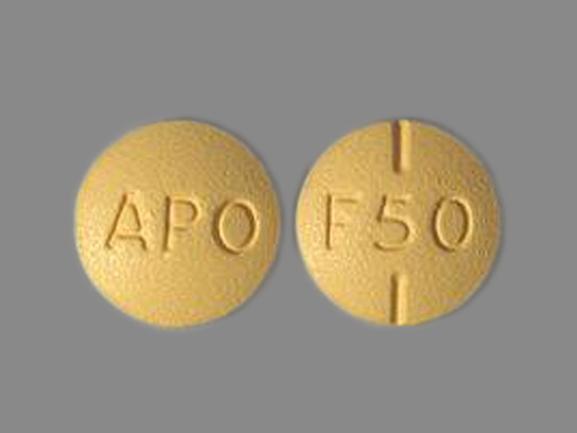
Tablets, film-coated |
25 mg* |
fluvoxaMINE Maleate Tablets |
||
|
50 mg* |
fluvoxaMINE Maleate Tablets |
|||
|
100 mg* |
fluvoxaMINE Maleate Tablets |
AHFS DI Essentials™. © Copyright 2025, Selected Revisions February 15, 2013. American Society of Health-System Pharmacists, Inc., 4500 East-West Highway, Suite 900, Bethesda, Maryland 20814.
† Off-label: Use is not currently included in the labeling approved by the US Food and Drug Administration.
Reload page with references included
Related/similar drugs
Frequently asked questions
- SSRIs vs SNRIs - What's the difference between them?
- What are some common side effects of antidepressants?
- Can the antidepressant fluvoxamine (Luvox) be used to treat COVID-19?
More about fluvoxamine
- Check interactions
- Compare alternatives
- Pricing & coupons
- Reviews (387)
- Drug images
- Side effects
- Dosage information
- During pregnancy
- Support group
- Drug class: selective serotonin reuptake inhibitors
- Breastfeeding
- En español