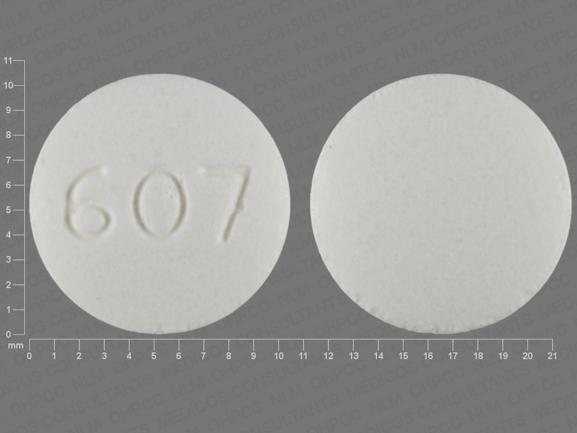
Disulfiram (Monograph)
Brand name: Antabuse
Drug class: Alcohol Deterrents
- Alcohol Deterrents
- Deterrents, Alcohol
- Aldehyde Dehydrogenase Inhibitors
Warning
-
Never administer to a patient in a state of alcohol intoxication or without patient's full knowledge; instruct relatives accordingly.
Introduction
Alcohol deterrent; an aldehyde dehydrogenase inhibitor.
Uses for Disulfiram
Alcohol Dependence
Management of alcohol dependence in selected, highly motivated patients; use in conjunction with supportive and psychotherapeutic treatment.
Not a cure for alcohol dependence; unlikely to have substantive effect when used without proper motivation and supportive therapy.
Disulfiram Dosage and Administration
General
-
Initiate therapy in a hospital or physician’s office after a complete physical examination.
-
Patient must be fully aware of therapy, thoroughly understand the disulfiram-alcohol reaction, and be supervised by regular office visits and psychotherapy.
Disulfiram-Alcohol Test Reaction
-
Considered by most clinicians to be unnecessary and may be associated with increased drug toxicity.
-
If deemed necessary, perform only under careful medical supervision (e.g., in a hospital) and with adequate facilities (including oxygen) available for treatment of a severe reaction. Do not perform test reaction in patients >50 years of age.
-
After 1–2 weeks of disulfiram therapy, slowly administer 15 mL of 100-proof whiskey (or its equivalent) to the patient; dose of alcohol may be repeated once but should not exceed 30 mL of whiskey. Discontinue alcohol as soon as symptoms develop. (See Disulfiram-Alcohol Reaction under Cautions.)
Adherence to Therapy
-
Assume patients on maintenance doses who report ability to drink alcoholic beverages without symptoms are disposing of disulfiram tablets without ingesting. Observe daily intake of tablets (preferably crushed and well mixed with liquid) before concluding disulfiram is ineffective.
Administration
Oral Administration
Administer orally once daily, usually in the morning. If sedation occurs, may administer at bedtime.
Do not administer until patient has abstained from alcohol for ≥12 hours. Never administer without the patient’s knowledge. (See Boxed Warning.)
If adherence is a problem, administer under close supervision, preferably as crushed tablets well mixed with liquid.
Dosage
Adults
Alcohol Dependence
Oral
Initially, maximum 500 mg once daily for 1–2 weeks. May reduce dosage if sedation occurs.
Average maintenance dosage: 250 mg daily (range: 125–500 mg daily) until patient is fully recovered socially and a basis for permanent self-control is established. Treatment may be required for months or years.
Prescribing Limits
Adults
Alcohol Dependence
Oral
Maximum 500 mg daily.
Special Populations
Hepatic Impairment
No specific dosage recommendations at this time. Use with extreme caution. (See Hepatic Effects and also Concomitant Diseases under Cautions.)
Renal Impairment
No specific dosage recommendations at this time. Use with extreme caution in patients with acute or chronic nephritis. (See Concomitant Diseases under Cautions.)
Geriatric Patients
Select dosage with caution, usually starting at low end of dosing range, because of age-related decreases in hepatic, renal, and/or cardiac function and of concomitant disease and drug therapy.
Cautions for Disulfiram
Contraindications
-
Concurrent or recent use of metronidazole, paraldehyde (no longer commercially available in the US), alcohol, or alcohol-containing preparations (e.g., cough syrups, elixirs, tonics). (See Disulfiram-Alcohol Reaction under Cautions and also see Advice to Patients.)
-
Alcohol intoxication.
-
Severe myocardial disease, coronary occlusion, or psychoses.
-
Hypersensitivity to disulfiram or to other thiuram derivatives used in pesticides and rubber vulcanization.
Warnings/Precautions
Warnings
Disulfiram-Alcohol Reaction
Ingestion of alcohol (even small amounts) produces an adverse disulfiram-alcohol reaction. Symptoms include: flushing, throbbing in the head and neck, throbbing headache, respiratory difficulty, dyspnea, nausea, copious vomiting, sweating, thirst, chest pain, palpitation, hyperventilation, tachycardia, hypotension, syncope, marked uneasiness, anxiety, weakness, vertigo, blurred vision, and confusion. Mild reactions are usually followed by sound sleep and complete recovery. May progress to respiratory depression, cardiovascular collapse, arrhythmias, MI, acute CHF, unconsciousness, seizures, and death.
Reaction may last 30–60 minutes to several hours or as long as alcohol remains in the blood. Intensity and duration of the reaction are subject to individual variation and are proportional to the dosage of both disulfiram and alcohol; a blood alcohol concentration (BAC) of 5–10 mg/dL may precipitate a reaction. Symptoms are fully developed when BAC=50 mg/dL; unconsciousness generally occurs when BAC ≥125–150 mg/dL. Most fatal reactions occur with disulfiram dosages >500 mg daily and >2 alcoholic drinks; however, deaths have occurred with lower disulfiram dosages after a single alcoholic drink (approximately 150 mg/kg of ethanol).
Treatment of disulfiram-alcohol reaction should be performed in facilities with immediate access to emergency equipment and drugs (e.g., emergency rooms) since arrhythmias and severe hypotension occasionally occur. Institute supportive measures to restore BP and treat shock (e.g., oxygen or a mixture of 95% oxygen and 5% carbon dioxide, plasma or electrolyte solutions, ephedrine sulfate). Large IV doses of ascorbic acid (1 g), iron, and antihistamines have been used, but are of questionable value. The therapeutic role of prostaglandin synthetase inhibitors (e.g., indomethacin) and histamine H2-blocking agents (e.g., cimetidine) in decreasing the flushing reaction has not been established. Because hypokalemia has been reported, monitor serum potassium concentrations, particularly in digitalized patients.
Fully inform patients about the disulfiram-alcohol reaction. Warn against surreptitious drinking and/or use of alcohol-containing products and advise of possible consequences. (See Advice to Patients.) Advise patients to carry a disulfiram identification card listing symptoms of the disulfiram-alcohol reaction and clinician contact information. Cards may be obtained from Odyssey Pharmaceuticals at 1-877-427-9068.
Concomitant Diseases
Because of risk of accidental disulfiram-alcohol reaction, use with extreme caution in patients with diabetes mellitus, hypothyroidism, seizure disorders, cerebral damage, chronic or acute nephritis, hepatic cirrhosis or insufficiency, abnormal EEG results, or multiple drug dependence.
Sensitivity Reactions
Evaluate patients with a history of rubber contact dermatitis for hypersensitivity to thiuram derivatives before beginning disulfiram. (See Contraindications under Cautions.)
Major Toxicities
Hepatic Effects
Hepatic toxicity (e.g., cholestatic or fulminant hepatitis, hepatic failure resulting in transplantation or death) reported in patients with or without prior history of abnormal liver function. Severe or fatal hepatitis may develop even after many months of therapy.
Perform baseline and follow-up liver function tests every 10–14 days; monitor CBC and blood chemistries. Advise patients to immediately report early signs or symptoms of hepatitis. (See Advice to Patients.)
Nervous System Effects
Vertigo, irritability, insomnia, abnormal gait, slurred speech, disorientation, confusion, and personality changes reported. Tonic-clonic (grand mal) seizures, peripheral neuropathy, polyneuritis, optic neuritis, delirium, bizarre behavior, drowsiness, and psychoses also reported.
Possible exacerbation of preexisting EEG abnormalities.
General Precautions
Precipitation of New Abuse
Alcoholism may accompany or be followed by dependence on narcotics or sedatives; consider possibility of precipitating a new abuse.
Ethylene Dibromide Exposure
Do not expose patients on disulfiram to ethylene dibromide or its vapors; higher incidence of tumors and mortality observed in rats.
Specific Populations
Pregnancy
Category C.
Lactation
Not known whether disulfiram is distributed into milk; however, expected to distribute into milk because of relatively low molecular weight. Use not recommended.
Pediatric Use
Safety and efficacy not established.
Geriatric Use
Response in patients ≥65 years of age does not appear to differ from that in younger adults. However, select dosage with caution because of greater frequency of decreased hepatic, renal, and/or cardiac function and of concomitant disease and drug therapy observed in the elderly. (See Geriatric Patients under Dosage and Administration.)
Hepatic Impairment
Use with extreme caution. (See Hepatic Effects and also Concomitant Diseases under Cautions.)
Renal Impairment
Use with extreme caution in patients with chronic or acute nephritis. (See Concomitant Diseases under Cautions.)
Common Adverse Effects
Cholestatic or fulminant hepatitis, hepatic failure, skin eruptions (e.g., acneiform eruptions, allergic dermatitis), drowsiness, fatigue, impotence, headache, metallic or garlic-like aftertaste, psychotic reactions. Optic or peripheral neuritis, polyneuritis, or peripheral neuropathy also may occur.
Drug Interactions
Nonspecific inhibitor of microsomal drug metabolism.
Specific Drugs
|
Drug |
Interaction |
Comments |
|---|---|---|
|
Alcohol or alcohol-containing preparations (e.g., cough syrups, elixirs, tonics) |
Increased sensitivity to alcohol, resulting in disulfiram-alcohol reaction |
Concomitant use contraindicated |
|
Amitriptyline |
Enhanced alcohol-disulfiram reaction |
|
|
Anticoagulants, oral (e.g., warfarin) |
Possible increased plasma concentrations of anticoagulant, resulting in prolonged PT |
Adjust anticoagulant dosage as needed upon initiation or discontinuance of disulfiram |
|
Barbiturates |
Interference with hepatic metabolism of barbiturate, possibly resulting in increased blood concentrations and toxicity of barbiturate |
|
|
Caffeine |
Decreased total blood clearance and increased half-life of caffeine, possibly resulting from inhibition of hepatic metabolism of caffeine |
Clinical importance not established, but consider possibility of exaggerated or prolonged caffeine effects in patients who ingest substantial quantities of coffee, tea, or other caffeine-containing beverages |
|
Isoniazid |
Possible behavioral changes, marked changes in mental status, psychotic reactions, incoordination, or unsteady gait |
Avoid concomitant use. However, if used concomitantly, discontinue disulfiram if such signs appear |
|
Metronidazole |
Acute psychoses and confusion reported |
Concomitant use contraindicated |
|
Phenytoin (and congeners) |
Inhibition of hepatic metabolism of phenytoin, possibly resulting in phenytoin intoxication |
Use concomitantly with caution. Determine phenytoin concentrations prior to and during disulfiram therapy; adjust phenytoin dosage as needed |
Disulfiram Pharmacokinetics
Absorption
Bioavailability
Slowly absorbed from the GI tract.
Onset
3–12 hours following administration.
Duration
Effects may persist up to 14 days after last dose.
Distribution
Extent
Not known whether disulfiram crosses the placenta or is distributed into milk; however, expected to cross the placenta and distribute into milk because of relatively low molecular weight.
Elimination
Metabolism
Slowly metabolized in the liver to diethyldithiocarbamate, diethylamine, and carbon disulfide.
Elimination Route
Slowly eliminated from the body. Excreted principally in urine as metabolites; unabsorbed disulfiram (5–20%) is excreted unchanged in feces. Some excreted from the lungs as carbon disulfide.
Stability
Storage
Oral
Tablets
Tight, light-resistant containers at 20–25°C.
Actions
-
Produces hypersensitivity to alcohol; irreversibly inhibits the enzymatic oxidation of acetaldehyde to acetate, which occurs in the liver during normal alcohol catabolism.
-
When small amounts of alcohol are ingested after administration of disulfiram, the acetaldehyde concentration in blood may increase 5–10 times the concentration found during metabolism of the same amount of alcohol alone.
-
Unpleasant symptoms of the disulfiram-alcohol reaction probably caused by high blood concentrations of acetaldehyde, or possibly from formation of a toxic quaternary ammonium compound or carbon disulfide metabolite of disulfiram. (See Disulfiram-Alcohol Reaction under Cautions.)
-
Does not interfere with rate of alcohol elimination from the body.
-
Tolerance does not occur; increased sensitivity to alcohol following prolonged administration.
Advice to Patients
-
Importance of understanding that disulfiram is not a cure for alcoholism and must be combined with other treatments.
-
Importance that relatives understand never to administer disulfiram to a patient in a state of alcohol intoxication or without his full knowledge.
-
Importance of full knowledge and understanding of the disulfiram-alcohol reaction. Avoid surreptitious drinking and/or use of alcohol in all forms, including disguised forms (e.g., cough syrups, elixirs, tonics, sauces, vinegars, cider, extracts, mouthwashes, aftershave lotions, back rubs). Always check list of ingredients before drinking, eating, applying, or inhaling any product; if uncertain about the alcohol content of any product, contact manufacturer before using. Importance of understanding that disulfiram-alcohol reaction may occur up to 14 days after discontinuance of disulfiram.
-
Importance of understanding that sensitivity to alcohol increases with prolonged administration.
-
Importance of obtaining and carrying a disulfiram identification card listing symptoms of the disulfiram-alcohol reaction and emergency clinician contact information.
-
Importance of immediately informing clinicians of any early signs or symptoms of hepatitis (e.g., fatigue, weakness, malaise, anorexia, nausea, vomiting, jaundice, dark urine).
-
Importance of informing clinicians of any allergy to pesticides or rubber products.
-
Importance of informing clinicians of existing or contemplated therapy, including prescription and OTC drugs and dietary or herbal supplements, as well as any concomitant illnesses.
-
Importance of women informing their clinician if they are or plan to become pregnant or plan to breast-feed.
-
Importance of informing patients of other important precautionary information. (See Cautions.)
Additional Information
The American Society of Health-System Pharmacists, Inc. represents that the information provided in the accompanying monograph was formulated with a reasonable standard of care, and in conformity with professional standards in the field. Readers are advised that decisions regarding use of drugs are complex medical decisions requiring the independent, informed decision of an appropriate health care professional, and that the information contained in the monograph is provided for informational purposes only. The manufacturer's labeling should be consulted for more detailed information. The American Society of Health-System Pharmacists, Inc. does not endorse or recommend the use of any drug. The information contained in the monograph is not a substitute for medical care.
Preparations
Excipients in commercially available drug preparations may have clinically important effects in some individuals; consult specific product labeling for details.
Please refer to the ASHP Drug Shortages Resource Center for information on shortages of one or more of these preparations.
|
Routes |
Dosage Forms |
Strengths |
Brand Names |
Manufacturer |
|---|---|---|---|---|
|
Oral |
Tablets |
250 mg |
Antabuse |
Odyssey |
|
500 mg |
Antabuse (scored) |
Odyssey |
AHFS DI Essentials™. © Copyright 2025, Selected Revisions May 10, 2024. American Society of Health-System Pharmacists, Inc., 4500 East-West Highway, Suite 900, Bethesda, Maryland 20814.
Reload page with references included
Related/similar drugs
More about disulfiram
- Check interactions
- Compare alternatives
- Pricing & coupons
- Reviews (143)
- Drug images
- Side effects
- Dosage information
- During pregnancy
- Support group
- Drug class: drugs used in alcohol dependence
- Breastfeeding
- En español