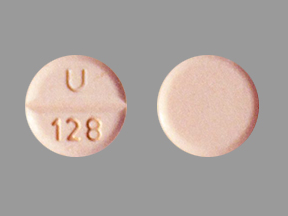
Hydrochlorothiazide Dosage
Medically reviewed by Drugs.com. Last updated on Jan 30, 2025.
Applies to the following strengths: 25 mg; 50 mg; 100 mg; 50 mg/5 mL; 12.5 mg; 10 mg/mL
Usual Adult Dose for:
Usual Pediatric Dose for:
Additional dosage information:
Usual Adult Dose for Edema
Usual dose: 25 mg to 100 mg orally once or twice daily
Comments:
- Some patients respond to intermittent therapy, (i.e., administration on alternate days or on 3 to 5 days each week). Excessive response and undesirable electrolyte imbalance are less likely to occur with intermittent dosing.
Usual Adult Dose for Hypertension
Initial dose: 25 mg orally once daily
Maintenance dose: May increase to 50 mg orally daily, as a single or 2 divided doses
Comments:
- Patients usually do not require doses in excess of 50 mg daily when used concomitantly with other antihypertensive agents.
Usual Adult Dose for Nephrocalcinosis
Initial: 25 mg orally once daily
Maintenance dose: May increase to 50 mg twice daily
Usual Adult Dose for Osteoporosis
Initial: 25 mg orally once daily
Maintenance dose: May increase to 50 mg daily
Usual Adult Dose for Diabetes Insipidus
Initial: 50 mg orally once daily
Maintenance dose: May increase to 100 mg orally daily
Usual Pediatric Dose for Edema
Less than 6 months: Up to 3 mg/kg/day (up to 1.5 mg/pound) orally in 2 divided doses
Less than 2 years: 1 to 2 mg/kg/day (0.5 to 1 mg/pound) orally daily as a single dose or in 2 divided doses
Maximum dose 37.5 mg per day
2 to 12 years: 1 to 2 mg/kg/day (0.5 to 1 mg/pound) orally daily as a single dose or in 2 divided doses
Maximum dose 100 mg per day
Usual Pediatric Dose for Hypertension
Less than 6 months: Up to 3 mg/kg/day (up to 1.5 mg/pound) orally in 2 divided doses
Less than 2 years: 1 to 2 mg/kg/day (0.5 to 1 mg/pound) orally daily as a single dose or in 2 divided doses
Maximum dose 37.5 mg per day
2 to 12 years: 1 to 2 mg/kg/day (0.5 to 1 mg/pound) orally daily as a single dose or in 2 divided doses
Maximum dose 100 mg per day
Renal Dose Adjustments
CrCl less than 30 mL/min: Not recommended; thiazide diuretics are considered ineffective below this level.
Liver Dose Adjustments
Thiazides should be used with caution in patients with impaired hepatic function or progressive liver disease, since minor alterations of fluid and electrolyte balance may precipitate hepatic coma.
Dose Adjustments
Many patients with edema respond to intermittent therapy by giving doses on alternate days or 3 to 5 days/week. Patients usually do not require more than 50 mg/day when combined with other antihypertensives.
Precautions
There are no well-controlled clinical trials in pediatric patients. Information on dosing in this age group is supported by evidence from empiric use in pediatric patients and published literature regarding the treatment of hypertension in children.
Consult WARNINGS section for additional precautions.
Dialysis
Data not available
Other Comments
Periodic monitoring of electrolytes is recommended, particularly in elderly patients and in patients receiving a high dose.
Hydrochlorothiazide doses should be administered in the morning; if patients are on a twice daily dosing schedule, the second dose should be given before 6 PM.
If hydrochlorothiazide is used concomitantly with other antihypertensive agents, the dose of the latter may need to be reduced so as to minimize the risk of an excessive fall in blood pressure.
Diuretics, including hydrochlorothiazide, should be discontinued for 2 to 3 days before the start of angiotensin converting enzyme (ACE) inhibitor therapy so as to reduce the risk of first dose hypotension.
Frequently asked questions
- What is the best time of day to take blood pressure medication?
- How long does hydrochlorothiazide stay in your system?
- Should you use a diuretic with diazoxide?
More about hydrochlorothiazide
- Check interactions
- Compare alternatives
- Pricing & coupons
- Reviews (186)
- Drug images
- Side effects
- Patient tips
- During pregnancy
- Support group
- Drug class: thiazide diuretics
- Breastfeeding
- En español
Patient resources
Other brands
Professional resources
- Hydrochlorothiazide monograph
- Hydrochlorothiazide (FDA)
- Hydrochlorothiazide Capsules (FDA)
- Hydrochlorothiazide Tablets (FDA)
Other brands
Related treatment guides
See also:
Further information
Always consult your healthcare provider to ensure the information displayed on this page applies to your personal circumstances.