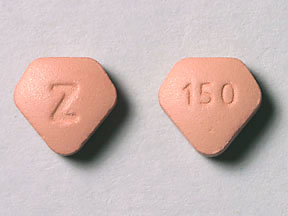
Zantac
Generic name: ranitidine [ ra-NI-ti-deen ]
Drug class: H2 antagonists
What is Zantac?
Zantac belongs to a group of drugs called histamine-2 blockers. It works by reducing the amount of acid your stomach produces.
Zantac has been used to treat and prevent ulcers in the stomach and intestines. It also was used to treat conditions in which the stomach produces too much acid, such as Zollinger-Ellison syndrome..
Zantac was also used to treat gastroesophageal reflux disease (GERD) and other conditions in which acid backs up from the stomach into the esophagus, causing heartburn.
A cancer-causing impurity found in many ranitidine medications may increase to unacceptable levels over time and when ranitidine is stored at high temperatures. As a result, the FDA has asked all makers of ranitidine to withdraw this medicine from the market in the United States.
Warnings
Zantac has been withdrawn from the market in the United States. Some of the contents of this leaflet are preserved for historical purposes only.
Using Zantac may increase your risk of developing pneumonia. Symptoms of pneumonia include chest pain, fever, feeling short of breath, and coughing up green or yellow mucus. Talk with your doctor about your specific risk of developing pneumonia.
Do not use Zantac if you are allergic to ranitidine.
Ask a doctor or pharmacist if it is safe for you to take this medicine if you have kidney disease, liver disease, or porphyria.
Heartburn is often confused with the first symptoms of a heart attack. Seek emergency medical attention if you have chest pain or heavy feeling, pain spreading to the arm or shoulder, nausea, sweating, and a general ill feeling.
Before taking this medicine
If you have been taking prescription-strength Zantac: Before you stop taking the medicine, ask your doctor about safer treatment options.
If you have been taking over-the-counter (OTC) Zantac: Stop taking the medicine, and ask your doctor or pharmacist about other approved OTC stomach acid reducers.
Heartburn can mimic early symptoms of a heart attack. Get emergency medical help if you have chest pain that spreads to your jaw or shoulder and you feel anxious or light-headed.
Before using any OTC medicine to reduce stomach acid, ask a doctor or pharmacist if the medicine is safe for you if you have other medical conditions or allergies.
Ask a doctor before using any OTC stomach acid medicine if you are pregnant or breastfeeding.
How should I take Zantac?
Because Zantac has been withdrawn from the market in the U.S., some of the contents of this leaflet are intended for historical purposes only.
Take Zantac exactly as directed on the label, or as prescribed by your doctor.
Measure liquid medicine carefully. Use the dosing syringe provided, or use a medicine dose-measuring device (not a kitchen spoon).
It may take up to 8 weeks before your ulcer heals. Keep using your medications as directed and call your doctor if your symptoms do not improve after 6 weeks.
Your doctor may recommend an antacid to help relieve pain. Carefully follow your doctor's directions about the type of antacid to use, and when to use it.
Store at room temperature away from moisture, heat, and light.
What happens if I miss a dose?
Take the medicine as soon as you can, but skip the missed dose if it is almost time for your next dose. Do not take two doses at one time.
What happens if I overdose?
Seek emergency medical attention or call the Poison Help line at 1-800-222-1222.
Overdose symptoms may include lack of coordination, feeling light-headed, or fainting.
What to avoid
You should not stop taking prescription-strength Zantac until you ask your doctor to prescribe a different medication. Talk with doctor as soon as possible about how best to treat your condition.
Avoid drinking alcohol. It can increase the risk of damage to your stomach.
Zantac side effects
Get emergency medical help if you have signs of an allergic reaction to Zantac: hives; difficult breathing; swelling of your face, lips, tongue, or throat.
Stop using Zantac and call your doctor at once if you have:
-
stomach pain, loss of appetite;
-
dark urine, jaundice (yellowing of the skin or eyes);
-
fever, chills, cough with mucus, chest pain, feeling short of breath;
-
fast or slow heart rate;
-
easy bruising or bleeding; or
-
problems with your skin or hair.
Common Zantac side effects may include:
This is not a complete list of side effects and others may occur. Call your doctor for medical advice about side effects. You may report side effects to FDA at 1-800-FDA-1088.
Related/similar drugs
Pepcid
Pepcid is used to treat ulcers in the stomach and for conditions where the stomach produces too ...
Cefuroxime
Cefuroxime systemic is used for bacterial infection, bladder infection, bone infection, bronchitis ...
Benlysta
Benlysta infusion is used to treat active systemic lupus erythematosus (SLE) and active lupus ...
Lansoprazole
Lansoprazole is used to treat stomach and intestinal ulcers, erosive esophagitis and ...
Nexium
Nexium is used to treat GERD and other conditions involving excessive stomach acid. Learn about ...
Sucralfate
Sucralfate systemic is used for duodenal ulcer, duodenal ulcer prophylaxis, GERD, hyperphosphatemia ...
Vancomycin
Vancomycin is used to treat infections of the intestines that cause colitis. Learn about side ...
Ceftriaxone
Ceftriaxone systemic is used for bacteremia, bacterial endocarditis prevention, bacterial ...
Clindamycin
Clindamycin (Cleocin) is used to treat serious infections caused by bacteria. Includes clindamycin ...
Metronidazole
Metronidazole is an antibiotic used to fight bacteria in your body. Learn about side effects ...
What other drugs will affect Zantac?
Many drugs can interact with ranitidine. This includes prescription and over-the-counter medicines, vitamins, and herbal products. Not all possible interactions are listed here. Tell your doctor about all your current medicines and any medicine you start or stop using.
Popular FAQ
How long does it take Zantac to work?
- If you are taking Zantac for gastric reflux you should notice improvement within 1 to 2 weeks.
- If you are taking it for heartburn you should notice improvement within 24 hours.
- If you are treating an ulcer, it may take up to 8 weeks for the ulcer to heal. You should notice improvement within 6 weeks.
See your doctor if symptoms persist.
References
More about Zantac (ranitidine)
- Check interactions
- Compare alternatives
- Reviews (83)
- Drug images
- Side effects
- Dosage information
- Patient tips
- During pregnancy
- Generic availability
- Support group
- Drug class: H2 antagonists
- Breastfeeding
Patient resources
Professional resources
Related treatment guides
Further information
Remember, keep this and all other medicines out of the reach of children, never share your medicines with others, and use Zantac only for the indication prescribed.
Always consult your healthcare provider to ensure the information displayed on this page applies to your personal circumstances.
Copyright 1996-2025 Cerner Multum, Inc. Version: 9.01.