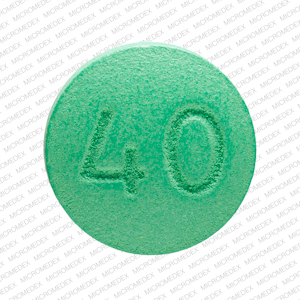
Uloric Side Effects
Generic name: febuxostat
Medically reviewed by Drugs.com. Last updated on Mar 5, 2025.
Note: This document provides detailed information about Uloric Side Effects associated with febuxostat. Some dosage forms listed on this page may not apply specifically to the brand name Uloric.
Applies to febuxostat: oral tablet.
Important warnings
This medicine can cause some serious health issues
Oral route (tablet)
Warning: Cardiovascular Death. Gout patients with established cardiovascular (CV) disease treated with febuxostat had a higher rate of CV death compared to those treated with allopurinol in a CV outcomes study.Consider the risks and benefits of febuxostat when deciding to prescribe or continue patients on febuxostat.
Febuxostat should only be used in patients who have an inadequate response to a maximally titrated dose of allopurinol, who are intolerant to allopurinol, or for whom treatment with allopurinol is not advisable.
Precautions
It is very important that your doctor check your progress at regular visits to make sure that this medicine is working properly. Blood and urine tests may be needed to check for unwanted effects.
Do not use azathioprine (Azasan®, Imuran®) or mercaptopurine (Purinethol®) while you are using this medicine. Using these medicines together can cause serious medical problems.
This medicine may increase your risk of having serious heart and blood vessel problems, such as unstable chest pain, heart attack, stroke, or death. Check with your doctor right away if start having chest pain, trouble with breathing, sudden or severe headache, or problems with vision, speech, or walking.
Check with your doctor right away if you have pain or tenderness in the upper stomach, pale stools, dark urine, loss of appetite, nausea, vomiting, or yellow eyes or skin. These could be symptoms of a serious liver problem.
Serious skin reactions can occur with this medicine. Check with your doctor right away if you have blistering, peeling, or loosening of the skin, red skin lesions, severe acne or a skin rash, sores or ulcers on the skin, or fever or chills with this medicine.
Do not take other medicines unless they have been discussed with your doctor. This includes prescription or nonprescription (over-the-counter [OTC]) medicines and herbal or vitamin supplements.
Serious side effects of Uloric
Along with its needed effects, febuxostat (the active ingredient contained in Uloric) may cause some unwanted effects. Although not all of these side effects may occur, if they do occur they may need medical attention.
Check with your doctor immediately if any of the following side effects occur while taking febuxostat:
Rare side effects
- arm, back, or jaw pain
- black, tarry stools
- bloody nose
- blurred vision
- chest pain or discomfort
- chills
- cloudy urine
- confusion
- cough
- dark urine
- decreased frequency or amount of urine
- diarrhea
- difficult or labored breathing
- difficulty with moving
- dizziness
- dry mouth
- fainting
- fast, irregular, pounding, or racing heartbeat or pulse
- feeling of fullness
- fever
- gaseous abdominal or stomach pain
- general feeling of tiredness and weakness
- headache
- heavier menstrual periods
- inability to speak
- increase in heart rate
- increased thirst
- itching, skin rash
- joint pain, stiffness, or swelling
- large, hive-like swelling on the face, eyelids, lips, tongue, throat, hands, legs, feet, or genitals
- lightheadedness
- loss of appetite
- loss of bladder control
- muscle aching or cramping
- nausea
- nervousness
- pain, swelling, or redness in the joints
- painful or difficult urination
- pale skin
- pinpoint red spots on the skin
- pounding in the ears
- rapid breathing
- redness of the skin
- right upper abdominal or stomach pain and fullness
- runny nose
- seizures
- severe or sudden headache
- shivering
- slow or fast heartbeat
- slurred speech
- sore throat
- sores, ulcers, or white spots on the lips or in the mouth
- stomach fullness or pain
- sunken eyes
- sweating
- swelling
- temporary blindness
- thirst
- tightness in the chest
- trouble sleeping
- trouble swallowing
- unusual bleeding or bruising
- unusual tiredness or weakness
- vomiting
- vomiting of blood or material that looks like coffee grounds
- weakness in the arm or leg on one side of the body, sudden and severe
- weight gain
- wrinkled skin
- yellow eyes and skin
Incidence not known
- blistering, peeling, or loosening of the skin
- diarrhea
- difficulty with swallowing
- hives
- hoarseness
- lower back or side pain
- muscle cramps or spasms
- puffiness or swelling of the eyelids or around the eyes, face, lips, or tongue
- red skin lesions, often with a purple center
- red, irritated eyes
Other side effects of Uloric
Some side effects of febuxostat may occur that usually do not need medical attention. These side effects may go away during treatment as your body adjusts to the medicine. Also, your health care professional may be able to tell you about ways to prevent or reduce some of these side effects.
Check with your health care professional if any of the following side effects continue or are bothersome or if you have any questions about them:
Rare side effects
- anxiety
- bad, unusual, or unpleasant (after) taste
- blistering, crusting, irritation, itching, or reddening of the skin
- body aches or pain
- breast pain
- bruising
- burning feeling in the chest or stomach
- burning, crawling, itching, numbness, prickling, "pins and needles", or tingling feelings
- change in taste
- changes in hair color
- constipation
- continuing ringing or buzzing or other unexplained noise in the ears
- cough producing mucus
- cracked, dry, or scaly skin
- decrease in smell
- decreased interest in sexual intercourse
- deep or fast breathing with dizziness
- depression
- ear congestion
- excess air or gas in the stomach or bowels
- feeling of constant movement of self or surroundings
- fruit-like breath odor
- gum pain
- hair loss or thinning of the hair
- hearing loss
- heartburn
- inability to have or keep an erection
- inability to move the arms and legs
- increased or decreased appetite
- increased sensitivity of the skin to sunlight
- increased sweating
- increased urination
- irritability
- large, flat, blue, or purplish patches in the skin
- loss in sexual ability, desire, drive, or performance
- loss of consciousness
- loss of voice
- muscle or bone pain or stiffness
- muscle spasm, tightness, or weakness
- muscle twitching
- nasal congestion
- numbness of the feet, hands, and around the mouth
- painful blisters on the trunk of the body
- pains in the stomach, side, or abdomen, possibly radiating to the back
- sensation of spinning
- severe or continuing stomach pain
- severe sunburn
- shakiness in the legs, arms, hands, or feet
- skin rash, encrusted, scaly, and oozing
- sleepiness or unusual drowsiness
- small red or purple spots on the skin
- sneezing
- stomach discomfort, upset, or pain
- sudden numbness and weakness in the arms and legs
- sweating
- swelling of the breasts or breast soreness in both females and males
- throat irritation
- trembling or shaking of the hands or feet
- trouble sleeping
- unexplained weight loss
- unusual drowsiness, dullness, or feeling of sluggishness
- weight loss
Incidence not known
- aggressive thoughts
- false beliefs that cannot be changed by facts
- seeing, hearing, or feeling things that are not there
See also:
Zyloprim
Zyloprim is used for calcium oxalate calculi with hyperuricosuria, gout, hyperuricemia secondary to ...
Krystexxa
Krystexxa (pegloticase) is an enzyme that metabolizes uric acid and is used to treat chronic gout ...
Dupixent
Dupixent is used to treat eczema, eosinophilic or oral-corticosteroid-dependent asthma, chronic ...
Benemid
Benemid is used for adjunct to antibiotic therapy, gout, gouty arthritis
Medrol
Medrol is used for allergic rhinitis, asthma, asthma, acute, asthma, maintenance, congenital ...
Advil
Advil (ibuprofen) reduces fever, pain and inflammation caused by headaches, toothaches, arthritis ...
Aleve
Aleve is a nonsteroidal anti-inflammatory drug (NSAID) used to treat pain and inflammation. Learn ...
Indomethacin
Indomethacin is used for ankylosing spondylitis, back pain, bartter syndrome, bursitis, cluster ...
Colchicine
Colchicine is a plant-based alkaloid that may be used to treat and prevent gout and some other ...
Methylprednisolone
Methylprednisolone is used to treat conditions such as allergies, arthritis, lupus and ulcerative ...
For healthcare professionals
Applies to febuxostat: oral tablet.
General adverse events
The more commonly reported side effects include gout flares, liver function abnormalities, diarrhea, nausea, rash, headache, and edema.[Ref]
Metabolic
- Very common (10% or more): Gout flares (up to 43.1%)
- Uncommon (0.1% to 1%): Blood cholesterol increase/hypercholesterolemia, blood lactate dehydrogenase increase, blood potassium increase, blood triglycerides increase/hypertriglyceridemia, decreased appetite, diabetes mellitus, hyperlipidemia, weight increase
- Rare (0.01% to 0.1%): Anorexia, blood glucose increase/hyperglycemia, increased appetite, weight decrease
- Frequency not reported: Bicarbonate decrease, dehydration, hypokalemia, low density lipoprotein (LDL) increase, sodium increase[Ref]
Gout flares were commonly observed soon after the start of treatment and during the first months. Thereafter, the frequency of gout flares decreased in a time-dependent manner.[Ref]
Gastrointestinal
- Common (1% to 10%): Diarrhea, nausea
- Uncommon (0.1% to 1%): Abdominal pain/distention, blood amylase increase, constipation, dry mouth, dyspepsia, flatulence, frequent stools, gastroesophageal reflux disease, gastrointestinal discomfort, vomiting
- Rare (0.01% to 0.1%): Mouth ulceration, pancreatitis
- Frequency not reported: Gastritis, gingival pain, hematemesis, hyperchlorhydria, hematochezia, peptic ulcer, treatment-emergent non-infective diarrhea[Ref]
Hepatic
- Common (1% to 10%): ALT greater than/equal to 3 times upper limit of normal (3 x ULN), AST 3 x ULN, liver function abnormalities
- Uncommon (0.1% to 1%): Alkaline phosphatase greater than/equal to 2 x ULN, cholelithiasis, total bilirubin greater than/equal to 2 mg/dL
- Rare (0.01% to 0.1%): Blood alkaline phosphatase increase, hepatitis, jaundice, liver injury
- Postmarketing reports: Cholecystitis, hepatic failure (some fatal), hepatic steatosis, hepatomegaly, liver disorder, serious cases of abnormal liver function tests[Ref]
Liver function abnormalities occurred more frequently when given with colchicine for gout flare prophylaxis; abnormalities also occurred more frequently at 40 mg doses (8.3%) compared to 80 mg and placebo (6.4% and 2.2%, respectively).
Alkaline phosphatase levels of at least 2 x the upper limit of normal (2 x ULN) most commonly occurred at 80 mg. ALT increases of at least 3 x ULN most frequently occurred in patients given this drug at any dose compared to allopurinol and placebo.[Ref]
Nervous system
- Common (1% to 10%): Headache
- Uncommon (0.1% to 1%): Altered taste, dizziness, hemiparesis, hypoesthesia, hypoemia, paresthesia, somnolence
- Frequency not reported: Balance disorder, cerebrovascular accident, EEG abnormal, gait disturbances, Guillain-Barre syndrome, lacunar infarction, lethargy, mental impairment, migraine, transient ischemic attack, tremor, vertigo[Ref]
Dermatologic
- Common (1% to 10%): Rash
- Uncommon (0.1% to 1%): Dermatitis, maculopapular rash, petechia, pruritus, rash macular, rash papular, skin discoloration/altered pigmentation, skin lesion, urticaria
- Rare (0.01% to 0.1%): Alopecia, erythema, exfoliative rash, hyperhidrosis, pruritic rash,
- Frequency not reported: Blisters, dermographism, ecchymosis, eczema, facial edema, generalized rash, hair color change, hair growth abnormal, herpes zoster, infiltrated maculopapular eruption, mucosal lesions, peeling skin, photosensitivity, progressive skin rashes, serious generalized rash, skin odor abnormal, Stevens-Johnson syndrome, toxic epidermal necrolysis
- Postmarketing reports: Serious skin and hypersensitivity reactions including Stevens-Johnson Syndrome, toxic epidermal necrolysis, and drug reaction with eosinophilia and systemic symptoms[Ref]
rash erythematous, rash follicular, rash morbilliform, rash pustular, rash vesicular
Serious skin and hypersensitivity reactions including Stevens-Johnson Syndrome, toxic epidermal necrolysis, and drug reaction with eosinophilia and systemic symptoms have been reported in the postmarketing period. In many cases, a previous similar skin reaction to allopurinol had occurred.
In clinical trials, no difference in side effects was observed between Asian patients and other ethnic groups; however, there have been postmarketing reports of serious skin/hypersensitivity reactions in some Asian patients.[Ref]
Cardiovascular
- Common (1% to 10%): Edema
- Uncommon (0.1% to 1%): Atrial fibrillation, chest pain/discomfort, ECG abnormal, flushing, hemorrhage, hot flush, hypertension, left bundle branch block, palpitations, sinus tachycardia
- Frequency not reported: Angina pectoris, atrial flutter, cardiac murmur, contusion, hypotension, major adverse cardiac events (cardiovascular death, non-fatal myocardial infarction/stroke), cardiovascular death, sinus bradycardia, tachycardia[Ref]
Edema occurred more frequently in patients given 80 mg (2.7%) than 40 mg (1.3%) or placebo (0.7%).
In the Cardiovascular Safety of Febuxostat and Allopurinol in Patients with Gout and Cardiovascular Morbidities (CARES) trial, gout patients with established cardiovascular (CV) disease experienced a significant increase in CV deaths compared to allopurinol (134/3098 vs 100/3092). Sudden cardiac death was the most common cause of CV death (83 vs 56). For the primary endpoint, time to first occurrence of MACE (defined as the composite of CV death, nonfatal MI, nonfatal stroke, or unstable angina with urgent coronary revascularization), a significant difference in febuxostat and allopurinol treated patients was not found.[Ref]
Musculoskeletal
- Common (1% to 10%): Arthralgia
- Uncommon (0.1% to 1%): Arthritis, blood creatine increase, bursitis, muscle spasm, muscle tightness, muscle weakness, musculoskeletal pain, myalgia
- Rare (0.01% to 0.1%): Blood creatine phosphokinase (CPK) increase, joint stiffness, musculoskeletal stiffness, rhabdomyolysis
- Frequency not reported: Joint swelling, muscle twitching, rhabdomyolysis[Ref]
In postmarketing reports, rhabdomyolysis occurred more frequently in patients given concomitant treatment with a statin and colchicine; some patients had preexisting renal impairment/failure.[Ref]
Renal
- Uncommon (0.1% to 1%): Blood creatinine increase, blood urea increase, nephrolithiasis, renal failure/insufficiency
- Rare (0.01% to 0.1%): Tubulointerstitial nephritis
- Frequency not reported: BUN/creatinine ratio increase
- Postmarketing reports: Tubulointerstitial nephritis[Ref]
Hematologic
- Uncommon (0.1% to 1%): Hematocrit decrease, hemoglobin decrease, hemorrhage, lymphocyte count decrease, platelet count decrease, WBC decrease
- Rare (0.01% to 0.1%): Activated partial thromboplastin time prolonged, pancytopenia, red blood cell count decrease, thrombocytopenia
- Frequency not reported: Anemia, coagulation test abnormal, eosinophilia, idiopathic thrombocytopenia purpura, leukocytosis, leukopenia, mean corpuscular volume increase, neutropenia, neutrophil count decrease, prothrombin time prolonged, splenomegaly, purpura, WBC increase
- Postmarketing reports: Agranulocytosis, eosinophilia[Ref]
Genitourinary
- Uncommon (0.1% to 1%): Erectile dysfunction, hematuria, pollakiuria, proteinuria
- Rare (0.01% to 0.1%): Micturition urgency/urgency
- Frequency not reported: Breast pain, incontinence, prostate-specific antigen (PSA) increase, urinary casts, urine output increase/decrease, urine positive for WBC and protein[Ref]
Respiratory
- Uncommon (0.1% to 1%): Bronchitis, cough, dyspnea, upper respiratory tract infection
- Frequency not reported: Epistaxis, nasal dryness, paranasal sinus hypersecretion, pharyngeal edema, respiratory tract congestion, sneezing, throat irritation[Ref]
Psychiatric
- Uncommon (0.1% to 1%): Insomnia, decreased libido
- Rare (0.01% to 0.1%): Nervousness
- Frequency not reported: Agitation, anxiety, depression, irritability, panic attack, personality change
- Postmarketing reports: Confusion, psychotic behavior (including aggressive thoughts)[Ref]
Other
- Uncommon (0.1% to 1%): Fatigue
- Rare (0.01% to 0.1%): Thirst, tinnitus
- Frequency not reported: Asthenia, deafness, feeling abnormal, fever, mass, pain, single/multiple organ involvement[Ref]
Endocrine
- Uncommon (0.1% to 1%): Blood thyroid stimulating hormone (TSH) increased
- Frequency not reported: Gynecomastia[Ref]
Ocular
- Rare (0.01% to 0.1%): Blurred vision
- Frequency not reported: Eye irritation[Ref]
Hypersensitivity
- Rare (0.01% to 0.1%): Anaphylactic reactions, angioedema, drug hypersensitivity
- Frequency not reported: Hypersensitivity (including infiltrated maculopapular eruption, generalized/exfoliative rash, skin lesions, facial edema, fever, thrombocytopenia, eosinophilia, single/multiple organ involvement [e.g. tubulointerstitial nephritis])
- Postmarketing reports: Anaphylactic shock, anaphylaxis, hypersensitivity skin reactions[Ref]
Immunologic
- Rare (0.01% to 0.1%): Drug reaction with eosinophilia and systemic symptoms (DRESS)
- Frequency not reported: Influenza-like symptoms[Ref]
References
1. Cerner Multum, Inc. "UK Summary of Product Characteristics."
2. Cerner Multum, Inc. "Australian Product Information."
3. (2009) "Product Information. Uloric (febuxostat)." Takeda Pharmaceuticals America
4. Becker MA, Schumacher HR Jr, Wortmann RL, et al. (2005) "Febuxostat Compared with Allopurinol in Patients with Hyperuricemia and Gout." N Engl J Med, 353, p. 2450-2461
5. Sun YM, Wang LF, Li J, Li ZQ, Pan W (2008) "The 223A>G polymorphism of the leptin receptor gene and lipid-lowering efficacy of simvastatin in Chinese patients with coronary heart disease." Eur J Clin Pharmacol
6. Schumacher HR Jr, Becker MA, Wortmann RL, et al. (2008) "Effects of febuxostat versus allopurinol and placebo in reducing serum urate in subjects with hyperuricemia and gout: A 28-week, phase III, randomized, double-blind, parallel-group trial." Arthritis Rheum, 59, p. 1540-1548
7. Edwards NL (2009) "Febuxostat: a new treatment for hyperuricaemia in gout." Rheumatology, 48, ii15-ii19
More about Uloric (febuxostat)
- Check interactions
- Compare alternatives
- Pricing & coupons
- Reviews (47)
- Drug images
- Dosage information
- During pregnancy
- Generic availability
- FDA approval history
- Drug class: antihyperuricemic agents
- Breastfeeding
- En español
Patient resources
Professional resources
Related treatment guides
Further information
Uloric side effects can vary depending on the individual. Always consult your healthcare provider to ensure the information displayed on this page applies to your personal circumstances.
Note: Medication side effects may be underreported. If you are experiencing side effects that are not listed, submit a report to the FDA by following this guide.