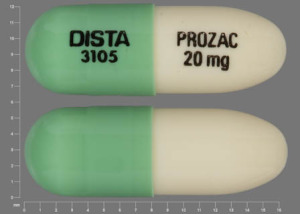
Prozac Side Effects
Generic name: fluoxetine
Medically reviewed by Drugs.com. Last updated on Feb 5, 2025.
Note: This document provides detailed information about Prozac Side Effects associated with fluoxetine. Some dosage forms listed on this page may not apply specifically to the brand name Prozac.
Applies to fluoxetine: oral capsule, oral capsule delayed release, oral solution, oral syrup, oral tablet.
Important warnings
This medicine can cause some serious health issues
Oral route (capsule; capsule, delayed release)
Antidepressants can increase the risk of suicidal thinking and behavior in children, adolescents, and young adults with major depressive disorder.
Closely monitor patients of all ages for clinical worsening and emergence of suicidal thoughts and behaviors.
When using fluoxetine hydrochloride and olanzapine in combination, also refer to the Boxed Warning section of the package insert for fluoxetine hydrochloride/olanzapine.
Oral route (solution)
Antidepressants can increase the risk of suicidal thinking and behavior in children, adolescents, and young adults with major depressive disorder (MDD).
Closely monitor patients of all ages for clinical worsening and emergence of suicidal thoughts and behaviors.
Fluoxetine oral solution is approved for use in pediatric patients with MDD and obsessive compulsive disorder.
Oral route (tablet)
Antidepressants can increase the risk of suicidal thinking and behavior in children, adolescents, and young adults with major depressive disorder.
Closely monitor patients of all ages for clinical worsening and emergence of suicidal thoughts and behaviors.
Fluoxetine hydrochloride oral tablets are not approved for use in pediatric patients.
Precautions
It is important that your doctor check your progress at regular visits, to make sure this medicine is working properly. Blood tests may be needed to check for unwanted effects.
Do not take fluoxetine (the active ingredient contained in Prozac) with a monoamine oxidase (MAO) inhibitor (eg, isocarboxazid [Marplan®], linezolid [Zyvox®], methylene blue injection, phenelzine [Nardil®], selegiline [Eldepryl®], tranylcypromine [Parnate®]). Do not start taking fluoxetine during the 2 weeks after you stop a MAO inhibitor and wait 5 weeks after stopping fluoxetine before you start taking a MAO inhibitor. If you take them together or do not wait the proper amount of time, you may develop confusion, agitation, restlessness, stomach or intestinal symptoms, a sudden high body temperature, an extremely high blood pressure, or severe convulsions.
Do not take thioridazine (Mellaril®) with fluoxetine and wait 5 weeks after stopping fluoxetine before you start taking thioridazine. Do not use pimozide (Orap®) with fluoxetine. Using these medicines together can cause very serious heart problems.
Fluoxetine may cause a serious condition called serotonin syndrome if taken together with some medicines. Do not use fluoxetine with buspirone (Buspar®), fentanyl (Abstral®, Duragesic®), lithium (Eskalith®, Lithobid®), tryptophan, St. John's wort, amphetamines, or some pain or migraine medicines (eg, meperidine, methadone, rizatriptan, sumatriptan, tramadol, Demerol®,Frova®, Imitrex®, Maxalt®, Methadose®, Relpax®, Ultram®, Zomig®). Check with your doctor first before taking any other medicines with fluoxetine.
Fluoxetine may cause some teenagers and young adults to be agitated, irritable, or display other abnormal behaviors. It may also cause some people to have suicidal thoughts and tendencies or to become more depressed. Some people may have trouble sleeping, get upset easily, have a big increase in energy, or start to act reckless. If you or your caregiver notice any of these unwanted effects, tell your doctor right away. Let the doctor know if you or anyone in your family has bipolar disorder (manic-depressive) or has tried to commit suicide.
Do not suddenly Stop taking fluoxetine without checking first with your doctor. Your doctor may want you to gradually reduce the amount you are using before stopping it completely. This will decrease the chance of having withdrawal symptoms including agitation, breathing problems, chest pain, confusion, diarrhea, dizziness or lightheadedness, fast heartbeat, headache, increased sweating, muscle pain, nausea, restlessness, runny nose, trouble sleeping, trembling or shaking, unusual tiredness or weakness, vision changes, or vomiting.
Tell your doctor right away if you develop a rash or hives, swelling of the face, eyes, or mouth, or trouble breathing after taking this medicine.
This medicine may increase your risk for bleeding problems. Make sure your doctor knows if you are also taking other medicines that thin the blood, including NSAIDs (eg, aspirin, diclofenac, ibuprofen, naproxen, Advil®, Aleve®, Celebrex®, Voltaren®) or warfarin (Coumadin®, Jantoven®).
Hyponatremia (low sodium in the blood) may occur with this medicine. Check with your doctor right away if you have confusion, difficulty concentrating, headaches, memory problems, weakness, and unsteadiness.
Contact your doctor right away if you have dizziness, fainting, or a fast, pounding, or uneven heartbeat. Make sure your doctor knows if you have ever had a heart rhythm problem, including QT prolongation, or if you or a family member has had a heart attack, heart failure, low blood pressure, or a stroke.
The use of alcohol is not recommended in patients who are taking fluoxetine.
This medicine may affect blood sugar levels. If you are diabetic and notice a change in the results of your blood or urine sugar tests, check with your doctor.
This medicine may cause some people to become drowsy or less able to think clearly, or to have poor muscle control. Make sure you know how you react to fluoxetine before you drive, use machines, or do anything else that could be dangerous if you are not alert and well able to control your movements.
Check with your doctor right away if you have decreased interest in sexual intercourse, delayed or inability to have an orgasm in women, inability to have or keep an erection in men, or loss in sexual ability, desire, drive, or performance. These could be symptoms of sexual dysfunction.
Do not take other medicines unless they have been discussed with your doctor. This includes prescription or nonprescription (over-the-counter [OTC]) medicines and herbal (eg, St. John's wort) or vitamin supplements.
Serious side effects of Prozac
Along with its needed effects, fluoxetine may cause some unwanted effects. Although not all of these side effects may occur, if they do occur they may need medical attention.
Check with your doctor immediately if any of the following side effects occur while taking fluoxetine:
More common side effects
- hives, itching, skin rash
- inability to sit still
- restlessness
Less common side effects
- chills or fever
- joint or muscle pain
Rare side effects
- anxiety
- cold sweats
- confusion
- cool pale skin
- diarrhea
- difficulty with concentration
- drowsiness
- dryness of the mouth
- excessive hunger
- fast or irregular heartbeat
- headache
- increased sweating
- increased thirst
- lack of energy
- mood or behavior changes
- overactive reflexes
- purple or red spots on the skin
- racing heartbeat
- seizures
- shakiness or unsteady walk
- shivering or shaking
- talking, feeling, and acting with excitement and activity you cannot control
- trouble with breathing
- unusual or incomplete body or facial movements
- unusual tiredness or weakness
Incidence not known
- agitation
- back or leg pains
- bleeding gums
- blindness
- blistering, peeling, or loosening of the skin
- bloating
- blood in the urine or stools
- bloody, black or tarry stools
- blue-yellow color blindness
- blurred vision
- chest pain, discomfort, or tightness
- clay-colored stools
- constipation
- continuing vomiting
- cough or dry cough
- dark urine
- decreased interest in sexual intercourse
- decreased urine output
- decreased vision
- delayed or inability to have an orgasm
- depression
- difficulty with swallowing
- dizziness or lightheadedness
- eye pain
- fainting
- fast, pounding, or irregular heartbeat or pulse
- general body swelling
- high fever
- hostility
- inability to have or keep an erection
- indigestion
- irregular or slow heart rate
- irritability
- large, hive-like swelling on the face, eyelids, lips, tongue, throat, hands, legs, feet, or sex organs
- light-colored stools
- loss in sexual ability, desire, drive, or performance
- loss of appetite
- loss of bladder control
- muscle twitching
- nausea
- nightmares
- no blood pressure or pulse
- noisy breathing
- nosebleeds
- pain in the ankles or knees
- painful, red lumps under the skin, mostly on the legs
- painful or prolonged erection of the penis
- pains in the stomach, side, or abdomen, possibly radiating to the back
- pinpoint red spots on the skin
- puffiness or swelling of the eyelids or around the eyes, face, lips, or tongue
- rapid weight gain
- red or irritated eyes
- red skin lesions, often with a purple center
- redness, tenderness, itching, burning, or peeling of the skin
- severe muscle stiffness
- severe sleepiness
- slurred speech
- sore throat
- sores, ulcers, or white spots on the lips or in the mouth
- stomach pain
- stopping of heart
- sudden weakness in the arms or legs
- sudden, severe chest pain
- swelling of the face, ankles, or hands
- swollen or painful glands
- thoughts of killing oneself
- tiredness
- twitching, twisting, or uncontrolled repetitive movements of the tongue, lips, face, arms, or legs
- unconsciousness
- unpleasant breath odor
- unusual bleeding or bruising
- unusual drowsiness, dullness, tiredness, weakness, or feeling of sluggishness
- unusually pale skin
- use of extreme physical or emotional force
- vomiting of blood
- yellow eyes or skin
Other side effects of Prozac
Some side effects of fluoxetine may occur that usually do not need medical attention. These side effects may go away during treatment as your body adjusts to the medicine. Also, your health care professional may be able to tell you about ways to prevent or reduce some of these side effects.
Check with your health care professional if any of the following side effects continue or are bothersome or if you have any questions about them:
More common side effects
- decreased appetite
Less common or rare side effects
- abnormal dreams
- breast enlargement or pain
- change in sense of taste
- changes in vision
- feeling of warmth or heat
- flushing or redness of the skin, especially on face and neck
- frequent urination
- hair loss
- increased appetite
- increased sensitivity of the skin to sunlight
- menstrual pain
- stomach cramps, gas, or pain
- unusual secretion of milk, in females
- weight loss
- yawning
Incidence not known
- cracks in the skin
- decrease in smell
- loss of heat from the body
- loss of sense of smell
- painful or prolonged erections of the penis
- scaly skin
- swelling of the breasts or breast soreness in both females and males
- unusual milk production
See also:
For healthcare professionals
Applies to fluoxetine: compounding powder, oral capsule, oral delayed release capsule, oral solution, oral tablet.
General adverse events
The most commonly reported side effects included insomnia, asthenia, and headache.[Ref]
Nervous system
- Very common (10% or more): Headache (up to 21%), somnolence (up to 17%), tremor (up to 13%), dizziness (up to 11%)
- Common (1% to 10%): Amnesia, hyperkinesia, paresthesia/sensory disturbances, taste perversion/dysgeusia
- Uncommon (0.1% to 1%): Abnormal gait, acute brain syndrome, ataxia, balance disorder, central nervous system (CNS) depression, CNS stimulation, dyskinesia, hyperkinesia, hypertonia, hyperesthesia, incoordination, memory impairment, migraine, myoclonus, neuralgia, neuropathy, syncope, vascular headache, vertigo
- Rare (0.01% to 0.1%): Abnormal electroencephalogram, cerebral embolism, cerebral ischemia, circumoral paresthesia, convulsion/seizures, delusions, dysarthria, dystonia, extrapyramidal syndrome, foot drop, hyperesthesia, neuritis, paralysis, parosmia, reflexed decreased, serotonin syndrome (neuroleptic malignant syndrome-like effects), stupor, taste loss
- Very rare (less than 0.01%): Mild intensity headache
- Frequency not reported: Autonomic instability, coma, hyperreflexia, hypersomnia, neuromuscular aberrations, sedation
- Postmarketing reports: Cerebrovascular accident, movement disorders, tardive dyskinesia, worsening of preexisting movement disorders[Ref]
Potentially life-threatening serotonin syndrome has been reported with SSRIs and SNRIs as monotherapy, but particularly with concomitant use of other serotonergic drugs and drugs that impair the metabolism of serotonin.[Ref]
Psychiatric
- Very common (10% or more): Insomnia (up to 33%), anxiety (up to 15%), nervousness (up to 14%)
- Common (1% to 10%): Abnormal dreams, agitation, disturbance in attention, emotional lability, hostility, hypomania, mania, personality disorder, restlessness, sleep disorder, tension, thinking abnormal
- Uncommon (0.1% to 1%): Akathisia, apathy, bruxism, depersonalization, elevated mood, euphoria, intentional overdose, manic reaction, neurosis, paranoid reaction, psychomotor hyperactivity, psychosis, suicidal thoughts and behavior, suicide attempt
- Rare (less than 0.1%): Aggression, antisocial reaction, delusions, dysphemia, hallucinations, panic attacks
- Frequency not reported: Activation syndrome, anger, complete suicide, depression, depression suicidal, early morning awakening, initial insomnia, intense dreams, intentional self-injury, mental status changes, middle insomnia, morbid thoughts, nightmares, self-injurious ideation and behavior, sleep disturbances, suicidal ideation
- Postmarketing reports: Confusion, discontinuation/withdrawal symptoms, irritability, violent behaviors[Ref]
Antidepressants may have a role in inducing worsening of depression and the emergence of suicidality in certain patients during the early phases of treatment. An increased risk of suicidal thinking and behavior in children, adolescents, and young adults (aged 18 to 24 years) with major depressive disorder (MDD) and other psychiatric disorders has been reported with short-term use of antidepressant drugs.
Adult and pediatric patients receiving antidepressants for MDD, as well as for psychiatric and nonpsychiatric indications, have reported symptoms that may be precursors to emerging suicidality, including anxiety, agitation, panic attacks, insomnia, irritability, hostility, aggressiveness, impulsivity, akathisia, hypomania, and mania. Causality has not been established.[Ref]
Gastrointestinal
- Very common (10% or more): Nausea (up to 29%), diarrhea (up to 18%), dry mouth (up to 12%)
- Common (1% to 10%): Abdominal pain, constipation, dyspepsia, flatulence, gastrointestinal disorder, vomiting
- Uncommon (0.1% to 1%): Aphthous stomatitis, buccoglossal syndrome, colitis, dysphagia, eructation, esophagitis, gastritis, gastroenteritis, gastrointestinal (GI) hemorrhage, glossitis, gum hemorrhage, hyperchlorhydria, increased salivation, melena, mouth ulceration, stomach ulcer, stomatitis
- Rare (less than 0.1%): Acute abdominal syndrome, bloody diarrhea, duodenal ulcer, enteritis, esophageal pain, esophageal ulcer, fecal incontinence, hematemesis, intestinal obstruction, pancreatitis, peptic ulcer, salivary gland enlargement, stomach ulcer hemorrhage, tongue edema
- Frequency not reported: Anal/esophageal/gastric/upper and lower GI/hemorrhoidal/peritoneal/rectal hemorrhage, bleeding esophageal varices, enterocolitis, esophageal/duodenal/gastric ulcer hemorrhage, GI bleeding, gingival/mouth bleeding, hematochezia, hemorrhagic diarrhea/diverticulitis/gastritis, intraabdominal hemorrhage[Ref]
A study of 26,005 antidepressant users has reported 3.6 times more upper GI bleeding episodes with the use of SSRIs relative to the population who did not receive antidepressant medications. Upper gastrointestinal tract bleeding was observed in 3.9 times more frequently in patients receiving this drug.[Ref]
Respiratory
- Very common (10% or more): Rhinitis (up to 23%), pharyngitis (up to 11%), yawn/yawning (up to 11%)
- Common (1% to 10%): Epistaxis, sinusitis
- Uncommon (0.1% to 1%): Asthma, dyspnea, hiccup, hyperventilation
- Rare (less than 0.1%): Apnea, atelectasis, decreased cough, emphysema, hemoptysis, hypoventilation, hypoxia, larynx edema, lung edema, pneumothorax, pulmonary events (inflammatory processes of varying histopathology and/or fibrosis), stridor
- Frequency not reported: Increased cough, interstitial lung disease, pneumonitis
- Postmarketing reports: Eosinophilic pneumonia, pulmonary embolism, pulmonary hypertension[Ref]
Other
- Very common (10% or more): Asthenia/fatigue (up to 21%),
- Common (1% to 10%): Accidental injury, chills, ear pain, feeling jittery, fever, lethargy, thirst, tinnitus
- Uncommon (0.1% to 1%): Abortion, face edema, feeling abnormal, feeling hot/cold, malaise
- Rare (less than 0.1%): Deafness, hypothermia, mucosal hemorrhage
- Frequency not reported: Growth delay, hyperthermia, pain
- Postmarketing reports: Malignant hyperthermia[Ref]
Metabolic
- Very common (10% or more): Anorexia (up to 17%)
- Common (1% to 10%): Decreased appetite, increased appetite, weight loss
- Uncommon (0.1% to 1%): Dehydration, gout, hypercholesterolemia, hyperlipemia, hypokalemia
- Rare (less than 0.1%): Alcohol intolerance, alkaline phosphatase increased, blood sugar level changes, diabetic acidosis, diabetes mellitus, hyperkalemia, hyperuricemia, hypocalcemia, hyponatremia
- Frequency not reported: Decreased alkaline phosphatase levels
- Postmarketing reports: Hypoglycemia[Ref]
Decreased weight gain has been observed in association with use in children and adolescents.[Ref]
Genitourinary
- Very common (10% or more): Decreased libido/loss of libido (up to 11%)
- Common (1% to 10%): Abnormal ejaculation/ejaculation disorder, dysmenorrhea, erectile dysfunction, gynecological bleeding, impotence, micturition disorder, urinary frequency
- Uncommon (0.1% to 1%): Albuminuria, amenorrhea, anorgasmia, breast enlargement, breast pain, dysuria, female lactation, fibrocystic breast, hematuria, impaired urination, increased libido, leukorrhea, menorrhagia, metrorrhagia, nocturia, pelvic pain, polyuria, sexual dysfunction (occasionally persisting after treatment discontinuation), urinary incontinence, urinary retention, vaginal hemorrhage
- Rare (less than 0.1%): Breast engorgement, glycosuria, hypomenorrhea, uterine hemorrhage, uterine fibroids enlarged
- Frequency not reported: Delayed ejaculation, delayed sexual maturation, dysfunctional uterine bleeding, ejaculation dysfunction/failure, galactorrhea, genital hemorrhage, menometrorrhagia, orgasmic dysfunction, polymenorrhea, postmenopausal hemorrhage, premature ejaculation, retrograde ejaculation, uterine cervix hemorrhage, vaginal bleeding after drug withdrawal
- Postmarketing reports: Enlarged clitoris, pollakiuria[Ref]
Urinary retention and galactorrhea have been reported with other SSRIs.
The estimates of the incidence of untoward sexual experience and performance may underestimate their actual incidence, partly because patients and physicians may be reluctant to discuss this issue. In placebo-controlled clinical trials ejaculation disorder (primarily ejaculation delay) was reported as a treatment-emergent side effect at an incidence of 6% and at least twice the incidence in placebo-treated male patients.[Ref]
Immunologic
- Very common (10% or more): Flu syndrome (up to 12%)
- Common (1% to 10%): Infection
- Rare (less than 0.1%): Herpes zoster[Ref]
Cardiovascular
- Common (1% to 10%): Chest pain, flushing/hot flush, hypertension, palpitation, QT-interval prolongation, vasodilatation
- Uncommon (0.1% to 1%): Angina pectoris, arrhythmia, congestive heart failure, generalized edema, hypotension, myocardial infarct, peripheral edema, postural hypotension
- Rare (less than 0.1%): Bradycardia, extrasystoles, heart block, pallor, peripheral vascular disorder, phlebitis, shock, thrombophlebitis, thrombosis, vasculitis, vasospasm, ventricular arrhythmia, ventricular extrasystoles, ventricular fibrillation
- Frequency not reported: Labile blood pressure, tachycardia
- Postmarketing reports: Atrial fibrillation, heart arrest, torsades de pointes/torsades de pointes-type arrhythmias[Ref]
Patients have developed QT prolongation of at least 450 msec.[Ref]
Dermatologic
- Common (1% to 10%): Pruritus, rash, sweating/hyperhidrosis, urticaria
- Uncommon (0.1% to 1%): Acne, alopecia, cold sweat, contact dermatitis, ecchymosis, eczema, increased tendency to bruise, maculopapular rash, skin discoloration, skin ulcer
- Rare (less than 0.1%): Epidermal necrolysis/toxic epidermal necrolysis, erythema multiforme, furunculosis, hirsutism, petechia, photosensitivity reaction, psoriasis, purpura, purpuric rash, seborrhea, Stevens Johnson syndrome/Lyell syndrome
- Frequency not reported: Erythema, exfoliative rash, heat rash, erythematous rash, follicular rash, generalized rash, macular rash, morbilliform rash, papular rash, pruritic rash, vesicular rash, umbilical erythema rash
- Postmarketing reports: Erythema nodosum, exfoliative dermatitis, thrombocytopenic purpura[Ref]
Alopecia was usually reversible.[Ref]
Ocular
- Common (1% to 10%): Abnormal vision, vision blurred
- Uncommon (0.1% to 1%): Conjunctivitis, dry eyes, mydriasis, photophobia
- Rare (less than 0.1%): Blepharitis, diplopia, exophthalmos, glaucoma, hyperacusis, iritis, scleritis, strabismus, visual field defect
- Frequency not reported: Increased intraocular pressure
- Postmarketing reports: Cataract, oculogyric crises, optic neuritis[Ref]
Musculoskeletal
- Common (1% to 10%): Arthralgia, muscle twitching/twitching
- Uncommon (0.1% to 1%): Arthritis, bone pain, bursitis, leg cramps, tenosynovitis
- Rare (less than 0.1%): Arthrosis, chondrodystrophy, creatine phosphokinase increased, myalgia, myasthenia, myopathy, osteomyelitis, osteoporosis, rheumatoid arthritis
- Frequency not reported: Back pain, bone fractures[Ref]
Epidemiological studies, primarily in patients aged 50 years or older, have shown an increased risk of bone fractures in patients receiving SSRIs or TCAs.[Ref]
Hypersensitivity
- Common (1% to 10%): Allergic reaction
- Rare (less than 0.1%): Anaphylactic/anaphylactoid reaction, angioedema, serum sickness[Ref]
Hepatic
- Uncommon (0.1% to 1%): Abnormal liver function tests, cholelithiasis
- Rare (less than 0.1%): Biliary pain, cholecystitis, hepatitis, idiosyncratic hepatitis, liver fatty deposits, transaminases increased, gamma glutamyltransferase increased
- Frequency not reported: Abnormal hepatic function, aggravation of hepatic damage, cholestatic jaundice, hepatic failure/necrosis[Ref]
Hematologic
- Rare (less than 0.1%): Blood dyscrasias, hypochromic anemia, iron deficiency anemia, leukopenia, lymphedema, lymphocytosis, neutropenia, thrombocytopenia
- Postmarketing reports: Aplastic anemia, eosinophilia, immune-related hemolytic anemia, pancytopenia[Ref]
Endocrine
- Uncommon (0.1% to 1%): Hypothyroidism
- Rare (less than 0.1%): Inappropriate secretion of antidiuretic hormone
- Frequency not reported: Gynecomastia, hyperprolactinemia[Ref]
Renal
- Uncommon (0.1% to 1%): Albuminuria
- Rare (less than 0.1%): Blood urea nitrogen (BUN) increased, kidney pain, oliguria
- Postmarketing reports: Kidney failure[Ref]
References
1. (2001) "Product Information. Prozac (fluoxetine)." Dista Products Company
2. Cerner Multum, Inc. "UK Summary of Product Characteristics."
3. Cerner Multum, Inc. "Australian Product Information."
Frequently asked questions
- What does Prozac feel like when it starts working?
- SSRIs vs SNRIs - What's the difference between them?
- Does Prozac cause weight gain or loss?
- Prozac vs Xanax: How do they compare?
- How long does it take for Prozac to work?
- Is Prozac (fluoxetine) safe for dogs?
- Is Prozac a controlled substance / addictive?
- Prozac vs Zoloft - What are the Differences & Similarities?
- Taking fluoxetine, what can I use for a bad cough from cold or strep throat?
More about Prozac (fluoxetine)
- Check interactions
- Compare alternatives
- Pricing & coupons
- Reviews (1,247)
- Drug images
- Dosage information
- Patient tips
- During pregnancy
- Generic availability
- Support group
- Drug class: selective serotonin reuptake inhibitors
- Breastfeeding
- En español
Patient resources
Other brands
Professional resources
Other brands
Related treatment guides
Further information
Prozac side effects can vary depending on the individual. Always consult your healthcare provider to ensure the information displayed on this page applies to your personal circumstances.
Note: Medication side effects may be underreported. If you are experiencing side effects that are not listed, submit a report to the FDA by following this guide.