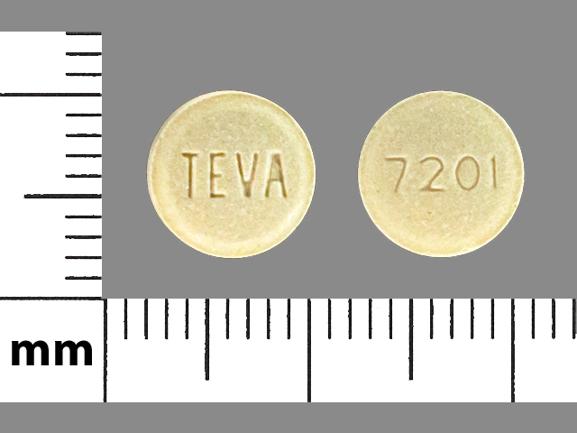
Pravastatin Side Effects
Medically reviewed by Drugs.com. Last updated on Dec 3, 2024.
Applies to pravastatin: oral tablet.
Precautions
It is very important that your doctor check your progress at regular visits. This will allow your doctor to see if the medicine is working properly to lower your cholesterol and triglyceride levels and to decide if you should continue to take it. Blood tests may be needed to check for unwanted effects.
Using this medicine while you are pregnant can harm your unborn baby. Use an effective form of birth control to keep from getting pregnant. If you think you have become pregnant while using the medicine, tell your doctor right away.
Make sure any doctor or dentist who treats you knows that you are using this medicine. You may need to stop using this medicine if you have a major surgery, a major injury, or you develop other serious health problems.
Call your doctor right away if you have unexplained muscle pain, tenderness, or weakness, especially if you also have unusual tiredness or a fever. These may be symptoms of serious muscle problems, such as myopathy or immune-mediated necrotizing myopathy (IMNM).
Call your doctor right away if you have dark-colored urine, diarrhea, a fever, muscle cramps or spasms, muscle pain or stiffness, or feel very tired or weak. These could be symptoms of a serious muscle problem called rhabdomyolysis, which can cause kidney problems.
Check with your doctor right away if you get a headache, stomach pain, vomiting, dark-colored urine, loss of appetite, weight loss, general feeling of tiredness or weakness, light-colored stools, upper right stomach pain, or yellow eyes or skin. These could be symptoms of liver damage.
Do not drink large amounts of alcohol while taking pravastatin. This could cause liver damage.
Do not take other medicines unless they have been discussed with your doctor. This includes prescription or nonprescription (over-the-counter [OTC]) medicines and herbal or vitamin supplements.
Serious side effects of pravastatin
Along with its needed effects, pravastatin may cause some unwanted effects. Although not all of these side effects may occur, if they do occur they may need medical attention.
Check with your doctor immediately if any of the following side effects occur while taking pravastatin:
More common side effects
- difficulty with moving
- muscle or bone pain
- muscle stiffness
- pain in the joints
- pain, localized
Less common side effects
- arm, back, or jaw pain
- chest pain, discomfort, or tightness
- chills
- cough
- dark-colored urine
- diarrhea
- difficult or labored breathing
- ear congestion
- fast or irregular heartbeat
- fever
- general feeling of discomfort or illness
- headache
- loss of appetite
- muscle cramps, spasms, tenderness, wasting, or weakness
- nausea
- runny or stuffy nose
- shivering
- sneezing
- sore throat
- sweating
- swollen joints
- trouble sleeping
- unusual tiredness or weakness
- vomiting
Other side effects of pravastatin
Some side effects of pravastatin may occur that usually do not need medical attention. These side effects may go away during treatment as your body adjusts to the medicine. Also, your health care professional may be able to tell you about ways to prevent or reduce some of these side effects.
Check with your health care professional if any of the following side effects continue or are bothersome or if you have any questions about them:
More common side effects
- stomach pain
Less common side effects
- acid or sour stomach
- belching
- bloated or full feeling
- blurred vision or other changes in vision
- difficult or painful urination
- difficulty having a bowel movement (stool)
- dizziness
- double vision
- fear or nervousness
- feeling sad or empty
- increased urge to urinate during the night
- irritability
- loss of interest or pleasure
- pain in the chest below the breastbone
- passing gas
- rash
- stomach discomfort or upset
- tiredness
- trouble concentrating
See also:
Lipitor
Lipitor is used to treat high cholesterol. Learn about side effects, interactions and indications.
Crestor
Crestor (rosuvastatin) is used to treat high cholesterol and high triglycerides in the blood ...
Leqvio
Leqvio is used in adults with primary hyperlipidemia to reduce low-density lipoprotein (LDL-C) ...
Zetia
Zetia (ezetimibe) is used to treat high cholesterol. Includes Zetia side effects, interactions and ...
Zocor
Zocor (simvastatin) reduces low-density lipoprotein cholesterol and total cholesterol in the blood ...
Colesevelam
Colesevelam is used for diarrhea, chronic, high cholesterol, hyperlipoproteinemia ...
Niacin
Niacin is used to lower cholesterol and triglycerides. Learn about side effects, interactions and ...
Lovastatin
Lovastatin is used for high cholesterol, high cholesterol, familial heterozygous ...
Simvastatin
Simvastatin (Zocor) is a cholesterol-lowering medication that blocks the production of cholesterol ...
For healthcare professionals
Applies to pravastatin: oral tablet.
General adverse events
The most frequently reported side effects were musculoskeletal pain, nausea/vomiting, upper respiratory tract infection, diarrhea, and headache.[Ref]
Musculoskeletal
- Very common (10% or more): Musculoskeletal pain (up to 24.9%), musculoskeletal traumatism (10.2%)
- Common (1% to 10%): Myalgia, muscle cramp, arthralgia
- Uncommon (0.1% to 1%): Muscle weakness
- Postmarketing reports: Myopathy, rhabdomyolysis, immune-mediated necrotizing myopathy, lupus erythematosus-like syndrome, polymyalgia rheumatica, arthritis, myositis, polymyositis, tendon disorder[Ref]
Gastrointestinal
- Very common (10% or more): Nausea/vomiting (up to 10.5%)
- Common (1% to 10%): Diarrhea, flatulence, dyspepsia/heartburn, abdominal distension, constipation
- Uncommon (0.1% to 1%): Abdominal pain
- Postmarketing reports: Pancreatitis[Ref]
Other
- Very common (10% or more): Chest pain (up to 10%)
- Common (1% to 10%): Fatigue, influenza, creatinine phosphokinase increased, edema, fever, weight gain, weight loss, viral infection
- Uncommon (0.1% to 1%): Edema, weakness, hearing loss, tinnitus
- Frequency not reported: Head/neck edema, vertigo
- Postmarketing reports: Chills, asthenia[Ref]
Hepatic
- Common (1% to 10%): ALT increased, GGT increased, AST increased
- Postmarketing reports: Hepatitis, chronic active hepatitis, cholestatic jaundice, fatty change in liver, cirrhosis, fulminant hepatic necrosis, fatal hepatic failure, nonfatal hepatic failure, liver function test abnormalities[Ref]
Nervous system
- Common (1% to 10%): Headache, dizziness, paresthesia
- Uncommon (0.1% to 1%): Numbness
- Frequency not reported: Memory impairment, neuropathy/peripheral neuropathy, taste disturbance
- Postmarketing reports: Intraocular movement impaired, facial paresis, peripheral nerve palsy, cognitive impairment, forgetfulness, amnesia[Ref]
Respiratory
- Very common (10% or more): Upper respiratory tract infection (up to 21.2%)
- Common (1% to 10%): Pharyngitis, rhinitis, cough, pulmonary infection, sinus abnormality/sinusitis, tracheobronchitis, dyspnea
- Frequency not reported: Interstitial lung disease[Ref]
Dermatologic
- Common (1% to 10%): Rash, dermatitis
- Uncommon (0.1% to 1%): Pruritus, urticaria, scalp/hair abnormality, alopecia
- Postmarketing reports: Skin discoloration, skin nodules, dry mucous membranes, changes to hair/nails, angioedema, dermatomyositis, purpura, photosensitivity, toxic epidermal necrolysis, erythema multiforme, Stevens-Johnson syndrome[Ref]
Cardiovascular
- Common (1% to 10%): Angina pectoris
- Uncommon (0.1% to 1%): Disturbance of rhythm, hypertension, myocardial infarction
- Frequency not reported: Flushing
- Postmarketing reports: Vasculitis[Ref]
Ocular
- Common (1% to 10%): Blurred vision, diplopia
- Uncommon (0.1% to 1%): Eye inflammation, lens opacity[Ref]
Psychiatric
- Common (1% to 10%): Sleep disturbance, anxiety/nervousness, depression
- Uncommon (0.1% to 1%): Insomnia
- Frequency not reported: Libido change[Ref]
Genitourinary
- Common (1% to 10%): Urinary tract infection
- Uncommon (0.1% to 1%): Dysuria, urinary frequency, nocturia, sexual dysfunction[Ref]
Endocrine
- Postmarketing reports: Thyroid function abnormalities, gynecomastia[Ref]
Hematologic
- Postmarketing reports: Hemolytic anemia, erythrocyte sedimentation rate increased, transient asymptomatic eosinophilia[Ref]
Immunologic
- Frequency not reported: Allergic/hypersensitivity reaction
- Postmarketing reports: Anaphylaxis, positive antinuclear antibodies[Ref]
Oncologic
- Postmarketing reports: Hepatoma[Ref]
References
1. (2001) "Product Information. Pravachol (pravastatin)." Bristol-Myers Squibb
2. Cerner Multum, Inc. "UK Summary of Product Characteristics."
3. Cerner Multum, Inc. "Australian Product Information."
Frequently asked questions
- Do statins cause rhabdomyolysis, and how is it treated?
- What are the side effects of statins?
- Do statins help treat COVID-19?
More about pravastatin
- Check interactions
- Compare alternatives
- Pricing & coupons
- Reviews (80)
- Drug images
- Latest FDA alerts (4)
- Dosage information
- Patient tips
- During pregnancy
- Support group
- Drug class: statins
- Breastfeeding
- En español
Patient resources
Other brands
Professional resources
Other brands
Related treatment guides
Further information
Pravastatin side effects can vary depending on the individual. Always consult your healthcare provider to ensure the information displayed on this page applies to your personal circumstances.
Note: Medication side effects may be underreported. If you are experiencing side effects that are not listed, submit a report to the FDA by following this guide.