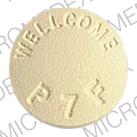
Mepron Side Effects
Generic name: atovaquone
Medically reviewed by Drugs.com. Last updated on Aug 4, 2024.
Note: This document provides detailed information about Mepron Side Effects associated with atovaquone. Some dosage forms listed on this page may not apply specifically to the brand name Mepron.
Applies to atovaquone: oral suspension.
Precautions
It is very important that your doctor check your progress at regular visits to make sure that this medicine is working properly. Blood tests may be needed to check for unwanted effects.
If your symptoms do not improve within a few days, or if they become worse, check with your doctor.
Check with your doctor right away if you have pain or tenderness in the upper stomach, pale stools, dark urine, loss of appetite, nausea, vomiting, or yellow eyes or skin. These could be symptoms of a serious liver problem.
Do not take other medicines unless they have been discussed with your doctor. This includes prescription or nonprescription (over-the-counter [OTC]) medicines and herbal or vitamin supplements.
Serious side effects of Mepron
Along with its needed effects, atovaquone (the active ingredient contained in Mepron) may cause some unwanted effects. Although not all of these side effects may occur, if they do occur they may need medical attention.
Check with your doctor immediately if any of the following side effects occur while taking atovaquone:
More common side effects
- cough or hoarseness
- difficult or labored breathing
- fever or chills
- lower back or side pain
- painful or difficult urination
- tightness in the chest
Incidence not known
- black, tarry stools
- bleeding gums
- bloating
- blood in the urine or stools
- bluish-colored lips, fingernails, or palms
- constipation
- dark urine
- dizziness or lightheadedness
- fast heartbeat
- headache
- indigestion
- large, hive-like swelling on the face, eyelids, lips, tongue, throat, hands, legs, feet, or sex organs
- light-colored stools
- loss of appetite
- nausea
- noisy breathing
- pains in the stomach, side, or abdomen, possibly radiating to the back
- pale skin
- pinpoint red spots on the skin
- rapid heart rate
- sore throat
- unusual bleeding or bruising
- unusual tiredness or weakness
- vomiting
- yellow eyes or skin
Other side effects of Mepron
Some side effects of atovaquone may occur that usually do not need medical attention. These side effects may go away during treatment as your body adjusts to the medicine. Also, your health care professional may be able to tell you about ways to prevent or reduce some of these side effects.
Check with your health care professional if any of the following side effects continue or are bothersome or if you have any questions about them:
More common side effects
- abdominal or stomach pain
- diarrhea
- lack or loss of strength
- runny nose
- skin rash
- sneezing
- sore mouth or tongue
- stuffy nose
- sweating
- trouble sleeping
- white patches in the mouth, tongue, or throat
Incidence not known
- blistering, peeling, or loosening of the skin
- eye irritation or redness
- itching or skin rash
- joint or muscle pain
- red skin lesions, often with a purple center
See also:
Zithromax
Zithromax (azithromycin) treats infections caused by bacteria, such as respiratory infections, skin ...
Azithromycin Dose Pack
Azithromycin Dose Pack is used for babesiosis, bacterial endocarditis prevention, bacterial ...
Botox
Botox is used for cosmetic purposes and to treat overactive bladder symptoms, urinary incontinence ...
Cleocin
Cleocin (clindamycin) is used to treat serious bacterial infections. Includes Cleocin side effects ...
Cleocin Phosphate
Cleocin Phosphate is used for aspiration pneumonia, babesiosis, bacteremia, bacterial endocarditis ...
Plaquenil
Plaquenil is used to treat or prevent malaria and to treat the symptoms of rheumatoid arthritis ...
Vibramycin
Vibramycin is used for acne, actinomycosis, amebiasis, anthrax, anthrax prophylaxis, bacterial ...
Monodox
Monodox is used for acne, actinomycosis, amebiasis, anthrax, anthrax prophylaxis, bacterial ...
Malarone
Malarone (atovaquone and proguanil) is an antiprotozoal and antimalarial and is used to treat or ...
Pyrimethamine
Pyrimethamine is used for malaria prevention, pneumocystis pneumonia prophylaxis, toxoplasmosis ...
For healthcare professionals
Applies to atovaquone: oral suspension.
General adverse events
In PCP prevention studies comparing atovaquone (the active ingredient contained in Mepron) to inhaled pentamidine, 16% to 25% of patients discontinued atovaquone and 7% discontinued pentamidine due to adverse events. Rash (6%), diarrhea (4%), and nausea (3%) were the most common reasons for discontinuing atovaquone, while bronchospasm (2%) was the most common reason for discontinuing pentamidine. In studies comparing atovaquone to dapsone, treatment-limiting hypersensitivity reactions were more frequent in the dapsone group (16.1%) and treatment-limiting gastrointestinal side effects were more common in the atovaquone group (up to 4.1%).
In PCP treatment studies, 9% of patients discontinued atovaquone due to side effects, compared to 24% of patients receiving sulfamethoxazole-trimethoprim. The most common reason for discontinuation in both treatment groups was rash (atovaquone, 4%; sulfamethoxazole-trimethoprim, 8%). In studies comparing intravenous pentamidine and atovaquone, 63% of patients in the atovaquone group and 72% of patients in the pentamidine group reported side effects. Treatment was discontinued in 7% of the atovaquone patients and 41% of the pentamidine patients due to adverse events; the most common reasons were rash (4%) in the atovaquone group and hypoglycemia (11%) and vomiting (9%) in the pentamidine group.[Ref]
Gastrointestinal
Gastrointestinal side effects are among the most common and have included nausea (up to 40%), diarrhea (up to 42%), vomiting (up to 22%), abdominal pain (up to 21%), oral monilia (up to 10%), taste perversion (3%), and constipation (3%). The incidence of side effects was higher in patients in PCP treatment studies than in prevention studies. Seven percent of patients experience anorexia and 5% of patients experience dyspepsia, although these are difficult to attribute to the drug due to the serious underlying diseases in the patients who receive atovaquone (the active ingredient contained in Mepron). Hyperamylasemia has been reported in 8% of patients. Pancreatitis has also been reported during postmarketing experience.[Ref]
Dermatologic
Dermatologic side effects have included rash (up to 46%), pruritus (greater than or equal to 10%), exfoliative dermatitis, photosensitivity, and toxic epidermal necrolysis. Erythema multiforme, Stevens-Johnson syndrome, and skin desquamation have been reported during postmarketing experience in patients receiving multiple drug treatment including atovaquone (the active ingredient contained in Mepron).[Ref]
Hepatic
Hepatic side effects have included elevated ALT (greater than 5 times ULN, 6%), elevated AST (greater than 5 times ULN, 4%), elevated alkaline phosphatase (greater than 2.5 times ULN, up to 8%), and increased amylase (greater than 1.5 times ULN, up to 8%) in patients being treated for PCP. Therapy was discontinued in 2% of patients receiving atovaquone (the active ingredient contained in Mepron) due to ALT/AST elevations, compared to 7% of patients being treated with sulfamethoxazole-trimethoprim. Hepatomegaly has also been reported. Rarely, hepatitis and at least one case of fatal liver failure have been reported during postmarketing experience.[Ref]
Hematologic
Hematologic side effects have included anemia (up to 6%) and neutropenia (up to 5%), but may be due to underlying disease. Methemoglobinemia and thrombocytopenia have also been reported.[Ref]
Metabolic
Metabolic side effects have included hyponatremia (up to 10%), hyperglycemia (9%), and hypoglycemia (1%).[Ref]
Other
Other side effects have included fever (up to 40%), asthenia (up to 31%), flu syndrome (greater than or equal to 10%), pain (greater than or equal to 10%), infection (up to 22%), sweating (greater than or equal to 10%), and malaise, but some may be due to underlying disease. Fatigue, night sweats, and burning sensation of the tongue have also been reported.[Ref]
Respiratory
Respiratory side effects have included dyspnea (up to 21%), increased cough (up to 25%), rhinitis (up to 24%), sinusitis (greater than or equal to 10%), bronchospasm (up to 4%), and pneumonia.[Ref]
Nervous system
Nervous system side effects have included insomnia (up to 19%), dizziness (up to 8%), headache (up to 31%), anxiety (7%), and depression (greater than or equal to 10%).[Ref]
Musculoskeletal
Musculoskeletal side effects have included myalgia (greater than or equal to 10%).[Ref]
Hypersensitivity
Hypersensitivity reactions have included rash, erythema multiforme, exfoliative dermatitis, and allergic reactions (unspecified, up to 1.1%).[Ref]
Renal
Renal side effects have included elevated creatinine (1%) and elevated BUN (1%). Acute renal impairment has been reported during postmarketing experience.[Ref]
Cardiovascular
Cardiovascular side effects have included hypotension (1%).
Ocular
Ocular side effects have included vortex keratopathy during postmarketing experience.[Ref]
Immunologic
Immunologic side effects have included hypersensitivity reactions including angioedema, bronchospasm, throat tightness, and urticaria during postmarketing experience.[Ref]
References
1. Kovacs JA (1992) "Efficacy of atovaquone in treatment of toxoplasmosis in patients with AIDS." Lancet, 340, p. 637-8
2. Araujo FG, Lin T, Remington JS (1993) "The activity of atovaquone (566C80) in murine toxoplasmosis is markedly augmented when used in combination with pyrimethamine or sulfadiazine." J Infect Dis, 167, p. 494-7
3. Dohn MN, Frame PT, Baughman RP, Hughes WT, LaFon SW (1991) "Extended therapy with 566C80 for pneumocystis pneumonia in AIDS patients." Chest, 100, s127
4. Dohn MN, Frame PT, Baughman RP, et al. (1991) "Open-label efficacy and safety trial of 42 days of 566C80 for pneumocystis carinii pneumonia in AIDS patients." J Protozool, 38, s220-1
5. Falloon J, Kovacs J, Hughes W, et al. (1991) "A preliminary evaluation of 566C80 for the treatment of pneumocystis pneumonia in patients with the acquired immunodeficiency syndrome." N Engl J Med, 325, p. 1534-8
6. Hughes WT (1992) "A new drug (566C80) for the treatment of pneumocystis carinii pneumonia." Ann Intern Med, 116, p. 953-4
7. (2002) "Product Information. Mepron (atovaquone)." Glaxo Wellcome
8. Dohn MN, Weinberg WG, Torres RA, Follansbee SE, Caldwell PT, Scott JD, Gathe JC, Haghighat DP, Sampson JH, Spotkov J, Der (1994) "Oral atovaquone compared with intravenous pentamidine for pneumocystis carinii pneumonia in patients with AIDS." Ann Intern Med, 121, p. 174-80
9. Hughes WT, Lafon SW, Scott JD, Masur H (1995) "Adverse events associated with trimethoprim-sulfamethoxazole and atovaquone during the treatment of AIDS-related pneumocystis carinii pneumonia." J Infect Dis, 171, p. 1295-301
10. Haile LG, Flaherty JF (1993) "Atovaquone: a review." Ann Pharmacother, 27, p. 1488-94
11. Torres RA, Weinberg W, Stansell J, Leoung G, Kovacs J, Rogers M, Scott J (1997) "Atovaquone for salvage treatment and suppression of toxoplasmic encephalitis in patients with AIDS." Clin Infect Dis, 24, p. 422-9
12. Chan C, Montaner J, Lefebvre EA, Morey G, Dohn M, McIvor RA, Scott J, Marina R, Caldwell P (1999) "Atovaquone suspension compared with aerosolized pentamidine for prevention of Pneumocystis carinii pneumonia in human immunodeficiency virus-infected subjects intolerant of trimethoprim or sulfonamides." J Infec Dis, 180, p. 369-76
13. Falloon J, Sargent S, Piscitelli SC, Bechtel C, LaFon SW, Sadler B, Walker RE, Kovacs JA, Polis MA, Davey RT, Lane HC, Ma (1999) "Atovaquone suspension in HIV-infected volunteers: Pharmacokinetics, pharmacodynamics, and TMP-SMX interaction study." Pharmacotherapy, 19, p. 1050-6
14. Iaccheri B, Fiore T, Papadaki T, et al. (2008) "Adverse drug reactions to treatments for ocular toxoplasmosis: A retrospective chart review." Clin Ther, 30, p. 2069-74
15. Spencer CM, Goa KL (1995) "Atovaquone: a review of its pharmacological properties and therapeutic efficacy in opportunistic infections." Drugs, 50, p. 176-96
16. Katlama C, Mouthon B, Gourdon D, Lapierre D, Rousseau F (1996) "Atovaquone as long-term suppressive therapy for toxoplasmic encephalitis in patients with AIDS and multiple drug intolerance Atovaquone Expanded Access Group." AIDS, 10, p. 1107-12
17. Dixon R, Pozniak AL, Watt HM, Rolan P, Posner J (1996) "Single-dose and steady-state pharmacokinetics of a novel microfluidized suspension of atovaquone in human immunodeficienc virus-seropositive patients." Antimicrob Agents Chemother, 40, p. 556-60
18. ElSadr WM, Murphy RL, Yurik RM, LuskinHawk R, Cheung TW, Balfour HH, Eng R, Hooton TM, Kerkering TM, Schutz M, vanderHorst (1998) "Atovaquone compared with dapsone for the prevention of Pneumocystis carinii pneumonia in patients with HIV infection who cannot tolerate trimethoprim, sulfonamides, or both." N Engl J Med, 339, p. 1889-95
19. Pearson PA, Piracha AR, Sen HA, Jaffe GJ (1999) "Atovaquone for the treatment of toxoplasma retinochoroiditis in immunocompetent patients." Ophthalmology, 106, p. 148-53
20. Raju M, Salazar JC, Leopold H, Krause PJ (2007) "ATOVAQUONE AND AZITHROMYCIN TREATMENT FOR BABESIOSIS IN AN INFANT." Pediatr Infect Dis J, 26, p. 181-183
21. Shah GK, Cantrill HL, Holland EJ (1995) "Vortex keratopathy associated with atovaquone." Am J Ophthalmol, 120, p. 669-71
More about Mepron (atovaquone)
- Check interactions
- Compare alternatives
- Pricing & coupons
- Reviews (4)
- Drug images
- Latest FDA alerts (2)
- Dosage information
- During pregnancy
- Generic availability
- Drug class: miscellaneous antibiotics
- Breastfeeding
- En español
Patient resources
Professional resources
Related treatment guides
Further information
Mepron side effects can vary depending on the individual. Always consult your healthcare provider to ensure the information displayed on this page applies to your personal circumstances.
Note: Medication side effects may be underreported. If you are experiencing side effects that are not listed, submit a report to the FDA by following this guide.