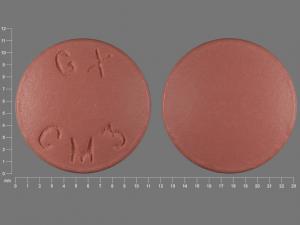
Malarone
Generic name: atovaquone and proguanil [ a-TOE-va-kwone-and-pro-GWAHN-il ]
Brand names: Malarone, Malarone Pediatric
Drug class: Antimalarial combinations
Medically reviewed by Drugs.com. Last updated on Aug 13, 2024.
What is Malarone?
Malarone contains a combination of atovaquone and proguanil. Atovaquone and proguanil are medications used to treat malaria, a disease caused by parasites. Malarone works by interfering with the growth of parasites in the red blood cells of the human body.
Parasites that cause malaria typically enter the body through the bite of a mosquito. Malaria is common in areas such as Africa, South America, and Southern Asia.
Malarone is used to treat or prevent malaria.
Malarone may also be used for purposes not listed in this medication guide.
Warnings
You should not use Malarone if you are allergic to atovaquone or proguanil. You should not use Malarone to prevent malaria if you have severe kidney disease.
Before using Malarone, tell your doctor if you have liver or kidney disease, severe complications from infection with malaria, or uncontrolled vomiting or diarrhea.
Take Malarone at the same time each day with food or a milky drink. If you vomit within 1 hour after taking this medication, take another dose. If your vomiting continues, call your doctor.
If you are taking Malarone to prevent malaria, start taking it 1 or 2 days before entering an area where malaria is common. Take the medication every day during your stay and for at least 7 days after you leave. If you stop taking the medicine early for any reason, contact a healthcare professional about another form of malaria prevention.
If you are taking this medicine to treat malaria, take the medication every day for 3 days in a row.
Take Malarone for the full prescribed length of time. Your symptoms may improve before the infection is completely cleared.
In addition to taking Malarone, use protective clothing, insect repellents, and mosquito netting around your bed to further prevent mosquito bites that could cause malaria.
Contact your doctor as soon as possible if you have been exposed to malaria, or if you have a fever or other symptoms of illness during or after a stay in an area where malaria is common.
No medication is 100% effective in treating or preventing malaria. For best results, keep using the medication as directed. Talk with your doctor if you have fever, vomiting, or diarrhea during your treatment.
Before taking this medicine
You should not use Malarone if you are allergic to atovaquone or proguanil. You should not use this medication to prevent malaria if you have severe kidney disease.
To make sure you can safely take Malarone, tell your doctor if you have any of these other conditions:
-
kidney disease;
-
liver disease;
-
severe complications from malaria; or
-
uncontrolled vomiting or diarrhea.
FDA pregnancy category C. It is not known whether Malarone will harm an unborn baby. Tell your doctor if you are pregnant or plan to become pregnant while using Malarone. Malaria is more likely to cause death in a pregnant woman. If you are pregnant, talk with your doctor about the risks of traveling to areas where malaria is common. Atovaquone and proguanil can pass into breast milk and may harm a nursing baby. Do not use Malarone without telling your doctor if you are breast-feeding a baby. Malarone should not be used to treat malaria in a child who weighs less than 11 pounds, and should not be used to prevent malaria in a child who weighs less than 24 pounds.
How should I take Malarone?
Take Malarone exactly as prescribed by your doctor. Do not take in larger or smaller amounts or for longer than recommended. Follow the directions on your prescription label.
Use Malarone regularly to best prevent malaria. If you stop using the medication early for any reason, talk to your doctor about other forms of malaria prevention.
Take Malarone at the same time each day with food or a milky drink. If you vomit within 1 hour after taking this medication, take another dose. If your vomiting continues, call your doctor.
If you are taking this medicine to prevent malaria:
-
Start taking the medicine 1 or 2 days before entering an area where malaria is common. Continue taking the medicine every day during your stay and for at least 7 days after you leave the area.
-
If you stop taking the medicine early for any reason, contact a healthcare professional about another form of malaria prevention.
If you are taking this medicine to treat malaria:
-
Take the medicine every day for 3 days in a row.
-
Take Malarone for the full prescribed length of time. Your symptoms may improve before the infection is completely cleared.
In addition to taking Malarone, use protective clothing, insect repellents, and mosquito netting around your bed to further prevent mosquito bites that could cause malaria.
To be sure Malarone is not causing harmful effects, your liver function will need to be checked with frequent blood tests. Visit your doctor regularly.
Contact your doctor as soon as possible if you have been exposed to malaria, or if you have fever or other symptoms of illness during or after a stay in an area where malaria is common.
No medication is 100% effective in treating or preventing malaria. For best results, keep using the medication as directed. Talk with your doctor if you have fever, vomiting, or diarrhea during your treatment.
Store Malarone at room temperature away from moisture and heat.
What happens if I miss a dose?
Take the missed dose as soon as you remember. Skip the missed dose if it is almost time for your next scheduled dose. Do not take extra medicine to make up the missed dose.
What happens if I overdose?
Seek emergency medical attention or call the Poison Help line at 1-800-222-1222.
Overdose symptoms may include stomach discomfort, vomiting, mouth sores, hair loss, easy bruising or bleeding, and peeling of the skin on your hands or feet.
What should I avoid?
Follow your doctor's instructions about any restrictions on food, beverages, or activity.
Malarone side effects
Get emergency medical help if you have any of these signs of an allergic reaction to Malarone: hives; difficulty breathing; swelling of your face, lips, tongue, or throat. Call your doctor at once if you have a serious side effect such as:
-
severe or uncontrolled vomiting or diarrhea;
-
fever, mouth sores;
-
problems with speech, balance, or walking;
-
severe skin rash;
-
nausea, stomach pain, loss of appetite, dark urine, clay-colored stools, jaundice (yellowing of the skin or eyes); o
-
easy bruising, unusual bleeding (nose, mouth, vagina, or rectum), purple or red pinpoint spots under your skin.
Less serious Malarone side effects may include:
-
mild stomach pain or upset stomach;
-
mild diarrhea;
-
headache;
-
mild itching;
-
weakness; or
-
dizziness.
This is not a complete list of side effects and others may occur. Call your doctor for medical advice about side effects. You may report side effects to FDA at 1-800-FDA-1088.
What other drugs will affect Malarone?
Tell your doctor about all other medicines you use, especially:
-
a blood thinner such as warfarin (Coumadin);
-
rifabutin (Mycobutin);
-
rifampin (Rifadin, Rifater, Rifamate, Rimactane);
-
tetracycline (Brodspec, Panmycin, Sumycin, Tetracap); or
-
metoclopramide (Reglan).
This list is not complete and other drugs may interact with Malarone. Tell your doctor about all medications you use. This includes prescription, over-the-counter, vitamin, and herbal products. Do not start a new medication without telling your doctor.
More about Malarone (atovaquone / proguanil)
- Check interactions
- Compare alternatives
- Pricing & coupons
- Reviews (43)
- Drug images
- Side effects
- Dosage information
- During pregnancy
- Generic availability
- Drug class: antimalarial combinations
- En español
Professional resources
Other formulations
Related treatment guides
Further information
Remember, keep this and all other medicines out of the reach of children, never share your medicines with others, and use this medication only for the indication prescribed.
Always consult your healthcare provider to ensure the information displayed on this page applies to your personal circumstances.
Copyright 1996-2024 Cerner Multum, Inc. Version: 5.01.