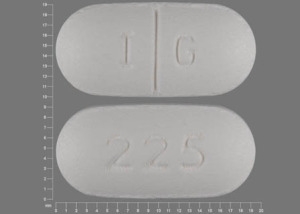
Gemfibrozil Side Effects
Medically reviewed by Drugs.com. Last updated on Jul 16, 2024.
Applies to gemfibrozil: oral tablet.
Precautions
It is very important that your doctor check your progress at regular visits. This will allow your doctor to see if the medicine is working properly to lower your cholesterol and triglyceride (fat) levels and to decide if you should continue to take it. Blood and urine tests may be needed to check for unwanted effects.
Do not use this medicine together with dasabuvir, repaglinide, or simvastatin. Using these medicines together may cause serious unwanted effects.
This medicine may increase your risk of having gallstones. Check with your doctor right away if you have severe stomach pain with nausea and vomiting.
Check with your doctor right away if you have unexplained muscle pain, tenderness, or weakness, especially if you also have unusual tiredness or a fever. These could be symptoms of a serious muscle problem called myopathy.
Check with your doctor right away if you have dark-colored urine, diarrhea, a fever, muscle cramps or spasms, muscle pain or stiffness, or feel very tired or weak. These could be symptoms of a serious muscle problem called rhabdomyolysis, which can cause kidney problems.
Do not Stop taking gemfibrozil without first checking with your doctor. When you Stop taking gemfibrozil, your blood cholesterol levels may increase again. Your doctor may want you to follow a special diet to help prevent this from happening.
Do not take other medicines unless they have been discussed with your doctor. This includes prescription or nonprescription (over-the-counter [OTC]) medicines and herbal or vitamin supplements.
Serious side effects of gemfibrozil
Along with its needed effects, gemfibrozil may cause some unwanted effects. Although not all of these side effects may occur, if they do occur they may need medical attention.
Check with your doctor immediately if any of the following side effects occur while taking gemfibrozil:
More common side effects
- bladder pain
- bloody or cloudy urine
- cough or hoarseness
- difficult, burning, or painful urination
- fever or chills
- frequent urge to urinate
- lower back or side pain
Incidence not known
- black, tarry stools
- chest pain
- dark-colored urine
- indigestion
- large, hive-like swelling on the face, eyelids, lips, tongue, throat, hands, legs, feet, or sex organs
- muscle cramps or spasms
- muscle pain or stiffness
- muscular pain, tenderness, wasting, or weakness
- pale skin
- severe nausea or vomiting
- shortness of breath
- sore throat
- sores, ulcers, or white spots on the lips or in the mouth
- stomach pain
- swollen glands
- troubled breathing with exertion
- unusual bleeding or bruising
- unusual tiredness or weakness
Other side effects of gemfibrozil
Some side effects of gemfibrozil may occur that usually do not need medical attention. These side effects may go away during treatment as your body adjusts to the medicine. Also, your health care professional may be able to tell you about ways to prevent or reduce some of these side effects.
Check with your health care professional if any of the following side effects continue or are bothersome or if you have any questions about them:
More common side effects
- acid or sour stomach
- bad, unusual, or unpleasant (after) taste
- belching
- burning, crawling, itching, numbness, prickling, "pins and needles", or tingling feelings
- change in taste
- diarrhea
- heartburn
- stomach discomfort or upset
Less common side effects
- difficulty having a bowel movement (stool)
- dizziness or lightheadedness
- feeling of constant movement of self or surroundings
- headache
- nausea
- sensation of spinning
- skin rash, encrusted, scaly and oozing
- vomiting
See also:
Lipitor
Lipitor is used to treat high cholesterol. Learn about side effects, interactions and indications.
Crestor
Crestor (rosuvastatin) is used to treat high cholesterol and high triglycerides in the blood ...
Dupixent
Dupixent is used to treat eczema, eosinophilic or oral-corticosteroid-dependent asthma, chronic ...
Zetia
Zetia (ezetimibe) is used to treat high cholesterol. Includes Zetia side effects, interactions and ...
Zocor
Zocor (simvastatin) reduces low-density lipoprotein cholesterol and total cholesterol in the blood ...
Colesevelam
Colesevelam is used for diarrhea, chronic, high cholesterol, hyperlipoproteinemia ...
Niacin
Niacin is used to lower cholesterol and triglycerides. Learn about side effects, interactions and ...
Lovastatin
Lovastatin is used for high cholesterol, high cholesterol, familial heterozygous ...
Simvastatin
Simvastatin (Zocor) is a cholesterol-lowering medication that blocks the production of cholesterol ...
For healthcare professionals
Applies to gemfibrozil: compounding powder, oral tablet.
General adverse events
The most frequently reported side effects were gastrointestinal reactions and included dyspepsia, abdominal pain, diarrhea, nausea, vomiting, acute appendicitis, constipation, and flatulence.[Ref]
Gastrointestinal
- Very common (10% or more): Dyspepsia (19.6%)
- Common (1% to 10%): Abdominal pain, acute appendicitis, diarrhea, nausea, vomiting, constipation, flatulence
- Rare (less than 0.1%): Pancreatitis
- Frequency not reported: Colitis[Ref]
Nervous system
- Common (1% to 10%): Headache
- Rare (less than 0.1%): Peripheral neuropathy, paresthesia, dizziness, somnolence
- Frequency not reported: Peripheral neuritis, convulsions, syncope, hyperesthesia, taste perversion, intracerebral hemorrhage[Ref]
Hepatic
- Rare (less than 0.1%): Hepatitis, cholestatic jaundice, cholelithiasis, cholecystitis, hepatic function abnormal
- Frequency not reported: ALT increased, AST increased, bilirubin increased, alkaline phosphatase increased[Ref]
Cardiovascular
- Uncommon (0.1% to 1%): Atrial fibrillation
- Frequency not reported: Extrasystoles, vasculitis, peripheral vascular disease[Ref]
Dermatologic
- Common (1% to 10%): Eczema, rash
- Rare (less than 0.1%): Angioedema, urticaria, exfoliative dermatitis, dermatitis, pruritus, alopecia, photosensitivity reaction[Ref]
Other
- Common (1% to 10%): Fatigue, vertigo
- Rare (less than 0.1%): Creatine phosphokinase increased
- Frequency not reported: Weight loss, viral infections, bacterial infections[Ref]
Musculoskeletal
- Rare (less than 0.1%): Myopathy, myalgia, painful extremities, arthralgia, synovitis, rhabdomyolysis, myositis, muscular weakness
- Frequency not reported: Lupus-like syndrome, myasthenia[Ref]
Hematologic
- Rare (less than 0.1%): Bone marrow failure, severe anemia, thrombocytopenia, leukopenia, eosinophilia, hemoglobin decreased, hematocrit decreased, WBC decreased
- Frequency not reported: Anemia, bone marrow hypoplasia[Ref]
Ocular
- Rare (less than 0.1%): Blurred vision
- Frequency not reported: Retinal edema, cataracts[Ref]
Genitourinary
- Rare (less than 0.1%): Erectile dysfunction
- Frequency not reported: Impotence, male fertility decreased[Ref]
Psychiatric
- Rare (less than 0.1%): Libido decreased, depression
- Frequency not reported: Confusion[Ref]
Respiratory
- Rare (less than 0.1%): Laryngeal edema[Ref]
Renal
- Frequency not reported: Renal dysfunction, renal failure[Ref]
Oncologic
- Frequency not reported: Hepatoma[Ref]
Immunologic
- Frequency not reported: Positive antinuclear antibody, anaphylaxis[Ref]
References
1. (2002) "Product Information. Lopid (gemfibrozil)." Parke-Davis
2. Cerner Multum, Inc. "UK Summary of Product Characteristics."
3. Cerner Multum, Inc. "Australian Product Information."
Frequently asked questions
More about gemfibrozil
- Check interactions
- Compare alternatives
- Pricing & coupons
- Reviews (27)
- Drug images
- Dosage information
- During pregnancy
- Drug class: fibric acid derivatives
- Breastfeeding
- En español
Patient resources
Other brands
Professional resources
Other brands
Related treatment guides
Further information
Gemfibrozil side effects can vary depending on the individual. Always consult your healthcare provider to ensure the information displayed on this page applies to your personal circumstances.
Note: Medication side effects may be underreported. If you are experiencing side effects that are not listed, submit a report to the FDA by following this guide.