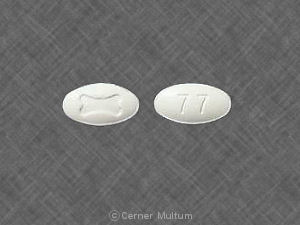
Fosamax Side Effects
Generic name: alendronate
Medically reviewed by Drugs.com. Last updated on Aug 25, 2025.
Note: This document provides detailed information about Fosamax Side Effects associated with alendronate. Some dosage forms listed on this page may not apply specifically to the brand name Fosamax.
Applies to alendronate: oral solution, oral tablet, oral tablet effervescent.
Precautions
If you will be taking this medicine for a long time, it is very important that your doctor check your progress at regular visits to make sure this medicine is working properly and watch for unwanted effects.
This medicine can irritate your esophagus. Call your doctor right away if you think this medicine has started to damage your esophagus. Some symptoms of damage to the esophagus are heartburn (either new or worse than usual), pain when swallowing, pain in the center of your chest, trouble swallowing, or feeling that food gets stuck on the way to your stomach.
It is important that you tell all of your health care providers that you are taking alendronate (the active ingredient contained in Fosamax). If you are having a dental procedure while taking alendronate, you may have an increased chance of having a severe problem with your jaw.
Make sure you tell your doctor about any new medical problems, especially with your teeth or jaws. Tell your doctor if you have severe bone, joint, or muscle pain while using this medicine.
This medicine could lower the amount of calcium in your blood. Call your doctor right away if you develop any signs of low calcium levels, such as muscle spasms or twitching, or numbness or tingling in your fingers, toes, or lips.
This medicine may increase your risk of developing fractures of the thigh bone. This may be more common if you use it for a long time. Check with your doctor right away if you have a dull or aching pain in the thighs, groin, or hips.
Do not take other medicines unless they have been discussed with your doctor. This includes prescription or nonprescription (over-the-counter [OTC]) medicines and herbal or vitamin supplements.
Serious side effects of Fosamax
Along with its needed effects, alendronate may cause some unwanted effects. Although not all of these side effects may occur, if they do occur they may need medical attention.
Check with your doctor immediately if any of the following side effects occur while taking alendronate:
More common side effects
- stomach pain
Less common side effects
- difficulty with swallowing
- heartburn
- irritation or pain of the esophagus
- muscle pain
Rare side effects
- skin rash
Incidence not known
- blistering, peeling, or loosening of the skin
- bloating or swelling of the face, arms, hands, lower legs, or feet
- bone, joint, or muscle pain, severe and occasionally incapacitating
- chest pain
- chills
- confusion
- convulsions
- cough
- diarrhea
- difficulty with breathing
- difficulty with moving
- heartburn
- heavy jaw feeling
- hives or welts
- irregular heartbeats
- itching
- joint pain
- large, hive-like swelling on the face, eyelids, lips, tongue, throat, hands, legs, feet, or sex organs
- loosening of a tooth
- muscle aching or cramping
- muscle cramps in the hands, arms, feet, legs, or face
- numbness and tingling around the mouth, fingertips, or feet
- pain or burning in the throat
- pain, swelling, or numbness in the mouth or jaw
- rapid weight gain
- red skin lesions, often with a purple center
- red, irritated eyes
- redness of the skin
- sore throat
- sores, ulcers, or white spots on the lips or tongue or inside the mouth
- stomach cramps
- swollen joints
- tingling of the hands or feet
- tremor
- trouble breathing
- unusual tiredness or weakness
- unusual weight gain or loss
- vomiting
Other side effects of Fosamax
Some side effects of alendronate may occur that usually do not need medical attention. These side effects may go away during treatment as your body adjusts to the medicine. Also, your health care professional may be able to tell you about ways to prevent or reduce some of these side effects.
Check with your health care professional if any of the following side effects continue or are bothersome or if you have any questions about them:
Less common side effects
- constipation
- diarrhea
- full or bloated feeling
- gas
- headache
- nausea
Incidence not known
- blurred vision or other change in vision
- dizziness or lightheadedness
- eye pain
- feeling of constant movement of self or surroundings
- general feeling of discomfort or illness
- hair loss or thinning of the hair
- sensation of spinning
- sensitivity of the eye to light
- tearing
See also:
For healthcare professionals
Applies to alendronate: oral solution, oral tablet, oral tablet effervescent.
General adverse events
Generally, this drug has been well tolerated. Adverse effects usually have been mild when patients adhered to prescribing instructions.[Ref]
Musculoskeletal
- Very common (10% or more): Bone, muscle or joint pain (sometimes severe)
- Common (1% to 10%): Muscle cramp, joint swelling
- Rare (less than 0.1%): Osteonecrosis of the jaw, atypical subtrochanteric and diaphyseal femoral fractures
- Postmarketing reports: Myalgia, low-energy femoral shaft and subtrochanteric fractures[Ref]
Dermatologic
- Common (1% to 10%): Alopecia, pruritus
- Uncommon (0.1% to 1%): Rash, erythema
- Rare (less than 0.1%): Rash with photosensitivity, severe skin reactions including Stevens-Johnson syndrome and toxic epidermal necrolysis[Ref]
Gastrointestinal
- Common (1% to 10%): Abdominal pain, dyspepsia, acid regurgitation, nausea, abdominal distension, constipation, diarrhea, flatulence, esophageal ulcer, gastritis, gastroesophageal reflux
- Uncommon (0.1% to 1%): Gastric ulcer, esophagitis, esophageal erosions, melena, dysphagia, vomiting
- Rare (less than 0.1%): Esophageal stricture, oropharyngeal ulceration, upper gastrointestinal PUB (perforation, ulcers, bleeding)
- Postmarketing reports: Localized osteonecrosis of the jaw, generally associated with tooth extraction and/or local infection with delayed healing[Ref]
Nervous system
- Common (1% to 10%): Headache, dizziness
- Uncommon (0.1% to 1%): Dysgeusia[Ref]
Other
- Common (1% to 10%): Vertigo, asthenia, peripheral edema
- Uncommon (0.1% to 1%): Transient symptoms of myalgia, malaise and rarely, typically in association with initiation of treatment[Ref]
Ocular
- Uncommon (0.1% to 1%): Eye inflammation (uveitis, scleritis, episcleritis)[Ref]
Metabolic
- Rare (less than 0.1%): Symptomatic hypocalcemia (often in association with predisposing conditions)[Ref]
Hypersensitivity
- Rare (less than 0.1%): Urticaria, angioedema[Ref]
Respiratory
- Postmarketing reports: Acute asthma exacerbations[Ref]
References
1. (2001) "Product Information. Fosamax (alendronate)." Merck & Co., Inc
2. Bauer DC, Black D, Ensrud K, Thompson D, Hochberg M, Nevitt M, Musliner T, Freedholm D (2000) "Upper gastrointestinal tract safety profile of alendronate - The Fracture Intervention Trial." Arch Intern Med, 160, p. 517-25
3. Lowe CE, Depew WT, Vanner SJ, Paterson WG, Meddings JB (2000) "Upper gastrointestinal toxicity of alendronate." Am J Gastroenterol, 95, p. 634-40
4. Cerner Multum, Inc. "Australian Product Information."
5. Liberman UA, Weiss SR, Broll J, et al. (1995) "Effect of oral alendronate on bone mineral density and the incidence of fractures in postmenopausal osteoporosis." N Engl J Med, 333, p. 1437-43
6. Ringe JD (1998) "The interpretation of preclinical data in predicting bisphosphonate response in the treatment of osteoporosis." Clin Ther, 20, p. 648-60
7. Ravn P, Bidstrup M, Wasnich RD, et al. (1999) "Alendronate and estrogen-progestin in the long-term prevention of bone loss: four-year results from the early postmenopausal intervention cohort study: a randomized, controlled trial." Ann Intern Med, 131, p. 935-42
8. Cerner Multum, Inc. "UK Summary of Product Characteristics."
9. Chesnut CH 3rd, McClung MR, Ensrud KE, Bell NH, Genant HK, Harris ST, Singer FR, Stock JL, Yood RA, Delmas PD, et al. (1995) "Alendronate treatment of the postmenopausal osteoporotic woman: effect of multiple dosages on bone mass and bone remodeling." Am J Med, 99, p. 144-52
10. Adami S, Mian M, Gatti P, Rossini M, Zamberlan N, Bertoldo F, Lo Cascio V (1994) "Effects of two oral doses of alendronate in the treatment of Paget's disease of bone." Bone, 15, p. 415-7
11. Maconi G, Porro GB (1995) "Multiple ulcerative esophagitis caused by alendronate." Am J Gastroenterol, 90, p. 1889-90
12. Nightingale SL (1996) "Important information regarding alendronate adverse reactions." JAMA, 275, p. 1534
13. Abdelmalek MF, Douglas DD (1996) "Alendronate-induced ulcerative esophagitis." Am J Gastroenterol, 91, p. 1282-3
14. Devogelaer JP (1996) "Oral alendronate induces progressive increases in bone mass of the spine, hip, and total body over 3 years in postmenopausal women with osteoporosis (vol 18, pg 141, 1996)." Bone, 19, p. 78
15. Castell DO (1996) ""Pill esophagitis"--the case of alendronate." N Engl J Med, 335, p. 1058-9
16. Liberman UA, Hirsch LJ (1996) "Esophagitis and alendronate." N Engl J Med, 335, p. 1069-70
17. Degroen PC, Lubbe DF, Hirsch LJ, Daifotis A, Stephenson W, Freedholm D, Pryortillotson S, Seleznick MJ, Pinkas H, Wang KK (1996) "Esophagitis associated with the use of alendronate." N Engl J Med, 335, p. 1016-21
18. Colina RE, Smith M, Kikendall JW, Wong RK (1997) "A new probable increasing cause of esophageal ulceration: alendronate." Am J Gastroenterol, 92, p. 704-6
19. Rimmer DE, Rawls DE (1996) "Improper alendronate administration and a case of pill esophagitis." Am J Gastroenterol, 91, p. 2648-9
20. Levine J, Nelson D (1997) "Esophageal stricture associated with alendronate therapy." Am J Med, 102, p. 489-91
21. Cameron RB (1997) "Esophagitis dissecans superficialis and alendronate: case report." Gastrointest Endosc, 46, p. 562-3
22. Lourwood DL (1998) "The pharmacology and therapeutic utility of bisphosphonates." Pharmacotherapy, 18, p. 779-89
23. Yue QY, Mortimer O (1998) "Alendronate - Risk for esophageal stricture." J Am Geriat Soc, 46, p. 1581-2
24. Watts NB, Becker P (1999) "Alendronate increases spine and hip bone mineral density in women with postmenopausal osteoporosis who failed to respond to intermittent cyclical etidronate." Bone, 24, p. 65-8
25. Cummings SR, Black DM, Thompson DE, et al. (1998) "Effect of alendronate on risk of fracture in women with low bone density but without vertebral fractures: results from the fracture intervention trial." JAMA, 280, p. 2077-82
26. McClung M, Clemmesen B, Daifortis A, et al. (1998) "Alendronate prevents postmenopausal bone loss in women without osteoporosis: a double-blind, randomized, controlled trial." Ann Intern Med, 128, p. 253-61
27. Wallace JL (1999) "Upper gastrointestinal ulceration with alendronate." Digest Dis Sci, 44, p. 311-2
28. Peter CP (1999) "Upper gastrointestinal ulceration with alendronate - Response." Digest Dis Sci, 44, p. 312-3
29. Beauchesne MF, Miller PF (1999) "Etidronate and alendronate in the treatment of postmenopausal osteoporosis." Ann Pharmacother, 33, p. 587-99
30. Bone HG, Greenspan SL, McKeever C, Bell N, Davidson M, Downs RW, Emkey R, Meunier PJ, Miller SS, Mulloy AL, Recker RR, We (2000) "Alendronate and estrogen effects in postmenopausal women with low bone mineral density." J Clin Endocrinol Metab, 85, p. 720-6
31. Graham DY, Malaty HM (2001) "Alendronate and naproxen are synergistic for development of gastric ulcers." Arch Intern Med, 161, p. 107-10
32. Miller PD, Woodson G, Licata AA, Ettinger MP, Mako B, Smith ME, Wang LX, Yates J, Melton ME, Palmisano JJ (2000) "Rechallenge of patients who had discontinued alendronate therapy because of upper gastrointestinal symptoms." Clin Ther, 22, p. 1433-42
33. Graham, Malaty (2001) "Alendronate and naproxen are synergistic for development of gastric ulcers (Vol 161, pg 107, 1921)." Arch Intern Med, 161, p. 1862
34. Famularo G, De Simone C (2001) "Fatal esophageal perforation with alendronate." Am J Gastroenterol, 96, p. 3212-3
35. Lanza F, Sahba B, Schwartz H, et al. (2002) "The upper GI safety and tolerability of oral alendronate at a dose of 70 milligrams once weekly: a placebo-controlled endoscopy study." Am J Gastroenterol, 97, p. 58-64
36. Solomon DH, Patrick A, Brookhart MA (2009) "More on reports of esophageal cancer with oral bisphosphonate use." N Engl J Med, 360, 1789-90; author reply 1791-2
37. Nussbaum SR, Warrell RP Jr, Rude R, Glusman J, Bilezikian JP, Stewart AF, Stepanavage M, Sacco JF, Averbuch SD, Gertz BJ (1993) "Dose-response study of alendronate sodium for the treatment of cancer- associated hypercalcemia." J Clin Oncol, 11, p. 1618-23
38. Mbekeani JN, Slamovits TL, Schwartz BH, Sauer HL (1999) "Ocular inflammation associated with alendronate therapy." Arch Ophthalmol, 117, p. 837-8
39. Isik A, Uras I, Uyar ME, Karakurt F, Kaftan O (2009) "Alendronate-induced asthma." Ann Pharmacother, 43, p. 547-8
Frequently asked questions
More about Fosamax (alendronate)
- Check interactions
- Compare alternatives
- Pricing & coupons
- Reviews (77)
- Drug images
- Dosage information
- Patient tips
- During pregnancy
- Generic availability
- Support group
- Drug class: bisphosphonates
- Breastfeeding
- En español
Patient resources
Other brands
Professional resources
Other brands
Other formulations
Related treatment guides
Further information
Fosamax side effects can vary depending on the individual. Always consult your healthcare provider to ensure the information displayed on this page applies to your personal circumstances.
Note: Medication side effects may be underreported. If you are experiencing side effects that are not listed, submit a report to the FDA by following this guide.