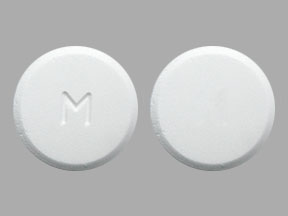
Binosto
Generic name: alendronate [ a-LEN-dro-nate ]
Brand names: Binosto, Fosamax
Drug class: Bisphosphonates
What is Binosto?
Binosto is a bisphosphonate (bis FOS fo nayt) medicine that alters bone formation and breakdown in the body. This can slow bone loss and may help prevent bone fractures.
Binosto is used in women to treat osteoporosis caused by menopause.
Binosto is also used to increase bone mass in men who have osteoporosis
Warnings
You should not take Binosto if you have problems with your esophagus, or low levels of calcium in your blood.
Do not take Binosto if you cannot sit upright or stand for at least 30 minutes after taking the medicine.
Binosto can cause serious problems in the stomach or esophagus. Stop using this medicine and call your doctor at once if you have chest pain, new or worsening heartburn, or pain when swallowing.
Also call your doctor if you have muscle spasms, numbness or tingling (in hands and feet or around the mouth), new or unusual hip pain, or severe pain in your joints, bones, or muscles.
Before taking this medicine
You should not take Binosto if you are allergic to alendronate, or if you have:
-
low levels of calcium in your blood (hypocalcemia); or
-
problems with the muscles in your esophagus (the tube that connects your mouth and stomach).
Do not take Binosto if you cannot sit upright or stand for at least 30 minutes. Alendronate can cause serious problems in the stomach or esophagus. You must stay upright for at least 30 minutes after taking this medicine.
To make sure this medicine is safe for you, tell your doctor if you have ever had:
-
trouble swallowing;
-
problems with your stomach or digestion;
-
hypocalcemia;
-
a dental problem (you may need a dental exam before you begin taking Binosto);
-
kidney disease; or
-
any condition that makes it hard for your body to absorb nutrients from food (malabsorption).
The Binosto effervescent tablet contains a lot of sodium. Tell your doctor if you are on a low-salt diet before using this form of alendronate.
Binosto may cause jaw bone problems (osteonecrosis). The risk is highest in people with cancer, blood cell disorders, pre-existing dental problems, or people treated with steroids, chemotherapy, or radiation. Ask your doctor about your own risk.
It is not known whether alendronate will harm an unborn baby. Tell your doctor if you are pregnant or trying to become pregnant. Stop using Binosto and tell your doctor right away if you become pregnant.
It may not be safe to breastfeed while using this medicine. Ask your doctor about any risk.
Related/similar drugs
alendronate, estradiol, Prolia, Fosamax, calcium carbonate, Premarin, Reclast
How should I take Binosto?
Take Binosto exactly as prescribed by your doctor. Alendronate is taken either once daily or once per week. Follow all directions on your prescription label. Do not take alendronate in larger or smaller amounts or for longer than recommended.
Do not swallow, chew, or suck on a Binosto effervescent tablet. This medicine only works if you take it on an empty stomach.
Take Binosto first thing in the morning, at least 30 minutes before you eat or drink anything or take any other medicine. Take this medicine on the same day each week and always first thing in the morning.
You must dissolve your Binosto effervescent tablet in plain water at room temperature before you take it.
To prepare your medicine:
-
Place the Binosto tablet in about a half glass (4 ounces) of plain water. The water should not be cold or hot, and should be at room temperature.
-
Wait at least 5 minutes after the bubbling (effervescence) stops for the tablet to completely dissolve in the water.
-
Stir the liquid medicine for about 10 seconds.
-
Drink all of the liquid medicine in the glass.
-
Add a little more water to the glass, swirl gently and drink right away.
For at least 30 minutes after taking Binosto:
-
Do not lie down or recline.
-
Do not take any other medicine including vitamins, calcium, or antacids.
Pay special attention to your dental hygiene while taking Binosto. Brush and floss your teeth regularly. If you need to have any dental work (especially surgery), tell the dentist ahead of time that you are using this medicine.
Binosto is only part of a complete program of treatment that may also include diet changes, exercise, bone mineral density testing, and taking calcium and vitamin supplements. Follow your doctor's instructions very closely.
Store at room temperature away from moisture and heat. Keep unused effervescent tablets in the foil blister pack.
Your doctor will determine how long to treat you with this medicine. Alendronate is often given for only 3 to 5 years.
Dosing information
Usual Adult Dose of Binosto for Osteoporosis:
Treatment of Osteoporosis in Postmenopausal Women; To Increase Bone Mass in Men with Osteoporosis:
-70 mg orally once a week
Uses:
-Treatment to increase bone mass and reduce the incidence of fractures including hip and spine (vertebral compression fractures) in postmenopausal women with osteoporosis
-Treatment to increase bone mass in men with osteoporosis
What happens if I miss a dose?
If you forget to take Binosto on your scheduled day, take it first thing in the morning on the day after you remember the missed dose. Then return to your regular weekly schedule on your chosen dose day. Do not take 2 doses in one day.
What happens if I overdose?
Drink a full glass of milk and seek emergency medical attention or call the Poison Help line at 1-800-222-1222. Do not make yourself vomit and do not lie down.
What to avoid
Avoid taking any other medicines for at least 30 minutes after taking Binosto. This includes vitamins, calcium, and antacids. Some medicines can make it harder for your body to absorb alendronate.
Avoid smoking, or try to quit. Smoking can reduce your bone mineral density, making fractures more likely.
Avoid drinking large amounts of alcohol. Heavy drinking can also cause bone loss.
Binosto side effects
Get emergency medical help if you have signs of an allergic reaction to Binosto: hives; wheezing, difficulty breathing; swelling of your face, lips, tongue, or throat.
Stop using Binosto and call your doctor at once if you have:
-
chest pain, new or worsening heartburn;
-
difficulty or pain when swallowing;
-
pain or burning under the ribs or in the back;
-
severe heartburn, burning pain in your upper stomach, or coughing up blood;
-
new or unusual pain in your thigh or hip;
-
jaw pain, numbness, or swelling;
-
severe joint, bone, or muscle pain; or
-
low calcium levels - muscle spasms or contractions, numbness or tingly feeling (around your mouth, or in your fingers and toes).
Common Binosto side effects may include:
-
heartburn, upset stomach;
-
stomach pain, nausea;
-
diarrhea, constipation; or
-
bone pain, muscle or joint pain.
This is not a complete list of side effects and others may occur. Call your doctor for medical advice about side effects. You may report side effects to FDA at 1-800-FDA-1088.
What other drugs will affect Binosto?
Tell your doctor about all your current medicines and any you start or stop using, especially:
-
aspirin; or
-
NSAIDs (nonsteroidal anti-inflammatory drugs) - ibuprofen (Advil, Motrin), naproxen (Aleve), celecoxib, diclofenac, indomethacin, meloxicam, and others.
This list is not complete. Other drugs may interact with alendronate, including prescription and over-the-counter medicines, vitamins, and herbal products. Not all possible interactions are listed in this medication guide. Talk with your doctor about the best dosing schedule for your other medicines.
Frequently asked questions
More about Binosto (alendronate)
- Check interactions
- Compare alternatives
- Pricing & coupons
- Drug images
- Side effects
- Dosage information
- Patient tips
- During pregnancy
- FDA approval history
- Drug class: bisphosphonates
- Breastfeeding
- En español
Patient resources
Other brands
Professional resources
Other brands
Related treatment guides
Further information
Remember, keep this and all other medicines out of the reach of children, never share your medicines with others, and use Binosto only for the indication prescribed.
Always consult your healthcare provider to ensure the information displayed on this page applies to your personal circumstances.
Copyright 1996-2024 Cerner Multum, Inc. Version: 17.01.