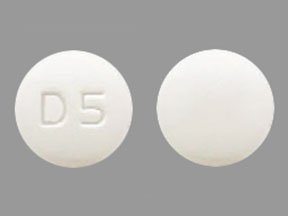
Fluphenazine Side Effects
Brand Names: Prolixin Decanoate, Prolixin
Please note - some side effects for Fluphenazine may not be reported. Always consult your doctor or healthcare specialist for medical advice. You may also report side effects to the FDA at http://www.fda.gov/medwatch/ or 1-800-FDA-1088 (1-800-332-1088).
Side Effects of Fluphenazine - for the Consumer
Fluphenazine
All medicines may cause side effects, but many people have no, or minor, side effects. Check with your doctor if any of these most COMMON side effects persist or become bothersome when using Fluphenazine:
Seek medical attention right away if any of these SEVERE side effects occur when using Fluphenazine:Agitation; bizarre dreams; constipation; dizziness; drowsiness; dry mouth; headache; loss of appetite; nausea; stuffy nose.
Severe allergic reactions (rash; hives; itching; difficulty breathing; tightness in the chest; swelling of the mouth, face, lips, or tongue); changes in menstrual period; changes in sexual ability; chest pain; dark urine; difficulty swallowing; drooling; fainting; fast or irregular heartbeat; fever, chills, or sore throat; involuntary movements or spasms of the arms, legs, tongue, face, mouth, or jaw; mask-like face; muscle restlessness; prolonged or painful erection; restlessness; seizures; severe constipation; severe or persistent dizziness; shuffling walk; sleeplessness; sore mouth or gums; stiff or rigid muscles; stomach pain; sweating; trouble urinating; unusual bruising or bleeding; unusual eye movements or inability to move eyes; unusual mood or mental changes, including lack of response to your surroundings; vision changes; weakness of arms or legs; yellowing of the skin or eyes.
Fluphenazine Decanoate
All medicines may cause side effects, but many people have no, or minor, side effects. Check with your doctor if any of these most COMMON side effects persist or become bothersome when using Fluphenazine Decanoate:
Seek medical attention right away if any of these SEVERE side effects occur when using Fluphenazine Decanoate:Agitation; bizarre dreams; constipation; dizziness; drowsiness; dry mouth; headache; loss of appetite; nausea; stuffy nose.
Severe allergic reactions (rash; hives; itching; difficulty breathing; tightness in the chest; swelling of the mouth, face, lips, or tongue); changes in menstrual period; changes in sexual ability; chest pain; dark urine; difficulty swallowing; drooling; fainting; fast or irregular heartbeat; fever, chills, or sore throat; involuntary movements or spasms of the arms, legs, tongue, face, mouth, or jaw; mask-like face; muscle restlessness; prolonged or painful erection; restlessness; seizures; severe constipation; severe or persistent dizziness; shuffling walk; sleeplessness; sore mouth or gums; stiff or rigid muscles; stomach pain; sweating; trouble urinating; unusual bruising or bleeding; unusual eye movements or inability to move eyes; unusual mood or mental changes, including lack of response to your surroundings; vision changes; weakness of arms or legs; yellowing of the skin or eyes.
Fluphenazine Concentrate
All medicines may cause side effects, but many people have no, or minor, side effects. Check with your doctor if any of these most COMMON side effects persist or become bothersome when using Fluphenazine Concentrate:
Seek medical attention right away if any of these SEVERE side effects occur when using Fluphenazine Concentrate:Agitation; bizarre dreams; constipation; dizziness; drowsiness; dry mouth; headache; loss of appetite; nausea; stuffy nose.
Severe allergic reactions (rash; hives; itching; difficulty breathing; tightness in the chest; swelling of the mouth, face, lips, or tongue); changes in menstrual period; changes in sexual ability; chest pain; dark urine; difficulty swallowing; drooling; fainting; fast or irregular heartbeat; fever, chills, or sore throat; involuntary movements or spasms of the arms, legs, tongue, face, mouth, or jaw; mask-like face; muscle restlessness; prolonged or painful erection; restlessness; seizures; severe constipation; severe or persistent dizziness; shuffling walk; sleeplessness; sore mouth or gums; stiff or rigid muscles; stomach pain; sweating; trouble urinating; unusual bruising or bleeding; unusual eye movements or inability to move eyes; unusual mood or mental changes, including lack of response to your surroundings; vision changes; weakness of arms or legs; yellowing of the skin or eyes.
Fluphenazine Elixir
All medicines may cause side effects, but many people have no, or minor, side effects. Check with your doctor if any of these most COMMON side effects persist or become bothersome when using Fluphenazine Elixir:
Seek medical attention right away if any of these SEVERE side effects occur when using Fluphenazine Elixir:Agitation; bizarre dreams; constipation; dizziness; drowsiness; dry mouth; headache; loss of appetite; nausea; stuffy nose.
Severe allergic reactions (rash; hives; itching; difficulty breathing; tightness in the chest; swelling of the mouth, face, lips, or tongue); changes in menstrual period; changes in sexual ability; chest pain; dark urine; difficulty swallowing; drooling; fainting; fast or irregular heartbeat; fever, chills, or sore throat; involuntary movements or spasms of the arms, legs, tongue, face, mouth, or jaw; mask-like face; muscle restlessness; prolonged or painful erection; restlessness; seizures; severe constipation; severe or persistent dizziness; shuffling walk; sleeplessness; sore mouth or gums; stiff or rigid muscles; stomach pain; sweating; trouble urinating; unusual bruising or bleeding; unusual eye movements or inability to move eyes; unusual mood or mental changes, including lack of response to your surroundings; vision changes; weakness of arms or legs; yellowing of the skin or eyes.
Fluphenazine Tablets
All medicines may cause side effects, but many people have no, or minor, side effects. Check with your doctor if any of these most COMMON side effects persist or become bothersome when using Fluphenazine Tablets:
Seek medical attention right away if any of these SEVERE side effects occur when using Fluphenazine Tablets:Agitation; bizarre dreams; constipation; dizziness; drowsiness; dry mouth; headache; loss of appetite; nausea; stuffy nose.
TopSevere allergic reactions (rash; hives; itching; difficulty breathing; tightness in the chest; swelling of the mouth, face, lips, or tongue); changes in menstrual period; changes in sexual ability; chest pain; dark urine; difficulty swallowing; drooling; fainting; fast or irregular heartbeat; fever, chills, or sore throat; involuntary movements or spasms of the arms, legs, tongue, face, mouth, or jaw; mask-like face; muscle restlessness; prolonged or painful erection; restlessness; seizures; severe constipation; severe or persistent dizziness; shuffling walk; sleeplessness; sore mouth or gums; stiff or rigid muscles; stomach pain; sweating; trouble urinating; unusual bruising or bleeding; unusual eye movements or inability to move eyes; unusual mood or mental changes, including lack of response to your surroundings; vision changes; weakness of arms or legs; yellowing of the skin or eyes.
Fluphenazine Side Effects - for the Professional
Fluphenazine
Central Nervous System
The side effects most frequently reported with phenothiazine compounds are extrapyramidal symptoms including pseudoparkinsonism, dystonia, dyskinesia, akathisia, oculogyric crises, opisthotonos, and hyperreflexia. Most often these extrapyramidal symptoms are reversible; however, they may be persistent. With any given phenothiazine derivative, the incidence and severity of such reactions depend more on individual patient sensitivity than on other factors, but dosage level and patient age are also determinants.
Extrapyramidal reactions may be alarming, and the patient should be forewarned and reassured. These reactions can usually be controlled by administration of antiparkinsonian drugs such as benztropine mesylate or intravenous caffeine and sodium benzoate injection, and by subsequent reduction in dosage.
Extrapyramidal Symptoms
DystoniaClass Effect: Symptoms of dystonia, prolonged abnormal contractions of muscle groups, may occur in susceptible individuals during the first few days of treatment. Dystonic symptoms include: spasm of the neck muscles, sometimes progressing to tightness of the throat, swallowing difficulty, difficulty breathing, and/or protrusion of the tongue. While these symptoms can occur at low doses, they occur more frequently and with greater severity with high potency and at higher doses of first generation antipsychotic drugs. An elevated risk of acute dystonia is observed in males and younger age groups.
Tardive Dyskinesia
See WARNINGS. The syndrome is characterized by involuntary choreoathetoid movements which variously involve the tongue, face, mouth, lips, or jaw (e.g., protrusion of the tongue, puffing of cheeks, puckering of the mouth, chewing movements), trunk and extremities. The severity of the syndrome and the degree of impairment produced vary widely.
The syndrome may become clinically recognizable either during treatment, upon dosage reduction, or upon withdrawal of treatment. Early detection of tardive dyskinesia is important. To increase the likelihood of detecting the syndrome at the earliest possible time, the dosage of neuroleptic drug should be reduced periodically (if clinically possible) and the patient observed for signs of the disorder. This maneuver is critical, since neuroleptic drugs may mask the signs of the syndrome.
Other CNS Effects
Occurrences of neuroleptic malignant syndrome (NMS) have been reported in patients on neuroleptic therapy; leukocytosis, elevated CPK, liver function abnormalities, and acute renal failure may also occur with NMS.
Drowsiness or lethargy, if they occur, may necessitate a reduction in dosage; the induction of a catatonic-like state has been known to occur with dosages of Fluphenazine far in excess of the recommended amounts. As with other phenothiazine compounds, reactivation or aggravation of psychotic processes may be encountered.
Phenothiazine derivatives have been known to cause, in some patients, restlessness, excitement, or bizarre dreams.
Autonomic Nervous System
Hypertension and fluctuations in blood pressure have been reported with Fluphenazine hydrochloride.
Hypotension has rarely presented a problem with Fluphenazine. However, patients with pheochromocytoma, cerebral vascular or renal insufficiency, or a severe cardiac reserve deficiency such as mitral insufficiency appear to be particularly prone to hypotensive reactions with phenothiazine compounds, and should therefore be observed closely when the drug is administered. If severe hypotension should occur, supportive measures including the use of intravenous vasopressor drugs should be instituted immediately. Norepinephrine bitartrate injection is the most suitable drug for this purpose; epinephrine should not be used since phenothiazine derivatives have been found to reverse its action, resulting in a further lowering of blood pressure.
Autonomic reactions including nausea and loss of appetite, salivation, polyuria, perspiration, dry mouth, headache, and constipation may occur. Autonomic effects can usually be controlled by reducing or temporarily discontinuing dosage.
In some patients, phenothiazine derivatives have caused blurred vision, glaucoma, bladder paralysis, fecal impaction, paralytic ileus, tachycardia, or nasal congestion.
Metabolic and Endocrine
Weight change, peripheral edema, abnormal lactation, gynecomastia, menstrual irregularities, false results on pregnancy tests, impotency in men and increased libido in women have all been known to occur in some patients on phenothiazine therapy.
Allergic Reactions
Skin disorders such as itching, erythema, urticaria, seborrhea, photosensitivity, eczema and even exfoliative dermatitis have been reported with phenothiazine derivatives. The possibility of anaphylactoid reactions occurring in some patients should be borne in mind.
Hematologic
Routine blood counts are advisable during therapy since blood dyscrasias including leukopenia, agranulocytosis, thrombocytopenic or nonthrombocytopenic purpura, eosinophilia, and pancytopenia have been observed with phenothiazine derivatives. Furthermore, if any soreness of the mouth, gums, or throat, or any symptoms of upper respiratory infection occur and confirmatory leukocyte count indicates cellular depression, therapy should be discontinued and other appropriate measures instituted immediately.
Hepatic
Liver damage as manifested by cholestatic jaundice may be encountered, particularly during the first months of therapy; treatment should be discontinued if this occurs. An increase in cephalin flocculation, sometimes accompanied by alterations in other liver function tests, has been reported in patients receiving Fluphenazine hydrochloride who have had no clinical evidence of liver damage.
Others
Sudden, unexpected and unexplained deaths have been reported in hospitalized psychotic patients receiving phenothiazines. Previous brain damage or seizures may be predisposing factors; high doses should be avoided in known seizure patients. Several patients have shown sudden flare-ups of psychotic behavior patterns shortly before death. Autopsy findings have usually revealed acute fulminating pneumonia or pneumonitis, aspiration of gastric contents, or intramyocardial lesions.
Although this is not a general feature of Fluphenazine, potentiation of central nervous system depressants (opiates, analgesics, antihistamines, barbiturates, alcohol) may occur.
The following adverse reactions have also occurred with phenothiazine derivatives: systemic lupus erythematosus-like syndrome, hypotension severe enough to cause fatal cardiac arrest, altered electrocardiographic and electroencephalographic tracings, altered cerebrospinal fluid proteins, cerebral edema, asthma, laryngeal edema, and angioneurotic edema; with long-term use–skin pigmentation, and lenticular and corneal opacities.
TopFluphenazine Injection
Central Nervous System
The side effects most frequently reported with phenothiazine compounds are extrapyramidal symptoms including pseudoparkinsonism, dystonia, dyskinesia, akathisia, oculogyric crises, opisthotonos, and hyperreflexia. Muscle rigidity sometimes accompanied by hyperthermia has been reported following use of Fluphenazine decanoate. Most often these extrapyramidal symptoms are reversible, however, they may be persistent. The frequency of such reactions is related in part to chemical structure: one can expect a higher incidence with Fluphenazine decanoate than with less potent piperazine derivatives or with straight-chain phenothiazines such as chlorpromazine. With any given phenothiazine derivative, the incidence and severity of such reactions depend more on individual patient sensitivity than on other factors, but dosage level and patient age are also determinants.
Extrapyramidal reactions may be alarming, and the patient should be forewarned and reassured. These reactions can usually be controlled by administration of antiparkinsonian drugs such as Benztropine Mesylate or intravenous Caffeine and Sodium Benzoate Injection, and by subsequent reduction in dosage.
DystoniaClass effect: Symptoms of dystonia, prolonged abnormal contractions of muscle groups, may occur in susceptible individuals during the first few days of treatment. Dystonic symptoms include: spasm of the neck muscles, sometimes progressing to tightness of the throat, swallowing difficulty, difficulty breathing, and/or protrusion of the tongue. While these symptoms can occur at low doses, they occur more frequently and with greater severity with high potency and at higher doses of first generation antipsychotic drugs. An elevated risk of acute dystonia is observed in males and younger age groups.
Tardive Dyskinesia
See WARNINGS. The syndrome is characterized by involuntary choreoathetoid movements which variously involve the tongue, face, mouth, lips, or jaw (e.g., protrusion of the tongue, puffing of the cheeks, puckering of the mouth, chewing movements), trunk and extremities. The severity of the syndrome and the degree of impairment produced vary widely.
The syndrome may become clinically recognizable either during treatment, upon dosage reduction, or upon withdrawal of treatment. Early detection of tardive dyskinesia is important. To increase the likelihood of detecting the syndrome at the earliest possible time, the dosage of neuroleptic drug should be reduced periodically (if clinically possible) and the patient observed for signs of the disorder. This maneuver is critical, since neuroleptic drugs may mask the signs of the syndrome.
Other CNS Effects
Occurrences of neuroleptic malignant syndrome (NMS) have been reported in patients on neuroleptic therapy); leukocytosis, elevated CPK, liver function abnormalities, and acute renal failure may also occur with NMS.
Drowsiness or lethargy, if they occur, may necessitate a reduction in dosage; the induction of a catatonic-like state has been known to occur with dosages of Fluphenazine far in excess of the recommended amounts. As with other phenothiazine compounds, reactivation or aggravation of psychotic processes may be encountered.
Phenothiazine derivatives have been known to cause, in some patients, restlessness, excitement, or bizarre dreams.
Autonomic Nervous System
Hypertension and fluctuations in blood pressure have been reported with Fluphenazine.
Hypotension has rarely presented a problem with Fluphenazine. However, patients with pheochromocytoma, cerebral vascular or renal insufficiency, or a severe cardiac reserve deficiency such as mitral insufficiency appear to be particularly prone to hypotensive reactions with phenothiazine compounds, and should therefore be observed closely when the drug is administered. If severe hypotension should occur, supportive measures including the use of intravenous vasopressor drugs should be instituted immediately. Levarterenol Bitartrate Injection is the most suitable drug for this purpose; epinephrine should not be used since phenothiazine derivatives have been found to reverse its action, resulting in a further lowering of blood pressure.
Autonomic reactions including nausea and loss of appetite, salivation, polyuria, perspiration, dry mouth, headache, and constipation may occur. Autonomic effects can usually be controlled by reducing or temporarily discontinuing dosage.
In some patients, phenothiazine derivatives have caused blurred vision, glaucoma, bladder paralysis, fecal impaction, paralytic ileus, tachycardia, or nasal congestion.
Metabolic and Endocrine
Weight change, peripheral edema, abnormal lactation, gynecomastia, menstrual irregularities, false results on pregnancy tests, impotency in men and increased libido in women have all been known to occur in some patients on phenothiazine therapy.
Allergic Reactions
Skin disorders such as itching, erythema, urticaria, seborrhea, photosensitivity, eczema and even exfoliative dermatitis have been reported with phenothiazine derivatives. The possibility of anaphylactoid reactions occurring in some patients should be borne in mind.
Hematologic
Routine blood counts are advisable during therapy since blood dyscrasias including leukopenia, agranulocytosis, thrombocytopenic or nonthrombocytopenic purpura, eosinophilia, and pancytopenia have been observed with phenothiazine derivatives. Furthermore, if any soreness of the mouth, gums, or throat, or any symptoms of upper respiratory infection occur and confirmatory leukocyte count indicates cellular depression, therapy should be discontinued and other appropriate measures instituted immediately.
Hepatic
Liver damage as manifested by cholestatic jaundice may be encountered, particularly during the first months of therapy; treatment should be discontinued if this occurs. An increase in cephalin flocculation, sometimes accompanied by alterations in other liver function tests, has been reported in patients receiving the enanthate ester of Fluphenazine (a closely related compound) who have had no clinical evidence of liver damage.
Others
Sudden, unexpected and unexplained deaths have been reported in hospitalized psychotic patients receiving phenothiazines. Previous brain damage or seizures may be predisposing factors; high doses should be avoided in known seizure patients. Several patients have shown sudden flare-ups of psychotic behavior patterns shortly before death. Autopsy findings have usually revealed acute fulminating pneumonia or pneumonitis, aspiration of gastric contents, or intramyocardial lesions.
Although this is not a general feature of Fluphenazine, potentiation of central nervous system depressants (opiates, analgesics, antihistamines, barbiturates, alcohol) may occur.
The following adverse reactions have also occurred with phenothiazine derivatives; systemic lupus erythematosus-like syndrome, hypotension severe enough to cause fatal cardiac arrest, altered electrocardiographic and electroencephalographic tracings, altered cerebrospinal fluid proteins, cerebral edema, asthma, laryngeal edema, and angioneurotic edema; with long-term use — skin pigmentation, and lenticular and corneal opacities.
Injections of Fluphenazine decanoate are extremely well tolerated, local tissue reactions occurring only rarely.
TopSide Effects by Body System
Nervous system
The drowsiness associated with fluphenazine therapy may resolve after several doses.
Tardive dyskinesia involves involuntary, dyskinetic, repetitive movements and may be more common in elderly women receiving fluphenazine. Tardive dyskinesia may be irreversible and is related to both the duration of therapy and the total amount of drug consumed. Frequent discontinuation and resumption of therapy may predispose patients to the development of tardive dyskinesia.
One study has suggested that the prevalence of tardive dyskinesia in patients receiving fluphenazine for more than two years is approximately 50% and is not different form the prevalence of tardive dyskinesia in patients taking other neuroleptics. Other studies have reported a lower prevalence.
Dystonias frequently involve tongue protrusions, muscle rigidity, torticollis, and opisthotonus. Dystonias usually resolve after neuroleptic discontinuation, but may require antihistamine and antiparkinsonian therapy if symptoms are severe of if respiration is compromised. Treatment of dystonic reactions and extrapyramidal effects, in addition to general supportive measures, may include judicious use of one or more of the following: benztropine, trihexyphenidyl, biperiden or diphenhydramine.
Pseudoparkinsonism involves flat facies, pill-rolling, shuffling gait, and cogwheel rigidity. Pseudoparkinsonism symptoms may respond to judicious use of one or more of the following: benztropine, trihexyphenidyl, biperiden or diphenhydramine.
Fever, altered consciousness, autonomic dysfunction and muscle rigidity are the hallmarks of the neuroleptic malignant syndrome. The neuroleptic malignant syndrome is associated with a case fatality rate of about 20%. Immediate discontinuation of neuroleptic therapy, consideration of dantrolene (or bromocriptine) administration as well as intensive monitoring and supportive care are indicated. (Case reports have suggested an association between the neuroleptic malignant syndrome and malignant hyperpyrexia.)
Cases of suicide associated with fluphenazine induced akathisia have been reported rarely. Other authors have suggested that an association between neuroleptic use and suicide risk is uncertain.
Nervous system side effects have been common and most often included sedation and drowsiness. Tardive dyskinesia, dystonia, akathisia, pseudoparkinsonism, stuttering, increased neuromuscular excitability, tremors, seizures, and the neuroleptic malignant syndrome have also been reported.
Other
Other side effects have included anticholinergic effects such as constipation, dry mouth, urinary retention, and blurred vision which have been reported.
Abrupt discontinuation has been reported to result in recurrence of psychosis. A case of severe debilitating rhinorrhea has also been reported following abrupt discontinuation.
Elevated body temperature and cases of prolonged fever (without the extrapyramidal symptoms associated with the neuroleptic malignant syndrome) have been reported.
A case of finger clubbing has been reported.
Hepatic
Hepatic side effects including transient elevations in liver function tests and cases of cholestatic jaundice have been reported.
Cardiovascular
Cardiovascular side effects including hypotension, hypertension, and arrhythmias have been reported rarely.
General
General side effects including weight gain and obesity have been reported frequently.
Endocrine
Endocrine side effects including hyperprolactinemia and galactorrhea have been reported. These effects have been reported to result in female menstrual irregularities and male sexual dysfunction in patients taking other phenothiazines. Cases of the syndrome of inappropriate secretion of antidiuretic hormone have also been reported.
Respiratory
Respiratory side effects have included rare cases of sudden death thought to be due to fluphenazine induced bulbar palsy, laryngeal dysfunction, and consequent aspiration have been reported.
Hematologic
Hematologic side effects including thrombocytopenia have been reported rarely.
Genitourinary
Genitourinary side effects including priapism have been reported rarely. Hypersexuality, impotence, and loss of libido have also been reported.
Ocular
Ocular side effects including cases of maculopathy have been associated with long-term fluphenazine therapy (and exposure to potential causes of photic damage).
TopMore resources:
Fluphenazine - Includes detailed dosage instructions.
Disclaimer: Every effort has been made to ensure that the information provided is accurate, up-to-date, and complete, but no guarantee is made to that effect. In addition, the drug information contained herein may be time sensitive and should not be utilized as a reference resource beyond the date hereof. This information does not endorse drugs, diagnose patients, or recommend therapy. This drug information is a reference resource designed as supplement to, and not a substitute for, the expertise, skill , knowledge, and judgement of healthcare practitioners in patient care. The absence of a warning for a given drug or drug combination in no way should be construed to indicate that the drug of drug combination is safe, effective, or appropriate for any given patient. Drugs.com does not assume any responsibility for any aspect of healthcare administered with the aid of information provided. The information contained herein is not intended to cover all possible uses, directions, precautions, warnings, drug interactions, allergic reactions, or adverse effects. If you have questions about the drugs you are taking, check with your doctor, nurse, or pharmacist.