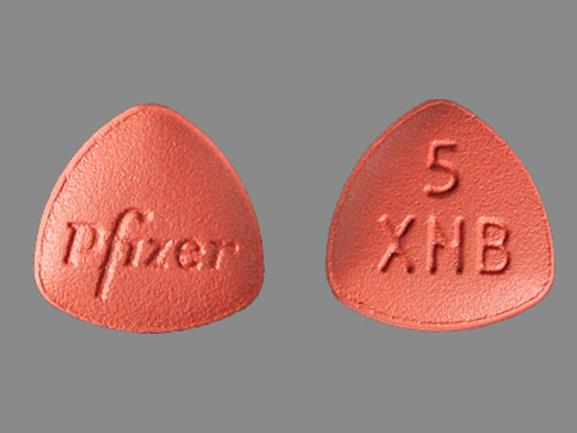
Axitinib Side Effects
Applies to axitinib: oral tablet.
Precautions
If you will be taking this medicine for a long time, it is very important that your doctor check your progress at regular visits to make sure this medicine is working properly. Blood and urine tests may be needed to check for unwanted effects.
Using this medicine while you are pregnant can harm your unborn baby. If you are a woman who can bear children, your doctor may give you a pregnancy test before you start using this medicine to make sure you are not pregnant. This medicine may also cause birth defects if the father is using it when his sexual partner becomes pregnant. Female patients should use an effective form of birth control during treatment with this medicine and for at least 1 week after the last dose. Male patients who have female partners should use effective birth control during treatment with this medicine and for at least 1 week after the last dose. If you think you have become pregnant or your partner has become pregnant while using this medicine, tell your doctor right away.
Your doctor will check your blood pressure on a regular basis while you are using this medicine. You might need to monitor your blood pressure at home. Tell your doctor right away if you have a severe headache, lightheadedness, or changes in your vision.
This medicine may cause blood clots (eg, deep vein thrombosis, pulmonary embolism). Check with your doctor right away if you have anxiety, chest pain, cough, dizziness, lightheadedness, or fainting, fast heartbeat, pain, redness, or swelling in the arm or leg, pains in the chest, groin, or legs, especially calves of the legs, severe headaches, or trouble breathing.
Check with your doctor right away if you have chest pain or tightness, decreased urine output, dilated neck veins, irregular or trouble breathing, irregular heartbeat, swelling of the face, fingers, feet, or lower legs, unusual tiredness or weakness, or weight gain. These may be symptoms of a serious heart problem (eg, heart failure).
This may increase the levels of protein in your urine, which may lead to kidney damage. Tell your doctor right away if you have cloudy urine.
Check with your doctor right away if you have severe stomach burning, cramps, or pains, bloody or black, tarry stools, trouble breathing, heartburn, indigestion, nausea, or vomiting of material that looks like coffee grounds. These could be symptoms of a serious bowel problem.
Check with your doctor right away if you have any unusual bleeding or bruising, black, tarry stools, blood in the urine or stools, headache, dizziness, or weakness, pain, swelling, or discomfort in a joint, pinpoint red spots on your skin, unusual nosebleeds, or unusual vaginal bleeding that is heavier than normal. These may be signs of bleeding problems.
This medicine may increase your chance of bleeding and cause a delay in wound healing. To help with this problem, stay away from rough sports or other situations where you could be bruised, cut, or injured. Brush and floss your teeth gently. Be careful when using sharp objects, including razors and fingernail clippers.
This medicine may affect the way your body heals from cuts and wounds. Make sure any doctor who treats you knows that you are using this medicine. You may need to stop using this medicine at least 2 days before having a surgery. Wait for at least 2 weeks after major surgery, or until adequate wound healing before taking this medicine again.
This medicine may increase your chance of having a brain condition called reversible posterior leukoencephalopathy syndrome (RPLS). Check with your doctor right away if you have headaches, seizures, extreme drowsiness, confusion, or problems with vision while you are using this medicine.
Check with your doctor right away if you have pain or tenderness in the upper stomach, pale stools, dark urine, loss of appetite, nausea, unusual tiredness or weakness, or yellow eyes or skin. These could be symptoms of a serious liver problem.
This medicine may cause a serious skin problem called hand-foot syndrome. Check with your doctor right away if you have a skin rash or any redness, pain, swelling, or blisters on the palms of your hands or the soles of your feet.
If you plan to have children, talk with your doctor before using this medicine. Some men and women using this medicine have become infertile (unable to have children).
Do not take other medicines unless they have been discussed with your doctor. This includes prescription or nonprescription (over-the-counter [OTC]) medicines and herbal (eg, St. John's wort) or vitamin supplements.
Serious side effects of axitinib
Along with its needed effects, axitinib may cause some unwanted effects. Although not all of these side effects may occur, if they do occur they may need medical attention.
Check with your doctor immediately if any of the following side effects occur while taking axitinib:
More common side effects
- bleeding gums
- bloody nose
- blurred vision
- chest tightness
- clay colored stools
- cloudy urine
- confusion
- constipation
- coughing up blood
- decreased urination
- depressed mood
- difficult or labored breathing
- difficulty with swallowing
- dizziness
- dry mouth
- dry skin and hair
- fainting
- feeling cold
- fever
- hair loss
- headache
- hoarseness or husky voice
- incoherent speech
- increased menstrual flow or vaginal bleeding
- increased urination
- itching skin or rash
- lightheadedness
- loss of appetite
- metallic taste
- muscle cramps, stiffness, or weakness
- nausea
- nervousness
- nosebleeds
- paralysis
- pounding in the ears
- rapid breathing
- red or black, tarry stools
- red or dark brown urine
- redness, swelling, or pain of the skin
- scaling of the skin on the hands and feet
- slow or fast heartbeat
- stomach pain or tenderness
- sunken eyes
- swelling of the feet or lower legs
- thirst
- tingling of the hands and feet
- ulceration of the skin
- unusual tiredness or weakness
- vomiting
- weight gain or loss
- wrinkled skin
- yellow eyes or skin
Less common side effects
- anxiety
- bleeding from the gums or nose
- bleeding from the rectum
- bloody, black or tarry stools
- change in vision
- chest pain or discomfort
- extreme drowsiness
- eye pain
- heartburn
- inability to speak
- indigestion
- numbness or tingling in the face, arms, hands, or legs
- pain in the chest, groin, or legs
- pain or discomfort in the arms, jaw, back, or neck
- pain, redness, or swelling in the arm or leg
- pale skin
- ringing in the ears
- seizures
- sensitivity to heat
- severe headaches of sudden onset
- severe stomach pain, cramping, or burning
- slurred speech
- sores, ulcers, or white spots on the lips, tongue, or inside the mouth
- sudden loss of coordination
- sudden onset of slurred speech
- sudden vision changes
- sweating
- temporary blindness
- trouble sleeping
- trouble speaking, thinking, or walking
- trouble breathing
- uncomfortable swelling around the anus
- unusual bleeding or bruising
- vomiting of material that looks like coffee grounds
- weakness in the arm or leg on one side of the body
Other side effects of axitinib
Some side effects of axitinib may occur that usually do not need medical attention. These side effects may go away during treatment as your body adjusts to the medicine. Also, your health care professional may be able to tell you about ways to prevent or reduce some of these side effects.
Check with your health care professional if any of the following side effects continue or are bothersome or if you have any questions about them:
More common side effects
- belching
- change in taste
- cough
- cracked lips
- decreased appetite
- diarrhea
- difficulty with moving
- joint pain or swelling
- lack or loss of strength
- loss of taste
- muscle aches or pain
- pain in the arms or legs
- sore throat
- stomach discomfort or upset
- swelling or inflammation of the mouth
- upper stomach pain
- voice changes
Less common side effects
- burning sensation of the tongue
- continuous ringing or buzzing or other unexplained noise in the ears
- flushing or redness of the skin
- hearing loss
- thinning of the hair
- unusually warm skin
See also:
For healthcare professionals
Applies to axitinib: oral tablet.
General adverse events
The most common adverse reactions included diarrhea, hypertension, fatigue, decreased appetite, nausea, dysphonia, hand-foot syndrome, decreased weight, vomiting, asthenia, and constipation.[Ref]
Cardiovascular
- Very common (10% or more): Hypertension (40%)
- Common (1% to 10%): Deep vein thrombosis, cardiac failure events, venous thromboembolic events, arterial thromboembolic events, myocardial infarction
- Rare (less than 0.1%): Hypertensive crisis[Ref]
Hypertension has been reported in up to 40% or patients, with grade 3 or 4 hypertension and hypertensive crisis in 16% and less than 1% of those patients, respectively. The median onset time for hypertension was within the first month, with increases observed as early as 4 days after starting the drug. Less than 1% of patients discontinued therapy due to hypertension.
Arterial thromboembolic events including transient ischemic attacks, cerebrovascular accidents, myocardial infarctions, and retinal artery occlusions were reported in 2% of patients (17 of 715) and venous thromboembolic events including pulmonary embolism, deep vein thrombosis, retinal vein occlusion, and retinal vein thrombosis were reported in 3% of patients (22 of 715).
Cardiac failure was reported in 2% (6 of 359) patients; grade 3 or 4 in 1% (2 of 359).[Ref]
Nervous system
- Very common (10% or more): Headache (15%), dysgeusia (11%)
- Common (1% to 10%): Dizziness, transient ischemic attack
- Rare (less than 0.1%): Posterior reversible encephalopathy syndrome
- Frequency not reported: Cerebrovascular accidents[Ref]
Arterial thromboembolic events including transient ischemic attacks, cerebrovascular accidents, myocardial infarctions, and retinal artery occlusions were reported in 2% of patients (17 of 715).
Three cases of reversible posterior leukoencephalopathy syndrome (RPLS), also known as posterior reversible encephalopathy syndrome (PRES) were reported during clinical trials.[Ref]
Ocular
- Common (1% to 10%): Retinal vein occlusion/thrombosis
- Frequency not reported: Retinal artery occlusions[Ref]
Arterial thromboembolic events including transient ischemic attacks, cerebrovascular accidents, myocardial infarctions, and retinal artery occlusions were reported in 2% of patients (17 of 715). Venous thromboembolic events including pulmonary embolism, deep vein thrombosis, retinal vein occlusion, and retinal vein thrombosis were reported in 3% of patients (22 of 715).[Ref]
Gastrointestinal
- Very common (10% or more): Diarrhea (55%), nausea (32%), vomiting (24%), constipation (20%), stomatitis (15%), abdominal pain (14%), increased lipase (27%), increased amylase (25%)
- Common (1% to 10%): Upper abdominal pain, hemorrhoids, glossodynia, rectal hemorrhage, dyspepsia, flatulence
- Uncommon (0.1% to 1%): Gastrointestinal perforation, fistulas
- Frequency not reported: Lower gastrointestinal hemorrhage, melena[Ref]
Hepatic
- Very common (10% or more): Transaminase increases (20% to 22%), alkaline phosphatase increases (30%), hypoalbuminemia (15%)[Ref]
Renal
- Very common (10% or more): Increased creatinine (55%), proteinuria (11%)
- Common (1% to 10%): Hematuria, renal failure[Ref]
Other
- Very common (10% or more): Fatigue (39%), asthenia (21%),
- Common (1% to 10%): Tinnitus[Ref]
Dermatologic
- Very common (10% or more): Hand-foot syndrome (27%), rash (13%)
- Common (1% to 10%): Pruritus, alopecia, erythema, dry skin[Ref]
Endocrine
- Very common (10% or more): Hypothyroidism (20%),
- Common (1% to 10%): Hyperthyroidism, increased thyroid stimulating hormone (TSH)[Ref]
Hypothyroidism was reported in 20.9% of patients and hyperthyroidism in 1.1%. Among patients with TSH levels less than 5 micromoles/mL prior to treatment, elevations to greater 10 micromoles/mL occurred in greater than 32.2%[Ref]
Hematologic
- Very common (10% or more): Decreased hemoglobin (35%), decreased lymphocytes (33%) decreased platelets (15%), WBC decreased (11%)
- Common (1% to 10%): Anemia, polycythemia, increased hemoglobin
- Uncommon (0.1% to 1%): Neutropenia, leukopenia[Ref]
Metabolic
- Very common (10% or more): Decreased appetite (34%), weight loss (25%), decreased bicarbonate (44%), hypocalcemia (39%), hyperglycemia (28%), hypernatremia (17%), hyperkalemia (15%), hypoglycemia (11%), hyponatremia (13%), hypophosphatemia (13%)
- Common (1% to 10%): Dehydration[Ref]
Musculoskeletal
- Very common (10% or more): Arthralgia (15%), extremity pain (14%),
- Common (1% to 10%): Myalgia,[Ref]
Respiratory
- Very common (10% or more): Dysphonia (31%), cough (15%), mucosal inflammation (15%), dyspnea (15%)
- Common (1% to 10%): Epistaxis, pulmonary embolism, hemoptysis[Ref]
Venous thromboembolic events including pulmonary embolism, deep vein thrombosis, retinal vein occlusion, and retinal vein thrombosis were reported in 3% of patients (22 of 715).[Ref]
References
1. Cerner Multum, Inc. "UK Summary of Product Characteristics."
2. Cerner Multum, Inc. "Australian Product Information."
3. (2012) "Product Information. Inlyta (axitinib)." Pfizer U.S. Pharmaceuticals Group
Frequently asked questions
More about axitinib
- Check interactions
- Compare alternatives
- Reviews (3)
- Dosage information
- During pregnancy
- Drug class: multikinase inhibitors
- Breastfeeding
- En español
Patient resources
Other brands
Professional resources
Other brands
Related treatment guides
Further information
Axitinib side effects can vary depending on the individual. Always consult your healthcare provider to ensure the information displayed on this page applies to your personal circumstances.
Note: Medication side effects may be underreported. If you are experiencing side effects that are not listed, submit a report to the FDA by following this guide.